The evolution of memory technology brings DDR5, promising improved performance and efficiency. Understanding DDR5 latency vs DDR4 is crucial for users seeking to enhance their systems.
DDR4 has long been the standard, but DDR5 introduces advancements that significantly reduce latency. This new memory type achieves tighter timings. These enhancements allow for quicker data transfers, impacting overall system speed. Improved DDR5 latency leads to reduced delays in processing tasks. Users can expect smoother experiences, especially in gaming and professional applications.
However, it's essential to recognize that while DDR5 latency shows improvement, the real-world benefits may vary. Systems not optimized for DDR5 may not fully harness its advantages. Additionally, compatibility issues could arise when upgrading from DDR4. Users should evaluate their needs and the impact of DDR5 on their specific setups. As technology progresses, understanding these differences becomes vital for informed decisions.
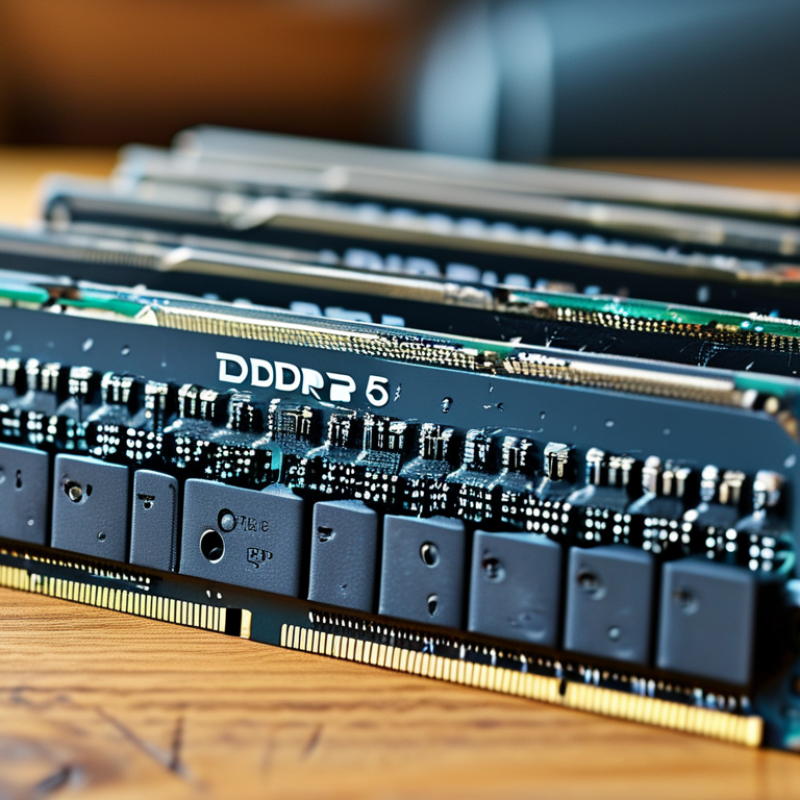
DDR4 memory technology has served as a reliable standard for several years. It offers decent performance, with data transfer rates ranging from 1600 MT/s to 2400 MT/s. However, as technology evolves, the demand for faster and more efficient memory solutions grows. This is where DDR5 comes into play. DDR5 memory can reach speeds of up to 8400 MT/s, significantly enhancing performance for modern applications.
One notable change is the improvement in latency. DDR5 reduces overall latency compared to DDR4. While DDR4 has a CAS latency of 16-20, DDR5 typically operates around CAS 30-40. This means that even with higher numbers, the frequency increase compensates for the latency. Recent reports suggest that DDR5 offers nearly double the bandwidth of DDR4. This is crucial as it allows for better multitasking and improved performance for demanding workloads, such as gaming and data processing.
The architecture has also evolved. DDR5 features two channels per memory module, effectively doubling the data paths. This allows for more efficient data handling, leading to noticeable improvements in system performance. However, adaptation has its challenges. Many motherboards are still catching up with this new standard. Not all applications will immediately benefit from DDR5 speeds. Users must weigh the investment against their actual needs. Balancing performance and cost will remain essential as the market transitions.
: DDR5 offers nearly double the bandwidth of DDR4, enhancing data transfer rates for demanding applications.
DDR5 has higher CAS latency numbers but reduced overall latency, offering better performance through improved speeds.
DDR5 features two channels per memory module, effectively doubling data paths, which boosts system performance.
Transitioning may require motherboard updates, which can be a barrier for users with older systems.
Lower latency in DDR5 ensures smoother gameplay and quicker response times, enhancing overall performance for gamers.
DDR5's low latency accelerates video editing tasks and improves data processing in AI and machine learning.
Users should verify motherboard compatibility and ensure proper installation of DDR5 modules for optimal performance.
DDR5's improved architecture and power management lead to lower energy consumption while enhancing performance.
Not all applications will leverage DDR5's full potential right away, depending on their requirements.
Keeping the system's firmware updated is crucial for improving performance and ensuring stability.
The article "Why is DDR5 Latency Better than DDR4?" provides an in-depth analysis of the advancements in memory technologies with a focus on the differences in latency between DDR4 and DDR5. It begins with an overview of both memory types, highlighting their architectural differences and technological innovations. Key factors influencing latency in memory modules are examined, emphasizing how DDR5 addresses latency challenges more effectively compared to DDR4.
A comparative analysis reveals that DDR5 latency is superior due to several enhancements, including improved data transfer rates and efficient power management. These innovations not only reduce latency but also enhance overall performance, particularly in demanding applications like gaming and data processing. The article concludes by illustrating the real-world applications of DDR5 low latency, showcasing its potential to significantly elevate computing efficiency in various fields. The compelling evidence presented underscores the importance of understanding DDR5 latency vs DDR4 for those considering upgrades to their systems.

 Corexis Memory