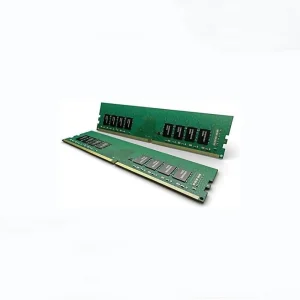
Explore our core custom PCB designs and SMT assembly services engineered for reliability and extreme performance environments.
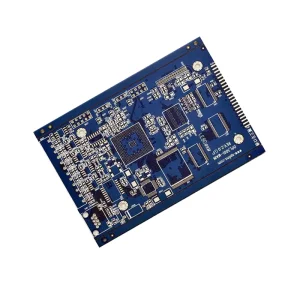
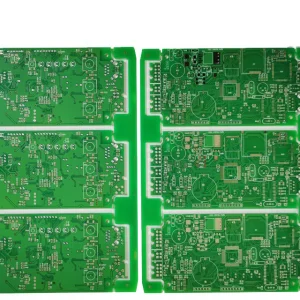
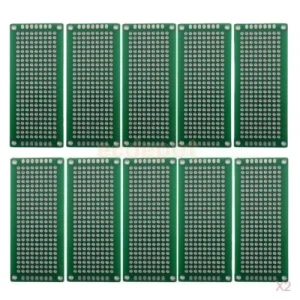
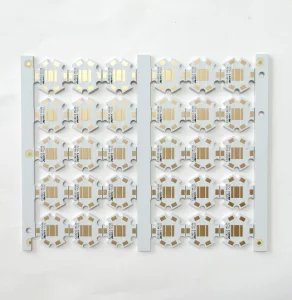
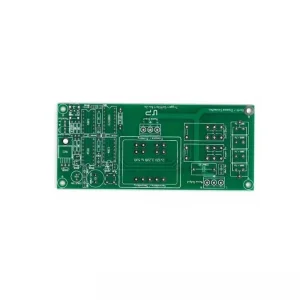
In the modern electronics landscape, a Printed Circuit Board (PCB) is no longer a simple mechanical support. It acts as the neural system of hardware platforms, hosting signals that operate at high gigahertz frequencies. Choosing the right PCB supplier involves checking more than their manufacturing output. Technical buyers must look for deep engineering skills, strict adherence to IPC Class 2 and Class 3 rules, and clean room facilities that protect complex multilayer stackups.
As processing speeds rise with DDR5 memory, PCIe Gen 5/6 routing, and high-frequency RF applications, PCB design requires tight impedance tolerance (often within ±5% or ±10%). This demands stable base materials, such as Rogers or KB6160 FR4, and advanced processes like resin-plugged vias (via-in-pad), microvias, and precise gold finger plating. Working with top suppliers ensures control over dielectric thickness variation across multilayer panels, preventing signal reflection and electromagnetic interference (EMI).
"Reliability in extreme environments starts before the production line. It begins at the design stage, where material choice, stackup balancing, and thermal planning prevent board warping and circuit failure."
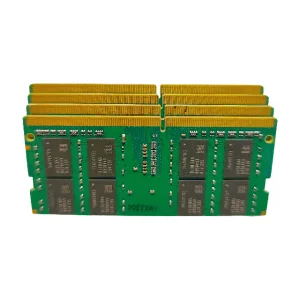
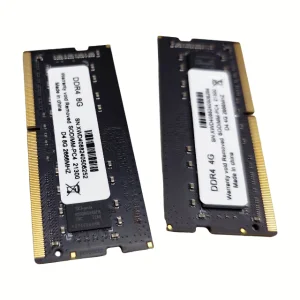
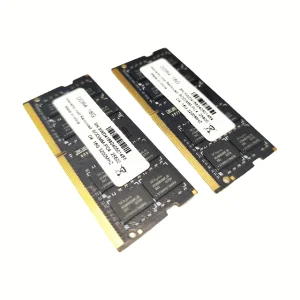
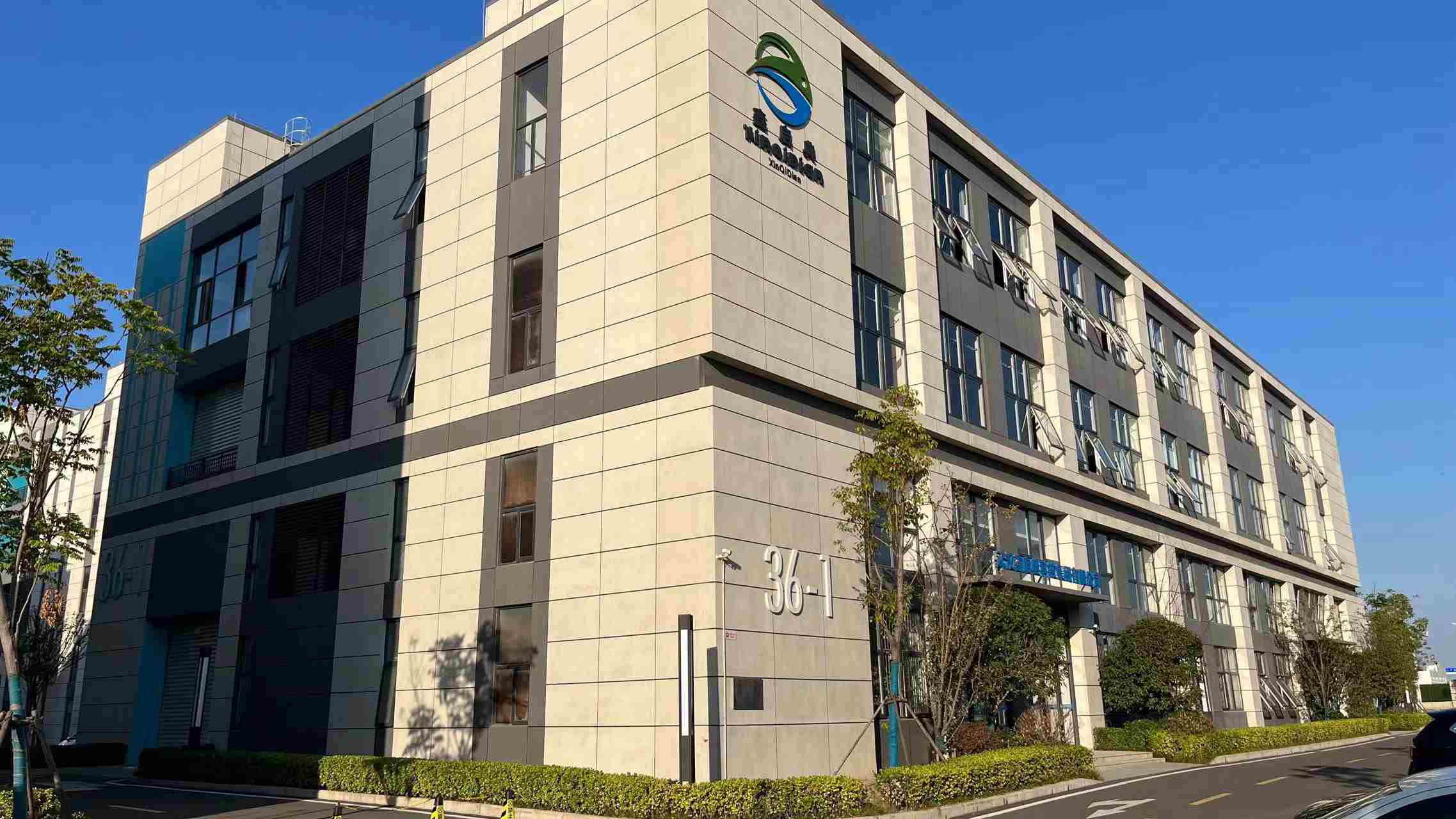
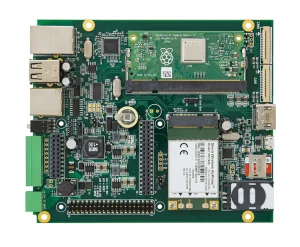
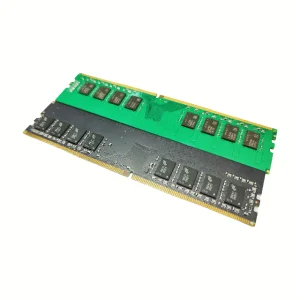
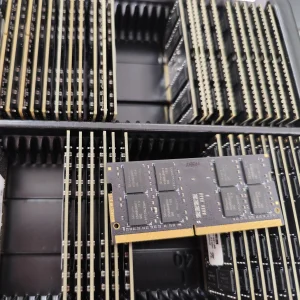
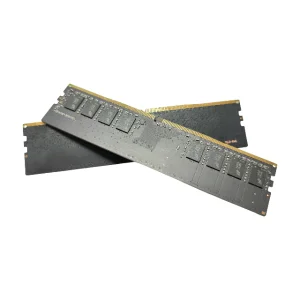
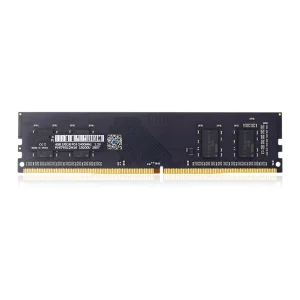
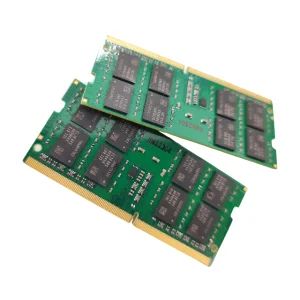
Established in 2016, Corexis Memory Technology Co., Ltd. has grown from a specialized memory layout team into a prominent PCB manufacturer & exporter. Over a decade of industry experience and eight years of export operations allow us to bridge the gap between high-speed component design and automated manufacturing. Our focus goes beyond standard PCBs; we design and assemble high-density DDR4/DDR5 modules, industrial-grade motherboard PCBA, and robust power supply boards.
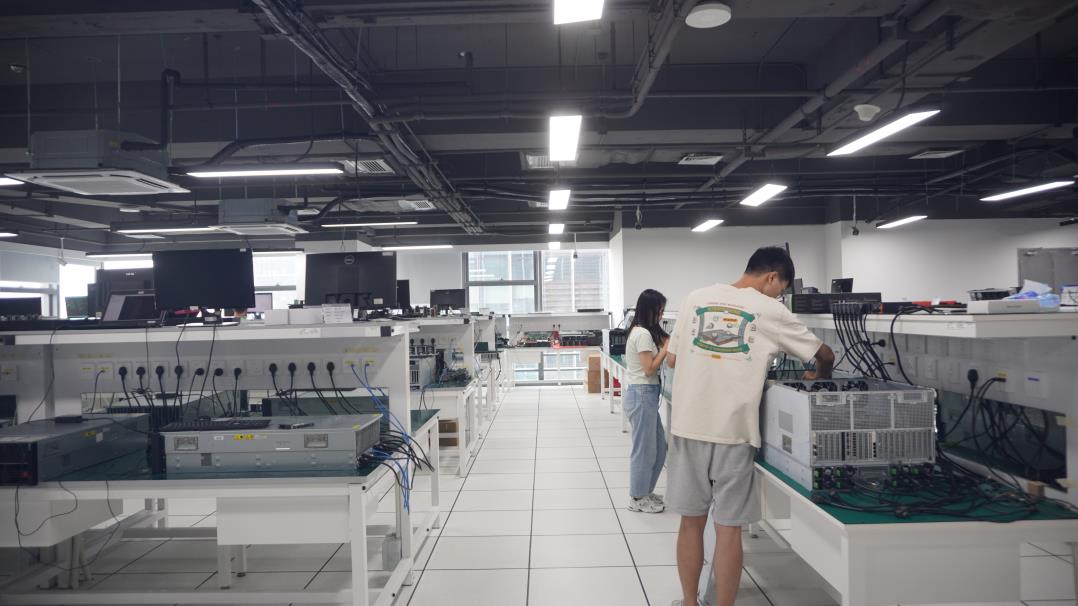
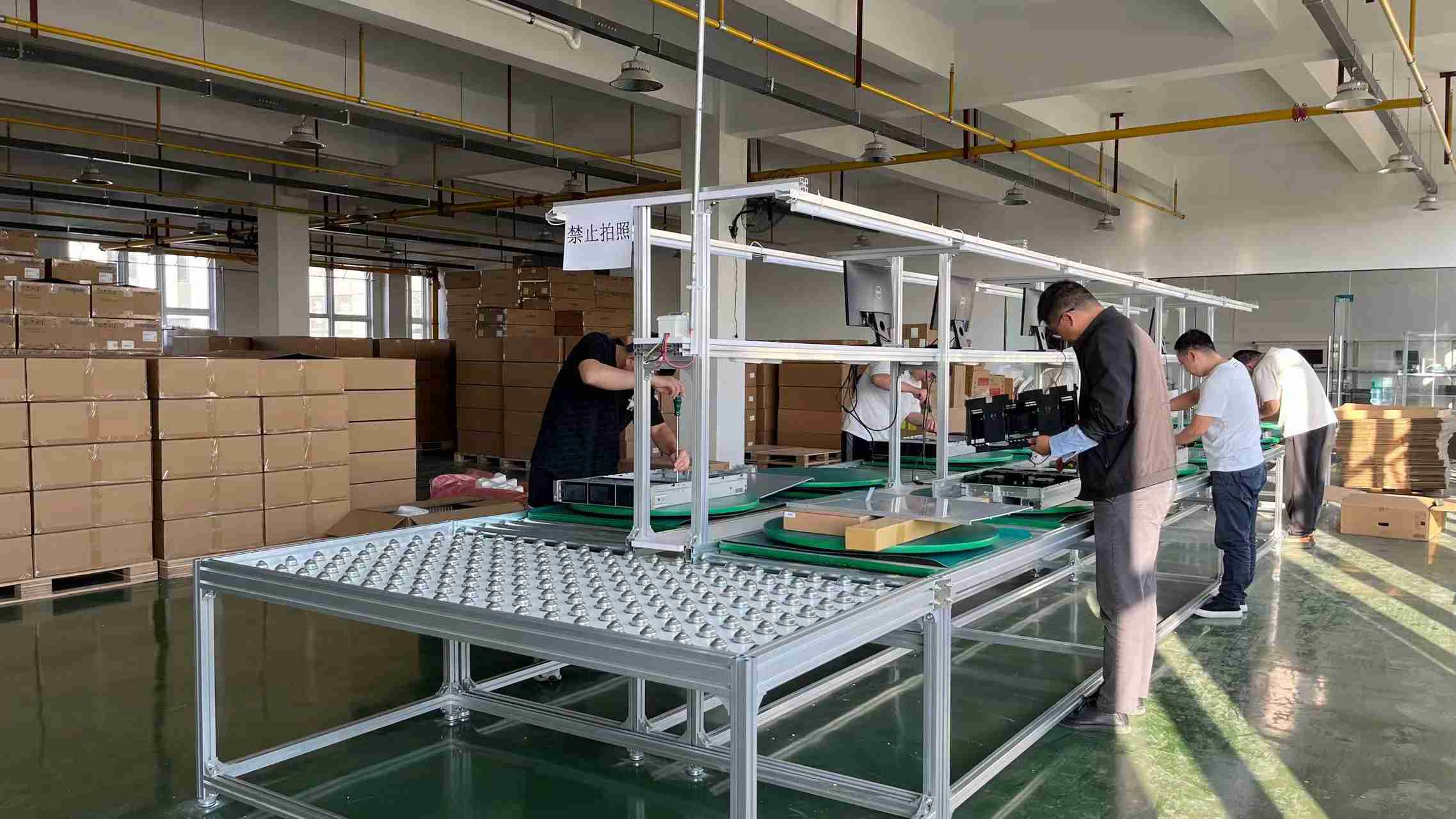
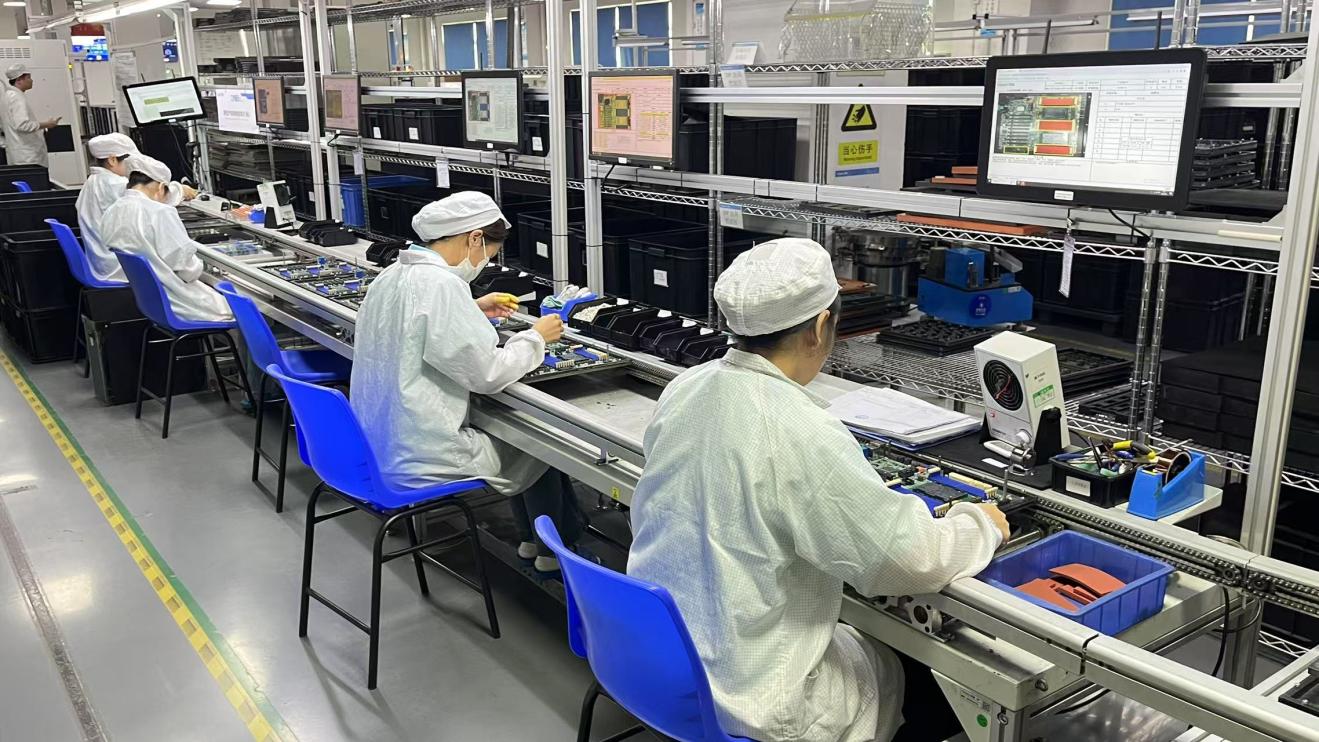
Our facility spans 21,800 m² and hosts fully automated SMT (Surface Mount Technology) lines. These lines handle fine-pitch BGAs, 0201 passives, and complex double-sided reflow jobs. We address the thermal and electrical demands of modern servers, desktop memories, and industrial controllers by using top-tier laminates, lead-free HASL finishes, and immersion silver coatings to preserve solderability.
The global manufacturing market demands both low costs and high flexibility. Chinese electronics suppliers have moved from manual assembly to advanced Industry 4.0 setups. At Corexis, SMT mounting accuracy is supported by automated optical inspection (AOI), inline 3D X-ray systems, and real-time reflow profiling.
We manage component sourcing through a network of 1,120+ supply chain partners, guaranteeing authentic components even during supply shortages. Our design services help clients avoid errors, optimize trace widths, and locate hard-to-find components early in the design cycle.
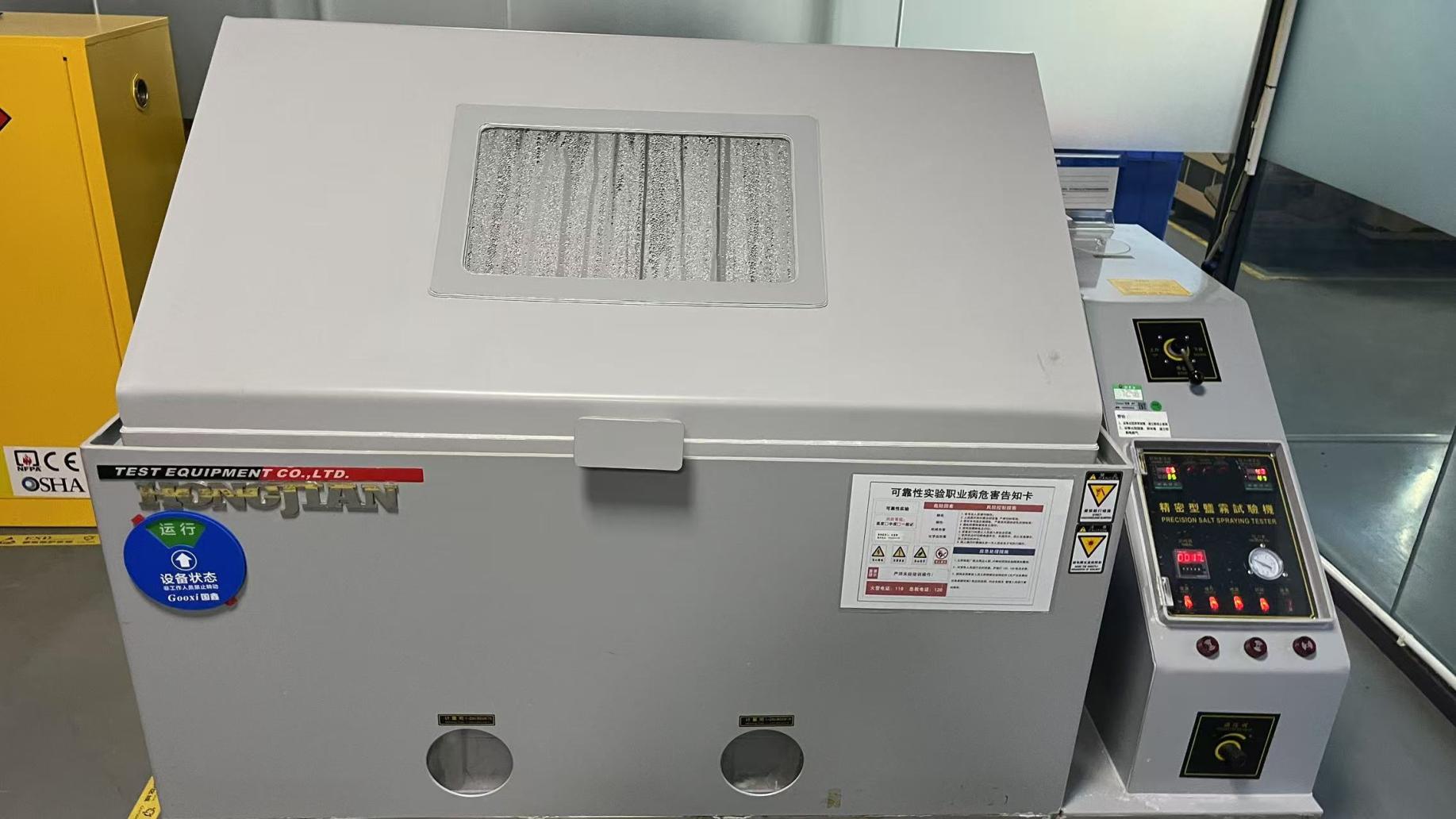
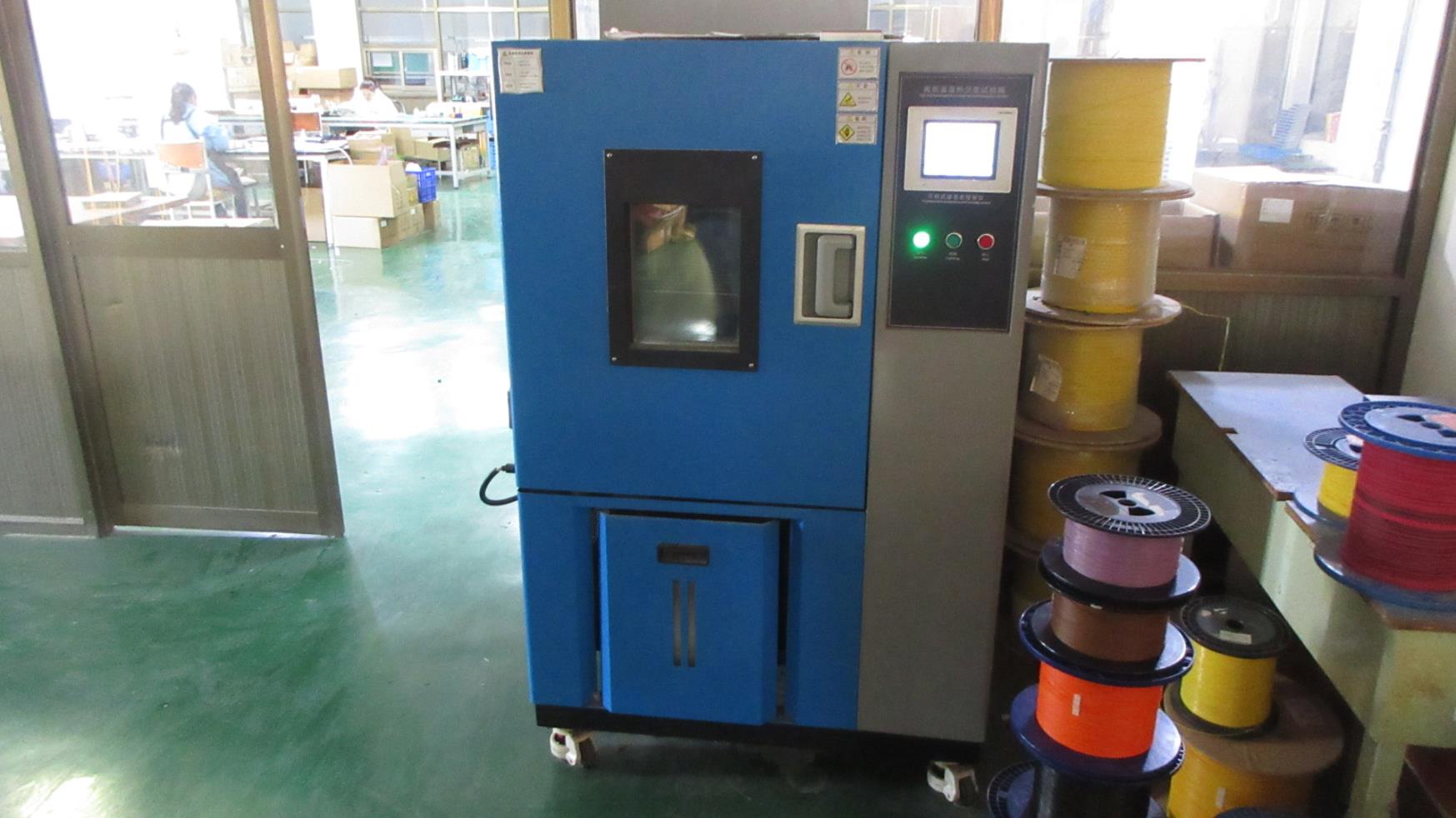
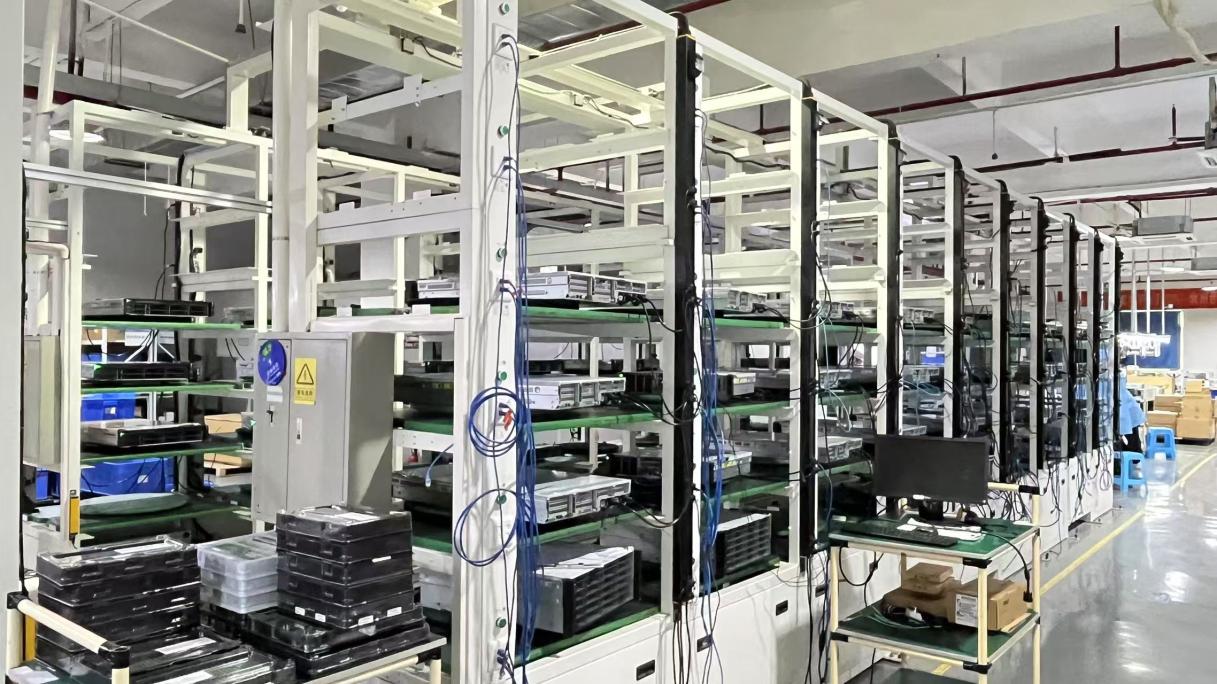
A high-quality PCB manufacturer must show reliable QA processes. Our quality team of 56 QC specialists uses a multi-level quality gate system. We inspect raw copper and laminates at incoming quality control (IQC), and verify printing and solder application in-process (IPQC). After assembly, boards undergo AOI, X-ray inspection for BGAs, and final functional checks (FQC/OQA). We also run reliability tests, including thermal cycling, salt spray exposure, and vibration testing, to verify long-term performance under stress.
Technical guidance for system integrators and engineers selecting high-reliability PCB solutions.
Explore our DDR4/DDR5 modules and specialized industrial PCBA solutions, built to order and fully tested before shipment.
 Corexis Memory