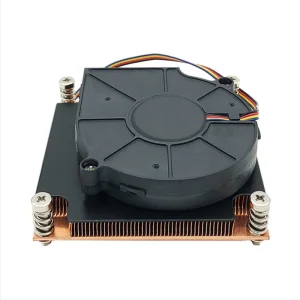
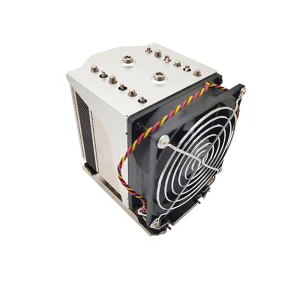
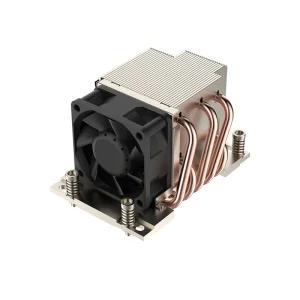
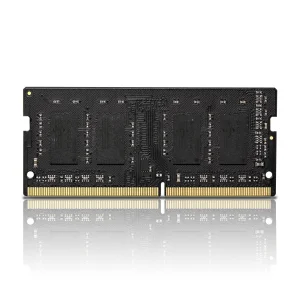
High-performance heatsinks and electronics engineered for next-generation compute environments.
As hyperscale cloud architectures and edge computing applications surge globally, data center efficiency has become heavily dependent on thermal engineering. CPUs and GPUs now exceed power thresholds of 350W to 500W TDP (Thermal Design Power). Air and liquid server radiators are no longer simple components; they are critical system dependencies that directly affect compute availability, system lifespan, and Power Usage Effectiveness (PUE).
At Corexis Memory Technology Co., Ltd., we understand that structural integrity and heat dissipation must work in tandem with advanced memory and PCB designs. Designing server systems requires a comprehensive, macro-level perspective that bridges custom hardware architectures with world-class thermal solutions.
Procurement teams face significant challenges in sourcing components that meet precise mechanical constraints and severe environmental performance requirements. Key concerns include mechanical compliance with socket configurations like Intel LGA4189 or AMD SP6, batch-to-batch consistency in flatnesses under 0.05mm, and supply chain scalability.
Working with a certified manufacturer like Corexis guarantees optimized design integration. We align our manufacturing tolerances with strict industrial standards, delivering ready-to-integrate solutions that eliminate common failures, such as surface oxidation or high interfacial thermal resistance.
Combining high-density electronics manufacturing with advanced mechanical design and rigorous quality control.
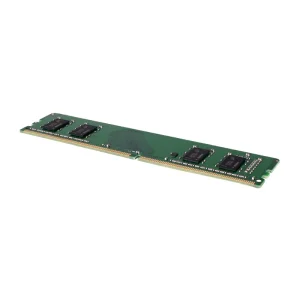
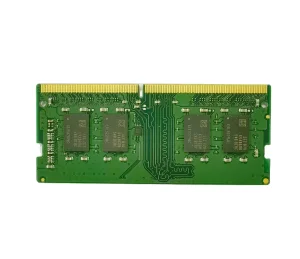
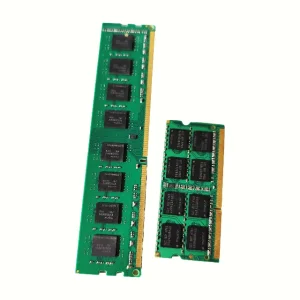
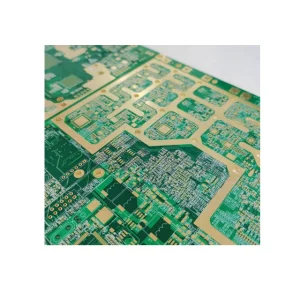
Established in 2016, Corexis has built a reputation for high-performance computing hardware, including memory modules, custom printed circuit boards (PCBs), and co-engineered thermal management components. With 8 years of dedicated export experience and a comprehensive factory infrastructure, we support brand owners, system integrators, and OEM/ODM clients worldwide.
Our facility integrates advanced surface mount technology (SMT), automated optical inspection (AOI), high-capacity hydraulic bonding for vapor chambers, and CNC machining centers for copper and aluminum component fabrication. This vertical integration allows us to deliver high thermal performance and structural reliability.
Reliability is critical for high-uptime servers. Corexis employs 56 dedicated quality control personnel operating under ISO 9001 and ISO 14001 frameworks. Every server radiator, PCB, and memory module undergoes a strict inspection lifecycle:
Exploring structural configurations designed to handle extreme heat loads.
Vapor chambers provide planar heat spreading, bypassing the point-source thermal resistance of traditional solid metal bases. Operating via a closed-loop phase-change cycle, liquid water vaporizes over the CPU/GPU junction and condenses across the cooler fin structure, maintaining uniform surface temperatures.
Using sintered copper powder wicks allows heat pipes to function efficiently in any physical orientation. Combining multiple high-diameter (6mm to 8mm) heat pipes enables heat transfer to remote fin arrays, optimizing airflow dynamics in 1U and 2U rack servers.
Skiving uses a single block of copper or aluminum to shave up thin, densely packed fins. This creates a joint-free interface between the fin base and the fins, eliminating thermal interface losses associated with soldered or bonded fin designs.
Corexis exports custom components and memory modules to North America, Europe, South America, Southeast Asia, and the Middle East. We help customers navigate regional compliance by ensuring all products comply with RoHS, REACH, CE, and FCC standards.
Our dedicated engineering team assists clients with thermal modeling, boundary condition analysis, and custom packaging designs. By working closely with logistics partners, we ensure reliable delivery of components to meet assembly schedules worldwide.
Every data center chassis has unique spatial layout challenges. We offer custom manufacturing services tailored to specific application requirements:
Anticipating the thermal requirements of high-density AI workloads and next-generation silicon.
Introduction of hybrid radiators featuring micro-channel cold plates linked to local air-cooled fin stacks, allowing systems to support TDP levels up to 600W without requiring immediate full-facility plumbing upgrades.
Development of specialized heat sinks with structured boiling surfaces optimized for two-phase immersion cooling fluids, maximizing bubble nucleation and heat transfer coefficients.
Integrating vertically aligned carbon nanotube (CNT) arrays directly onto the base of vapor chambers to lower contact resistance to near-zero levels.
Answers to common engineering and sourcing questions regarding server thermal design.
Copper has a thermal conductivity of approximately 401 W/m·K, which is nearly double that of aluminum (205 W/m·K). This allows copper bases to quickly draw heat away from high-density CPU die areas. Aluminum is typically used for the upper fin structure to balance weight and cost.
Performance drops are usually caused by micro-leaks, poor internal wick structure sintered quality, or outgassing. Over time, these issues introduce non-condensable gases that disrupt the phase-change cycle. Corexis mitigates this through helium leak detection and high-temperature vacuum baking.
Our manufacturing processes conform to official mechanical keep-out zones and spring-loading force specifications. Every batch is verified using mounting test fixtures to guarantee uniform pressure distribution across the processor Integrated Heat Spreader (IHS).
Yes. For 1U applications, we utilize low-profile skived copper fin structures (typically under 27mm in height) combined with high-density layouts and embedded vapor chambers to maximize heat transfer within tight space constraints.
Inside our 21,800 square meter manufacturing facility.
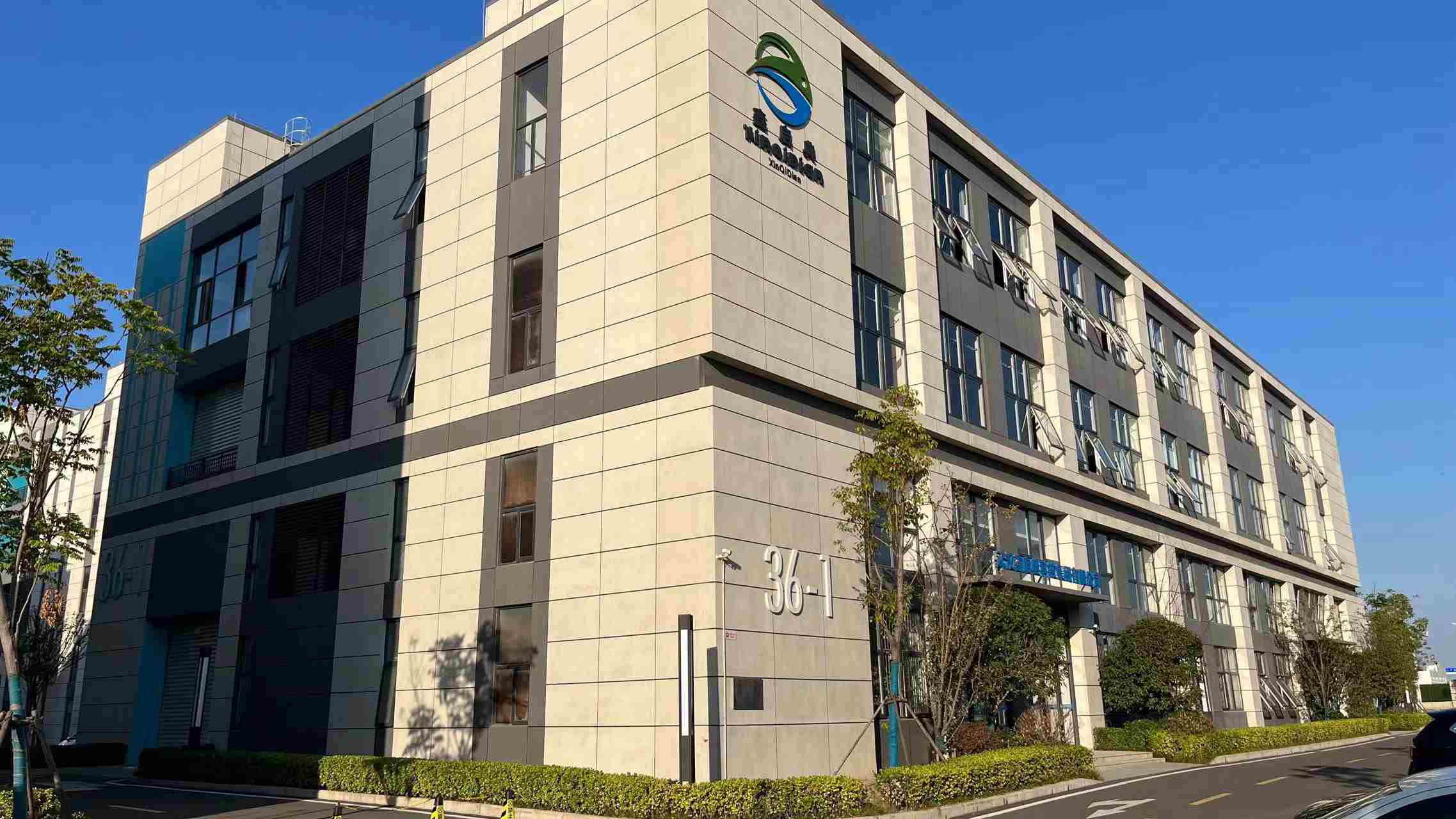
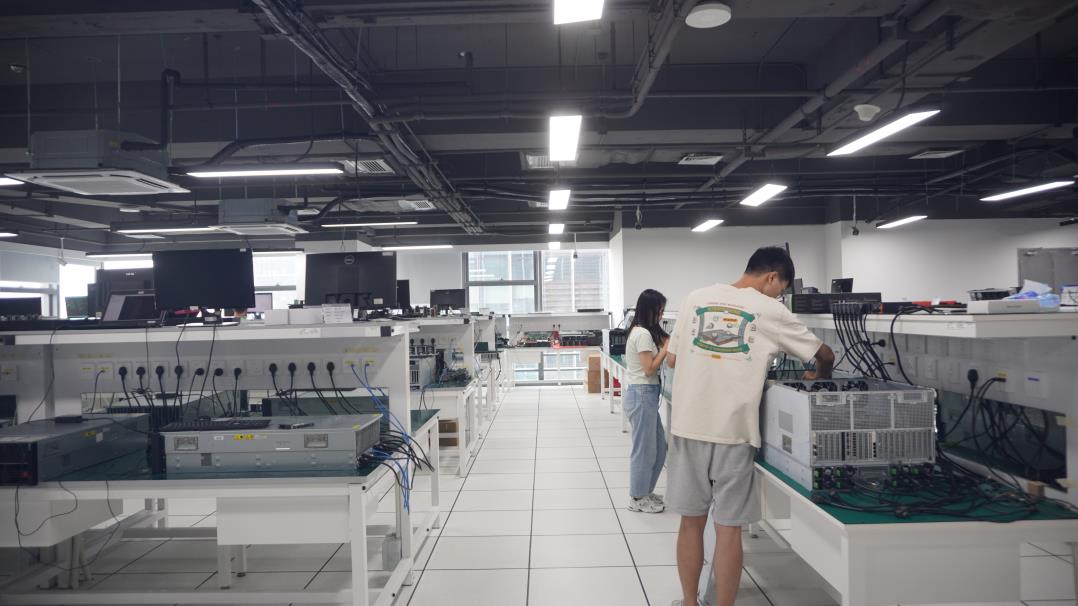
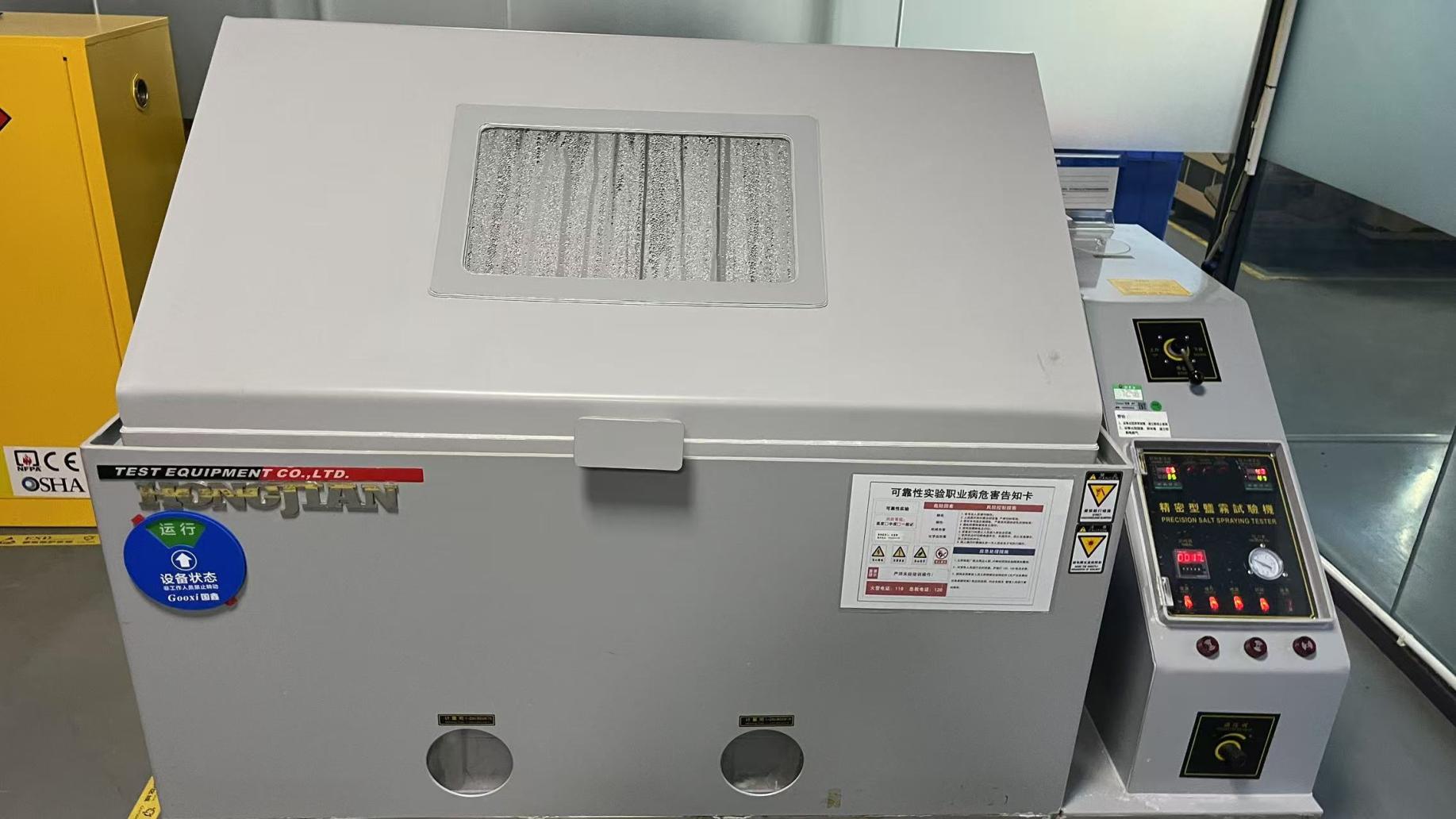
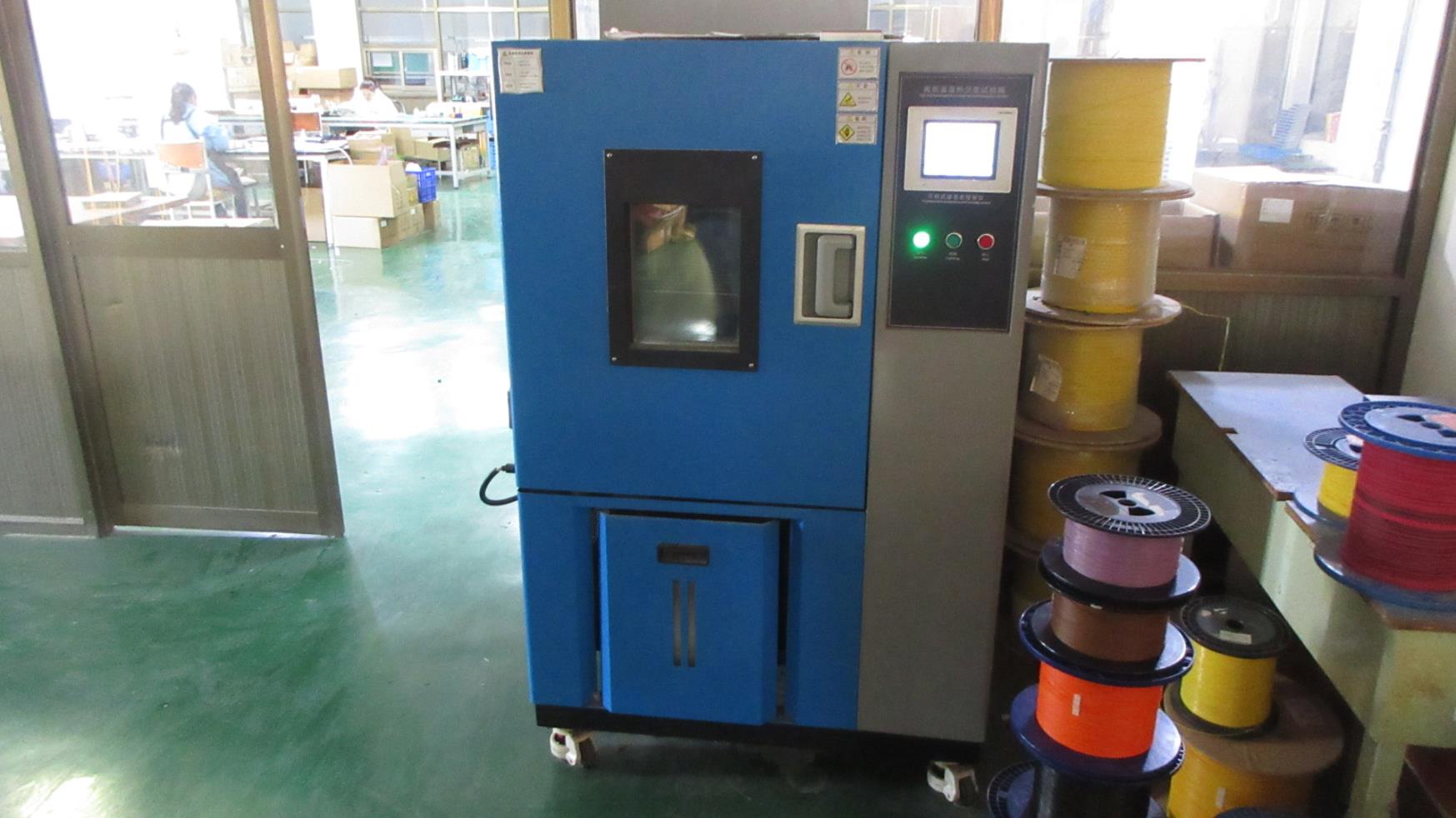
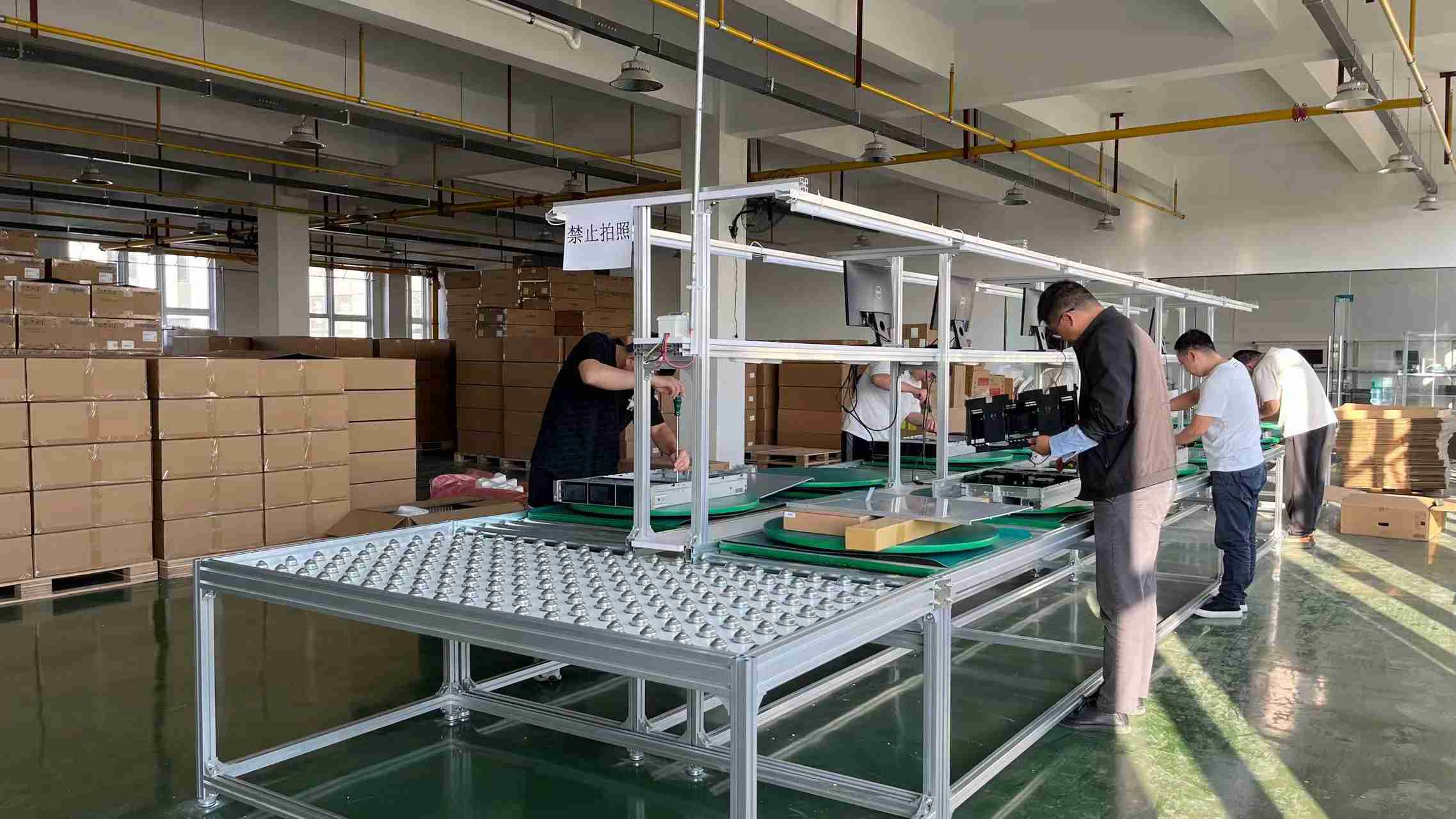
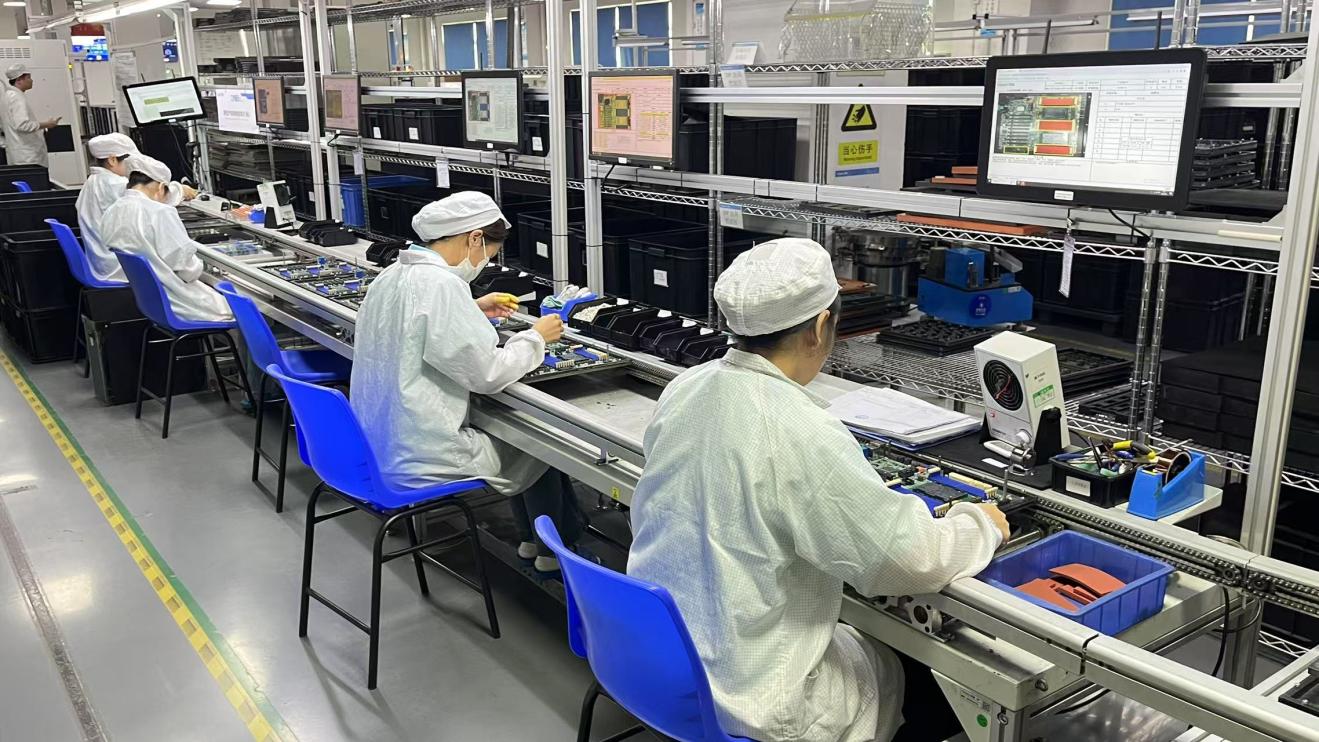
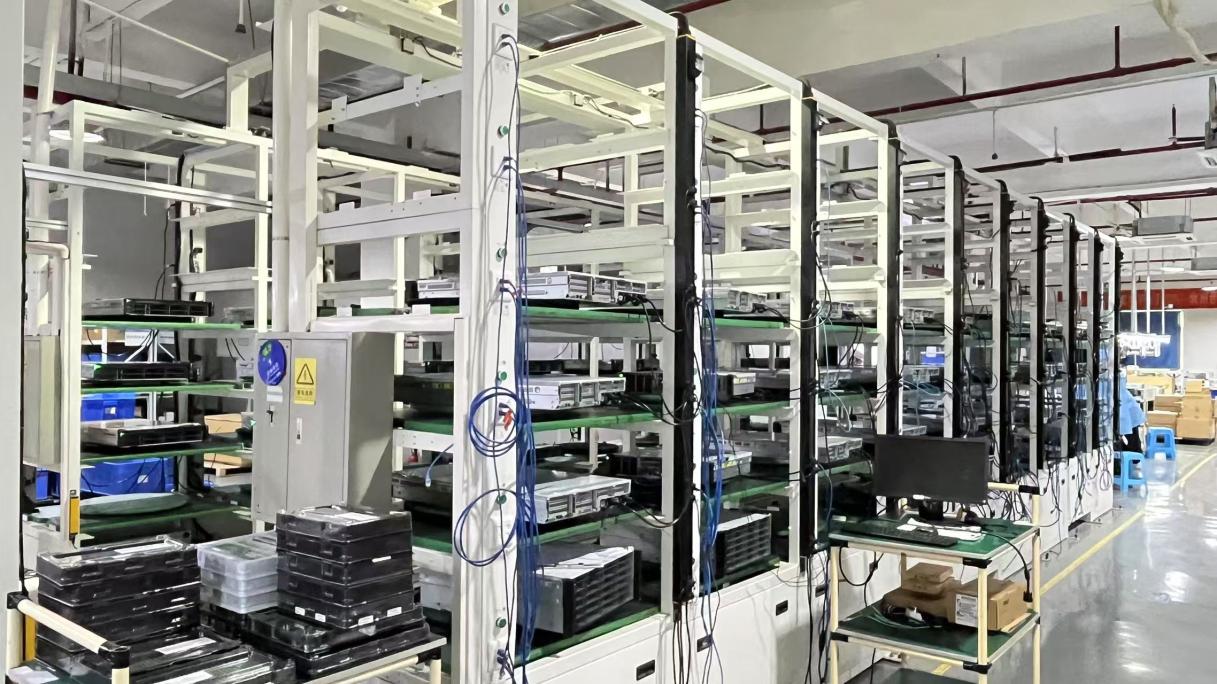
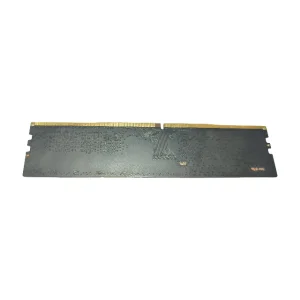
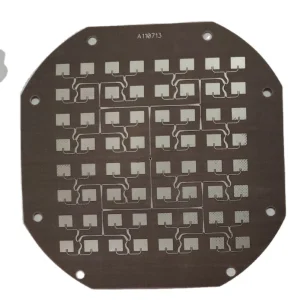
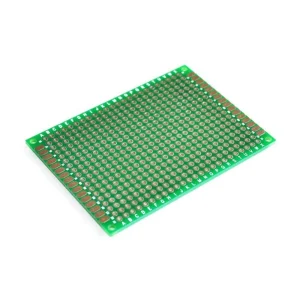
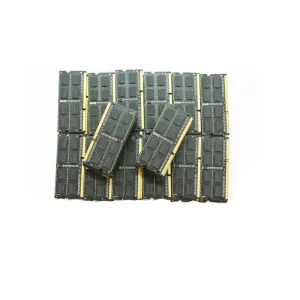
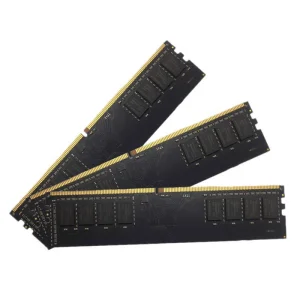
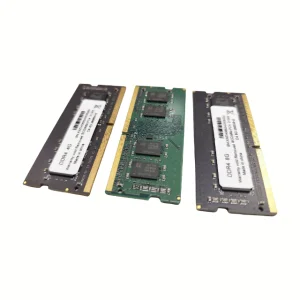
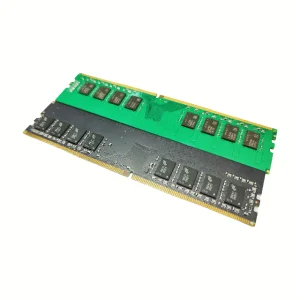
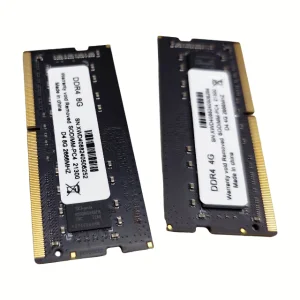
High-speed DDR4/DDR5 modules and PCBs designed for modern server and workstation architectures.
 Corexis Memory