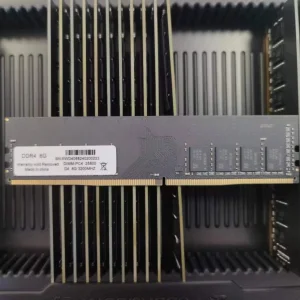
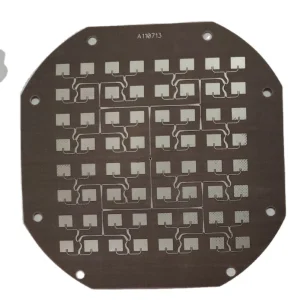
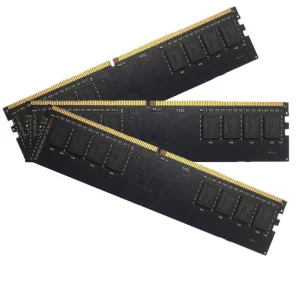
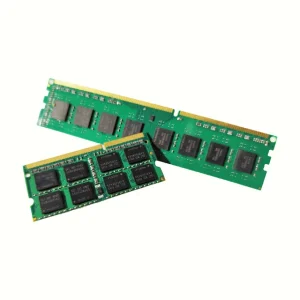
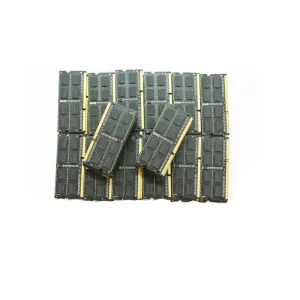
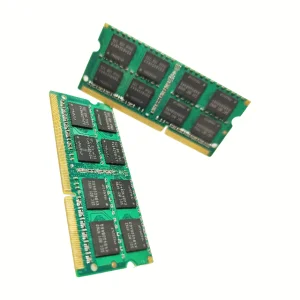
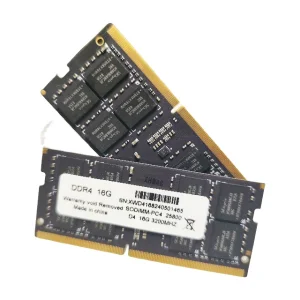
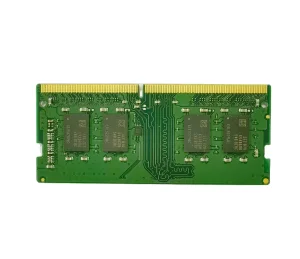
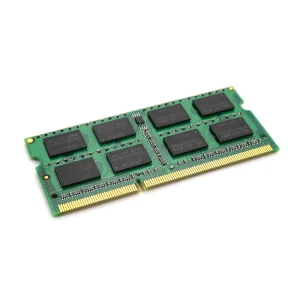
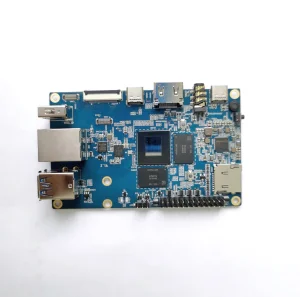
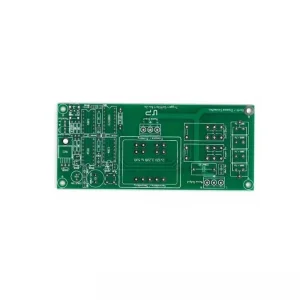
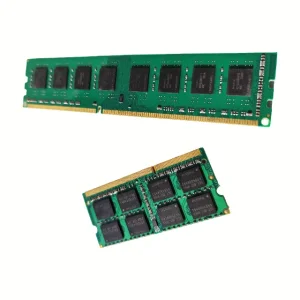
Explore our selected high-reliability assemblies, heavy-copper substrates, and processing cards designed for critical engineering applications.
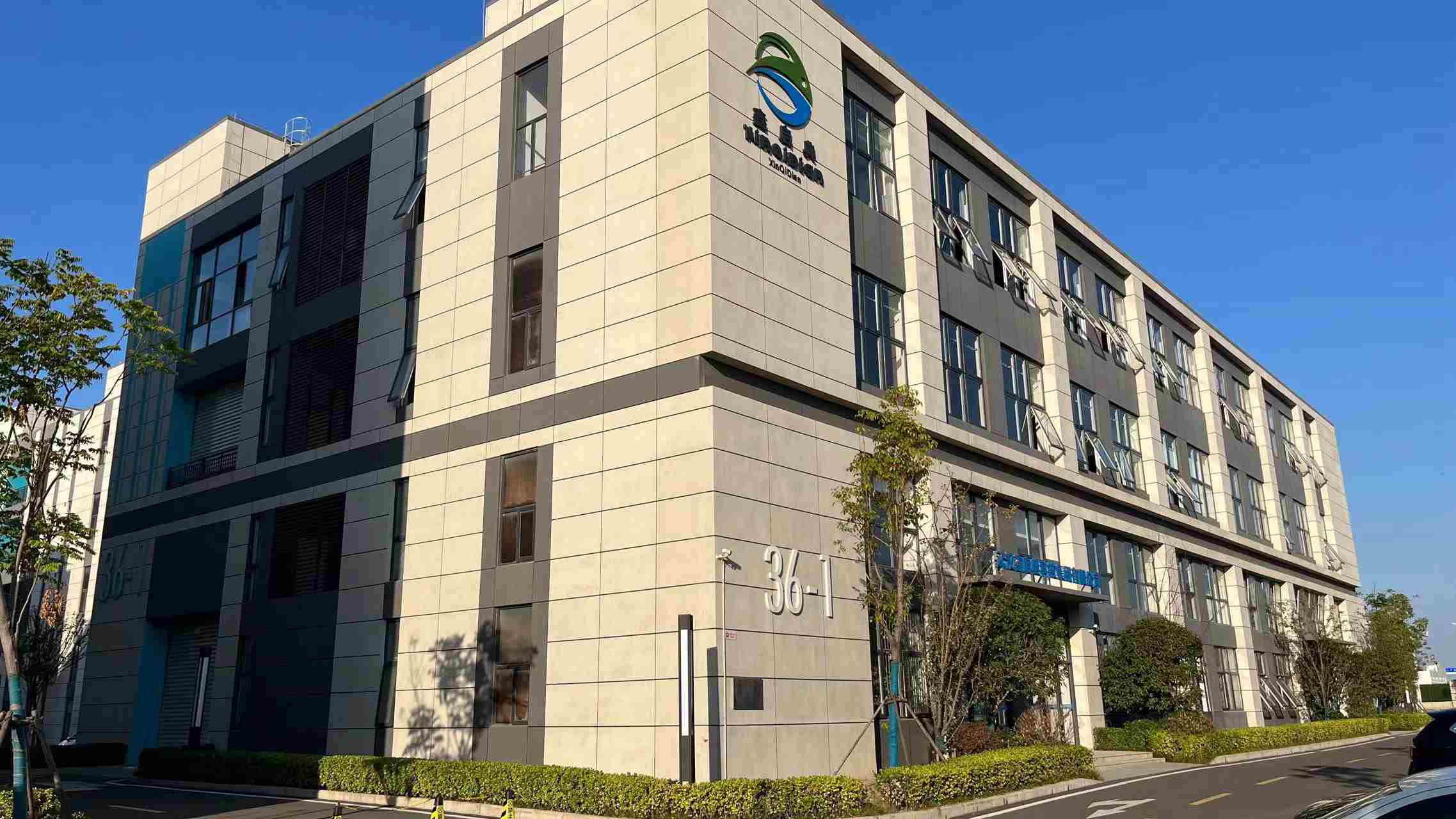
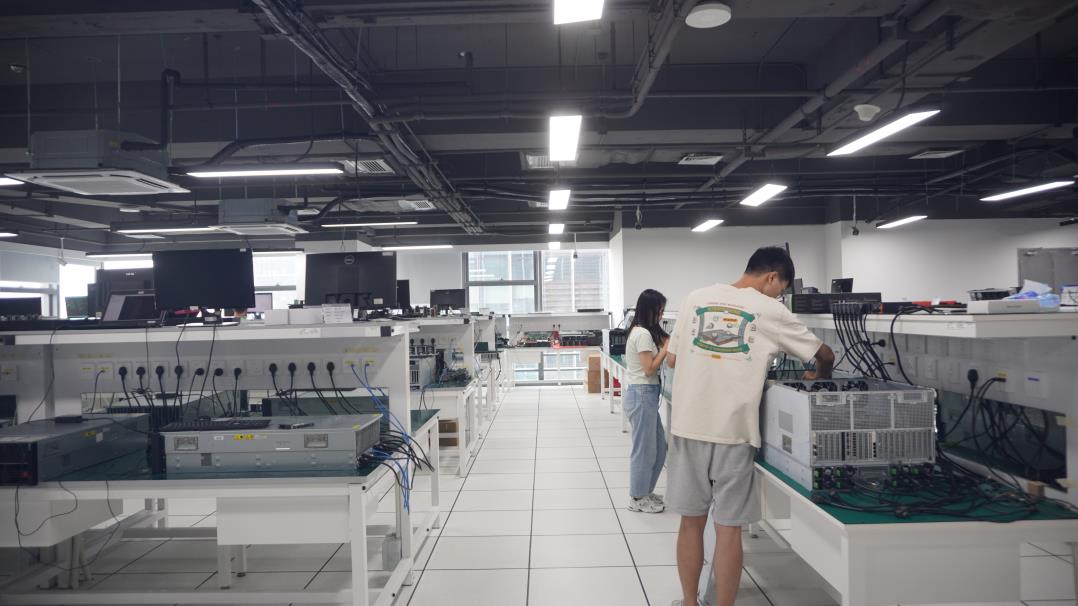
Corexis Memory Technology Co., Ltd. stands as a premier global electronics engineering and manufacturing powerhouse. Established in 2016, our state-of-the-art facility covers over 21,800 m² of SMT production lines, advanced cleanrooms, and testing facilities. Initially recognized for delivering cutting-edge DRAM solutions, Corexis has integrated advanced PCB layout design, thermal management integration, and high-frequency substrate manufacturing into its core operations.
Today, Corexis provides high-power Metal Core PCBs (MCPCBs), Aluminum circuit boards, high-performance FR4 audio and controller designs, and industrial memory architectures for OEM, ODM, and system integrators globally. With an annual export revenue of USD 26,800,000, we specialize in high-mix, high-reliability electronic assemblies where thermal endurance and data throughput meet.
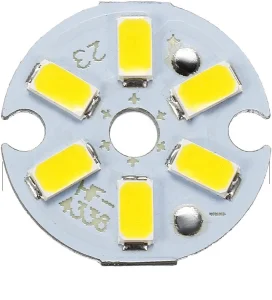
As solid-state lighting arrays evolve towards higher power densities, thermal management has become the primary design constraint for electronic engineers. High-power Light Emitting Diodes (LEDs) convert roughly 70% to 80% of their electrical power input into waste heat rather than light. Failure to dissipate this thermal energy causes junction temperatures to spike, leading to compromised luminous efficiency, color shifting, and catastrophic chip failures.
While traditional FR4 circuit boards utilize fiber-reinforced epoxy resin with a thermal conductivity of only 0.2 to 0.4 W/m-K, high-performance LED applications demand Metal Core PCBs (also known as Insulated Metal Substrates - IMS). These specialized boards utilize a base metal layer (typically Aluminum 5052 or 6061 alloy, or Copper) acting as an integrated heat sink.
A thin, highly thermally conductive dielectric layer separates the copper circuit foil from the metal base. Our premium LED PCBs feature advanced polymer-ceramic filled dielectrics capable of reaching thermal conductivities from 1.5 W/m-K up to 8.0 W/m-K, keeping junction temperatures low and lengthening system lifetimes beyond 100,000 operating hours.
Ideal for standard lighting modules, commercial downlights, and light bars. Combines high thermal dispersion with mechanical rigidity at a highly cost-effective price point.
Used in extreme heat configurations, such as high-intensity automotive headlamps or agricultural arrays. Features thermal conductivities up to 400 W/m-K using direct thermal paths.
Designed for cost-sensitive multi-layer control and driver boards. Integrates filled copper vias to pipe heat from surface-mount LEDs to backplane heat sinks.
For high-frequency applications accompanying smart LED control units, standard FR4 substrates fail to maintain signal integrity. We utilize advanced materials like Taconic TLY-5 (0.254mm thickness) and Rogers woven-glass PTFE laminates. These specialty boards maintain extremely low dissipation factors and stable dielectric constants (Dk), ensuring that high-frequency control signals, embedded radar/motion sensors, and RF transmitters operate without attenuation in modern smart-city and automotive lighting modules.
The display and general illumination sectors are experiencing rapid transformation, transitioning away from discrete SMD components toward integrated, dense packaging structures. Corexis is at the forefront of this shift, continuously developing production-ready solutions for these emerging technologies:
By mounting bare LED dies directly onto aluminum or copper substrates and encapsulating them with epoxy or silicone, COB technology bypasses the thermal bottleneck of traditional packaging. Corexis designs direct-die attachment patterns with mirror-finish reflective surfaces, achieving reflectivity rates over 95% to maximize luminous output.
For high-dynamic-range (HDR) television screens, automotive dashboards, and tablets, we fabricate ultra-dense Mini-LED boards. Leveraging our high-precision SMT lines (capable of placing components as small as 0201), we handle pitch spacings below 0.5mm with solder joint void rates under 5%, ensuring uniform color distribution and zero dark spots.
UV LEDs (used for industrial curing, water sterilization, and medical sanitation) operate in the short UV-A/B/C spectrum. These chips decay organic materials rapidly and emit extreme heat flux. To combat this, our UV-specific boards use inorganic Ceramic substrates (Alumina Al2O3 or Aluminum Nitride AlN) paired with gold-plated copper traces. This eliminates organic delamination risks, providing an inert, ultra-conductive platform that withstands both physical erosion and extreme thermal loading.
Modern commercial infrastructure requires systems-level thinking. A modern lighting array rarely operates in isolation; it integrates embedded processors, computing modules, and high-speed memory for IoT controls, artificial intelligence, and smart-grid communication.
From laser headlamps to smart dynamic ambient light-bars, our automotive solutions comply strictly with IATF 16949 guidelines. We produce robust MCPCB layouts capable of withstanding constant vibration, moisture ingress, and thermal fluctuations ranging from -40°C to +125°C.
Agricultural indoor grow systems utilize specialized full-spectrum LED fixtures drawing hundreds of watts. We provide high-reflectivity white solder masks (with UV resistance) that protect the board from yellowing, ensuring constant photosynthetic active radiation (PAR) emission over multi-year cycles.
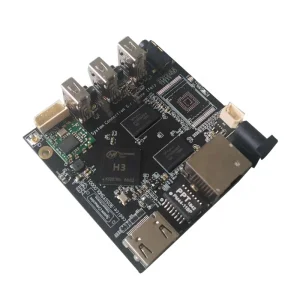
Next-generation street poles and smart retail displays utilize powerful NPU motherboards, such as the Rockchip RK3588S development board, coupled with high-speed DDR4/DDR5 system memory to coordinate real-time computer vision, environment monitoring, and adaptive energy management.
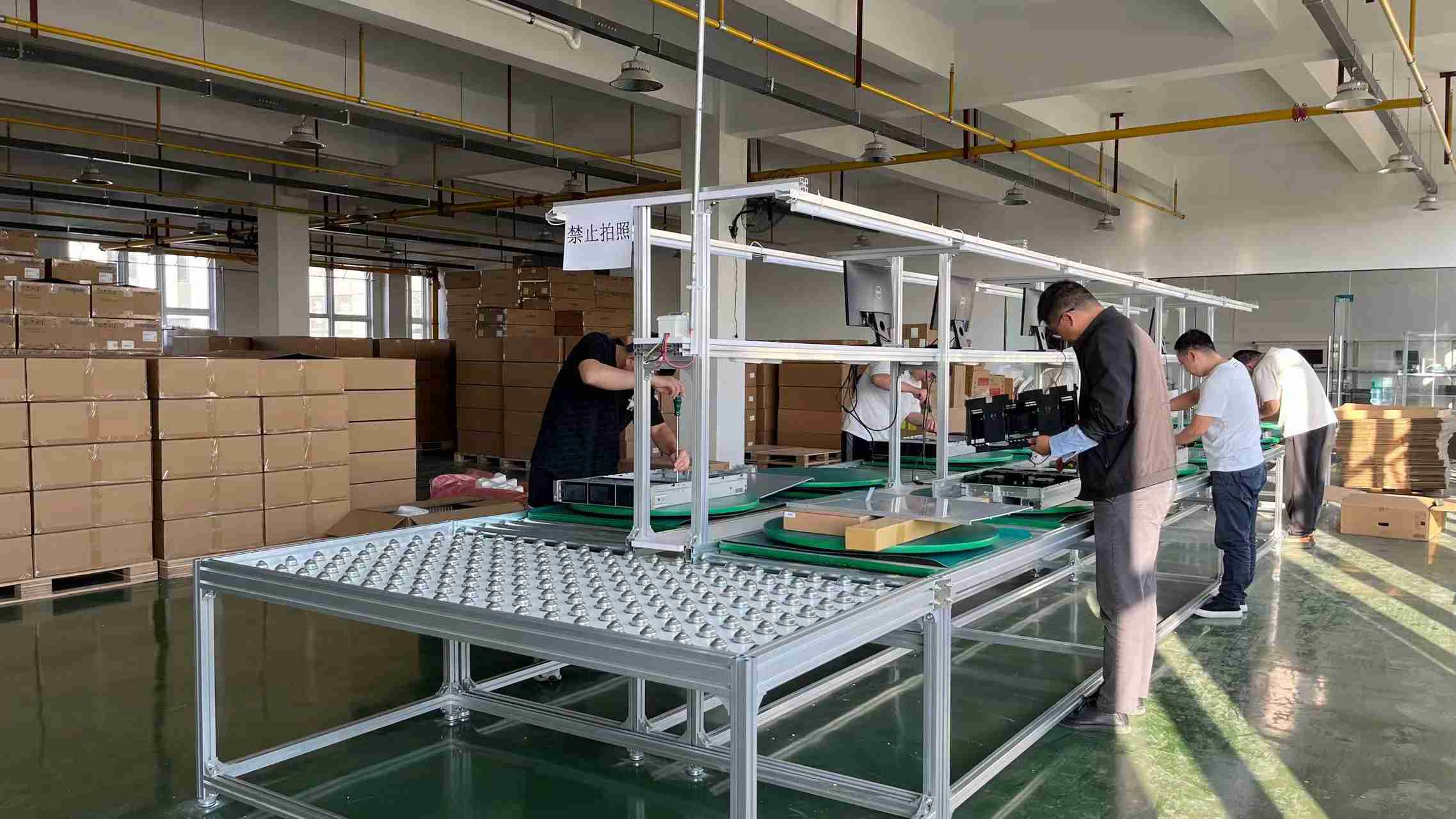
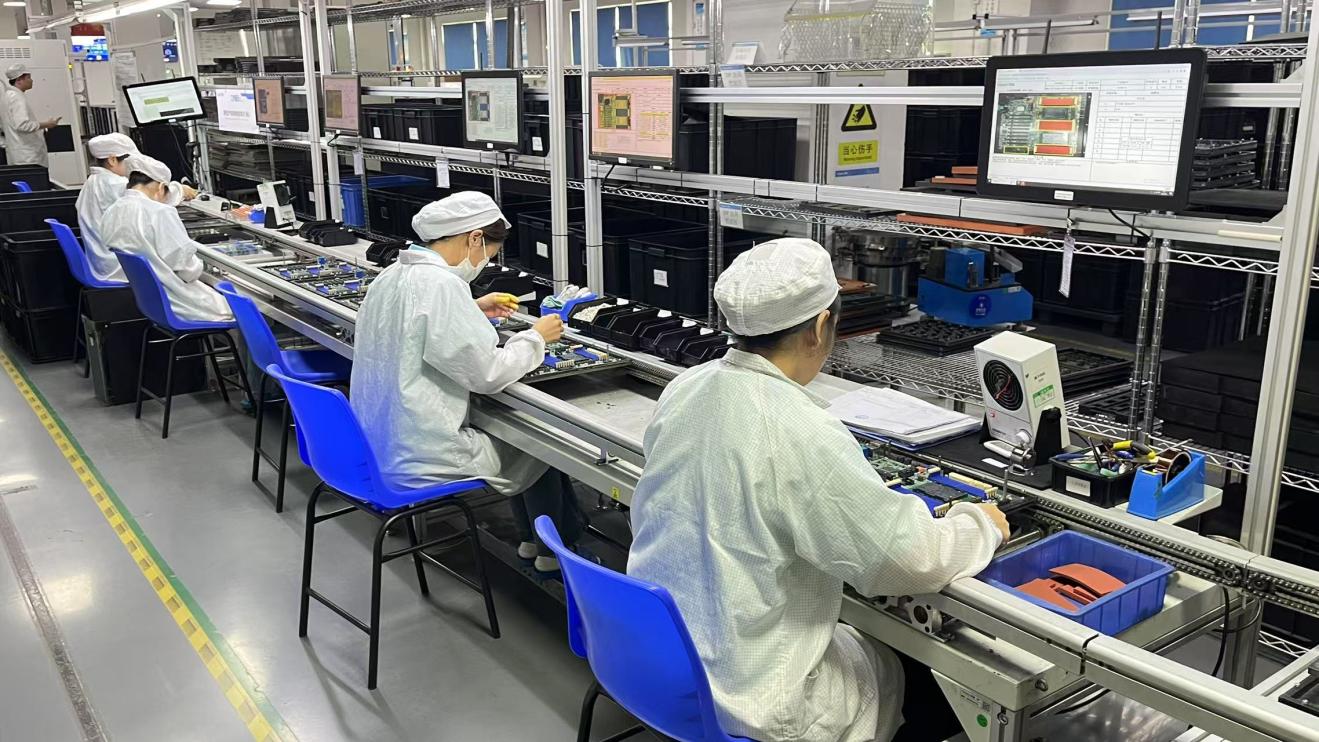
Operating from Shenzhen and Dongguan's elite electronics clusters, Corexis' facility coordinates advanced SMT placement, component sourcing, and circuit board manufacturing. Our ecosystem provides two distinct strategic advantages to our international clientele:
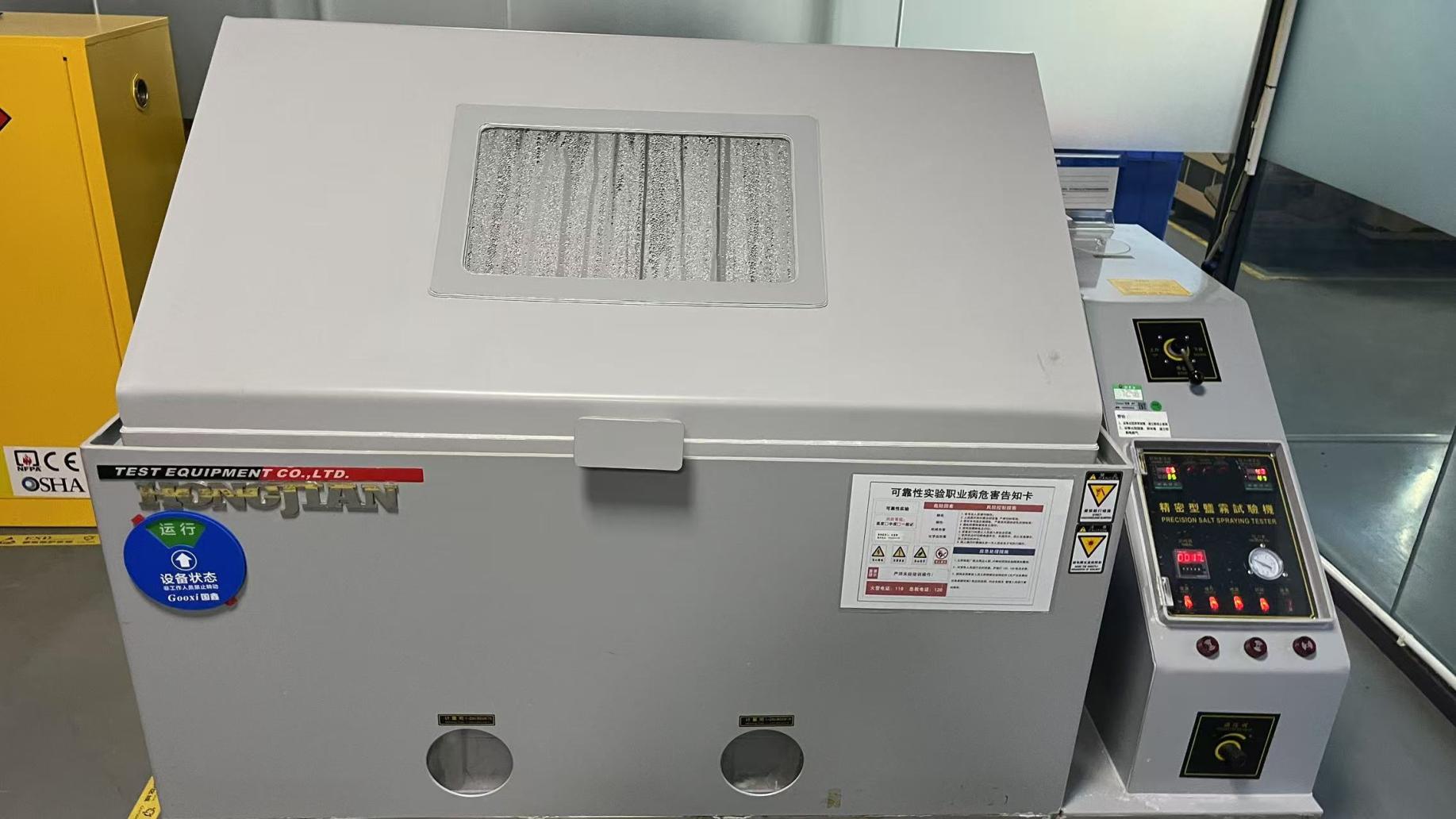
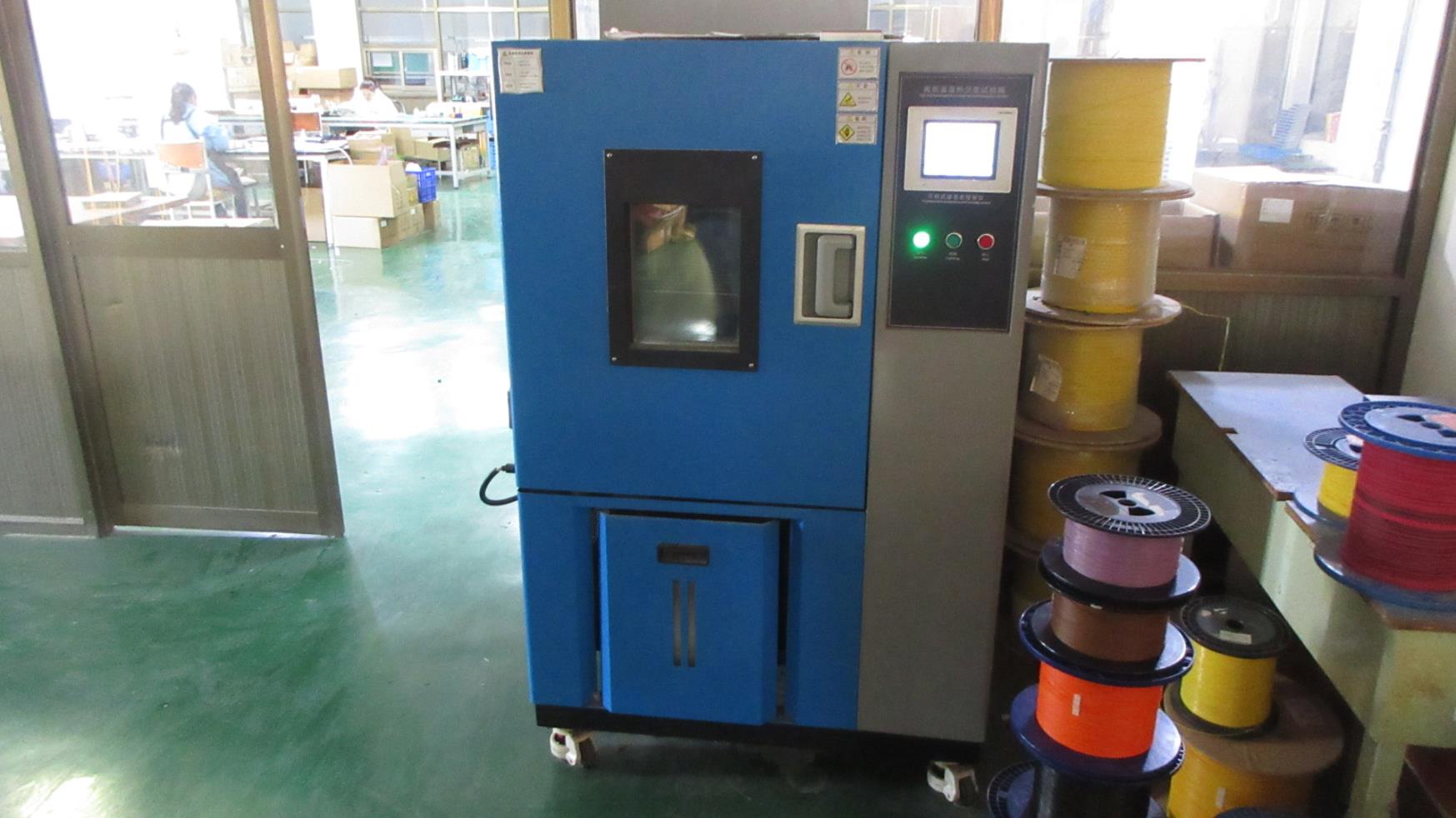
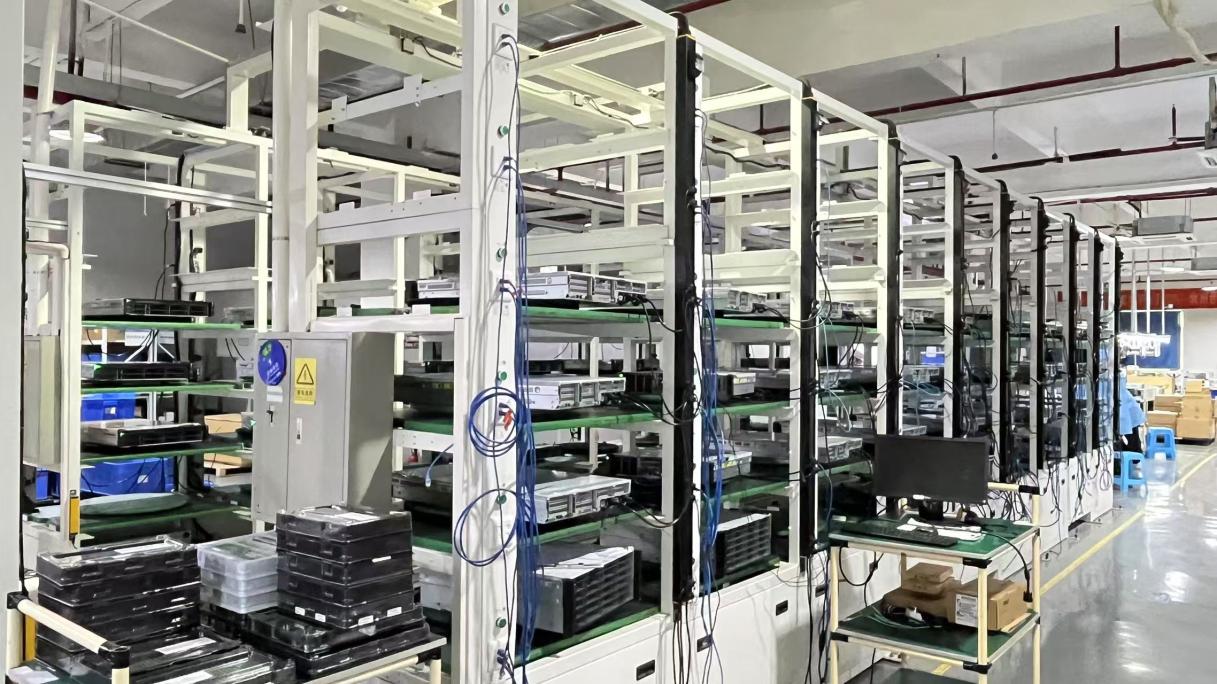
We believe reliability is engineered, not inspected. However, to guarantee zero-defect shipments, we implement five distinct inspection gates across our production lines:
By securing direct, volume-scale contracts with premium copper laminate, chemical coating, and global IC semiconductor vendors (including Samsung, SK Hynix, and Micron for our memory lines), we insulate our clients from market shortages and price spikes. Whether you need rapid prototype turnarounds (24-48 hours for raw PCB, 5 days for PCBA) or volume rollouts (50,000+ units monthly), our logistics network provides predictable lead times and reliable capacity.
Entering international consumer, medical, and industrial electronics markets requires compliance with strict safety and environmental frameworks. Corexis ensures all designs, raw materials, and assemblies comply with international safety directives:
All PCB laminates and dielectrics conform to Underwriters Laboratories flame-retardant standards, ensuring zero combustion propagation under extreme current overloads.
We operate dedicated Lead-Free (Pb-free) SMT lines. All coatings, solders, and substrates are free of hazardous substances like heavy metals and phthalates.
We construct and assemble modules to IPC-A-600 and IPC-A-610 Class 2 standards as default, with capability for Class 3 high-reliability medical/automotive standards.
Aluminum PCBs feature dramatically higher thermal conductivity (typically 1.0 to 5.0 W/m-K) compared to traditional FR4 (0.2 W/m-K). This allows heat generated by high-power LED dies to transfer rapidly to the aluminum plate and associated heat sinks, preventing junction temperature failures and maintaining luminosity.
We supply custom super-white, high-reflectivity (over 90-95%) gloss and matte solder masks designed specifically for LED applications. These masks reflect ambient light, prevent yellowing under long-term UV-A/B light exposure, and optimize luminescent efficiency.
Yes. We specialize in single-layer, dual-layer, and multi-layer MCPCBs with plated-through-holes (PTH) connecting copper traces on both sides of the dielectric core. We also manufacture standard multi-layer FR4 boards utilizing filled thermal vias for targeted heat dissipation paths.
Our memory and computation boards (such as DDR4, DDR5, and RK3588S processing boards) are simulated in high-frequency CAD environments prior to production. Impedance traces are controlled within +/-5% tolerances, and all modules undergo physical burn-in testing and comprehensive thermal chamber testing.
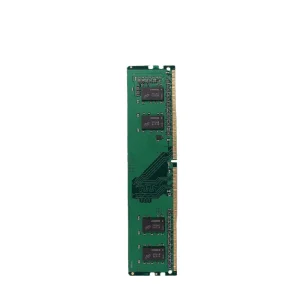
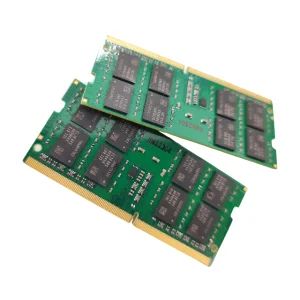
Discover our high-capacity server memory, low-latency DDR4/DDR5 kits, and specialized controller platforms built for modern enterprise computing environments.
 Corexis Memory