Understanding DDR5 Memory Speed Tips for Buyers?

Time:2026-07-18 Author:Liam
0%

In the ever-evolving landscape of computer memory, DDR5 emerges as a game-changer. Understanding DDR5 memory speed explained will help potential buyers navigate this advanced technology. With increased bandwidth and lower power consumption, DDR5 is designed for high-performance computing. Users can expect faster data transfer rates, which significantly enhance multitasking and gaming experiences.

However, the intricacies of DDR5 may confuse some. With multiple speed ratings available, it’s important to grasp how these affect overall system performance. Buyers often overlook factors like latency and compatibility. Ignoring such details might lead to suboptimal choices. Let’s face it, the allure of speed can distract from essential considerations.

Understanding the real-world implications of DDR5 memory speed is key. It can determine software responsiveness and gaming frame rates. A careful evaluation of requirements versus capabilities is crucial. As technology evolves, staying informed will empower users to select the right memory for their needs. Balancing speed with reliability can make all the difference in your computing experience.
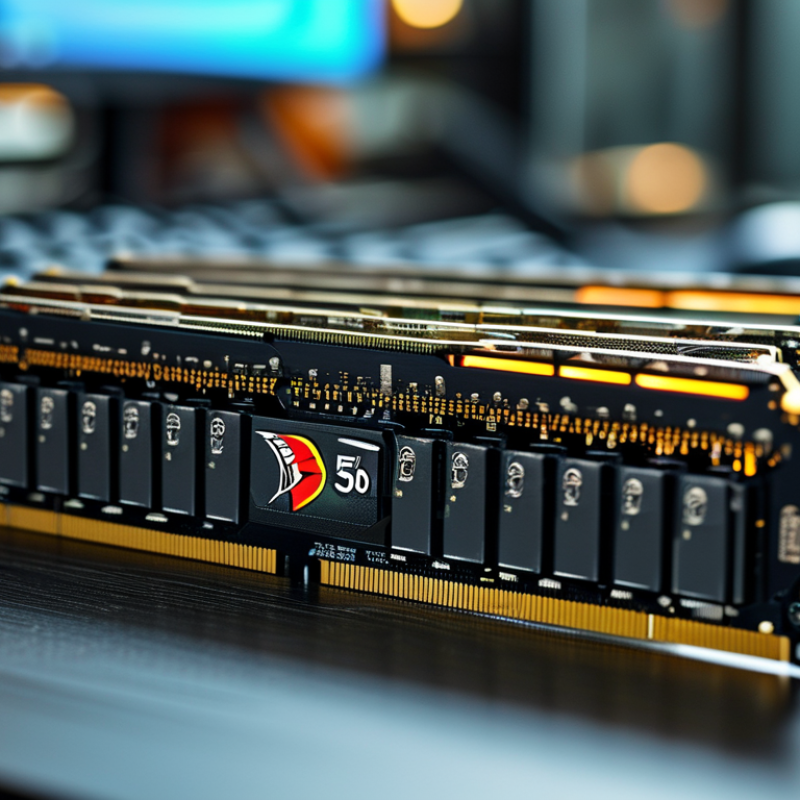
Understanding DDR5 Memory Speed Tips for Buyers?

Understanding DDR5 Memory Specifications and Their Impact on Performance

When considering DDR5 memory, understanding its specifications is crucial for performance. DDR5 offers double the bandwidth of its predecessor, enabling faster data rates. This increase directly impacts tasks requiring high memory throughput, such as gaming and video editing. Enhanced speed is beneficial, but only if the rest of your system supports it effectively.

Another vital specification is the CAS latency. Lower latency numbers mean quicker data access. However, buyers often overlook this aspect, focusing solely on speed. Balancing high speeds with appropriate latency can yield the best performance. It's crucial to consider the motherboard compatibility as well. Some motherboards may not fully support DDR5 speeds, limiting the potential benefits.

While higher frequencies sound attractive, they may not always translate to noticeable improvements in certain applications. Users might expect a significant boost, but in daily tasks, the enhancements can sometimes feel minimal. Evaluating specific use cases enables more informed decisions about the right DDR5 for your needs.

Key Factors Influencing DDR5 Memory Speed: Frequency and Latency Explained

When considering DDR5 memory, frequency and latency are two critical factors. Frequency, measured in megahertz (MHz), indicates how many cycles of data transfer occur per second. A higher frequency often results in better performance. For example, DDR5 can achieve frequencies starting from 4800 MHz, significantly outperforming its predecessor, DDR4, which tops out around 3200 MHz. Recent industry reports suggest that higher frequencies can improve gaming performance and reduce load times for demanding applications.

Latency, on the other hand, is the delay before data transfers begin. It's usually measured in nanoseconds and is referred to as CAS latency (CL). DDR5 typically has higher latency than DDR4, meaning there can be delays before data is retrieved. An example being, while DDR4 might exhibit CL16, DDR5 could start around CL40. This apparent trade-off leads to a nuanced understanding; faster frequencies do not always mean better real-world performance if latency is too high.

For buyers, balancing these two factors is essential. A high-frequency DDR5 module with high latency may not outperform a lower frequency module with faster access times. Therefore, potential buyers need to assess their specific use cases and workloads. Combining empirical data and real-life experiences will guide better purchasing decisions in the evolving landscape of memory technology.

Comparative Analysis of DDR4 vs. DDR5: Speed, Bandwidth, and Pricing

DDR5 memory represents a significant leap from DDR4. It offers improved speed and bandwidth. The new architecture provides better performance for gaming and professional applications. DDR5 starts at 4800 MT/s, while DDR4 tops at around 3200 MT/s. This vast difference is crucial for tasks that require high data transfer rates.

When considering an upgrade, it’s essential to think about compatibility. Not all motherboards support DDR5 yet. Research your system's specifications carefully to avoid buying incompatible hardware. Conducting a quick search can save you time and money.

For potential buyers, here's a tip: consider your usage needs. High-speed memory may not be necessary for basic tasks. However, if you're into video editing or gaming, DDR5 can significantly enhance performance. Always balance your budget against the performance benefits. Upgrading may lead to diminishing returns if your other components can't keep up. Understanding these aspects can lead to a more informed decision on which memory to choose.

Optimal DDR5 Configurations for Gaming and High-Performance Computing

When selecting DDR5 memory for gaming and high-performance computing, configurations matter significantly. Aiming for higher speeds can enhance responsiveness and frame rates. However, achieving optimal performance requires a careful balance between capacity and speed. Many users overlook the importance of dual-channel configurations. These can double the data paths, leading to noticeable improvements in system responsiveness.

Latency is another critical factor that often gets neglected. While faster speeds are attractive, they can lead to increased latency. Users need to consider both speed and CAS latency for their specific workloads. It’s essential to test different configurations. Trying various speeds and timings can help in finding the best fit for individual use cases.

Utilizing memory benchmarking tools can provide valuable insights. These tools can analyze performance under various loads. However, results may differ due to unique hardware combinations. Users should not assume what works for one setup will work for another. In this evolving landscape, staying informed about advancements in DDR5 standards helps in making educated choices.

Future Trends in DDR5 Memory Development and Expected Speed Enhancements

DDR5 memory is set to revolutionize the computing landscape with its speed enhancements and efficiency. Future trends indicate a move towards even higher bandwidths. Current DDR5 speeds reach up to 8400 MT/s, a significant leap from DDR4. Developers are focusing on optimizing this technology further. The introduction of improved power management and efficiency plays a crucial role in these advancements.

Additionally, potential capacity increases are on the horizon. Users may soon see modules hosting up to 64GB each. This change is aimed at accommodating more demanding applications, such as gaming and data analytics. However, not all systems will support these developments immediately. Buyers will need to assess compatibility carefully. Some may find early adoption challenging due to hardware limitations.

Future enhancements may also delve into thermal management solutions. Efficient heat dissipation will ensure stable performance during extended use. Users might need to invest in better cooling systems as speeds rise. These developments signal a promising evolution in memory technology, yet they carry considerations for the average buyer. Keeping informed about these trends will be essential in making sound decisions.

FAQS

: What are the main factors affecting DDR5 memory speed?

: Frequency and latency are the critical factors. Frequency indicates cycles per second, while latency shows the delay before data transfers.

How does frequency impact performance?

Higher frequency usually results in better performance. DDR5 starts at 4800 MHz, outperforming DDR4's max of 3200 MHz.

What does latency mean in DDR5 memory?

Latency, measured in nanoseconds, refers to the delay before data retrieval. Higher latency means longer wait times for data.

Is high frequency always better?

Not necessarily. High frequency with high latency may underperform compared to lower frequency with faster access times.

Should I consider compatibility when upgrading to DDR5?

Yes, not all motherboards support DDR5. Research your system's specifications to avoid purchasing incompatible hardware.

How important is dual-channel configuration?

It's very important. Dual-channel can double data paths, improving system responsiveness and overall performance significantly.

What role does latency play in gaming performance?

Latency can affect responsiveness. Higher speeds may increase latency, so consider both factors for optimal gaming performance.

How can I test different DDR5 configurations?

Utilizing memory benchmarking tools can help analyze performance. Testing various speeds and timings can identify the best fit for your needs.

Are there diminishing returns in upgrading memory?

Yes, if other components can’t keep up, high-speed memory may not significantly improve performance for basic tasks.

What should I do before choosing DDR5 memory?

Consider your usage needs and balance your budget against performance benefits. Make informed decisions based on your specific workload.

Conclusion

Understanding DDR5 memory speed is crucial for buyers looking to optimize their computing experience. DDR5 memory specifications significantly impact performance, with key factors like frequency and latency playing vital roles. Notably, DDR5 memory speed explained highlights the advantages over its predecessor, DDR4, particularly in terms of speed, bandwidth, and pricing, making it a compelling choice for gamers and high-performance computing enthusiasts.

As technology evolves, optimal DDR5 configurations can enhance gaming and computational tasks, ensuring users maximize their systems' potential. Future trends in DDR5 development point toward even greater speed enhancements, promising to further elevate performance benchmarks in computing. Buyers should stay informed about these advancements to make educated decisions when investing in memory solutions.

Liam

Liam

Liam is a dedicated marketing professional with a profound expertise in the industry, where he excels at highlighting the unique advantages of our core products. With a keen understanding of market trends and consumer needs, Liam frequently updates our company’s professional blog, providing......