DDR5 vs DDR4 Comparison Which Memory Should You Choose in 2026

Time:2026-07-09 Author:Liam
0%

As we look ahead to 2026, the DDR5 vs DDR4 comparison becomes increasingly relevant. The evolution of memory technology drives innovation in computing. DDR5 offers significant improvements, but so does its predecessor.

Understanding the differences is crucial for consumers and technologists alike. DDR5 promises faster speeds and improved power efficiency. It caters to future gaming and demanding applications. Yet, DDR4 remains a reliable standard for many systems. Some users may question if they need the latest technology.

While upgrading to DDR5 can enhance performance, it may not be necessary for everyone. Evaluating your specific needs is essential. A thoughtful approach ensures you choose the right memory without overspending. Ultimately, the decision should be informed by how you plan to use your device. Engaging in the DDR5 vs DDR4 comparison means weighing benefits against cost, making choices that matter.
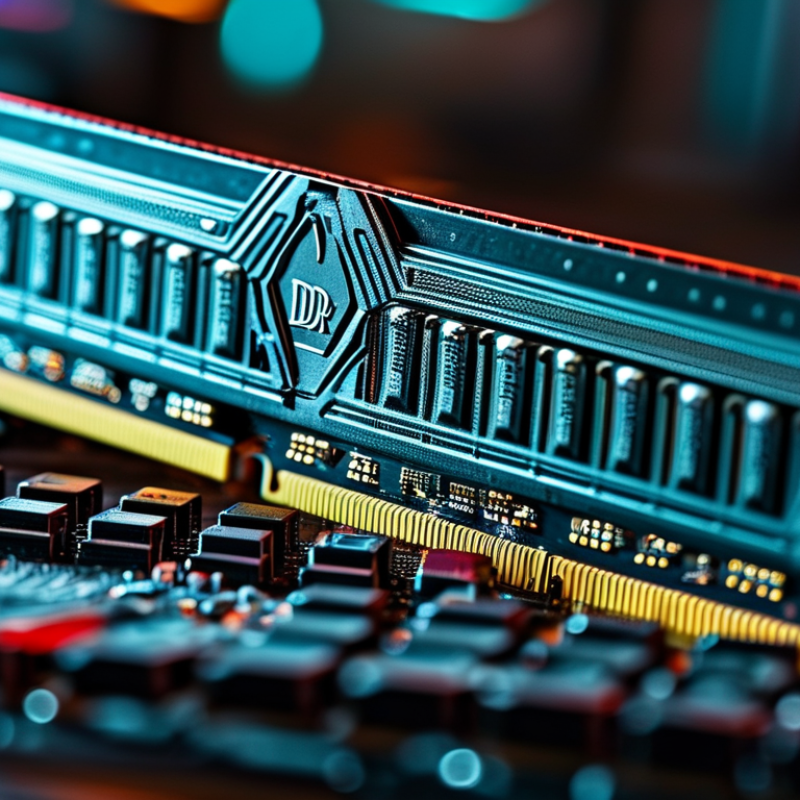
DDR5 vs DDR4 Comparison Which Memory Should You Choose in 2026

DDR4 and DDR5: A Brief Introduction to Memory Generations

The advancements in memory technologies are pivotal in the computing landscape. DDR4 and DDR5 represent significant milestones. DDR4, introduced in 2014, has become a standard for performance and reliability. It offers speeds from 1600 MT/s to 3200 MT/s, catering to most computing needs. Meanwhile, DDR5 emerged in 2020. It promises even faster speeds, starting at 4800 MT/s, with plans to exceed 8400 MT/s in the future. This leap is essential for demanding applications like gaming and data science.

The transition is not just about speed. DDR5 brings improved efficiency. Reports show DDR5 can increase overall system performance by 30% compared to DDR4. It also supports larger capacities, allowing up to 128GB per module instead of DDR4’s 64GB. This enhancement is crucial for users who run intensive applications. However, upgrading to DDR5 will require compatible motherboards. This factor can complicate the overall decision for many consumers.

Tips:
Consider your usage needs first. If gaming or professional applications are your focus, DDR5 might be the better choice. If you're on a budget and use less demanding software, DDR4 remains a solid option. Remember, not every user needs the latest technology—evaluate your requirements carefully.

Key Differences Between DDR4 and DDR5 Memory Technologies

When comparing DDR4 and DDR5 memory technologies, it's essential to examine their key differences. DDR5 offers significantly higher bandwidth. Specifically, DDR5 can deliver up to 6400 MT/s, compared to DDR4's maximum of 3200 MT/s. This growth can enhance gaming and professional workloads, making multitasking more efficient.

Latency is another point of consideration. DDR5 introduces On-die ECC (Error-Correcting Code), which enhances reliability but can add latency. Reports indicate DDR5's latency could be around 15-20ns, while DDR4 typically sees figures closer to 10-15ns. Users looking for raw speed might prefer DDR4 for lower latency tasks.

Power efficiency also differs. DDR5 reduces voltage requirements to 1.1V from DDR4's 1.2V, which could impact battery life positively in laptops. Still, higher capacity options in DDR5 may not be fully utilized in all applications. Data suggests DDR5's larger capacities, starting from 8GB and reaching 64GB or more, may not be necessary for all users. It's worth reflecting on your actual needs before making a choice, as upgrading memory can be a significant investment.

Performance Benchmarks: DDR5 vs DDR4 in Real-World Applications

When considering memory types in 2026, the differences between DDR5 and DDR4 are noteworthy. DDR5 offers significant performance improvements, particularly in bandwidth and latency. In various benchmarks, DDR5 modules can achieve speeds exceeding 8400 MT/s, while DDR4 typically maxes out around 3200 MT/s. This increased bandwidth can enhance tasks like 3D rendering and video editing, allowing for smoother workflows.

Real-world applications show DDR5's advantage in gaming as well. Tests indicate that games utilizing DDR5 perform better in demanding scenarios. Frame rates are noticeably higher, especially at 4K resolutions. However, the actual performance difference can be minimal if your CPU or GPU bottlenecks the system. It's important to analyze your specific use case.

Tips: If you opt for DDR5, ensure your motherboard supports it. Upgrading to DDR5 without compatible hardware won't yield results. Also, consider your workload; high-end tasks benefit greatly from DDR5, while everyday applications might not. Investing in DDR5 may seem appealing, but evaluating your current needs is essential.

Compatibility Considerations: Motherboards and Systems for DDR4/DDR5

When considering DDR4 and DDR5 memory in 2026, compatibility plays a vital role. Many users will find that their existing motherboards only support DDR4. Upgrading to DDR5 often requires a new motherboard that explicitly lists DDR5 support. This can significantly impact decision-making, especially for budget-conscious users.

Motherboard designs are evolving, but not all are created equal. Some don't facilitate easy upgrades. Users need to check the specifications carefully. It is also essential to consider whether the current system's components will handle DDR5's increased speeds and power requirements. Compatibility challenges often arise with mixed memory types, which can lead to underperformance or instability.

Purchasing DDR5 could seem enticing due to its speed advantages. However, if the system isn’t compatible, it’s a wasted investment. Understanding which components are upgradeable is key. Users might face a dilemma: stick with reliable DDR4 or invest in new technologies that could demand additional upgrades. Always weigh these factors before making a decision.

Cost Analysis: Budgeting for DDR4 or DDR5 in 2026

As we approach 2026, choosing between DDR4 and DDR5 memory becomes crucial. With increasing performance demands, considering cost is essential. DDR4 offers cost-effective solutions for budget builds. Prices will likely remain lower than DDR5, making it attractive for cost-conscious consumers. However, DDR5 promises significant speed improvements and efficiency, which may justify its higher price.

Tips: Assess your needs. If you're into gaming or heavy multitasking, DDR5 may be worth the investment. For basic tasks or older systems, DDR4 suffices. It’s vital to examine the price trends and availability before making a decision. Remember, memory prices can fluctuate.

While DDR5 brings advanced features, its adoption could vary. It may not be the best choice for everyone in 2026. You may find that sticking with DDR4 saves money while meeting your requirements. Always compare performance metrics and consider future-proofing before purchasing. Balancing cost and performance should guide your final choice.

FAQS

: What are the main differences between DDR4 and DDR5?

: DDR5 offers faster speeds and more efficiency than DDR4. It starts at 4800 MT/s, compared to DDR4's maximum of 3200 MT/s.

Is DDR5 worth the upgrade?

If you run demanding applications like gaming or data science, DDR5 may be beneficial. However, consider your specific needs.

Can DDR5 modules fit into DDR4 motherboards?

No, DDR5 requires compatible motherboards. Upgrading without compatible hardware won't improve performance.

What performance gains can I expect with DDR5?

DDR5 can boost overall system performance by about 30%. This is significant for intensive applications.

What is the maximum capacity of DDR4 compared to DDR5?

DDR4 supports up to 64GB per module, while DDR5 can go up to 128GB per module, enhancing memory capabilities.

Will all users benefit from DDR5?

Not necessarily. If you use less demanding software, DDR4 may still be enough. Evaluate your usage carefully.

Are there any potential downsides to upgrading to DDR5?

Yes, upgrading can be costly, and not all applications will utilize DDR5's advantages. It's worth reflecting before deciding.

How does DDR5 perform in gaming scenarios?

DDR5 shows improved frame rates in demanding games. However, performance might not be noticeable if other components bottleneck.

What should I consider before choosing between DDR4 and DDR5?

Assess your budget, workload, and whether your motherboard supports DDR5. Not everyone needs the latest technology.

Conclusion

In the article titled "DDR5 vs DDR4 Comparison Which Memory Should You Choose in 2026," we explore the evolution of memory technology, focusing on the differences between DDR4 and DDR5. The discussion begins with a brief introduction to these two generations of memory, highlighting the significant advances in DDR5 that promise improved performance. Key differences include speed, bandwidth, and energy efficiency, which are vital for demanding applications in gaming and professional fields.

Next, we look at performance benchmarks that illustrate how DDR5 outperforms DDR4 in real-world scenarios, making it an attractive option for future-proofing your system. However, compatibility is crucial, as not all motherboards support the newer DDR5 technology. Finally, we consider the cost implications in budgeting for either option in 2026, ensuring that users can make informed decisions based on their needs and financial planning. This DDR5 vs DDR4 comparison serves as a comprehensive guide for anyone looking to upgrade their computer memory.

Liam

Liam

Liam is a dedicated marketing professional with a profound expertise in the industry, where he excels at highlighting the unique advantages of our core products. With a keen understanding of market trends and consumer needs, Liam frequently updates our company’s professional blog, providing......