In the rapidly evolving tech landscape, enhancing server performance is crucial for businesses. One significant advancement is the adoption of DDR5 technology. Experts agree that DDR5 for server performance represents a substantial leap forward. Renowned industry expert Dr. Michael Bradshaw states, “DDR5 unleashes unparalleled bandwidth, enabling servers to handle more demanding tasks efficiently.”
Unlike its predecessors, DDR5 provides increased speed and efficiency. This improvement translates directly to enhanced server capabilities. Today’s data-centric applications require swift data processing. With DDR5, servers can achieve higher throughput and improved latency. This can be particularly beneficial for enterprises engaged in cloud computing and heavy data analytics.
However, merely integrating DDR5 is not enough. Organizations must assess their entire server architecture. Each component should align to fully leverage DDR5’s advantages. Opportunities for improvement exist, and reflections on current infrastructure are essential. As we look forward, the exploration of DDR5 for server performance remains an exciting challenge for IT professionals.
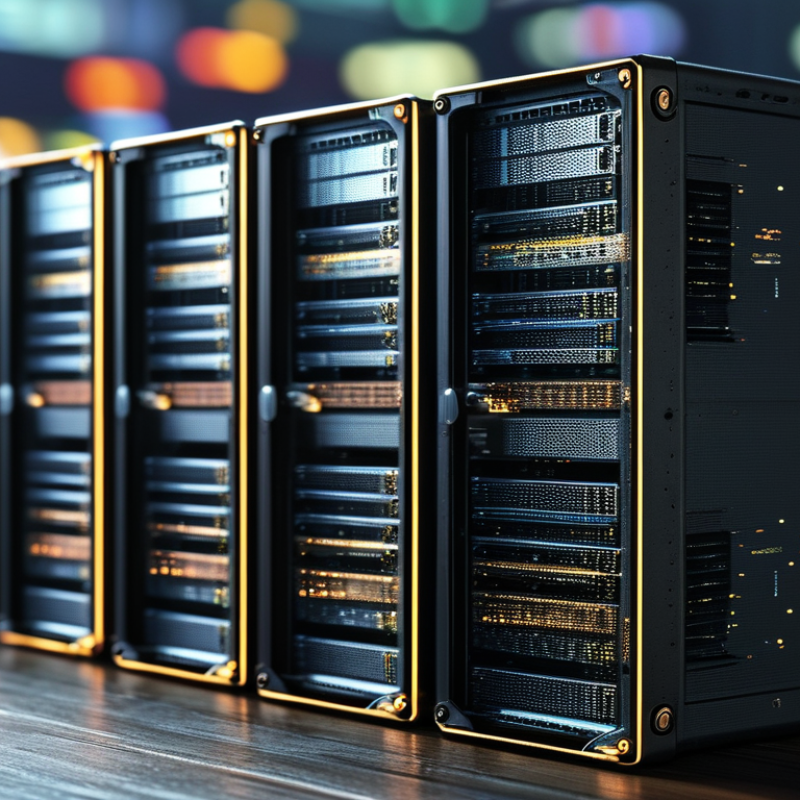
DDR5 technology represents a significant leap forward in memory performance for servers. With bandwidth improvements reaching up to 6400 MT/s, DDR5 allows for faster data transfer rates. This advancement is essential for data-intensive applications. In modern data centers, every millisecond counts. The increase in bandwidth directly translates to enhanced server responsiveness.
The efficiency of DDR5 extends beyond speed. This technology supports larger capacities, with modules reaching 128 GB and beyond, making it ideal for virtualization and heavy workloads. However, implementing DDR5 might require a reevaluation of existing hardware compatibility. Transitioning to DDR5 could necessitate new motherboards and processors, which may incur additional costs and time.
Adoption rates of DDR5 have been rising steadily. A recent industry report notes that by 2025, over 30% of servers are expected to utilize DDR5. This shift emphasizes the growing reliance on improved memory solutions for competitiveness. Yet, organizations must consider the training and support needed to optimize performance in their existing environments. Embracing innovation always comes with challenges, and assessment is vital.
DDR5 memory technology brings significant advancements that can enhance server performance. One of its key features is the increased bandwidth. DDR5 provides up to 8400 MT/s, nearly double that of its predecessor. This higher data transfer rate allows servers to handle more simultaneous operations. As a result, workloads can be processed quicker, improving overall efficiency.
Another intriguing aspect of DDR5 is its enhanced efficiency. With a lower voltage of 1.1V compared to DDR4’s 1.2V, servers consume less power while delivering superior performance. This reduction in power consumption can lead to significant energy cost savings over time. However, this shift can sometimes pose integration challenges for existing systems. Transitioning to DDR5 may require upgrades in infrastructure to fully utilize its advantages.
Furthermore, DDR5 includes features like on-die ECC (Error Correction Code). This technology improves data integrity, reducing the risk of errors during transmission. Reliable data management is crucial, especially in critical server applications. Nonetheless, the reliance on advanced memory architectures may lead to complexity in server design. Balancing innovation with practicality remains a challenge in adopting DDR5.
When comparing DDR4 and DDR5 for server applications, key differences emerge. DDR5 offers significant improvements in speed and bandwidth. According to recent industry reports, DDR5 can provide speeds up to 8400 MT/s, while DDR4 tops out around 3200 MT/s. This enhanced speed can drastically reduce latency, making data processing more efficient.
Moreover, DDR5 is designed to handle increased memory capacities. It allows for larger memory modules, which can support up to 64GB per stick, compared to DDR4’s 16GB limit. This increase is particularly beneficial for memory-intensive applications often found in server environments. However, it is crucial to acknowledge that implementing DDR5 requires servers to be compatible with this newer technology, which can pose challenges for existing infrastructures.
Power efficiency is another aspect where DDR5 shows promise. It operates at a lower voltage of 1.1V, compared to DDR4’s 1.2V, potentially reducing overall power consumption. However, the potential drawbacks include the transition costs and the need for hardware upgrades. Server administrators must weigh these factors carefully. Balancing performance gains with budget constraints can be complex, leading to varied adoption rates across different organizations.
Integrating DDR5 technology into existing server systems can significantly boost performance. The bandwidth of DDR5 reaches up to 6400 MT/s, compared to DDR4's maximum of 3200 MT/s. This means higher throughput for data-intensive applications, essential for modern workloads. According to industry reports, substantial improvements in database processing speeds are achievable with DDR5. Testing indicates up to 20% performance gains in high-traffic environments.
However, implementing DDR5 isn't without challenges. Server board compatibility is a critical concern. Many older server architectures may require complete overhauls. Upgrading RAM alone may not suffice. Recent surveys show that nearly 40% of IT managers face compatibility issues when upgrading their systems. This complicates the integration process.
Properly configuring memory channels is equally vital. DDR5 allows for up to 16 banks, double the amount of DDR4. Each bank can be activated independently. This requires meticulous attention during setup and tuning. The learning curve can be steep for technicians accustomed to previous generations. Moreover, organizations should consider training and knowledge sharing to address this gap effectively. The integration process involves both hardware and software adjustments, demanding an organized strategy.
Monitoring DDR5 performance in server environments is critical for optimizing operations. Studies show that DDR5 can offer up to 30% higher bandwidth compared to its predecessor. This improvement directly impacts data transfer rates and system responsiveness. However, to reap these benefits, administrators must implement proper monitoring systems. Tools that track latency and memory utilization can highlight potential bottlenecks.
Real-world implementations reveal challenges in maximizing DDR5 effectiveness. One such issue is overclocking, which can yield diminishing returns. While pushing speeds can enhance performance, it risks system instability. According to recent reports, nearly 20% of IT professionals encounter issues with overclocked memory modules. Thus, careful calibration and testing are essential.
Optimizing server workloads also plays a pivotal role. Adjusting memory configurations can lead to substantial performance gains. Custom profiles based on workload types can enhance throughput. Yet, without regular assessments, teams may overlook critical performance metrics. Reports suggest that nearly 30% of servers are underutilized due to improper memory optimization. Continual performance analysis should be a cornerstone of server management strategies.
This chart compares the performance metrics of DDR4 and DDR5 technologies in server environments. DDR5 shows notable improvements in latency and bandwidth while maintaining lower power consumption, although it comes at a slightly higher price per GB.
: DDR5 technology enhances server memory performance. It increases bandwidth, which improves data transfer rates.
DDR5 can reach bandwidths of up to 6400 MT/s. This is significantly faster than DDR4's 3200 MT/s maximum.
DDR5 supports larger memory modules, enabling up to 128 GB per module. This is beneficial for heavy workloads.
Yes, transitioning to DDR5 may need new motherboards and processors. Existing hardware compatibility should be reevaluated.
DDR5 provides faster speeds and handles larger memory capacities. It reduces latency, improving data processing efficiency.
DDR5 operates at a lower voltage of 1.1V, which may reduce overall power consumption compared to DDR4.
Organizations must consider training for staff. Many face compatibility challenges during DDR5 integration.
Properly configuring memory channels is vital. DDR5 supports more banks, requiring careful setup and tuning.
Transition costs and hardware upgrades can be significant. Balancing these factors with performance gains is tricky.
There's a learning curve for technicians. Familiarity with previous generations may not apply directly to DDR5 setup.
The article "How to Enhance Server Performance with DDR5 Technology?" explores the transformative capabilities of DDR5 technology in optimizing server performance. It begins by discussing the fundamental principles and advantages of DDR5, highlighting how its advanced architecture significantly boosts server efficiency. Key features such as increased bandwidth, lower power consumption, and improved data integrity are analyzed in detail, emphasizing their impact on overall server operations.
Additionally, a comparative analysis between DDR4 and DDR5 for server applications reveals the substantial improvements DDR5 offers, making it a compelling choice for modern data centers. Implementation strategies are provided to effectively integrate DDR5 into existing server systems, ensuring a smooth transition while maximizing performance gains. Finally, the article underscores the importance of monitoring and optimizing DDR5 performance in server environments, ultimately showcasing DDR5 for server performance as a pivotal advancement in technology for elevating computational power and resource management.

Corexis Memory