In the realm of computing, memory performance plays a crucial role. As technology advances, DDR5 memory emerges as a leader. This DDR5 memory guide aims to illuminate why it's vital for your next upgrade. According to industry reports, DDR5 offers double the bandwidth of its predecessor, DDR4. This increased speed means tasks are completed faster, enhancing overall efficiency.
Moreover, DDR5 memory's improved power management is noteworthy. Reports indicate that it operates at a lower voltage, which can save energy in the long run. Yet, some may ponder whether this upgrade is necessary. Budget constraints often influence such decisions, requiring careful consideration.
When assessing an upgrade, it's vital to balance cost and performance. DDR5 is undeniably powerful but may not suit every user. This memory guide will help navigate these choices, ensuring that readers make informed decisions aligned with their needs and budgets.
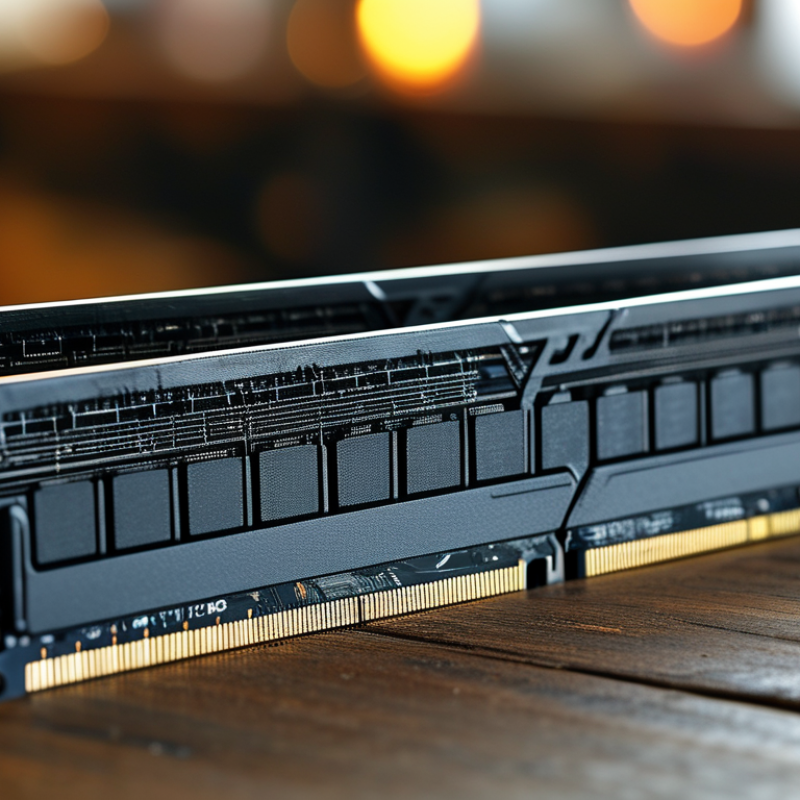
Upgrading to DDR5 memory offers significant advantages over previous generations. One of the most notable benefits is the increased data transfer rate. DDR5 can reach speeds up to 8400 MT/s, nearly double that of DDR4. This boost translates to faster loading times and improved performance in demanding applications, such as gaming and video editing.
Another key benefit is improved power efficiency. DDR5 operates at a lower voltage, which not only saves energy but also helps reduce heat output. This can be particularly important for laptops and compact systems where cooling is a concern. However, it’s essential to note that not all motherboards support DDR5, so compatibility checks are necessary before upgrading.
Additionally, DDR5 architecture includes features like on-die ECC for error correction, enhancing reliability. It’s designed to handle increased memory capacity, allowing users to install larger modules. While these improvements are appealing, pricing may still be higher compared to older generations. Users should weigh the performance benefits against their budget constraints. Upgrading to DDR5 could be a smart choice for those seeking future-proofing in their systems.
When considering an upgrade, DDR5 memory stands out for its impactful features. One major element is its increased bandwidth. DDR5 offers up to 4800 MT/s, compared to 3200 MT/s of DDR4. This higher speed translates to improved performance in demanding applications. Reports from memory industry analysts indicate that systems using DDR5 can experience a performance boost of 20-30% in data-intensive tasks.
Another noteworthy feature is enhanced efficiency. DDR5 has improved power management, allowing for reduced voltage requirements. It operates at 1.1V, compared to DDR4's 1.2V. This reduction lowers power consumption, which is crucial for laptops and other portable devices. This efficiency benefits gaming and multimedia applications where battery life is essential.
Additionally, DDR5 supports higher capacity modules. While DDR4 typically maxes out at 32GB per stick, DDR5 can accommodate 64GB and beyond. This enables users to run more applications simultaneously without experiencing slowdowns. Experts argue this capacity is vital as modern software continues to demand more memory. Upgrading to DDR5 is not just a trend; it's a necessary evolution in meeting future performance needs.
DDR5 memory offers significant improvements over its predecessor, DDR4, making it an appealing choice for upgrades. The following chart illustrates key features and performance metrics that highlight the advantages of DDR5 memory.
Choosing DDR5 memory for your next upgrade requires careful consideration of compatibility. Not all motherboards support DDR5. According to a recent report by DRAMeXchange, only 30% of motherboards on the market currently support DDR5. This means that users must confirm their motherboard specifications before making a purchase.
DDR5 brings higher speeds and better performance. However, older systems designed for DDR4 won't benefit from these advancements. It’s easy to assume an upgrade is straightforward, but many users overlook their CPU capabilities. A study from TechInsights indicates that not all processors are optimized for DDR5. Users must check if their CPU can harness DDR5’s capabilities effectively. If not, performance gains could be minimal.
Furthermore, mixing different RAM types can lead to instability. Using DDR5 in a DDR4 system will not only fail but could also lead to frustration during installation. Incompatibility may result in the system refusing to boot. Users should utilize RAM compatibility checkers available online to avoid potential pitfalls. Research shows that 15% of users encounter issues due to compatibility oversights in system upgrades. Understanding these aspects is crucial for a seamless upgrade experience.
| Dimension | Value |
|---|---|
| Memory Type | DDR5 |
| Data Rate | 4800 MT/s to 8400 MT/s |
| Maximum Bandwidth | 76.8 GB/s to 134.4 GB/s |
| Channel Configuration | Dual Channel / Quad Channel |
| Power Consumption | 1.1V (Standard) |
| Latency | CL30 - CL40 (varies by speed) |
| Compatibility | Intel 12th Gen (Alder Lake) and AMD Zen 4 |
| Form Factor | DIMM / SO-DIMM |
DDR5 memory technology offers significant performance enhancements for modern computing needs. It doubles the data rate of its predecessor, DDR4. This results in improved bandwidth, reaching speeds of 4800 MT/s and beyond. With higher bandwidth, multitasking becomes smoother, and applications respond faster.
The increased density of DDR5 also plays a crucial role. Users can access larger amounts of RAM, allowing for better performance in memory-intensive applications. Gaming and content creation benefit greatly from this. Yet, some may find upgrading challenging due to compatibility issues. Not all motherboards support DDR5, which requires careful consideration before making a purchase.
Efficient power management is another advantage of DDR5. With on-die ECC, it reduces errors and increases stability. However, transitioning to this new memory standard can feel daunting, especially for novice users. Understanding the benefits can help in making an informed decision. Embracing DDR5 memory technology might involve facing some learning curves, but the potential performance enhancements are compelling.
Upgrading to DDR5 memory can significantly impact gaming and overall system performance. DDR5 offers higher bandwidth and faster speeds compared to its predecessor, delivering up to 8400 MT/s. This can enhance game load times and improve frame rates, which is crucial for competitive gaming. According to a report by IDC, the demand for faster memory technology is projected to grow by 25% annually. This clearly demonstrates the industry's shift toward DDR5 memory.
Beyond gaming, DDR5 memory contributes to multitasking efficiency. With increased bandwidth, users can run multiple applications simultaneously without lag. A study by Jon Peddie Research suggests that efficient memory plays a pivotal role when operating complex software, especially in content creation and data analysis. Many professionals stress that DDR5 can be a foundational element for a future-proof setup, supporting upcoming software requirements and high-performance tasks.
However, the transition to DDR5 is not without its challenges. Current hardware may not fully utilize DDR5's capabilities. Some users might experience a performance bottleneck if their CPU or motherboard is outdated. This raises an essential point: investing in DDR5 might require a comprehensive upgrade, which can strain budgets. The choice demands careful consideration, balancing present needs with future benefits.
: DDR5 memory offers higher data transfer rates and improved power efficiency, enhancing overall system performance.
DDR5 can reach speeds up to 8400 MT/s, nearly double the speed of DDR4.
Yes, DDR5 operates at a lower voltage, reducing energy consumption and heat output.
No, not all motherboards support DDR5. Compatibility checks are essential before upgrading.
On-die ECC is an error correction feature that enhances the reliability of DDR5 memory.
DDR5 can accommodate modules of 64GB and beyond, allowing for better multitasking.
Pricing for DDR5 may be higher compared to older generations, so consider your budget carefully.
The increased bandwidth allows for faster data access, reducing loading times in gaming applications.
Yes, improved efficiency and lower heat output are particularly beneficial for laptops and portable devices.
Weigh the performance benefits against pricing and ensure motherboard compatibility before upgrading.
The "DDR5 memory guide" highlights the significant advantages of DDR5 memory over earlier generations, particularly in terms of speed, bandwidth, and efficiency. It emphasizes key features that users should consider when upgrading, such as greater data rates and improved power management. Compatibility is also addressed, guiding users on how to check whether DDR5 can be integrated into their existing systems.
Furthermore, the article explores the performance enhancements brought by DDR5 technology, which can lead to a noticeable difference in gaming and other resource-intensive applications. Lastly, it discusses the importance of future-proofing setups with DDR5 memory, ensuring that users remain competitive in evolving technological landscapes. This comprehensive overview serves as a valuable resource for anyone looking to make an informed decision about upgrading their memory.

Corexis Memory