In the rapidly evolving landscape of large-scale display engineering, procuring from verified CE Certified LED Display Factories & Suppliers is no longer merely a commercial legal formality—it is a rigorous benchmark of electronic safety, electromagnetic compatibility (EMC), thermal efficiency, and long-term operating stability. Enterprise buyers, AV system integrators, and government procurement offices face stringent regulatory enforcement across the European Economic Area (EEA) and global markets that mirror CE framework benchmarks.
A authentic CE marking on LED video displays, controller processing nodes, and underlying SMT PCBA power distribution units guarantees compliance with three fundamental European Union directives: the Low Voltage Directive (LVD 2014/35/EU), the Electromagnetic Compatibility Directive (EMC 2014/30/EU), and the Restriction of Hazardous Substances Directive (RoHS 2011/65/EU / EU 2015/863). Sourcing displays lacking verified CE laboratory certification introduces immense operational vulnerabilities, including severe RF signal interference in control room installations, power supply thermal runaway hazards, and legal seizure of imported goods at European customs ports.
| Directive Standard | Technical Scope & Test Criteria | Impact on Hardware Architecture | Compliance Verification Protocol |
|---|---|---|---|
| EMC Directive (2014/30/EU) | EN 55032 Radiated Emissions & EN 55035 Immunity against Electrostatic Discharge (ESD). | Requires multi-layer PCB ground planes, shielded drive IC tracks, and low-EMI DDR4 memory controllers. | Anechoic chamber RF testing across 30 MHz to 6 GHz spectrum. |
| Low Voltage Directive (LVD 2014/35/EU) | EN 62368-1 Audio/Video, Information & Communication Technology Equipment Safety. | Strict creepage/clearance distance on switching power PCBA, flame-retardant encapsulation materials. | High-voltage insulation withstand test, thermal stress modeling under 100% load. |
| RoHS 3 (EU 2015/863) | Restriction of 10 hazardous chemical substances including Lead (Pb), Cadmium (Cd), and Mercury (Hg). | Mandatory lead-free solder pastes (SAC305), immersion silver or ENIG PCB surface finishing. | X-Ray Fluorescence (XRF) spectroscopy chemical breakdown analysis. |
| Ecodesign Directive (2009/125/EC) | Energy Efficiency Index (EEI) for electronic displays and standby power dissipation. | Integration of dynamic common-cathode driver ICs and highly efficient thermal heat dissipation sinks. | Power consumption evaluation at full white 100% brightness vs energy-saving sleep states. |
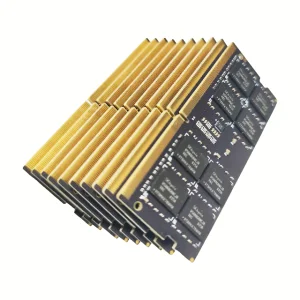
Behind high-end CE Certified LED Display walls lies an intricate hardware ecosystem comprising precision SMT printed circuit board assemblies (PCBA), high-bandwidth frame buffering DRAM modules, dynamic control processors, and heavy-duty thermal dissipators. Corexis Memory Technology Co., Ltd. stands as an industry-leading OEM/ODM manufacturer supplying the vital electronic sub-assemblies powering global display networks.
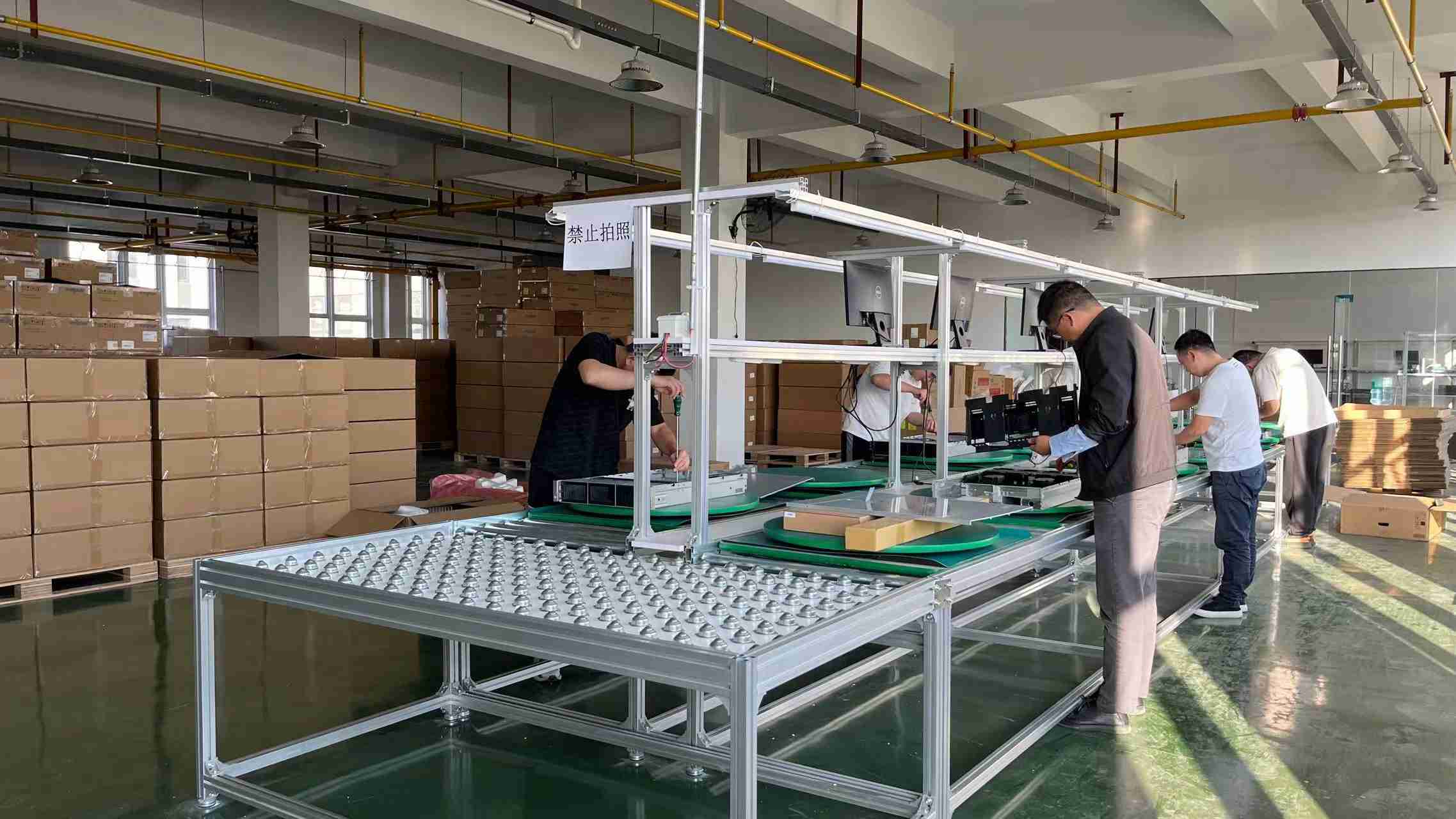
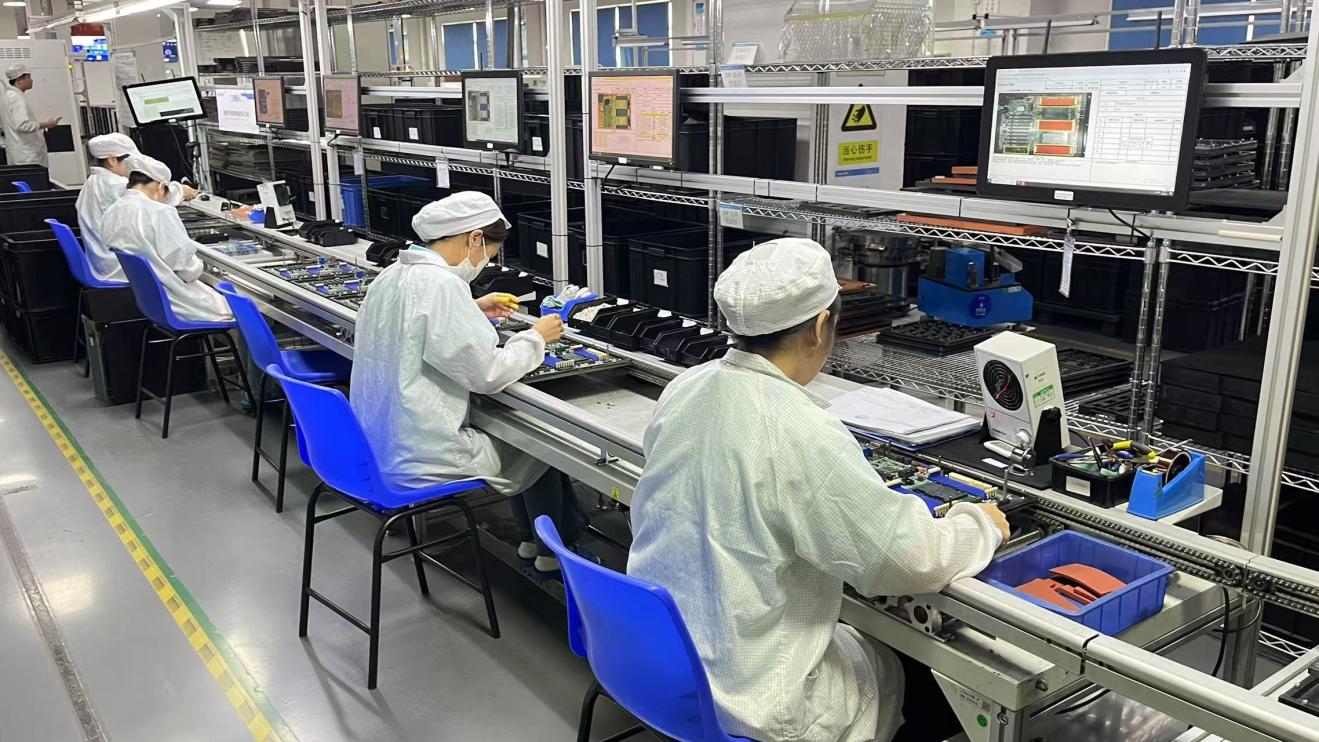
Established in 2016, Corexis has accumulated over 10 years of deep industry expertise and 8 years of international export execution. Operating out of a state-of-the-art manufacturing plant covering 21,800 m², Corexis integrates high-speed SMT production lines, advanced firmware engineering, cleanroom component assembly, and stringent quality control protocols under a unified industrial framework.
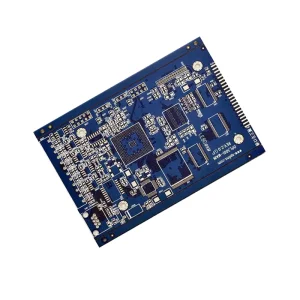
Corexis excels in SMT surface-mount technology, DIP plug-in soldering, and immersion silver PCB surface finishing. We manufacture high-reliability power management PCBAs and sub-controller units designed for continuous 24/7 LED video wall operation.
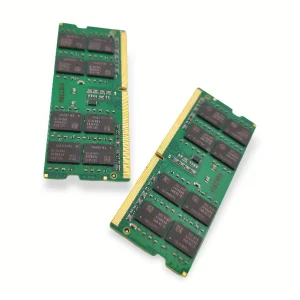
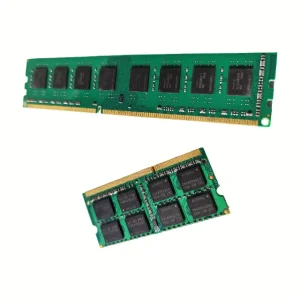
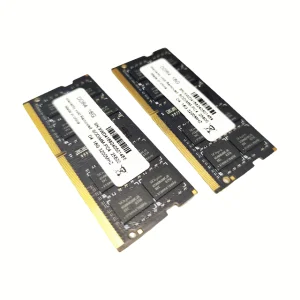
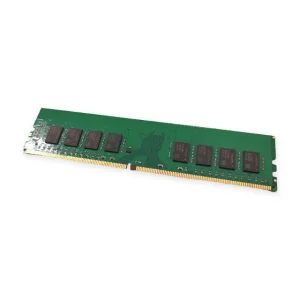
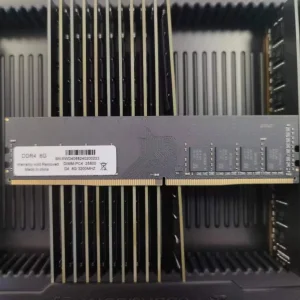
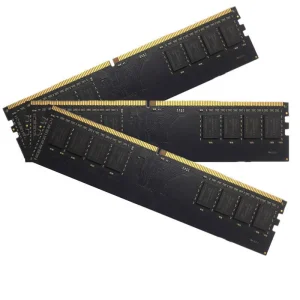
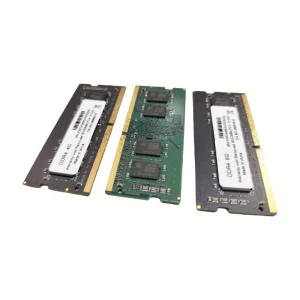
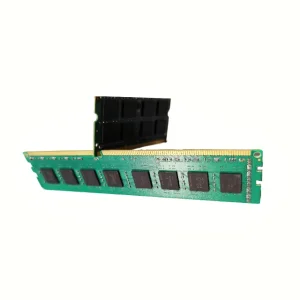
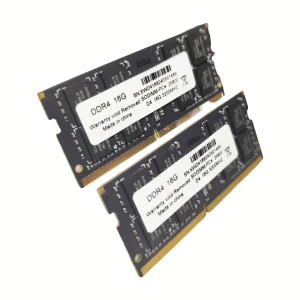
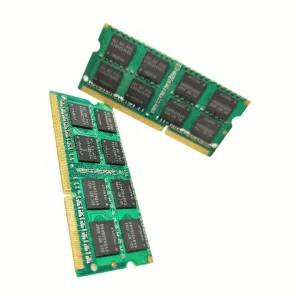
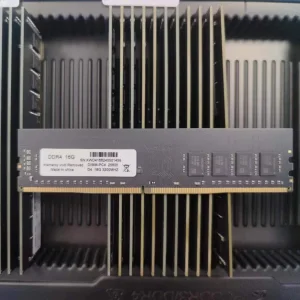
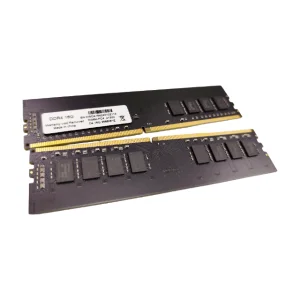
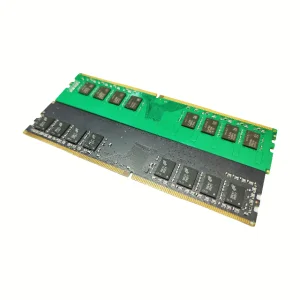
High-refresh-rate LED video processors demand ultra-fast RAM modules to buffer multi-channel 4K/8K video frames without tearing. Corexis supplies high-speed DDR4 & DDR5 SODIMM, UDIMM, and ECC server-grade modules supporting up to 3200MHz frequencies.
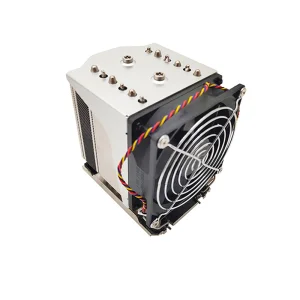
Thermal management dictates LED lumen decay and lifespan. Corexis designs 320W high-capacity heat pipe sinks (LGA4189-N96 4U/6U compatible) and active heat spreader architectures that ensure cool cabinet operation under severe ambient loads.
To properly evaluate a CE Certified LED Display supplier, technical auditors must understand the multi-layered hardware ecosystem that translates raw video signals into high-contrast visual display outputs.
The display panel surface uses surface-mount device (SMD), Integrated Light Source (GOB), or Chip-on-Board (COB) technologies. COB technology directly bonds micro LED chips to the PCBA board, providing superior thermal transfer, IP65 front water protection, and ultra-fine pixel pitches below P0.9mm.
High-end CE certified displays incorporate pulse-width modulation (PWM) driver ICs offering refresh rates up to 3,840Hz – 7,680Hz and 16-bit grayscale depth. Premium PWM ICs eliminate visual flickering, scan lines, and ghosting during live broadcast camera captures.
Power supplies convert 110V/220V AC input to stable 3.8V – 5V DC low-voltage lines. Using Immersion Silver PCB PCBA designs ensures zero silver migration, high electrical conductivity, and minimal power loss, aligning directly with CE Low Voltage Directive benchmarks.
Video matrix controllers process ultra-high resolution inputs (4K/8K @ 60fps). Incorporating Error-Correcting Code (ECC) DDR4 RAM ensures bit-flip prevention during continuous operation in high-radiation or high-altitude broadcast environments.
Over 85% of the world's commercial LED displays and driving electronics originate from the Guangdong industrial hardware cluster (Shenzhen-Dongguan axis). Sourcing directly from verified Chinese manufacturers like Corexis presents unprecedented competitive advantages:
From raw wafer epitaxy and SMT high-speed placement (Yamaha/Panasonic lines) to custom PCB fabrication and heat spreader design, complete localized supply chains drastically reduce manufacturing lead times from months to weeks.
Chinese factories provide bespoke industrial engineering: custom PCB trace routing, client private labeling, customized heat sink structures (e.g. 320W server-grade pipes), unique frame structural alloys, and customized memory capacity configurations.
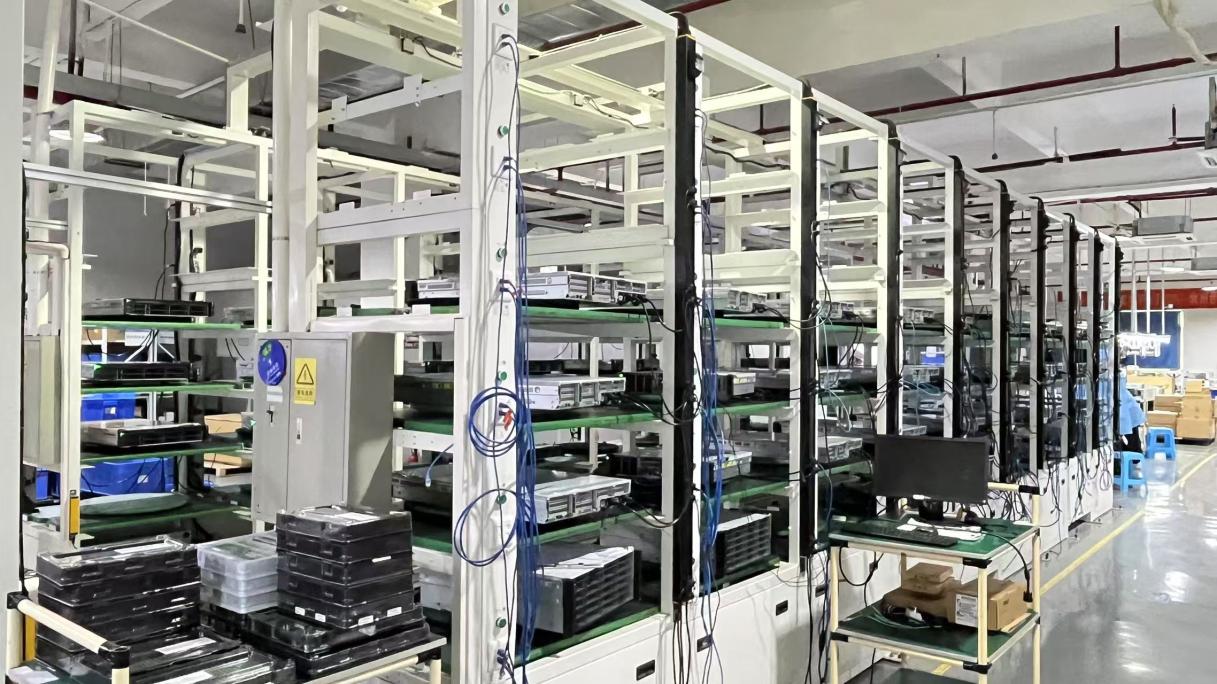
Leading facilities employ full-spectrum testing: IQC (Incoming Quality Control), IPQC (In-Process Inspection), FQC (Final Quality Assurance), OQA (Outgoing Quality Assurance), alongside 72-hour full-white burn-in aging tests.
The demand for CE Certified LED displays is accelerating across diverse sectors driven by high-definition digital display transformation:
High-brightness outdoor screens (6,500+ nits) engineered with IP65 weatherproofing, automatic ambient dimming sensors, and high-efficiency power supplies that satisfy strict CE environmental emission norms.
Film studios use LED walls instead of green screens. These require high frame rates (144Hz+), 7680Hz PWM dimming, ultra-low latency, and high-capacity DDR4/DDR5 video buffer processing nodes.
Fine-pitch Micro LED displays (P0.7 - P1.2mm) installed in traffic management, defense, and power grid control rooms. Demands 100% redundancy in power PCBA and memory data channels.
Seamless 3D visual walls, curved flagship store displays, and corporate boardroom video conferencing systems requiring low power consumption and sleek cabinet thermal dissipation.
When conducting supplier audits for enterprise display projects, procurement leaders must look beyond basic pricing metrics and perform rigorous technical duediligence:
Always request full test reports issued by ISO 17025 accredited third-party laboratories (e.g. TÜV Rheinland, SGS, Intertek). Ensure the specific model numbers on test reports match the bill of materials (BOM).
Inspect supplier PCBA manufacturing setup. Automated Optical Inspection (AOI), X-Ray inspection for BGA soldering, and Immersion Silver surface coating are mandatory for low-failure-rate hardware.
Audit component origin. Premium displays utilize original DRAM chips (Samsung, SK Hynix, Micron), top-tier driver ICs (Macroblock, Chipone), and high-grade copper wire LED encapsulation.
Evaluate energy consumption per square meter. Common-cathode LED driving saves up to 40% power, significantly lowering operational electricity expenses and ambient cooling load over 5 to 10 years.
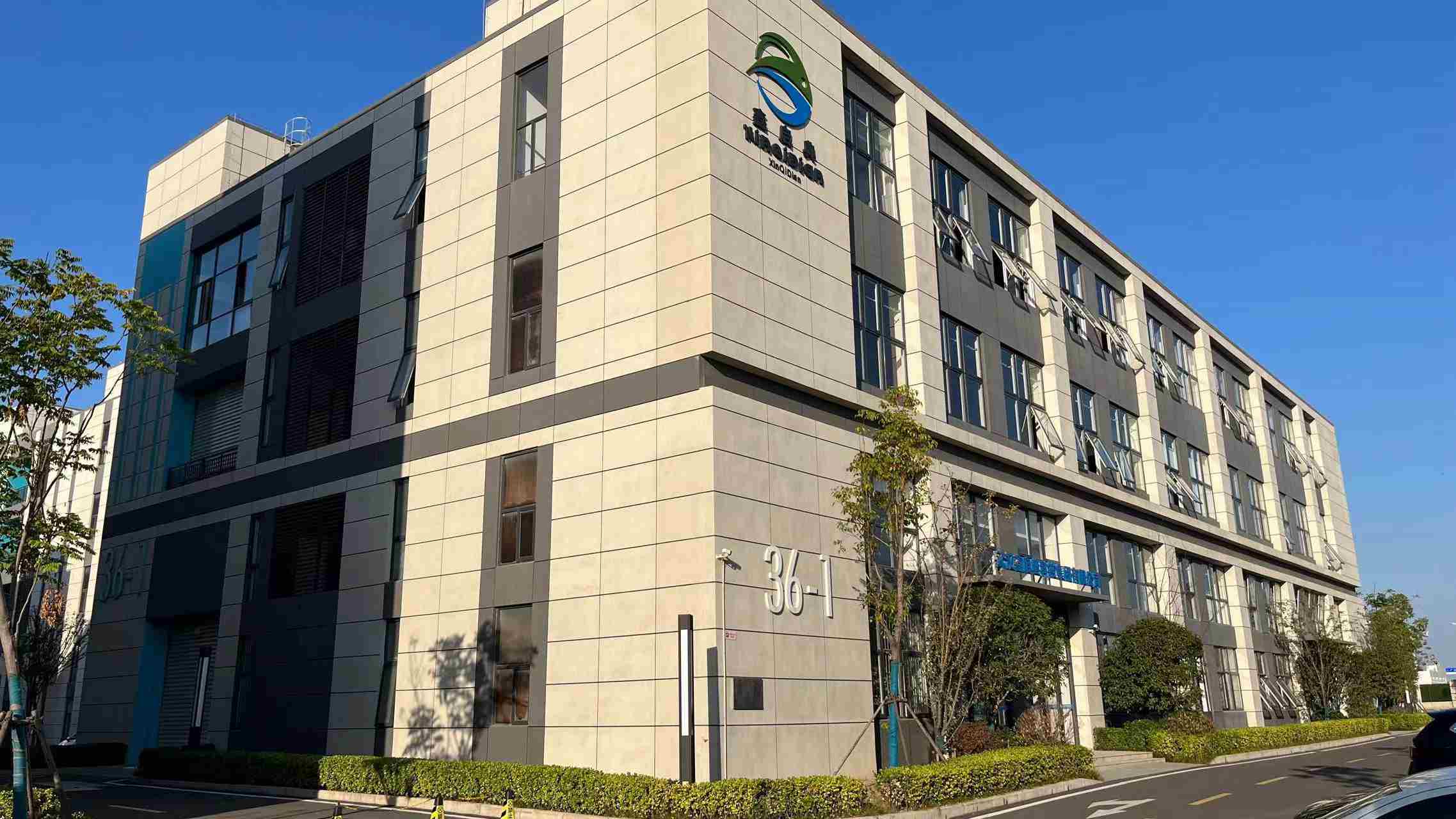
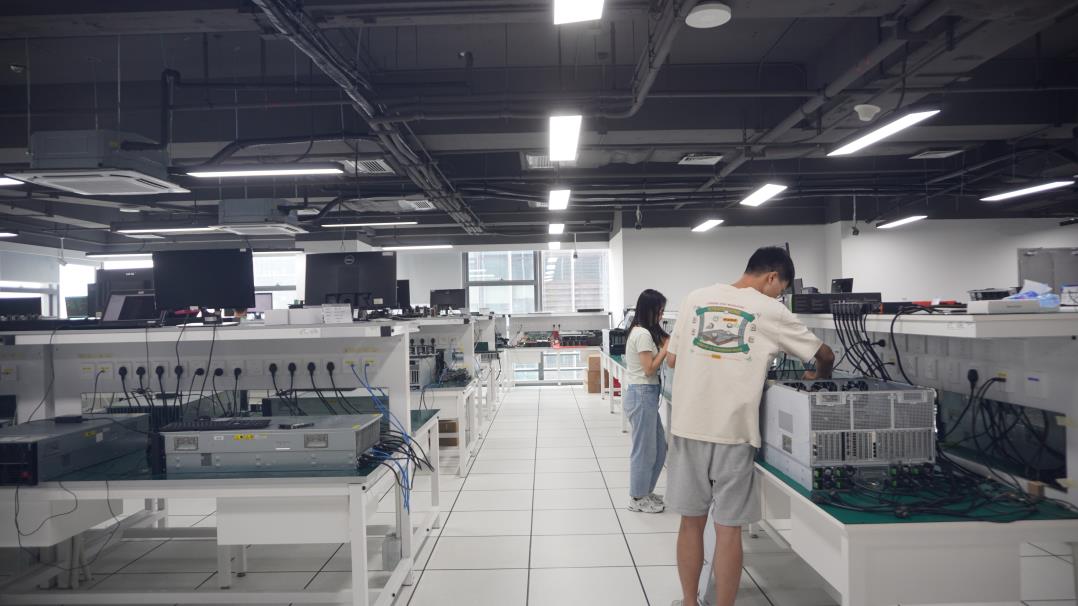
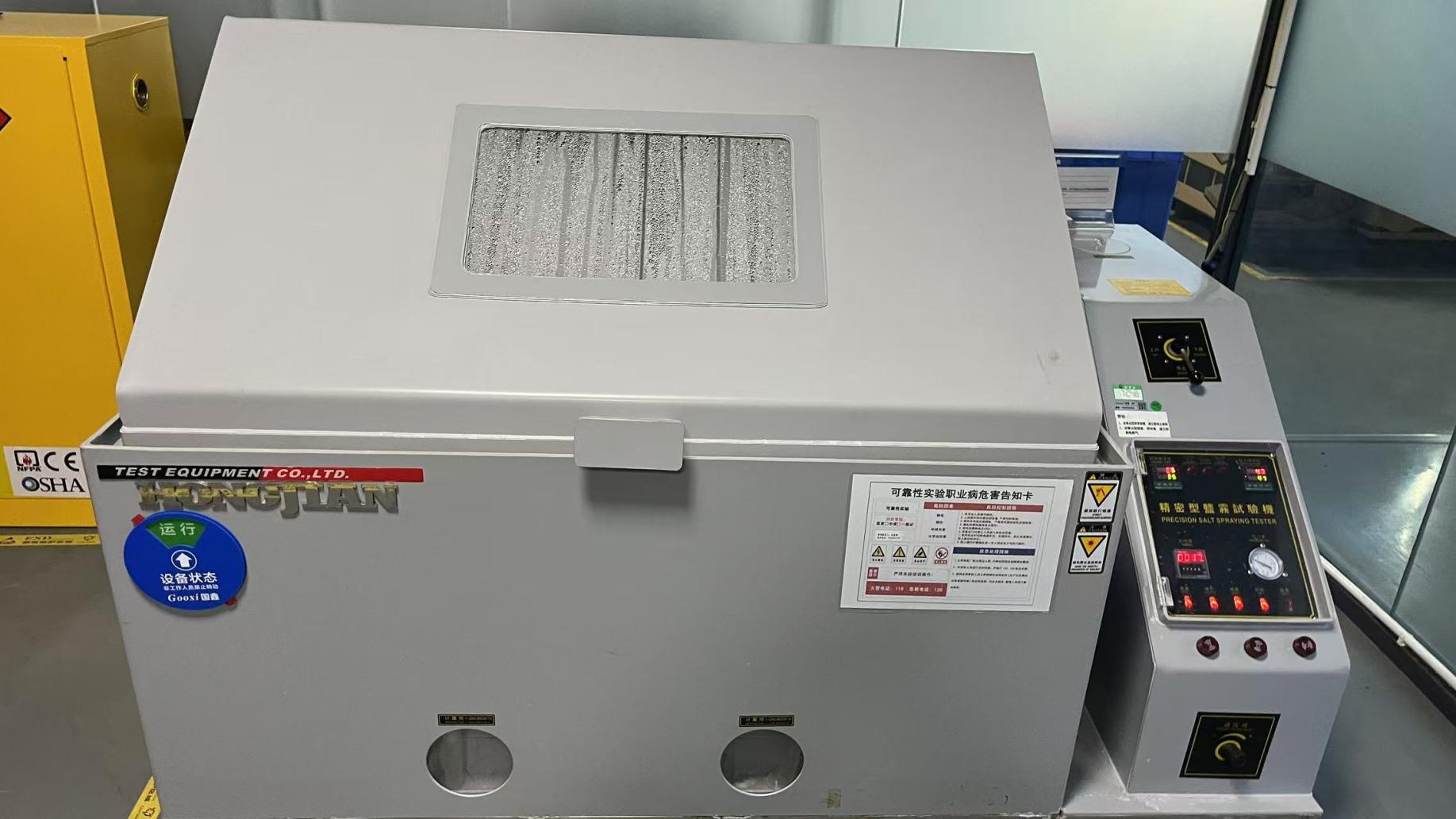
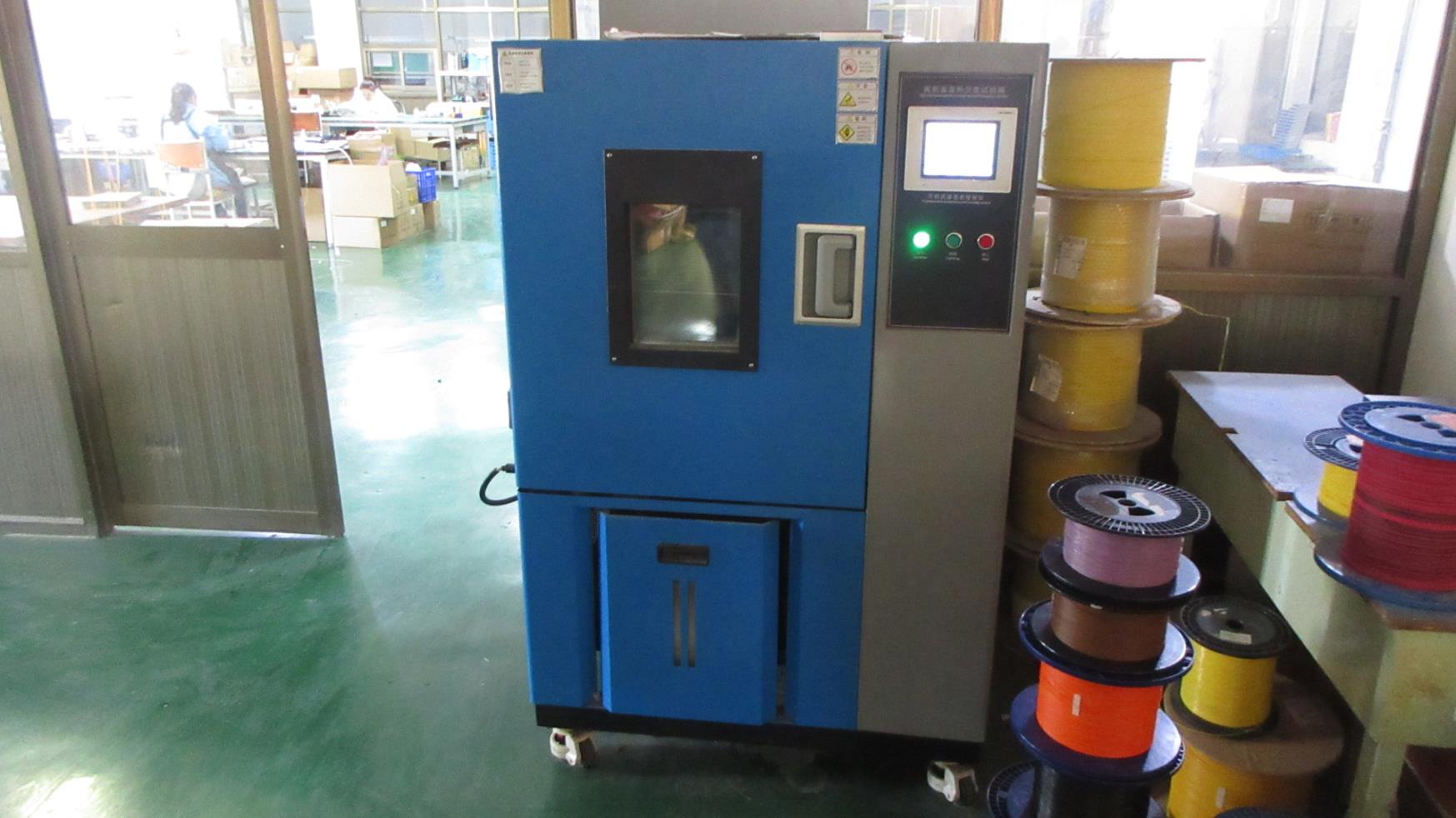
Our 21,800 m² cleanroom manufacturing plant incorporates advanced SMT surface placement lines, automated optical inspection, dynamic thermal stress chambers, and dedicated memory/PCBA testing setups.
Expert answers to technical procurement questions regarding CE standards, hardware architectures, and OEM customization.
 Corexis Memory