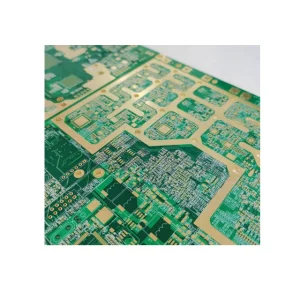
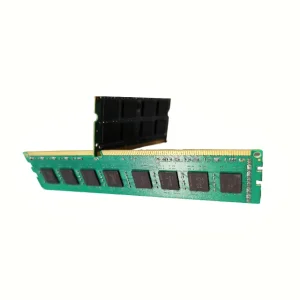
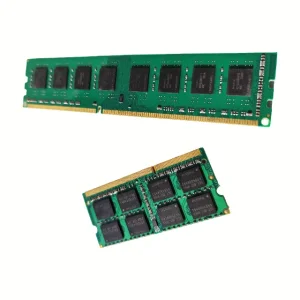
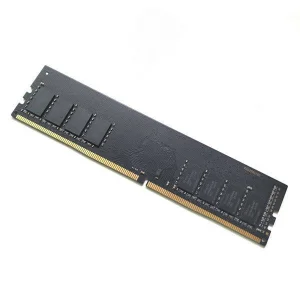
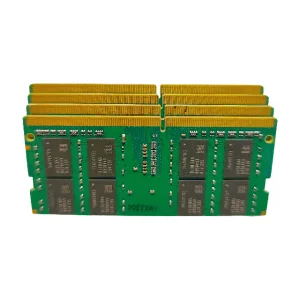
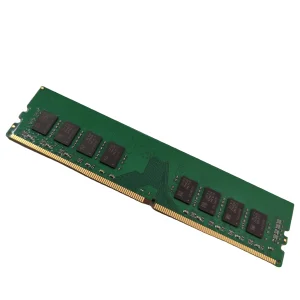
Engineered to deliver exceptional signal integrity, advanced heat dissipation, and superior reliability.
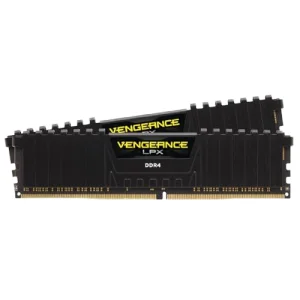
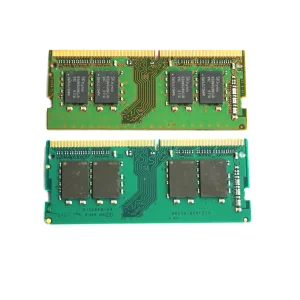
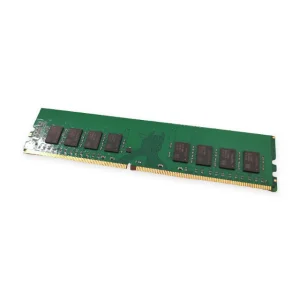
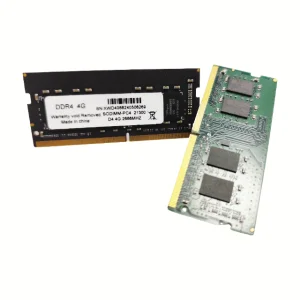
Founded in 2016, Corexis Memory Technology Co., Ltd. has grown from a specialized high-performance DDR5 memory manufacturer into a comprehensive, state-of-the-art Electronic Manufacturing Services (EMS) powerhouse. We focus on integrating high-speed DRAM computing architectures with cutting-edge thermal management, positioning ourselves as one of the premier Aluminum Circuit Boards Factories and Exporters in China.
As modern electronic architectures escalate in power density, classic FR4 substrates often hit thermal limits. This is particularly critical in servers, AI accelerators, and high-performance computing (HPC) nodes where memory and processors generate massive thermal output. Recognizing this structural demand, Corexis leverages its precision SMT assembly infrastructure, advanced material R&D, and extensive testing pipelines to manufacture and export custom Metal Core PCBs (MCPCBs), thermal aluminum substrates, and high-speed memory systems to system integrators globally.
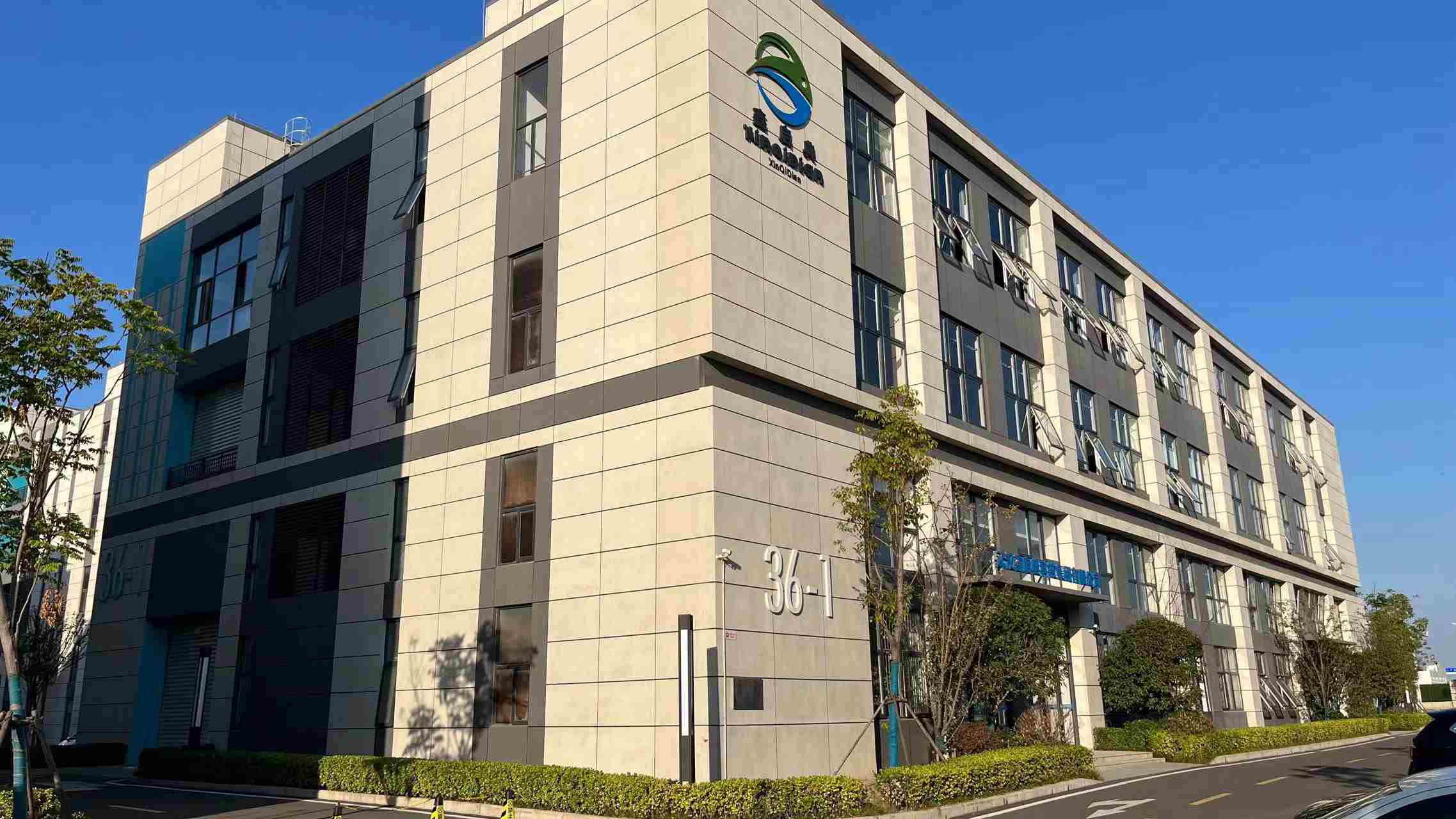
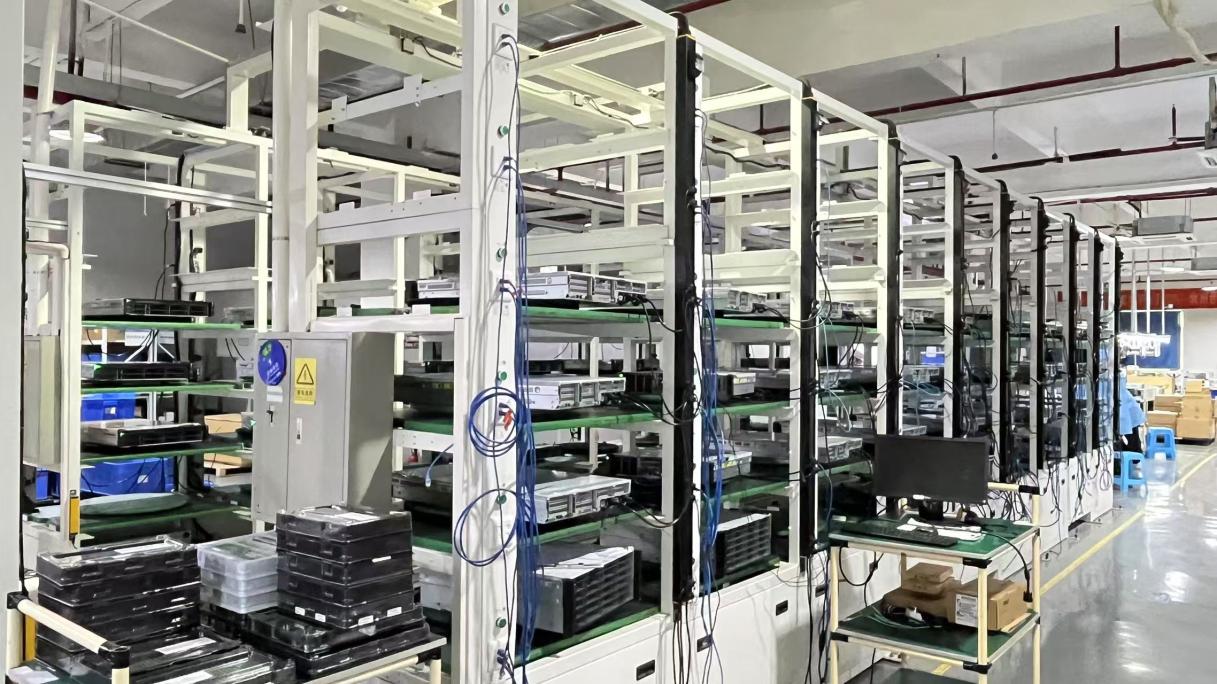
With an expansive 21,800 m² modern manufacturing facility, we unite hardware design, multi-layer PCB substrate fabrication, high-speed SMT placement, firmware configuration, and automated testing under one unified manufacturing flow. This vertical integration allows us to supply global tier-one customers with highly reliable, thermally optimized, and speed-optimized board assemblies.
As the international electronics industry moves towards higher power densities, miniaturization, and accelerated switching frequencies, thermal management has transitioned from a structural consideration to a critical performance bottleneck. Traditional FR-4 printed circuit boards, while cost-effective for general circuitry, fail to deliver the thermal dissipation rates required by today's high-stress systems. This reality has catalyzed the widespread adoption of Metal Core PCBs (MCPCBs), particularly Aluminum Circuit Boards.
Globally, the market for Aluminum PCBs is expanding rapidly, driven by the structural transformation of energy systems, industrial automation, and solid-state lighting. Industrially, aluminum represents the optimal balance of raw material cost, mechanical robustness, ease of machining, and thermal conductivity. While a standard FR-4 board offers a thermal conductivity of roughly 0.25 to 0.4 W/m·K, aluminum PCBs easily achieve conductivities ranging from 1.0 W/m·K up to 8.0 W/m·K depending on the dielectric prepreg formulations used. This allows power semiconductors to run up to 30°C cooler, extending component lifetimes, reducing thermal-induced delamination, and ensuring structural stability in hostile operating environments.
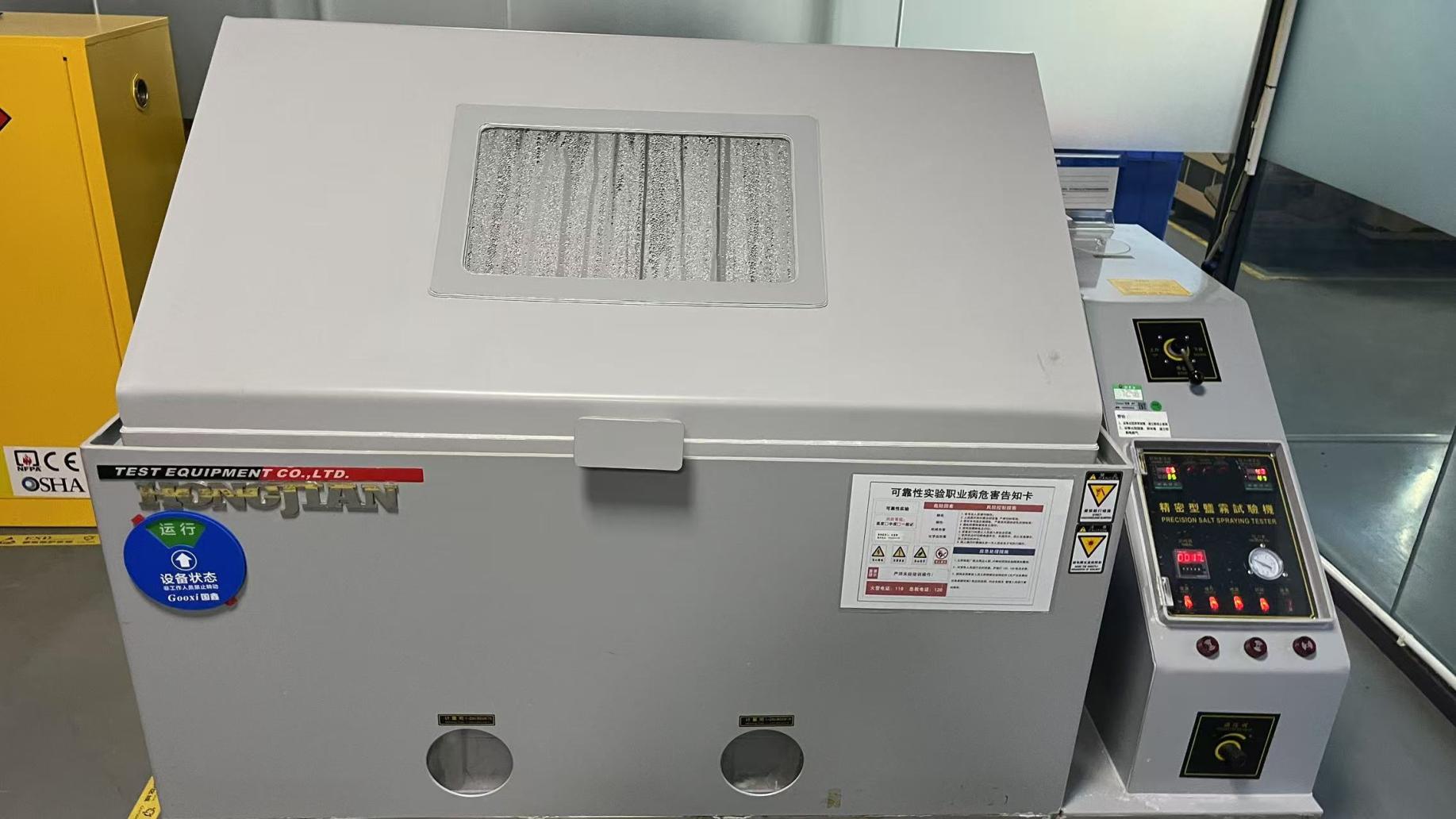
Aluminum PCBs are not a universal drop-in replacement but a highly targeted engineering solution. Corexis customizes the base stack-up, copper thickness, and dielectric formulation to suit specialized regional and industrial applications:
With electric vehicle (EV) adoption accelerating across North America and Europe, localized Tier-1 automotive suppliers rely on our heavy-copper Aluminum PCBs. These are deployed directly inside On-Board Chargers (OBCs), Battery Management Systems (BMS), DC-DC converters, and motor inverters where high thermal cycling protection is non-negotiable.
Street lighting systems in municipal grids, stadium spot illumination, and localized horticultural lighting installations demand continuous, high-efficiency cooling. High thermal performance aluminum plates prevent LED junction temperatures from exceeding critical thresholds, preserving light output constancy and color stability.
Data center power supply units (PSUs) must convert immense volumes of electricity under minimal space budgets. Integrating high-conductivity metal core substrates inside power stages permits compact architectures, removing the need for oversized heat sinks and allowing denser racking layouts in localized data centers.
Understanding the layers of a high-performance Aluminum Circuit Board is fundamental to maximizing operational lifespan and electrical safety. The standard configuration comprises three primary layers bonded via thermal compression:
We process copper foil thicknesses ranging from 1 oz to 6 oz (heavy copper options) using strict chemical etching processes. Heavy copper foils accommodate higher current densities without localized trace overheating.
This is the core differentiator. It provides electric isolation from the metal plate while acting as the primary thermal conduit. Corexis uses ceramic-filled polymer formulations featuring high dielectric breakdown voltages (>6000V AC) and thermal conductivities up to 3.0W/m·K to 5.0W/m·K.
Typically 5052 or 6061 alloy configurations. 5052 offers excellent mechanical strength and formability, while 6061 provides superior structural stiffness. Thicknesses vary from 0.8mm to 3.0mm depending on chassis space constraints.
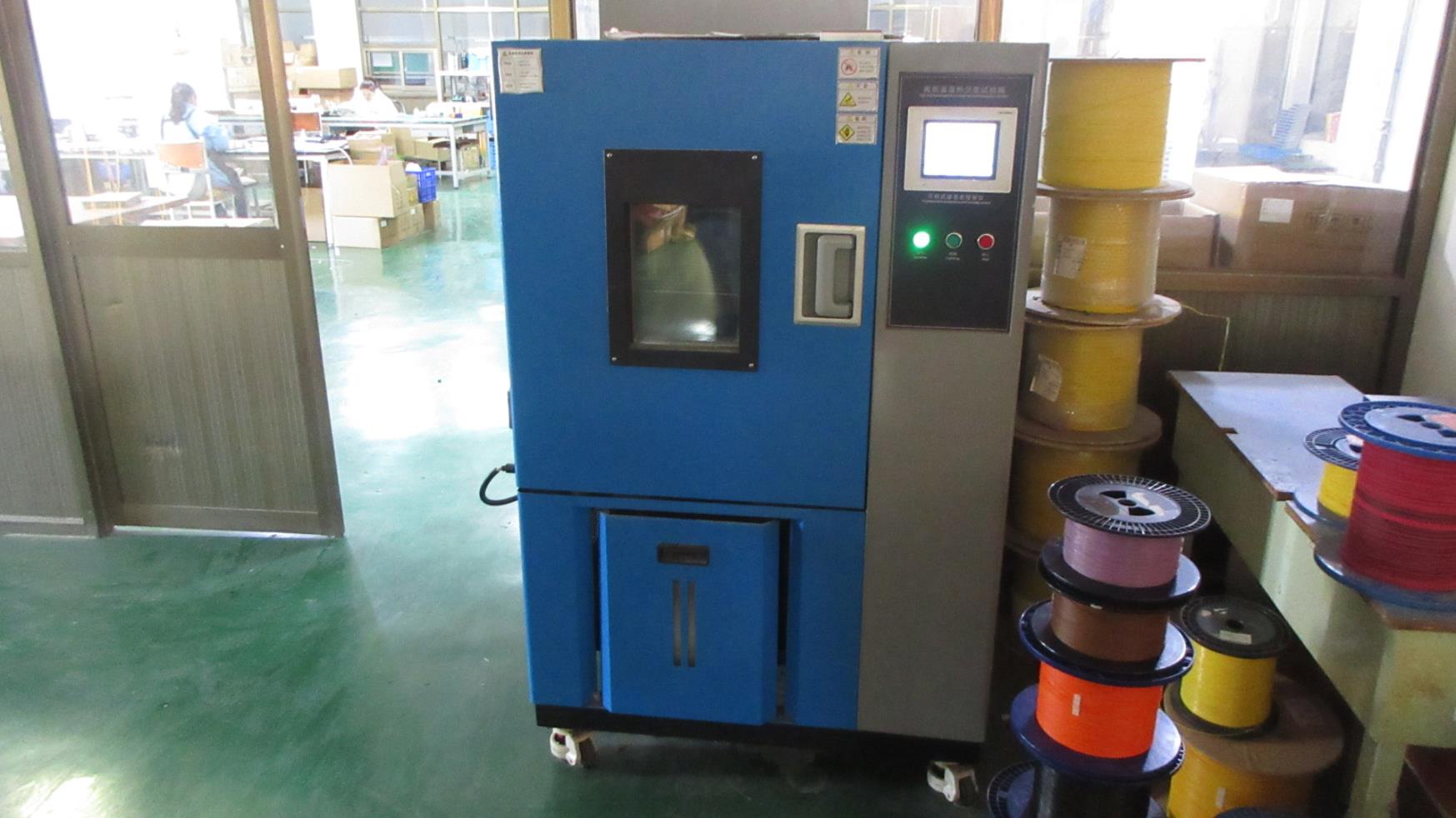
Global procurement teams choose China-based production for its unparalleled ecosystem integration. China remains the epicenter of the electronic components and raw materials supply chain. Corexis Memory Technology capitalizes on this local density to streamline procurement cycles, secure high-quality metal plates, and optimize overall logistics expenses.
Unlike trading entities, we execute PCB fab, component placement (SMT), reflow soldering, and automated testing under one roof, cutting delivery lead times by up to 35% compared to multi-vendor routing.
We work directly with major raw material producers such as Shengyi (KB6160 substrates), Rogers, and localized aluminum alloy providers to guarantee stable material costs and zero-risk lead times during sudden peak demands.
As memory product design specialists, we bring strict signal routing knowledge, low electromagnetic interference (EMI) design philosophies, and precise impedance matching techniques to complex, multi-layered metal substrates.
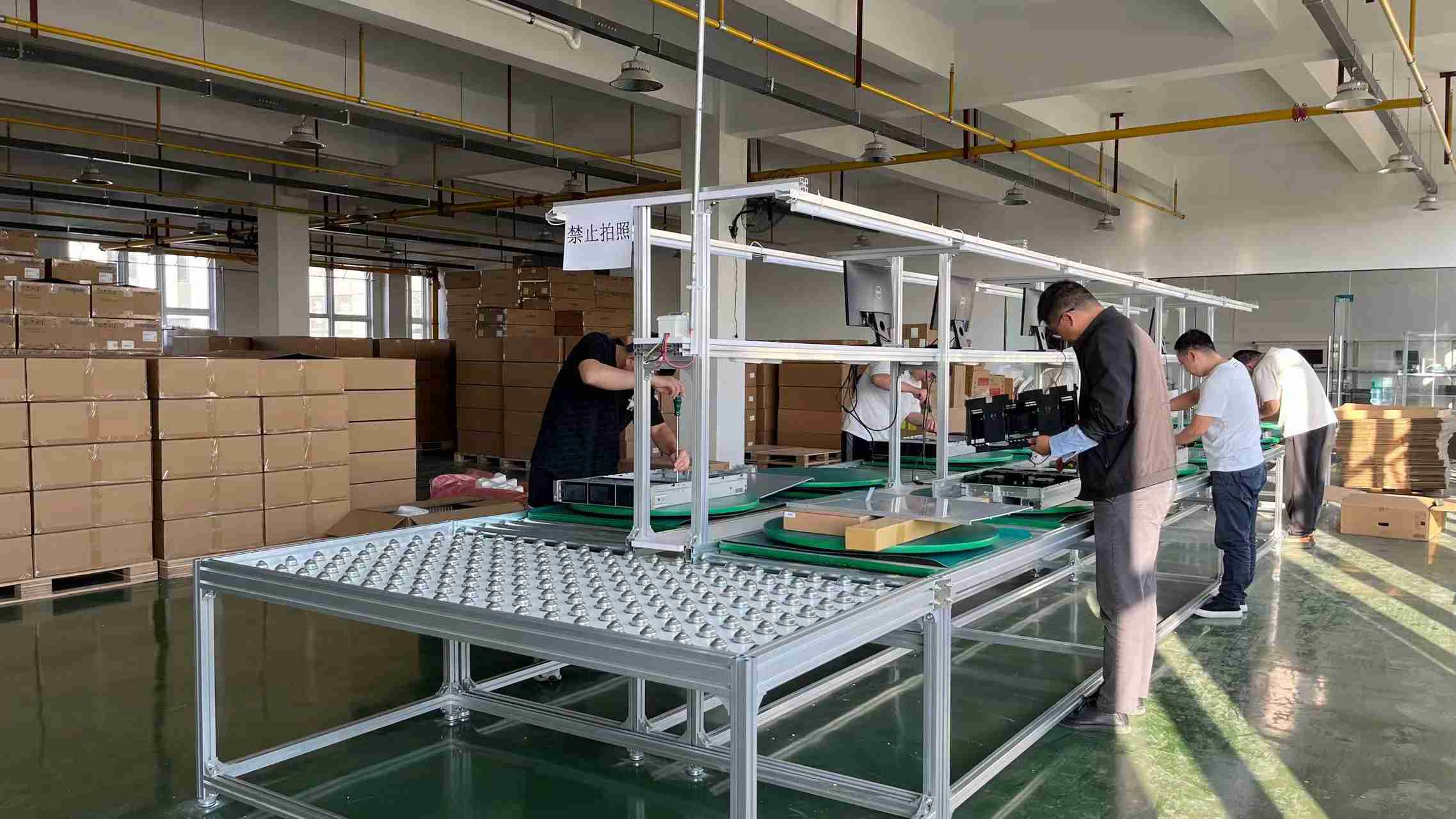
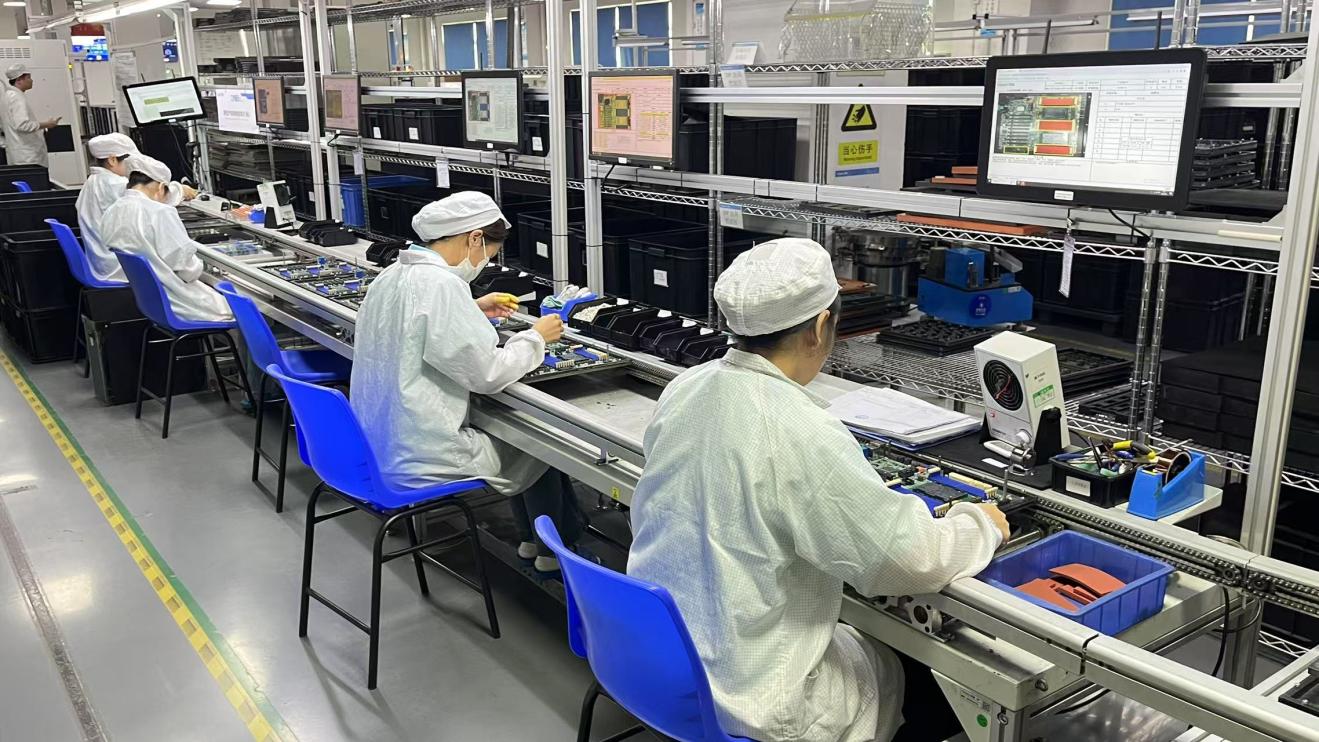
Corexis maintains rigid adherence to international manufacturing codes to ensure safe, continuous operation across global markets including North America, Europe, Southeast Asia, and South America. Our quality management framework operates strictly to guarantee reliability under demanding industrial, automotive, and IT workloads:
Our products and processes comply with ISO 9001:2015, ISO 14001, and UL 94V-0 certifications for flame retardancy. All assemblies meet the material safety limits defined by the European RoHS and REACH environmental directives.
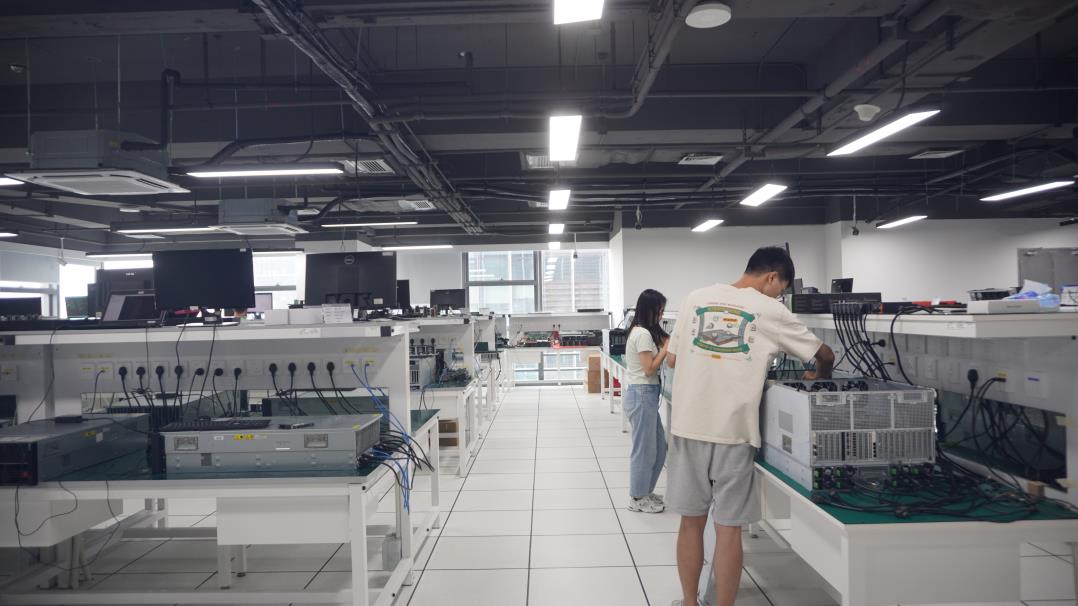
Every single board or module shipped from our facility undergoes strict validation testing. This includes Automated Optical Inspection (AOI), Solder Paste Inspection (SPI), In-Circuit Testing (ICT), functional testing (FCT), and advanced thermal imaging checks.
Our ERP and MES tracking systems log the source batch numbers of all raw materials—from raw aluminum substrates to active component ICs. This transparency safeguards our brand and helps our OEM clients manage compliance risk.
For engineering managers, buyers, and hardware designers seeking clarification on aluminum board parameters, trace layouts, and procurement standards:
A: The core difference lies in thermal performance and mechanical density. FR-4 is a fiberglass laminate with low thermal conductivity (0.25 W/m·K), relying heavily on thermal vias to pass heat to external surfaces. Aluminum PCBs feature a built-in metal backing bonded to the copper trace layer by a thin, highly thermally conductive dielectric polymer. This core configuration dissipates heat up to 20 times faster than FR-4, making it ideal for power converters, LED arrays, and battery systems.
A: Yes. While single-sided designs represent the bulk of the market due to cost efficiencies, double-sided and multi-layer aluminum PCBs are increasingly used. Multi-layer configurations place standard FR-4 layers over the dielectric prepreg layer, which is then laminated onto the aluminum base plate. However, multi-layer designs require precision drilling and specialized inner-layer insulation to manage trace alignments and thermal dissipation pathways.
A: Since aluminum transfers heat quickly, specialized SMT reflow profile configuration is critical. If not carefully calibrated, the aluminum base functions as a massive heat sink, causing cold-solder joints on component leads. We utilize multi-zone thermal reflow ovens and real-time thermocouple profiling to ensure the copper circuit layer achieves complete solder wetting while protecting components from thermal shock.
A: To provide an accurate engineering assessment and quote, we require: Gerber files (RS-274X format), bill of materials (BOM), dielectric layer thermal conductivity requirements (e.g., 1.5 W/m·K, 2.0 W/m·K, or higher), copper thickness (e.g., 1 oz, 2 oz), aluminum base thickness (e.g., 1.0mm, 1.5mm), surface finish requirements (HASL, ENIG, OSP), and desired testing protocols.
Providing global system integrators and OEMs with scalable, high-yield production capabilities.
 Corexis Memory