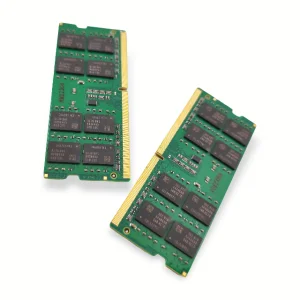
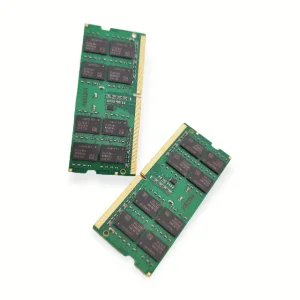
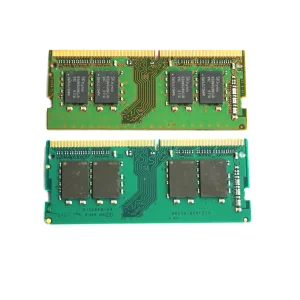
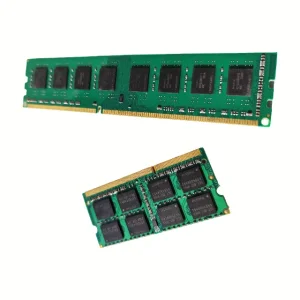
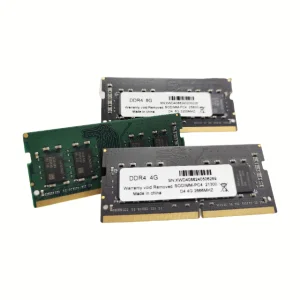
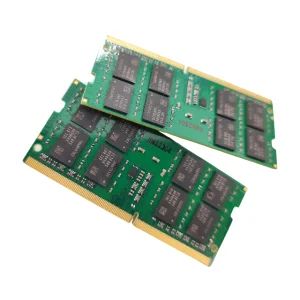
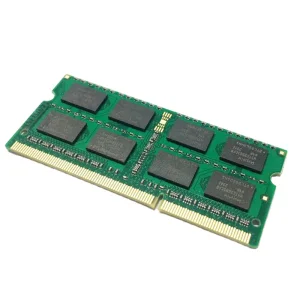
High-performance high-frequency memory modules, double-sided PCBs, and advanced processing PCBA assemblies built to stringent industry standards.
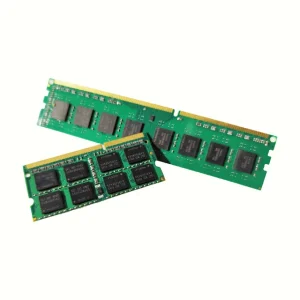
Founded in 2016, Corexis Memory Technology Co., Ltd. is a global leader in designing, manufacturing, and exporting advanced high-capacity smartphone batteries, battery management system (BMS) architectures, and complex electronic subsystems (including multi-layer high-frequency PCB assemblies and next-generation DDR4/DDR5 semiconductor memories).
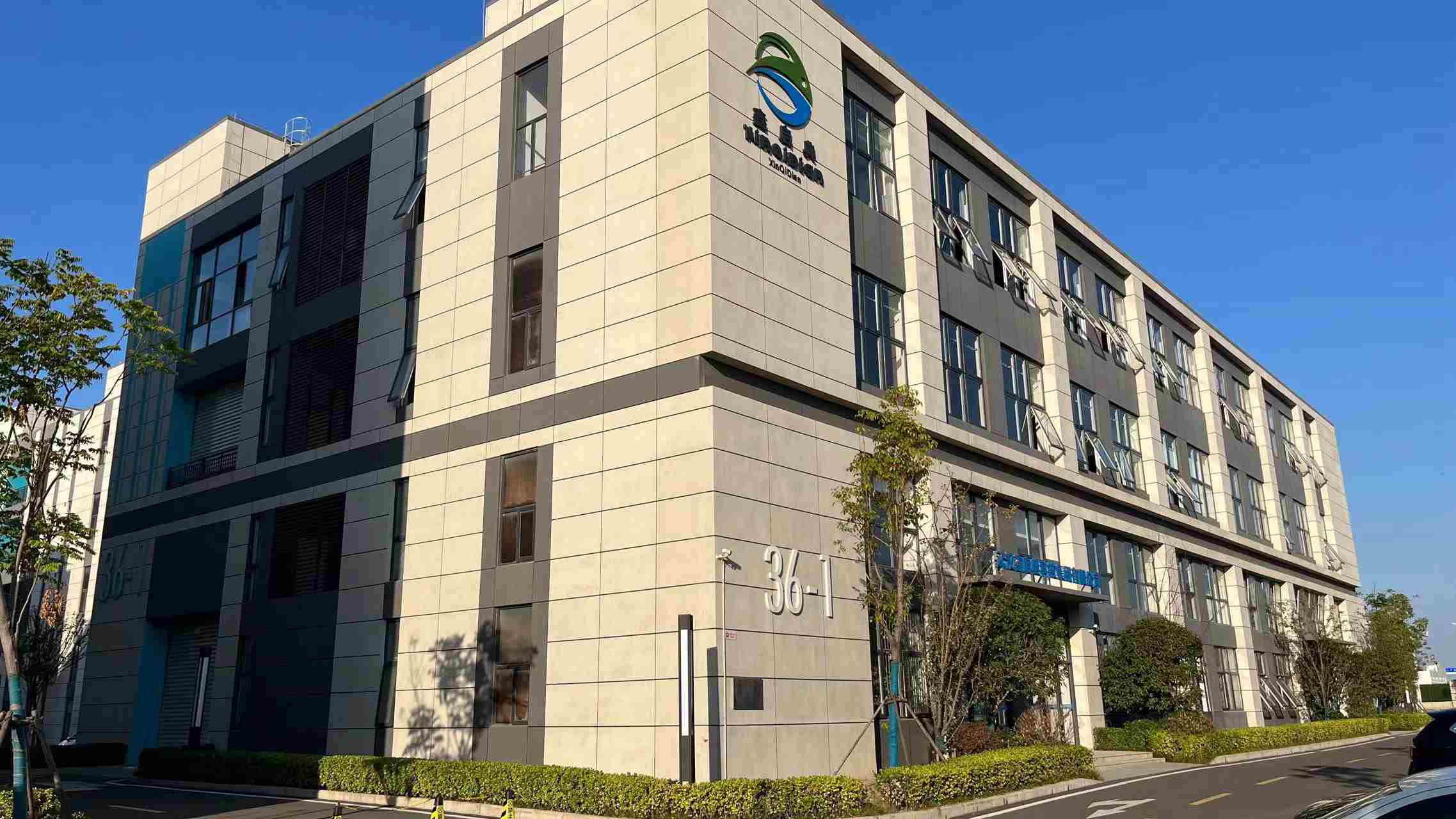
Over the past 10 years, our core focus on electrical reliability, safety compliance, and maximum energy density has positioned us as the preferred ODM and OEM partner for tier-1 global smartphone brands, industrial mobile terminal suppliers, and consumer electronics distributors across North America, Europe, and the APAC region. Leveraging a massive 21,800 m² factory facility and 128 R&D engineers, we customize hardware solutions that power millions of smart devices globally.
The global smartphone and mobile computer market is undergoing a rapid transition. With the integration of 5G chips, on-device artificial intelligence processing, and ultra-bright, high-refresh-rate OLED displays, the modern mobile device consumes power at unprecedented rates. To sustain 24-hour runtimes, smartphone battery cells must pack higher volumetric energy densities ($Wh/L$) without increasing physical thickness or compromising safety protocols.
Replacing pure graphite with silicon-carbon composite anodes increases energy capacity by up to 20% compared to traditional Li-Ion chemistries.
Custom microcontroller-driven BMS with multi-layered overvoltage, overcurrent, thermal cutoff, and active cell balancing logic.
Engineered to withstand up to 120W dual-cell rapid charging while maintaining cycle life counts of over 800 cycles to 80% capacity.
As a leading smartphone battery manufacturer in China, Corexis utilizes ultra-pure Lithium Cobalt Oxide ($LiCoO_2$ or LCO) cathode systems. Unlike standard industrial batteries that use LFP (Lithium Iron Phosphate) or NMC chemistry, LCO provides the highest volumetric capacity density ($>700\text{ Wh/L}$), which is critical for the slim chassis constraints of modern smartphones. Our proprietary electrolyte mixtures mitigate mechanical swelling during repeated high-rate charging cycles.
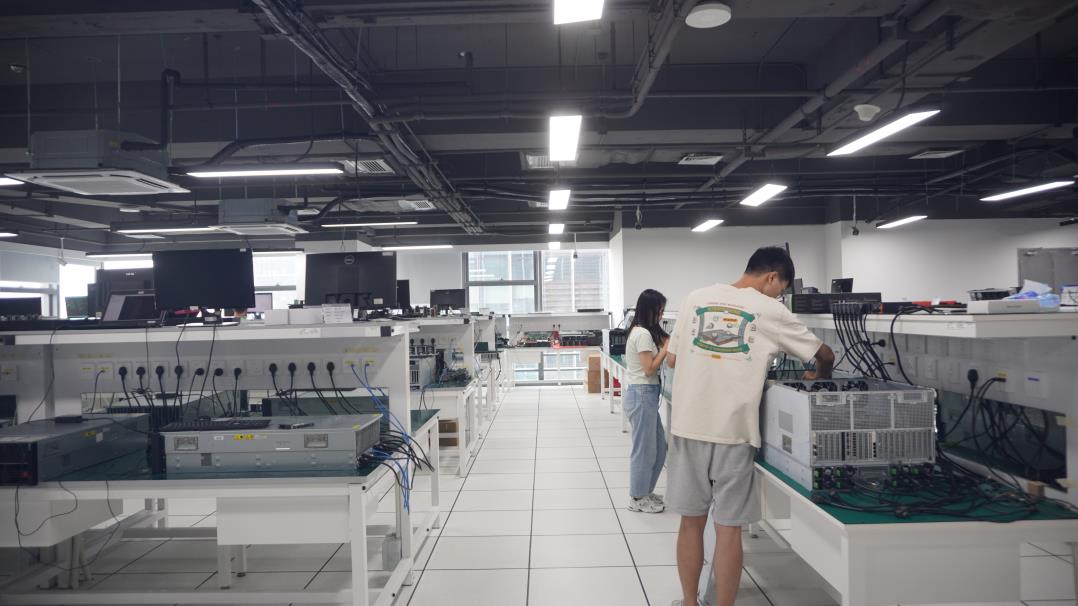
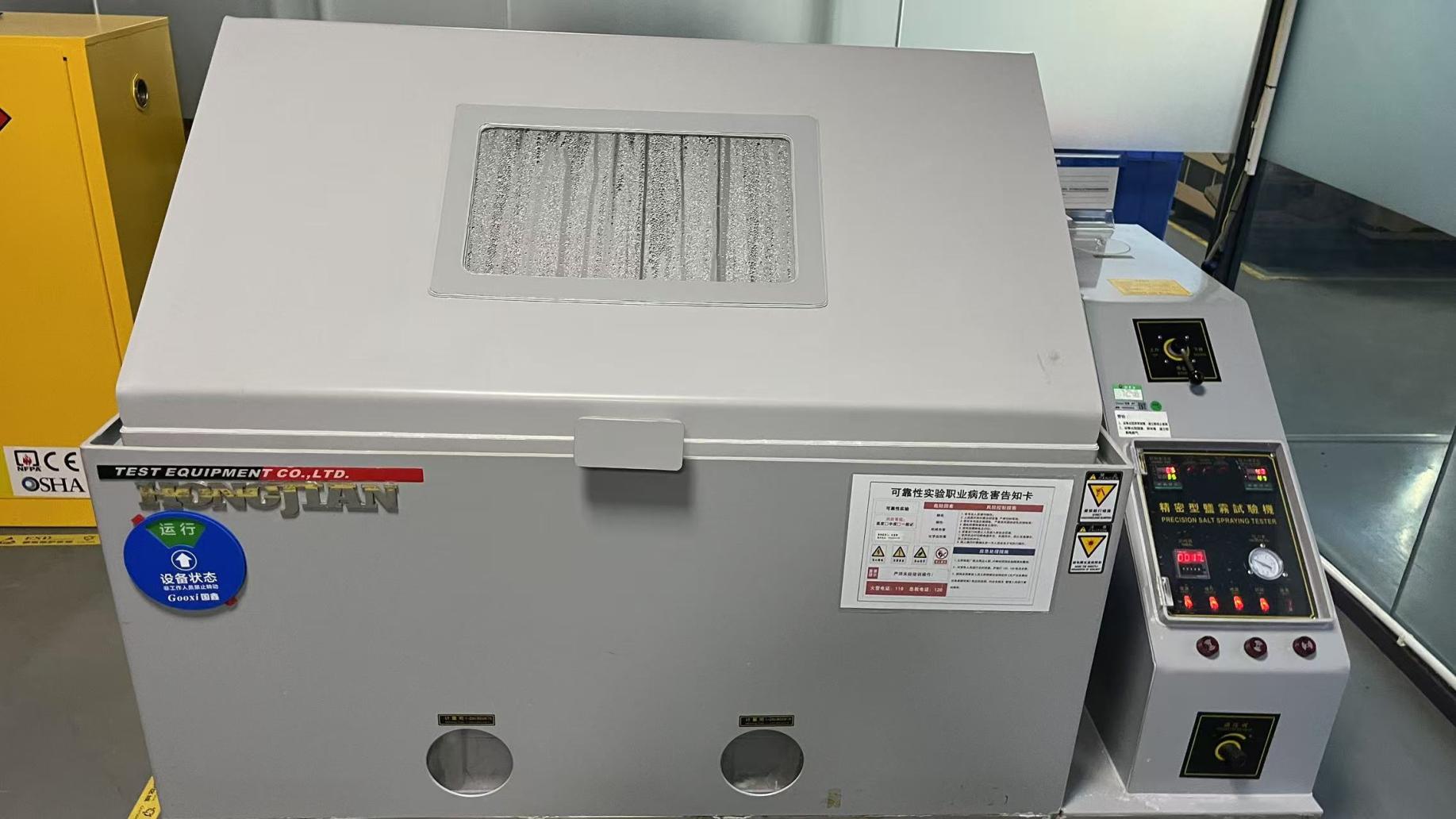
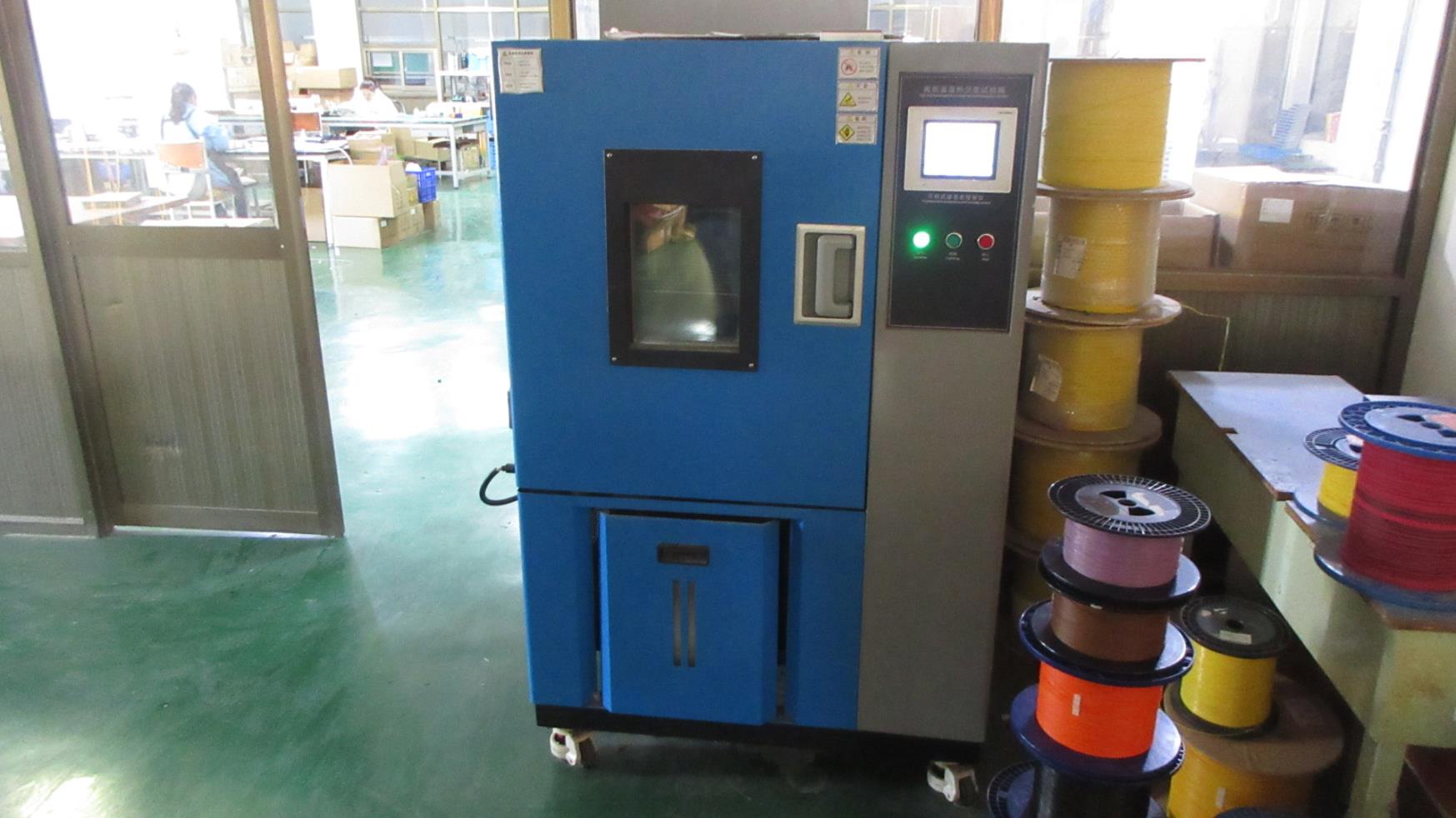
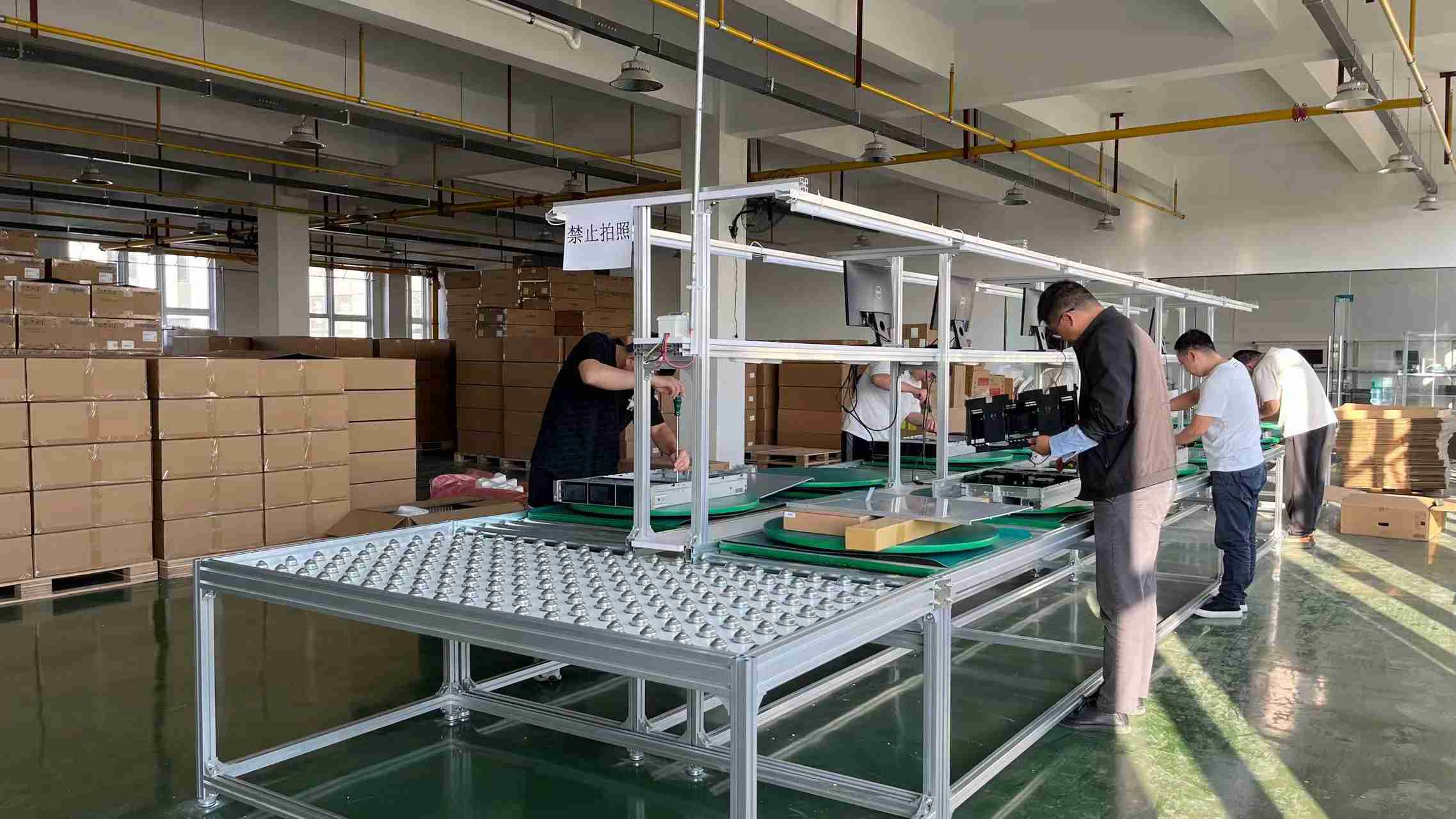
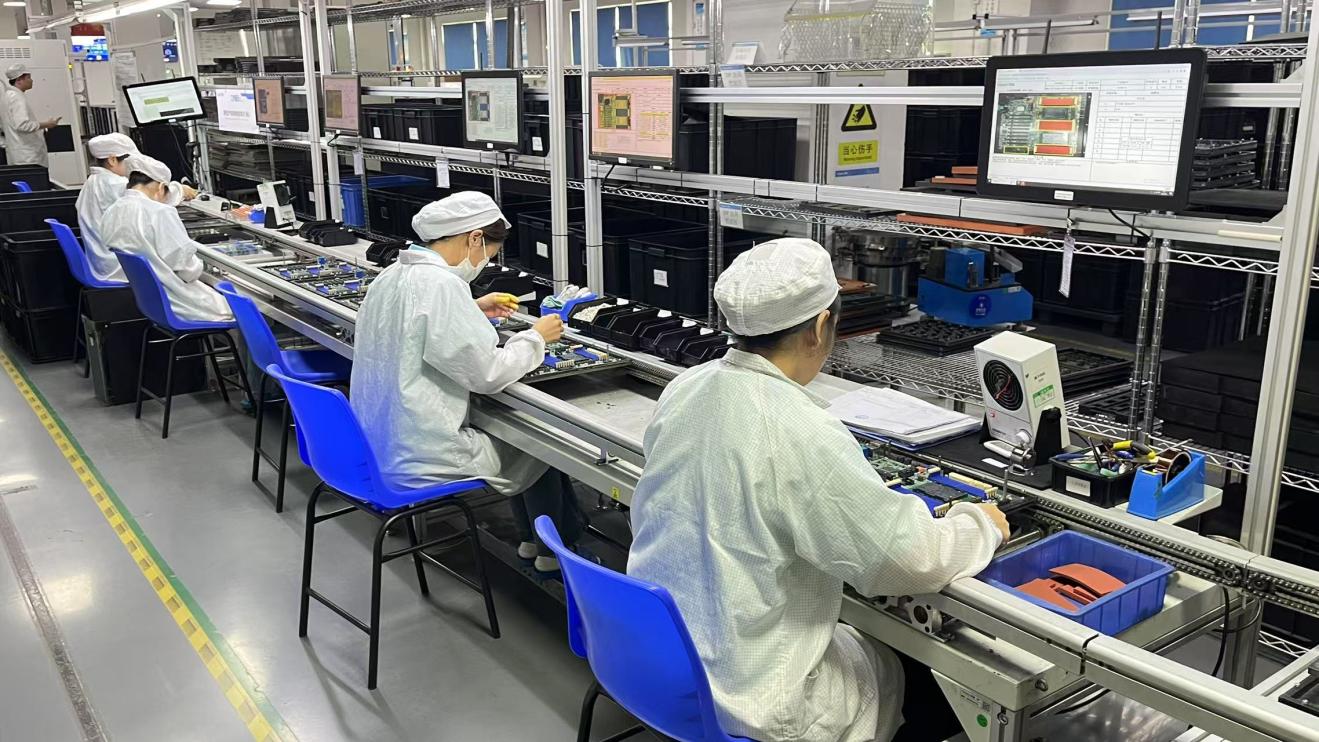
Operating a state-of-the-art 21,800 m² factory, Corexis utilizes fully automated surface mount technology (SMT) lines, high-speed automated optical inspection (AOI), and multi-stage testing setups to verify component safety and precision. We implement a rigorous 100% full inspection protocol for every batch prior to export.
Our quality control division is staffed by 56 dedicated specialists conducting tests across several phases of production:
| Quality Control Phase | Equipment Used | Primary Objectives |
|---|---|---|
| Incoming Material Inspection (IQC) | Laser Particle Size Analyzers, Atomic Absorption Spectrometry | Ensures cathode, anode raw materials, chipsets, and PCB raw layers meet strict purity parameters. |
| In-Process Quality Control (IPQC) | SPI (Solder Paste Inspection), High-Speed 3D SMT Inspectors | Real-time thermal profiling of reflow ovens; structural inspections of soldered joint integrity. |
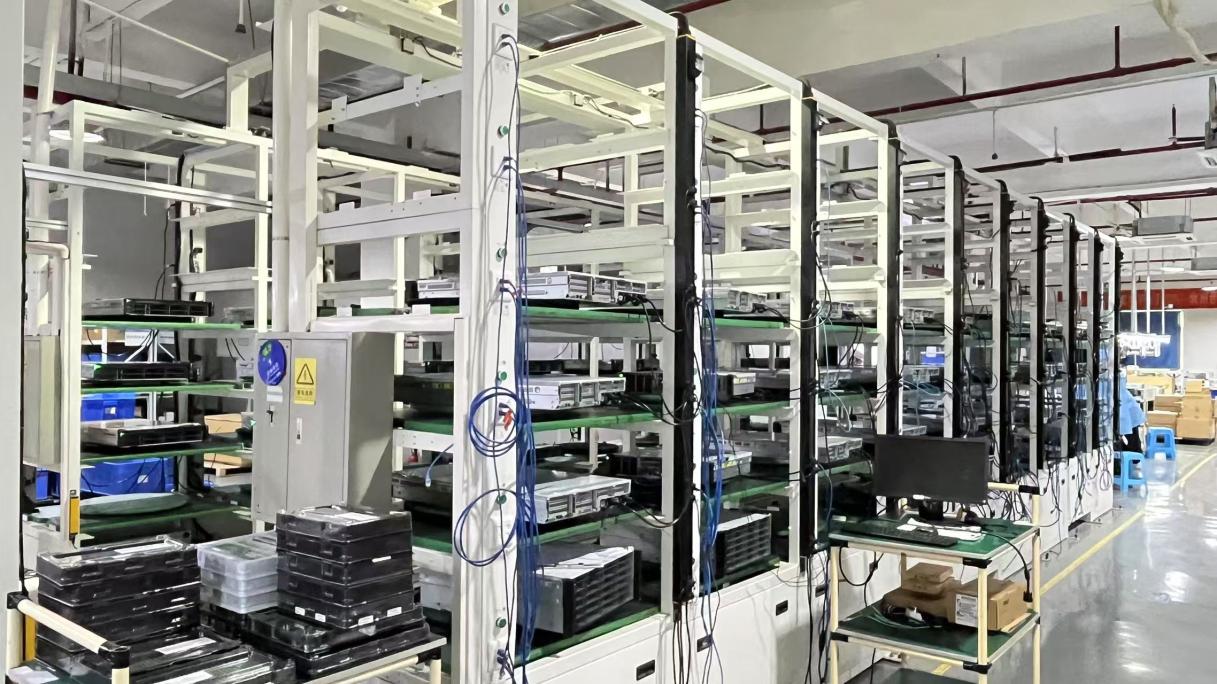
| Final Quality Control (FQC) | Automatic Charge/Discharge Life Cycle Testers | Verifies total capacity, charge curves, and impedance values of finalized battery packs and RAM modules. |
| Outgoing Quality Assurance (OQA) | X-Ray Inspection (AXI), Automated Function Testers | Ensures no internal micro-fissures exist, checks correct packaging, and performs drops tests and thermal shock. |
View our state-of-the-art assembly lines, raw material processing facilities, and automated testing equipment. We keep production transparent to showcase our industry-leading precision:
The modern smartphone does not operate in isolation. Peak device performance is achieved only when the smartphone motherboard (PCBA), system RAM, and the battery unit work in unified lockstep. At Corexis, our expertise in high-frequency computer hardware allows us to design and fabricate integrated electronics that outperform standard standalone batteries.
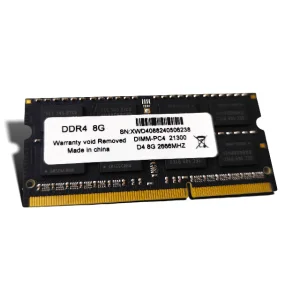
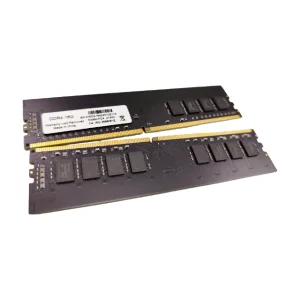
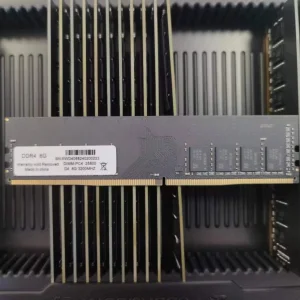
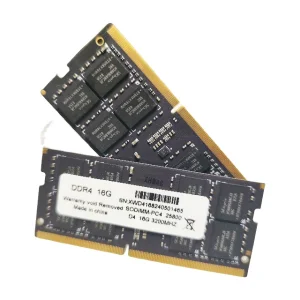
Modern mobile platforms utilize low-power DDR (LPDDR) RAM, which runs at ultra-fast speeds to process background applications and AI prompts. By leveraging our deep manufacturing knowledge in high-speed, low-voltage desktop/laptop RAM modules (including our industry-standard 3200MHz ECC and non-ECC memory modules), we optimize the impedance values of our smartphone batteries. Lower internal battery resistance ($ACIR$ and $DCIR$) reduces energy waste as heat during periods of intensive RAM operations, saving up to 7% of total power loss.
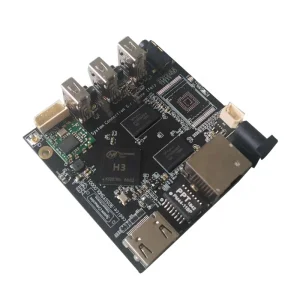
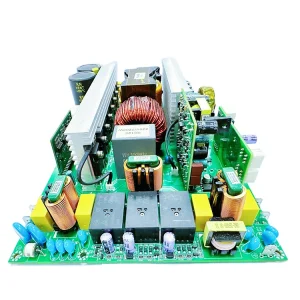
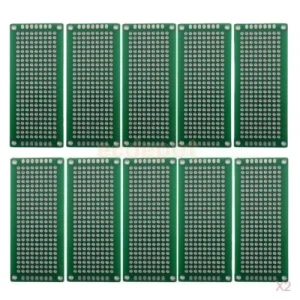
Smartphone motherboard designs are densely packed. We design custom multilayer PCBs with FR-4, high-Tg materials, and double-sided stack-ups (such as our high-performance double-sided 4-layer boards). Our PCBA capabilities ensure that the Battery Protection Circuit Module (PCM) fits seamlessly into minimal spatial envelopes, leaving more physical space for active battery gel components.
Exporting lithium-based batteries requires strict adherence to international safety laws. Lithium batteries are classified under Class 9 Dangerous Goods, meaning they must pass specific certifications before entering international customs channels.
With 8 years of direct export experience and USD 26,800,000 in annual export revenue, Corexis has established reliable supply chain partnerships across North America, Europe, Southeast Asia, South America, and the Middle East. We provide clients with full DDP (Delivered Duty Paid) shipping services for hazardous goods, ensuring that batteries arrive directly at your warehousing hubs without custom clearance friction or unexpected container detentions.
As the smartphone ecosystem embraces AI-driven hardware components, mobile battery technologies must adapt. Below is Corexis's technological projection for the next five years, aligning battery capabilities with memory and processing hardware developments:
Commercializing silicon-doped anodes yielding energy densities up to $780\text{ Wh/L}$. Expanding 3200MHz ECC memory architectures into high-capacity low-power platforms.
Integrating semi-solid state battery cells for high-end rugged smartphones, offering zero thermal runaway risks and high resistance to puncture or crush forces.
Introduction of full solid-state battery cores paired with ultra-compact LPDDR6 mobile RAM memory interfaces, creating unified energy-computing motherboard blocks.
Get answers to critical design, compatibility, shipment, and engineering questions regarding Corexis products.
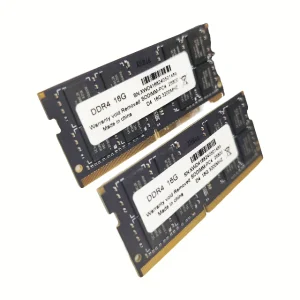
Explore our production catalog featuring compatible system memory, industrial-grade PCBs, and multi-layer PCBA assemblies.
 Corexis Memory