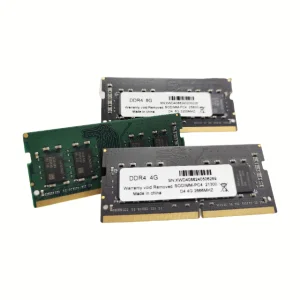
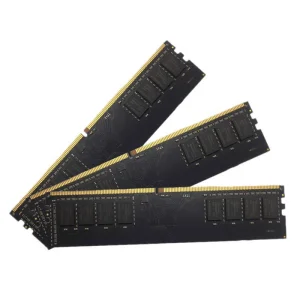
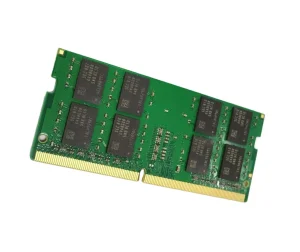
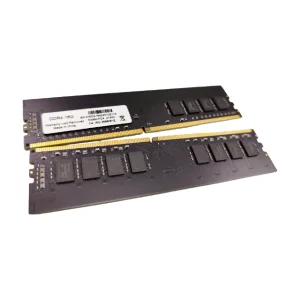
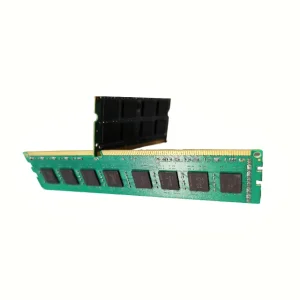
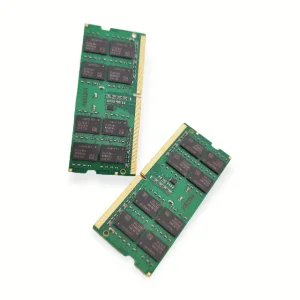
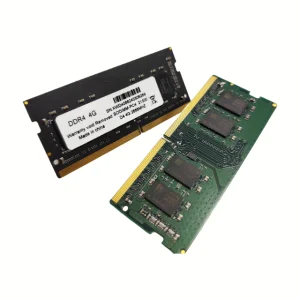
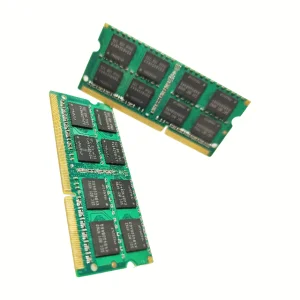
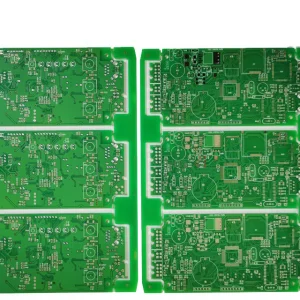
Explore our hot-selling, high-performance DDR4 memory modules, custom RF system components, and advanced PCB assemblies engineered for reliable data transmission.
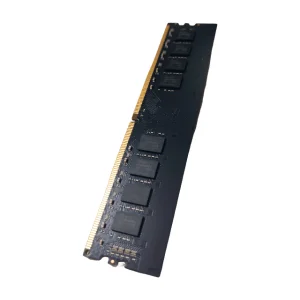
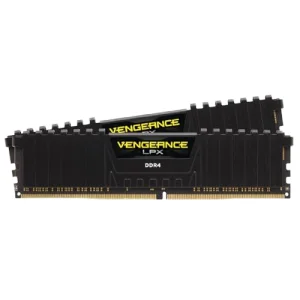
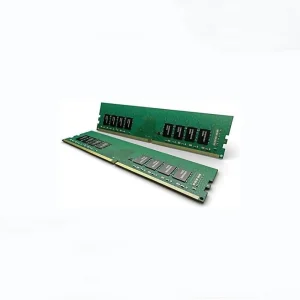
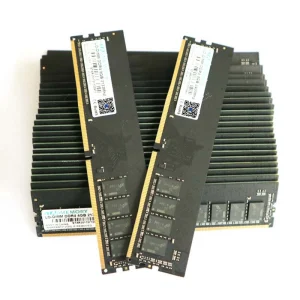
In the era of 5G, autonomous driving, hyper-scale data centers, and advanced AI systems, the requirement for flawless high-frequency and high-speed printed circuit boards (PCBs) has peaked. High-frequency circuit boards function as the neural pathways for data-heavy applications where electrical signal propagation delays, return loss, and electromagnetic compatibility (EMC) define system viability.
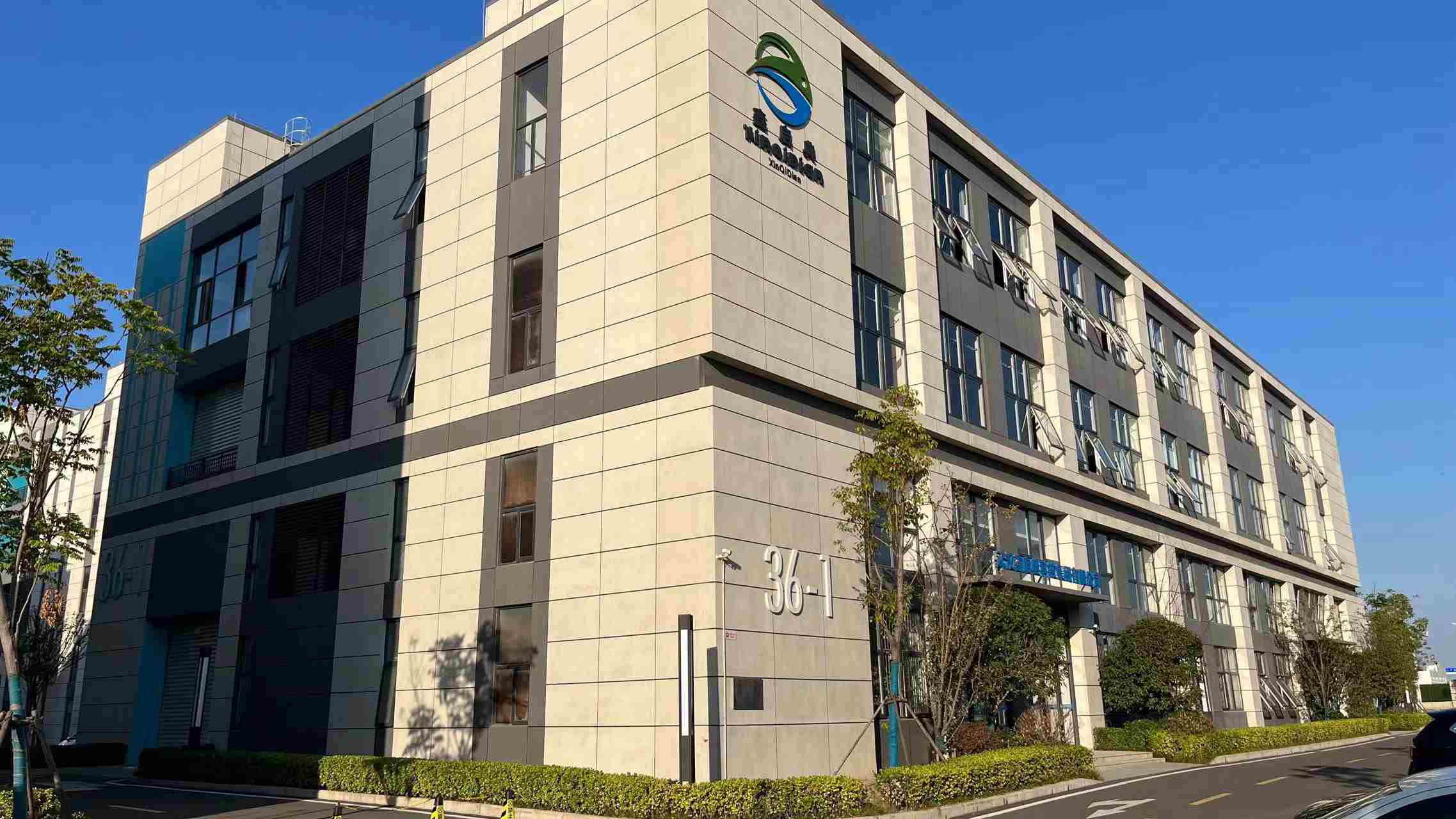
Corexis Memory Technology Co., Ltd., founded in 2016, has evolved into a premier global designer, manufacturer, and supplier of advanced DDR5/DDR4 high-speed memory systems and customized high-frequency circuit boards. With a sprawling, state-of-the-art 21,800 m² SMT and PCB assembly facility, we bridge the gap between high-frequency laminate fabrication and complex PCBA integration. Supported by 128 R&D Engineers and 56 Quality Assurance Specialists, we deliver robust, zero-defect hardware configurations tailored to modern computing frameworks.
As a leading OEM supplier, Corexis provides comprehensive services ranging from schematic capture, impedance simulation, material select matching, to high-precision SMT packaging. By combining industry-standard raw laminates (e.g., Rogers, Taconic, high-Tg FR-4) with high-density interconnect (HDI) technologies, we build circuitry that limits insertion loss and maintains impedance matching tolerances below ±5% at multi-gigahertz thresholds.
The electronics industry is experiencing a profound paradigm shift. Historically, standard FR-4 substrates were sufficient for processing clock speeds in the megahertz range. However, modern high-speed interfaces like PCIe Gen 5/6, DDR5 DRAM, and millimeter-wave RF transceivers operate well into the gigahertz spectrum. Signal degradation mechanism dynamics—namely the skin effect, dielectric absorption, and capacitive crosstalk—exacerbate with higher frequencies, necessitating specialized design topologies.
Adopting ultra-low dissipation factor ($D_f$) materials like PTFE, Rogers RO4000 series, and Megtron 6 to mitigate RF energy absorption and heat generation at high frequencies.
Implementing blind and buried microvias to clear up routing space, shorten stub lengths, and eliminate resonant signal reflections in multilayer stackups.
Utilizing automated trace profile compensation and TDR testing to guarantee exact differential impedance values (e.g., 90Ω for USB/PCIe, 100Ω for Ethernet).
Today’s design trends demand hybrid stack-ups. In a hybrid design, expensive high-frequency laminates (such as Rogers RO4350B or Panasonic Megtron series) are paired with affordable standard FR-4 layers. This approach is highly effective: it keeps critical routing layers low-loss while maintaining mechanical structural integrity and managing production costs. Corexis excels at engineering these hybrid multilayer configurations, ensuring robust bonding and co-efficient of thermal expansion (CTE) matching across materials.
System integrators, medical device developers, and automotive tier-1 suppliers face common challenges when sourcing high-frequency printed circuit boards. The primary concern is obtaining components that offer stable dielectric properties under varying ambient conditions, such as high temperatures and high humidity, over long lifecycles.
Procurement managers must focus on the following parameters when selecting their manufacturing partners:
Corexis solves these sourcing pain points. We provide a single-source solution, managing everything from bare board fabrication to advanced SMT assembly. With 8 years of export history, we manage overseas logistics, maintain strategic inventories of essential laminates, and ensure that our products meet exact customer specifications when they arrive.
To support high-speed interfaces like DDR5 (reaching transmission speeds of up to 6400 MT/s and higher) and RF microwave transceivers, we design our board stack-ups to address electromagnetic compatibility (EMC) and thermal management. Our core engineering capabilities include:
| Parameter Category | Technical Specifications | Industrial Applications |
|---|---|---|
| Substrate Materials | Rogers (RO4003C, RO4350B), Taconic, Megtron 6, High-Tg FR-4 (IT180A) | Base stations, Aerospace radar, Automotive ADAS sensors |
| Dielectric Constant ($D_k$) | 2.20 – 10.2 (Stably controlled within ±0.05 tolerance) | RF amplifiers, Patch antennas, Satcom equipment |
| Dissipation Factor ($D_f$) | 0.0009 – 0.004 (Ultra-low dissipation options) | Millimeter-wave devices, high-speed digital computing backplanes |
| Impedance Tolerance | Standard: ±10%, Precision: ≤ ±5% (TDR verified) | DDR4/DDR5 routing, differential lines, PCIe slots |
| Via Engineering | Blind, buried, microvias, laser drilled, resin filled, backdrilling | Multi-layer HDI designs, high-density computing boards |
| Surface Finish | ENIG, ENEPIG, Immersion Silver, OSP, HASL Lead-Free | Gold-wire bonding designs, corrosive environment hardware |
In high-frequency systems, thermal management is as critical as signal routing. High-performance components generate significant heat, which can shift the dielectric properties ($D_k$) of the surrounding substrate. Corexis uses localized copper coins, thermal vias, and heat sinks to maintain uniform operating temperatures across the circuit assembly, preventing signal drift.
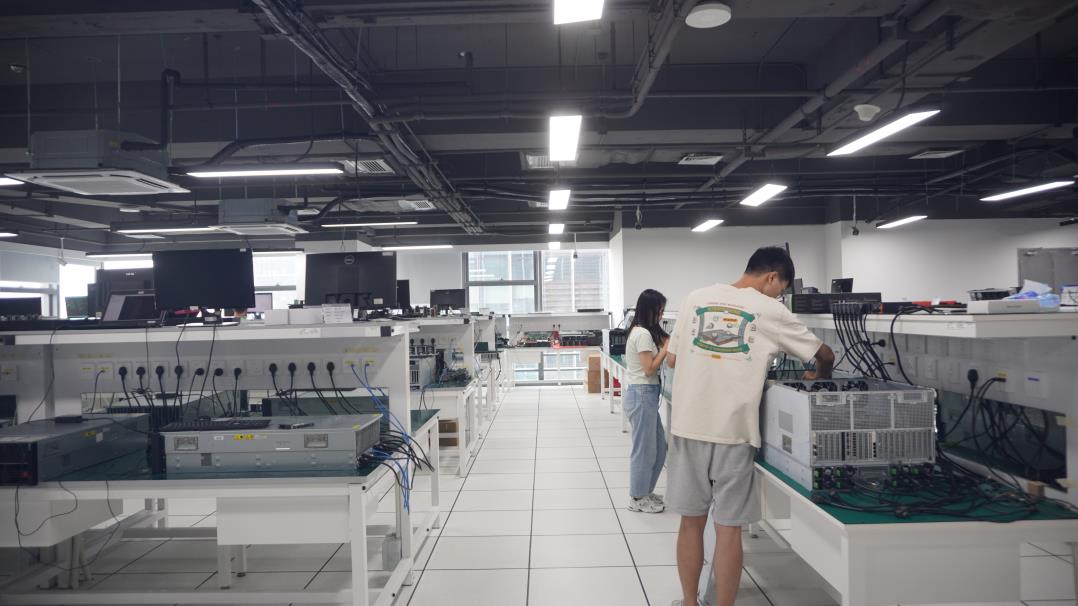
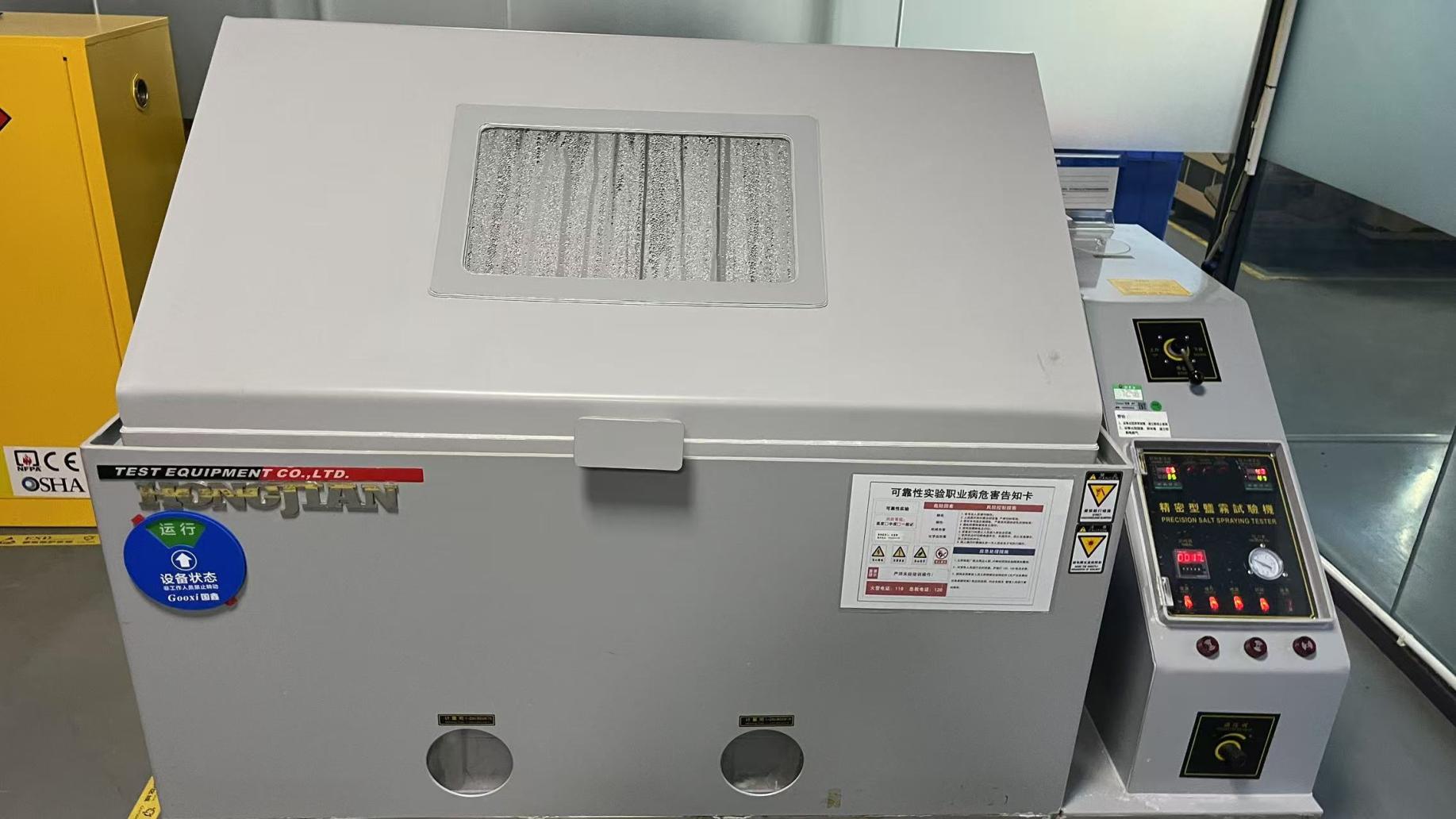
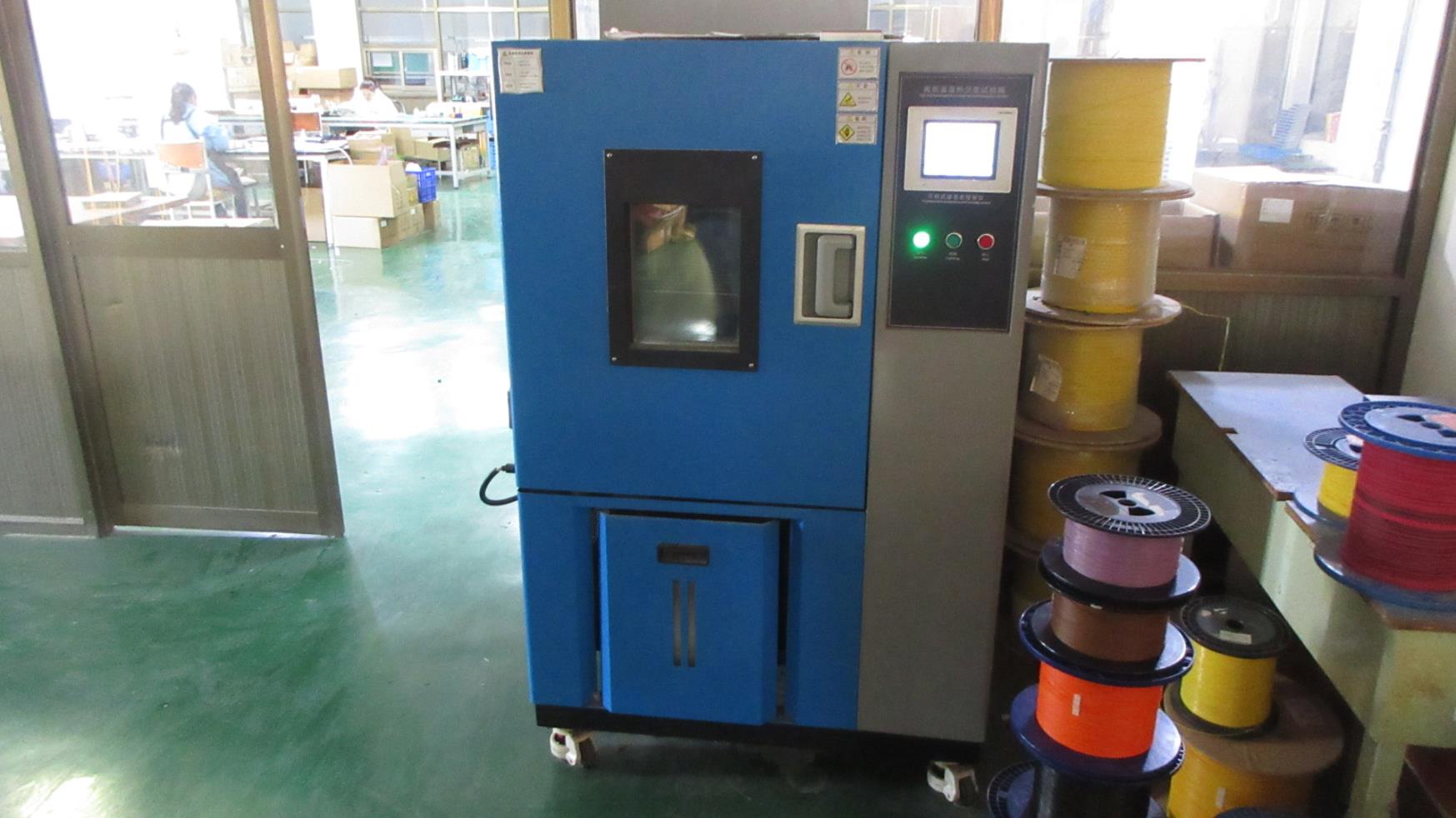
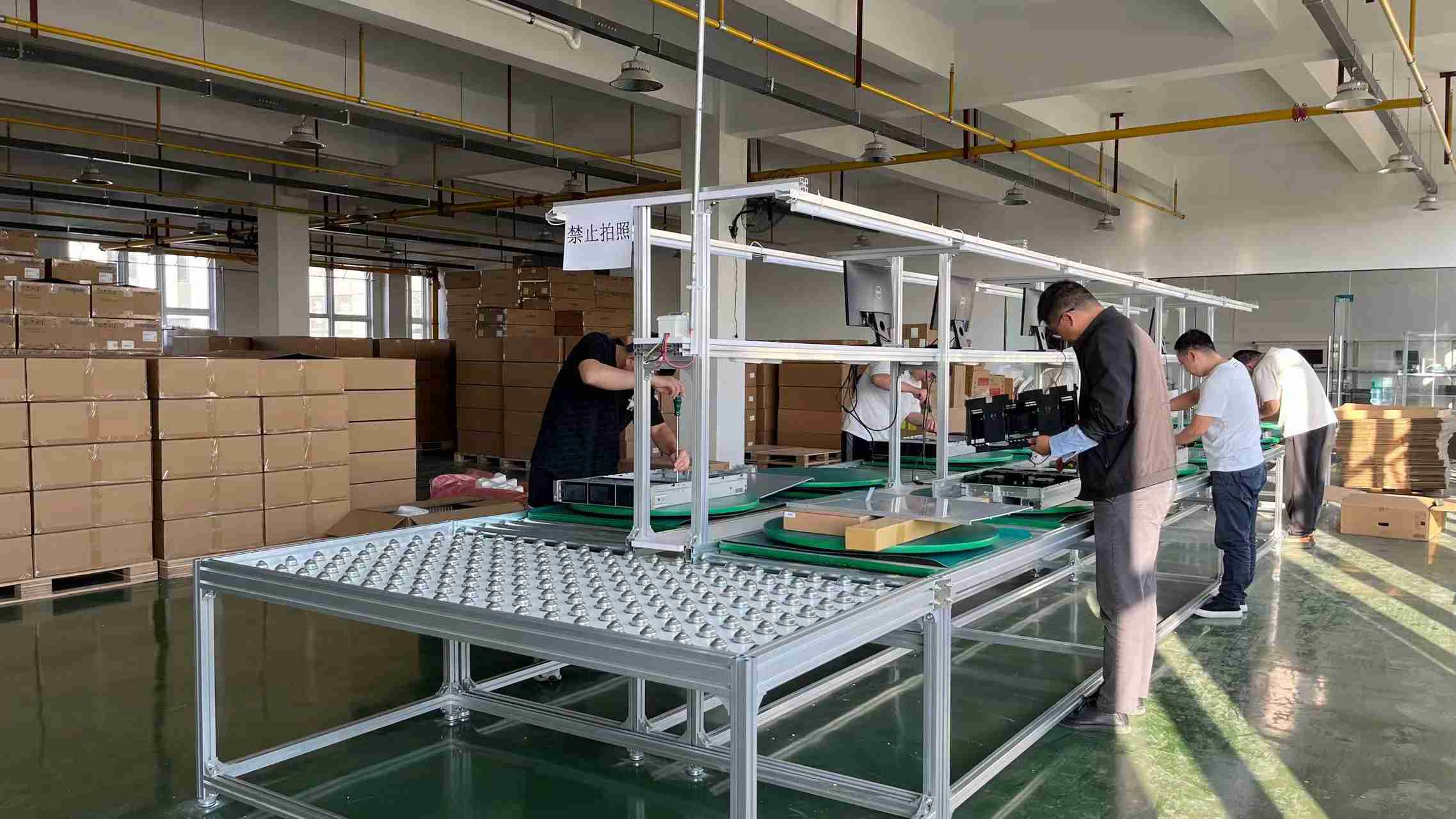
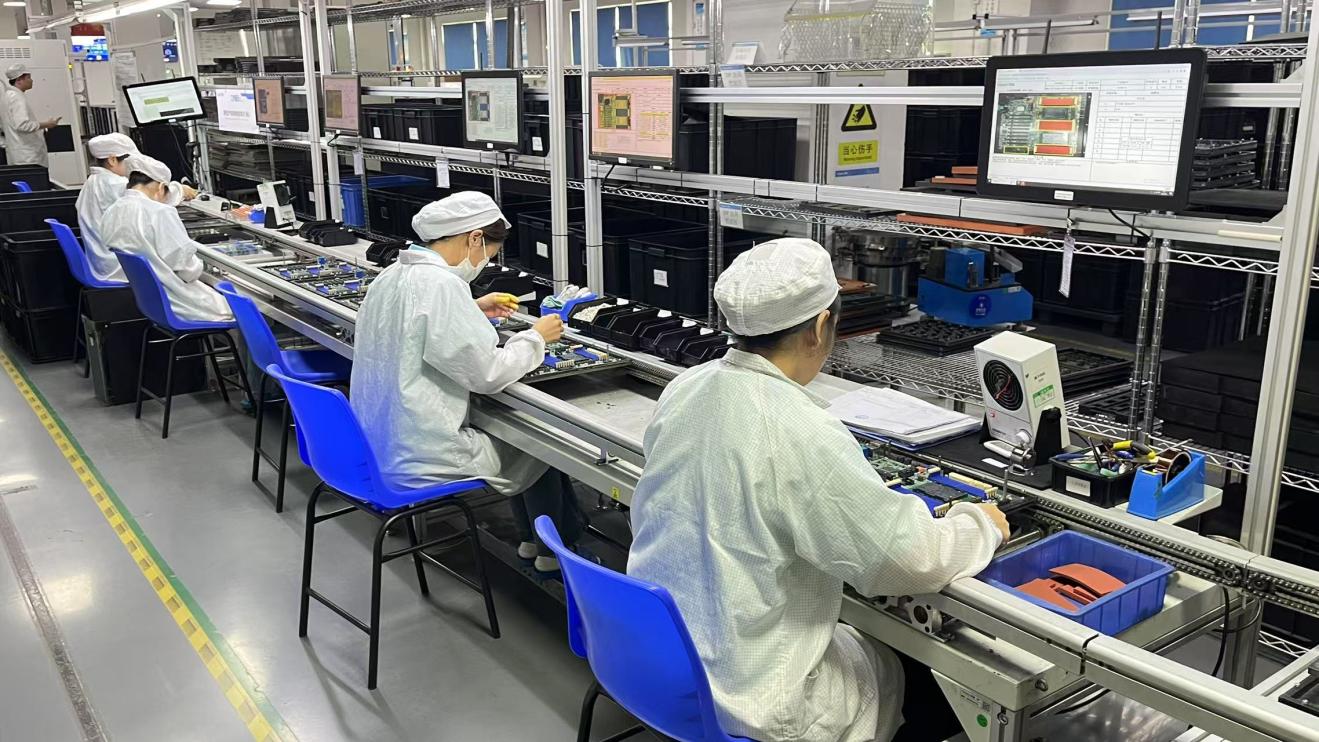
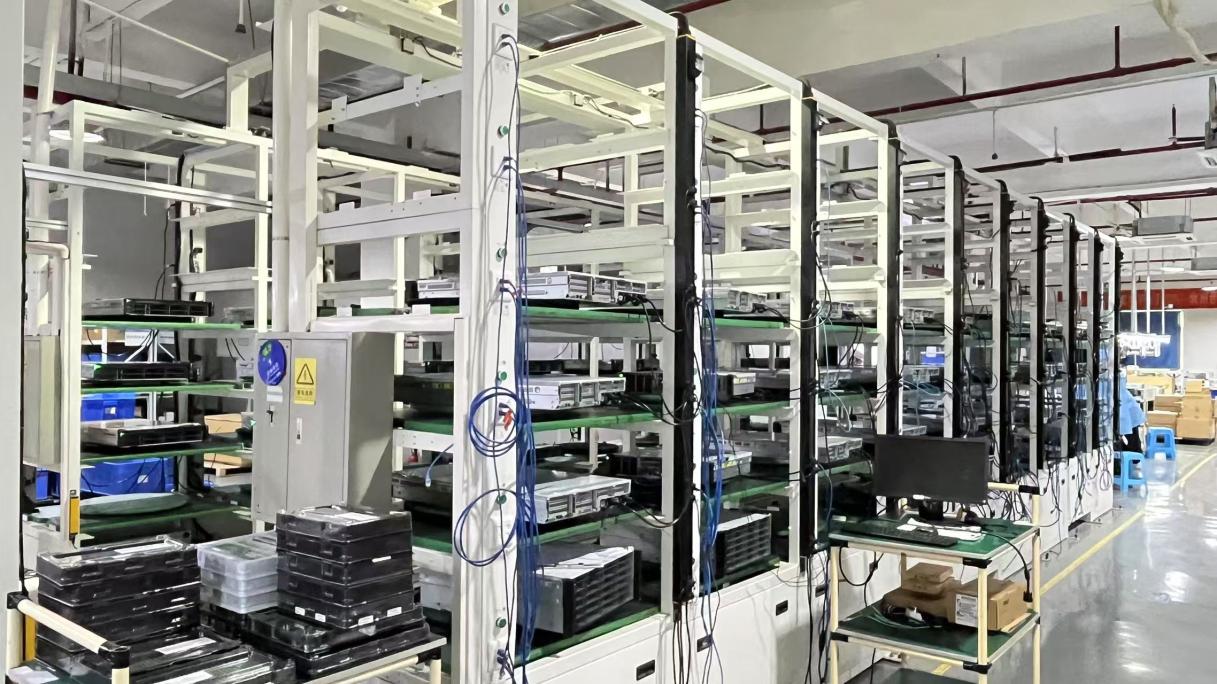
Operating from a modern 21,800 m² cleanroom environment. We integrate automated optical testing, precision component placement, and strict environmental testing protocols.
As memory frequencies shift from DDR4 to DDR5 and look forward to DDR6, and as data pathways adopt PCIe 6.0 and CXL architectures, layout densities are intensifying. This trend drives the need for ultra-thin dielectric layers and finer trace widths (under 3 mils).
To support this evolution, Corexis has established a clear technical roadmap focused on:
By linking board fabrication directly with custom component assembly, Corexis ensures that every parasitics variable—from the board via to the IC solder joint—is managed for optimal signal performance.
Navigating international regulatory and environmental compliance is a critical part of our OEM/ODM services. All high-frequency PCBs and memory modules manufactured by Corexis adhere to major global standards. Our factories maintain lead-free production lines, ensuring full compliance with RoHS and REACH regulations. We also implement resin-filling processes for via-in-pad applications to prevent solder migration and improve assembly yield.
Our 128 R&D engineers work closely with local client engineering teams in North America, Europe, South America, and Asia. This collaborative approach allows us to address impedance matching adjustments, thermal layout optimizations, and design-for-manufacturability (DFM) issues early in the design cycle.
Get answers to critical design questions from our senior signal integrity and layout engineering department.
Browse our range of wholesale memory components, high-speed ECC modules, and customizable multi-layer PCBs designed for server and industrial applications.
 Corexis Memory