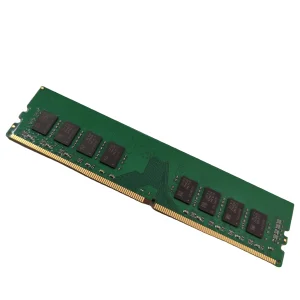
 Supplier Wholesale DDR4 16GB 3200MHz Desktop Memory Module Stock
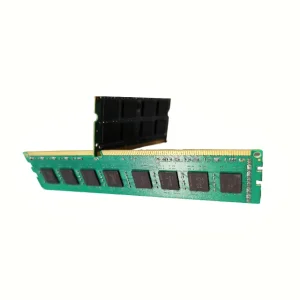 Factory Wholesale Laptop DDR4 RAM Memory Module 8GB/16GB 2400MHz/2666MHz ECC Stock
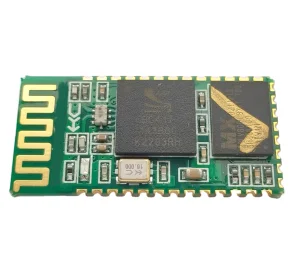 Original Factory High Sensitivity Electronic Circuit Board Pcb Assembly For Gold Metal Detector
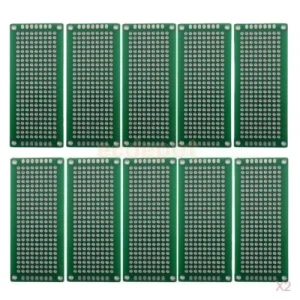 TOP PCB KB6160 FR4 Double sides PCB printed circuit board China Manufacture 4 layer pcb circuits
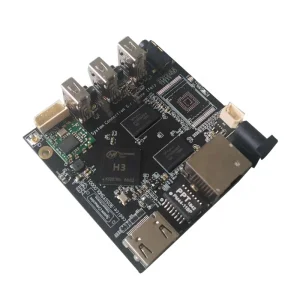 PCB Assembly PCBA Manufacturer Services Other PCB & PCBA for Set-top Box
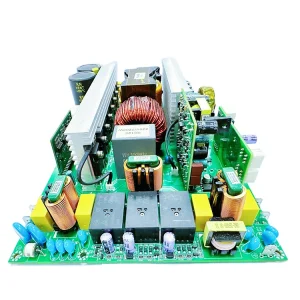 New energy photovoltaic inverter development PCB circuit board small batch customization
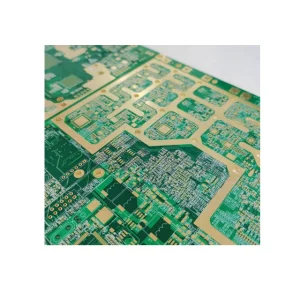 TOP PCB High frequency board Shengyi FR4 High TG170 Rogers 4000 Mixed Pressure
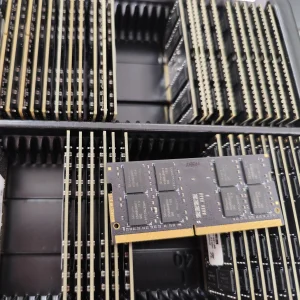 Factory Wholesale DDR4 Laptop Memory Module 4GB/8GB/16GB/32GB 1600MHz-3200MHz
In the era of miniaturization and high-frequency electronics, the transition from traditional lead-based soldering to Electrically Conductive Adhesives (ECAs) has become a technological imperative. As a leading manufacturer in the memory and PCBA sector, Corexis Memory Technology Co., Ltd. leverages these material advancements to deliver superior DRAM and circuit solutions.
Since 2016, we have integrated advanced adhesive technologies into our manufacturing processes, ensuring that our DDR5 modules and high-frequency PCBs meet the rigorous demands of AI, server, and industrial applications. Our expertise is not just in assembly, but in the science of connectivity.
The global market for conductive adhesives is projected to reach billions, driven by the shift towards lead-free assembly and flexible electronics. Key players in North America and Europe define the standards, while Chinese manufacturers provide the high-volume reliability needed for global supply chains.
Modern conductive adhesives, specifically silver-filled epoxies, provide dual-functionality: high electrical conductivity and superior thermal dissipation. This is critical for high-performance RAM modules and power bank PCBA where heat management determines longevity.
Adhering to RoHS and REACH standards is no longer optional. The industry is moving towards bio-based resins and halogen-free formulations to reduce the environmental footprint of electronic waste.
What differentiates the top 10 suppliers in this space? It's the intersection of material science and application-specific engineering. At Corexis, we evaluate our material suppliers based on:
The ability to provide both ICA (Conductive in all directions) and ACA (Conductive in one direction) for fine-pitch flip-chip bonding.
Maintaining conductivity through thermal cycling (-40°C to +150°C) is essential for automotive and industrial PCBA.
Snap-cure technology allows for high-speed SMT lines, directly impacting the export volume capacity for products like DDR4/DDR5 memory.
Conductive adhesives are not a "one size fits all" solution. Depending on the region and industry, the application varies significantly:
The next decade will focus on Nano-filler technology. By utilizing silver nanowires or graphene, suppliers can achieve higher conductivity with lower filler loading, improving the mechanical flexibility of the bond. This will be the foundation for 6G communication devices and Advanced AI hardware.
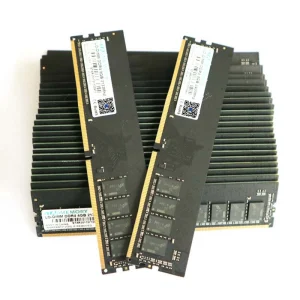 Shenzhen Desktop Memory Stick DDR4 8GB 2400 MHz High-performance Value RAM
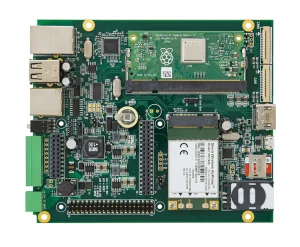 Raspberry Pi industrial control board circuit board ODM motherboard SMT assembly
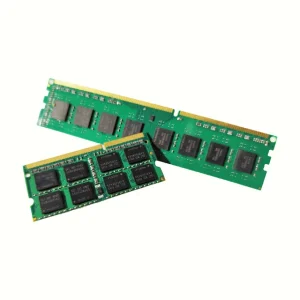 Factory Wholesale High-performance ECC DDR4 RAM 8GB/16GB/32GB 3200MHz
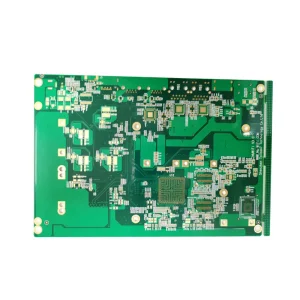 Prototype Printed Circuit Bank PCB multilayer PCB manufacturer WIFI Welding
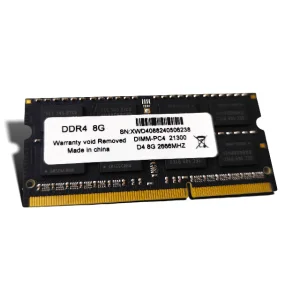 DDR4 8GB 2666MHz ECC PC4 Black Laptop RAM Module Universal Frequencies
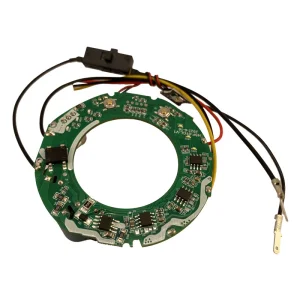 High-speed hair dryer control board PCBA Blower circuit board customization
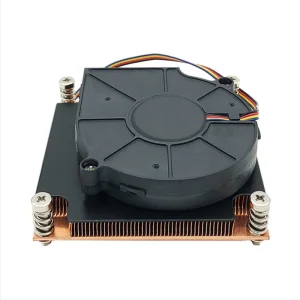 Heat sink LGA115X-1U3E 110W square motherboard copper server CPU fan
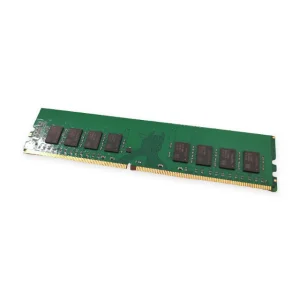 DDR4 Laptop Memory Module ECC 8GB 2400-2666MHz Lifetime Warranty
 Corexis Memory