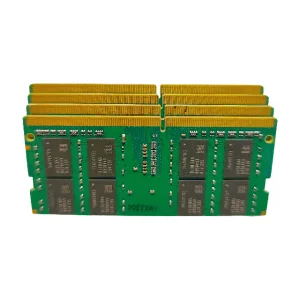
As data centers transition to high-density compute architectures fueled by generative AI workloads, large language models (LLMs), and complex database analytics, thermal management has evolved from a secondary infrastructure consideration to a primary performance bottleneck. Modern multi-core processors, combined with high-frequency DDR5 memory architectures, generate localized heat loads that standard air-cooling systems struggle to dissipate.
Historically, server thermal design was focused strictly on the CPU. However, with the emergence of high-speed DDR5 memory, which relocates power management directly onto the module via an onboard Power Management Integrated Circuit (PMIC), local thermal density has surged. Memory chips and localized system controllers now require targeted heat sinks, copper thermal blocks, and sophisticated airflow guides. Top-tier server cooling solution suppliers are expanding beyond generic fan-and-heatsink designs, offering highly integrated, co-engineered systems that optimize heat transfer directly from the silicon die to the external cooling loop.
Direct-to-Chip (D2C) liquid cooling loops are rapidly replacing traditional air-cooled solutions in environments exceeding 35kW per rack, ensuring stability under peak transactional load.
By shifting voltage regulation from the motherboard to the DRAM module, modern DDR5 layout demands custom-molded aluminum/copper alloy heat spreaders to prevent system throttling.
Hyper-scalers are prioritizing thermal suppliers whose solutions actively lower Power Usage Effectiveness (PUE) below 1.15 to comply with strict global carbon reduction policies.
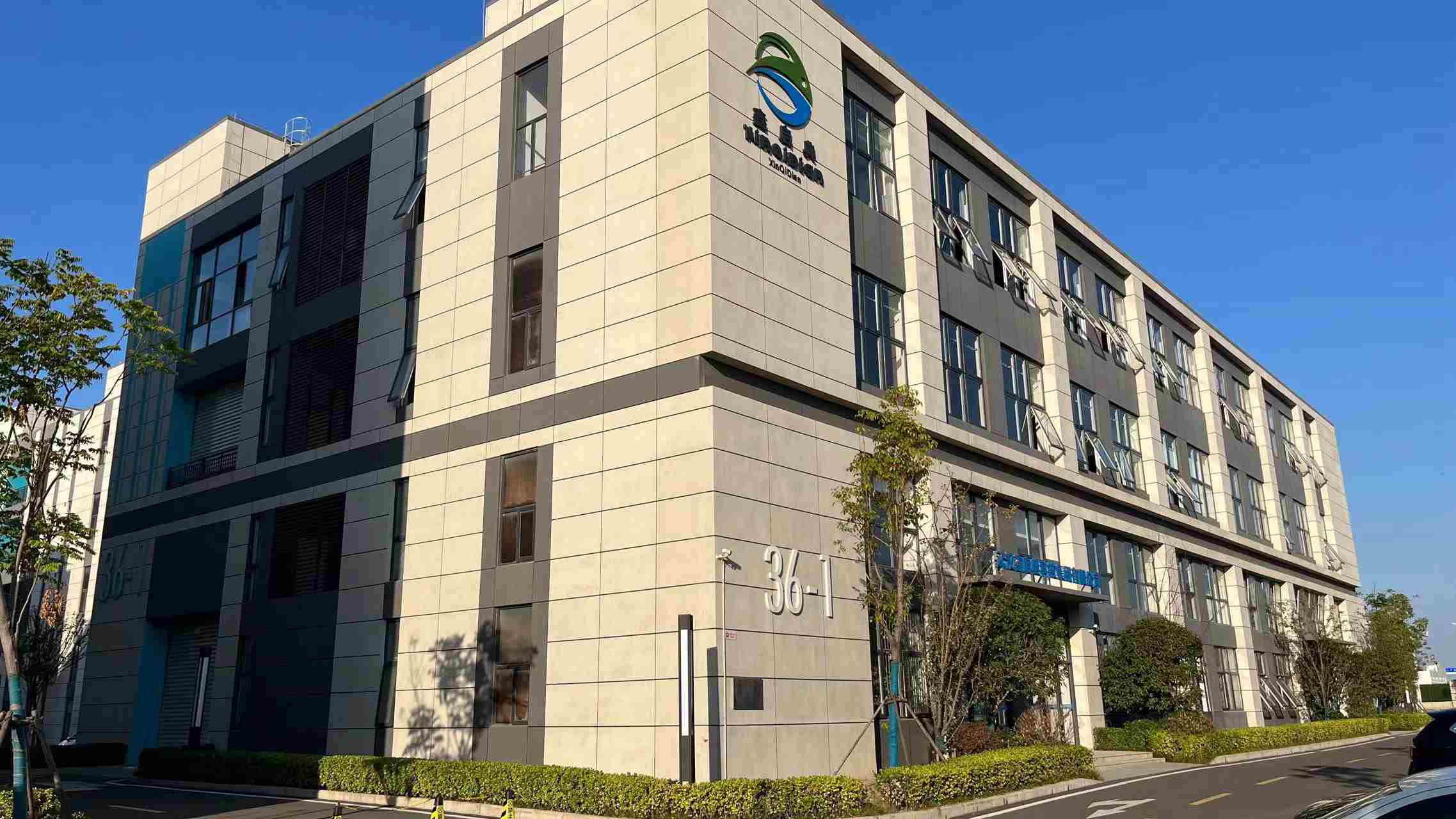
Corexis Memory Technology Co., Ltd. is an industry-leading professional DRAM and server hardware thermal manufacturer, dedicated to delivering high-performance DRAM solutions and robust heat dissipation products for global OEM, ODM, and system integration customers. Since our establishment in 2016, we have committed ourselves to memory module architecture innovation, advanced SMT manufacturing, and precise thermal engineering.
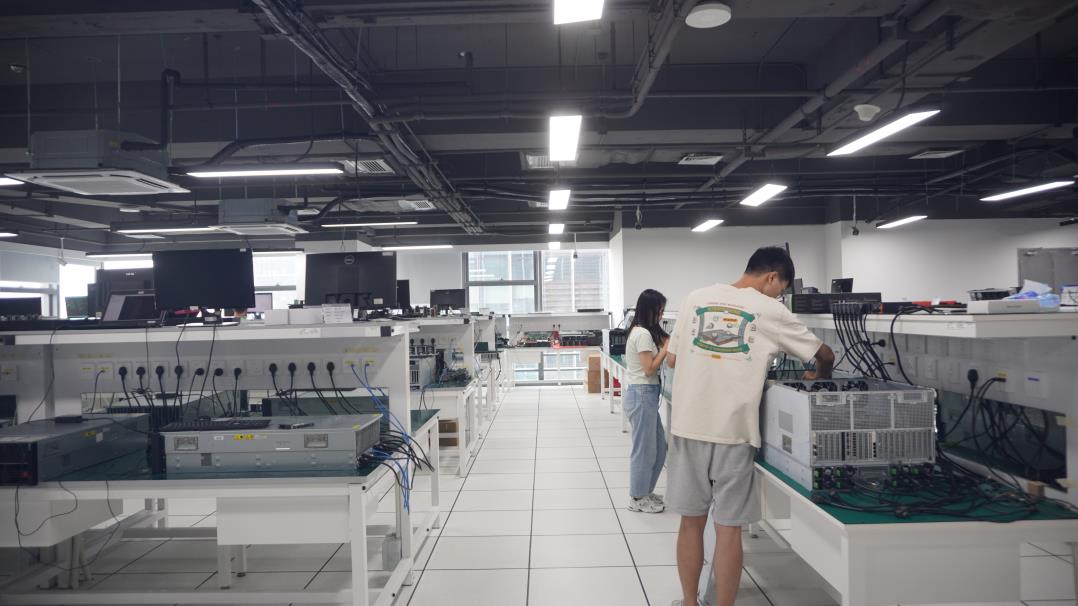
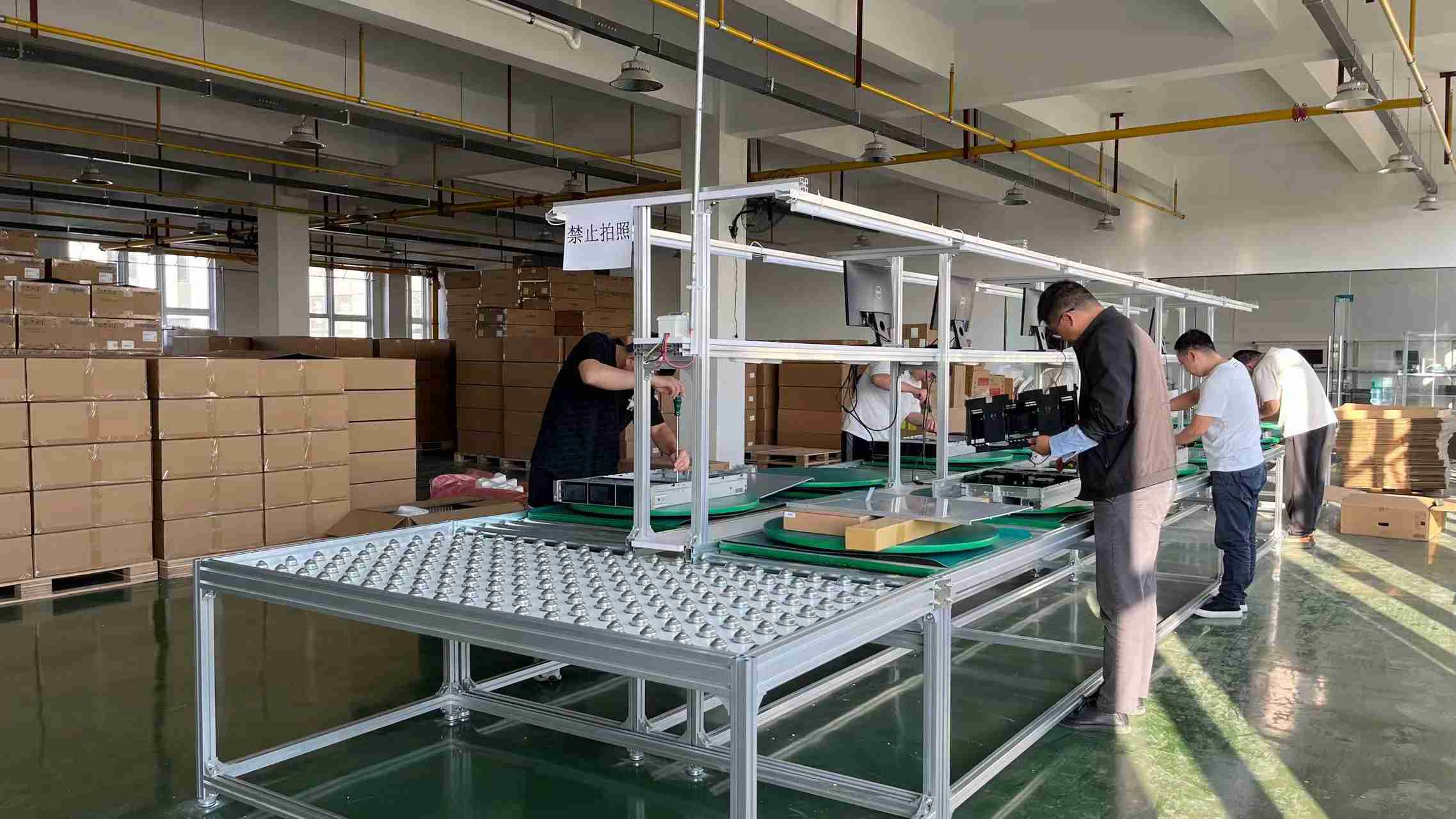
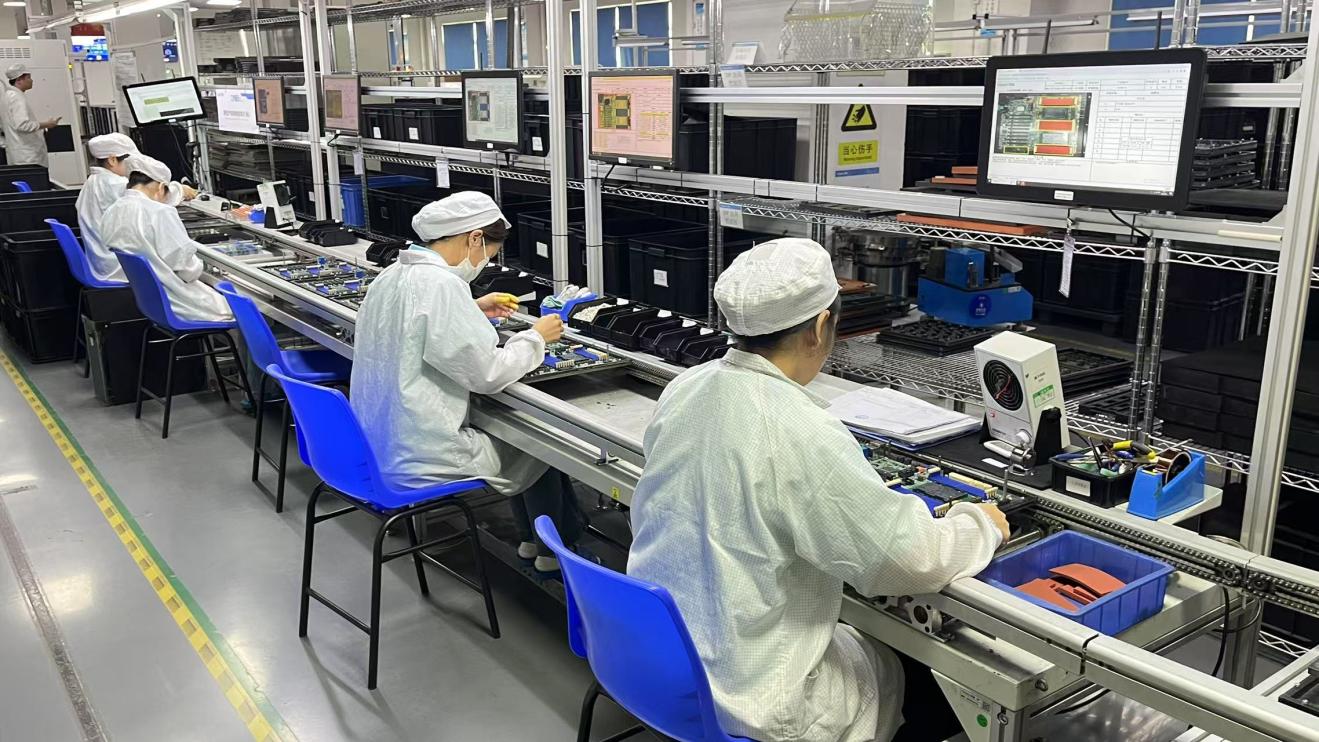
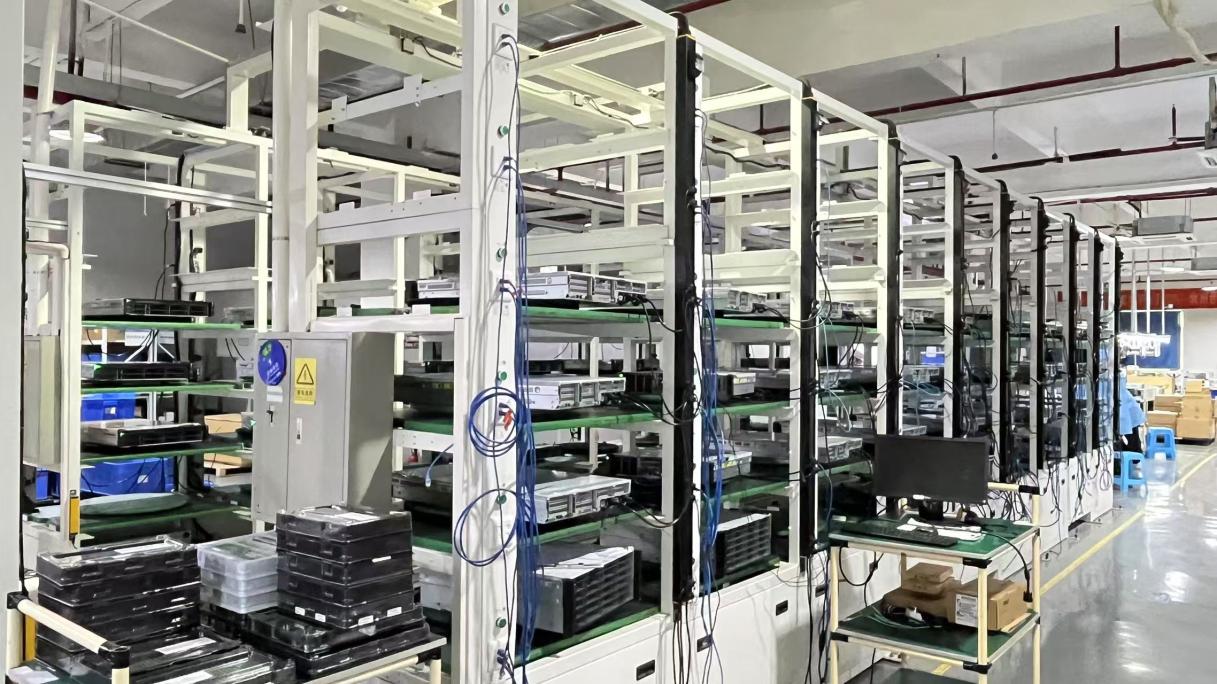
With a state-of-the-art manufacturing facility encompassing 21,800 m², Corexis integrates product research and development, high-density SMT production lines, extreme-temperature reliability testing, complex cleanroom packaging, and high-frequency validation under one roof. Our experienced engineering division continuously refines product lines to meet the strict compatibility demands of global system integrators.
Factory Footprint
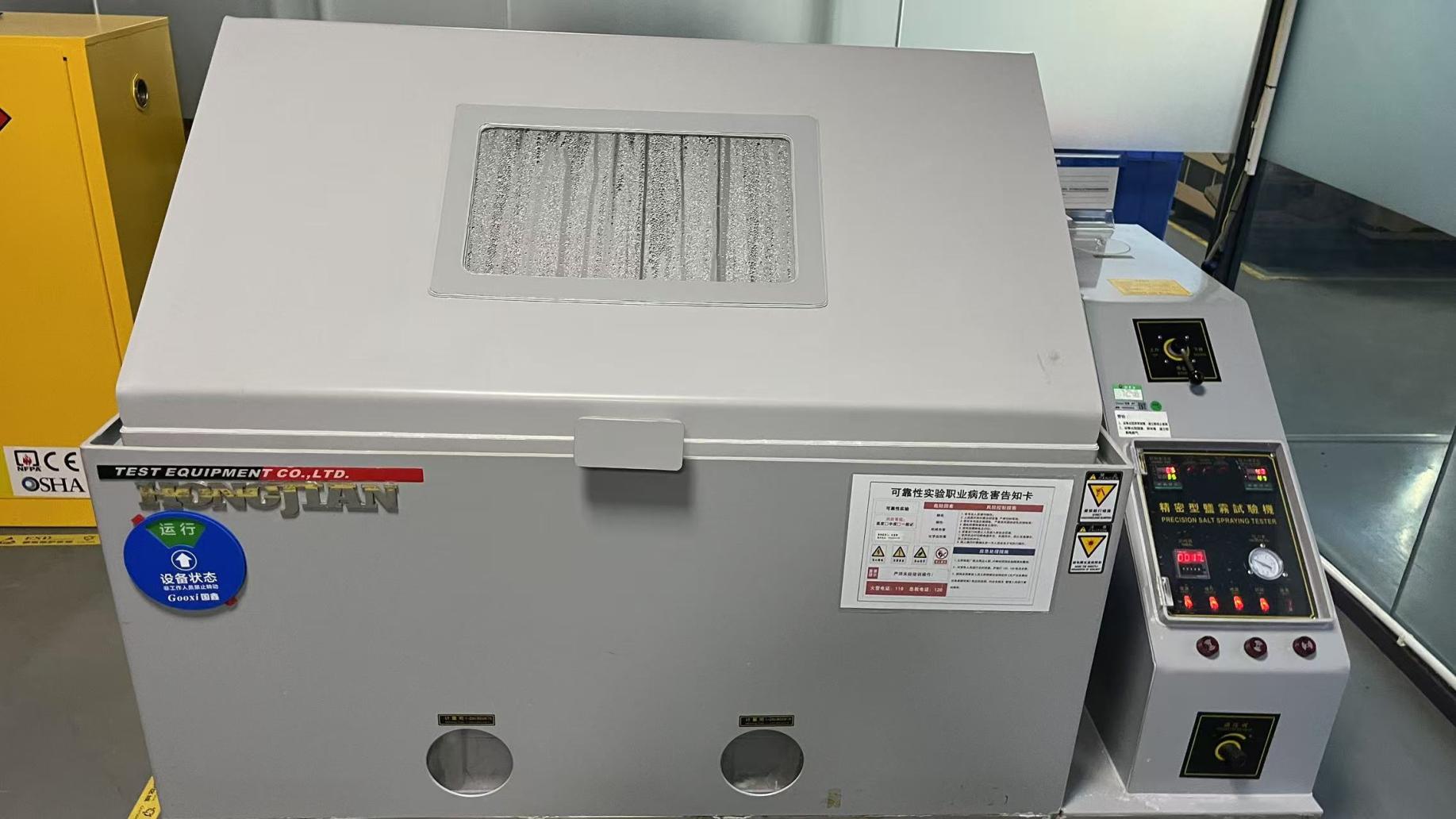
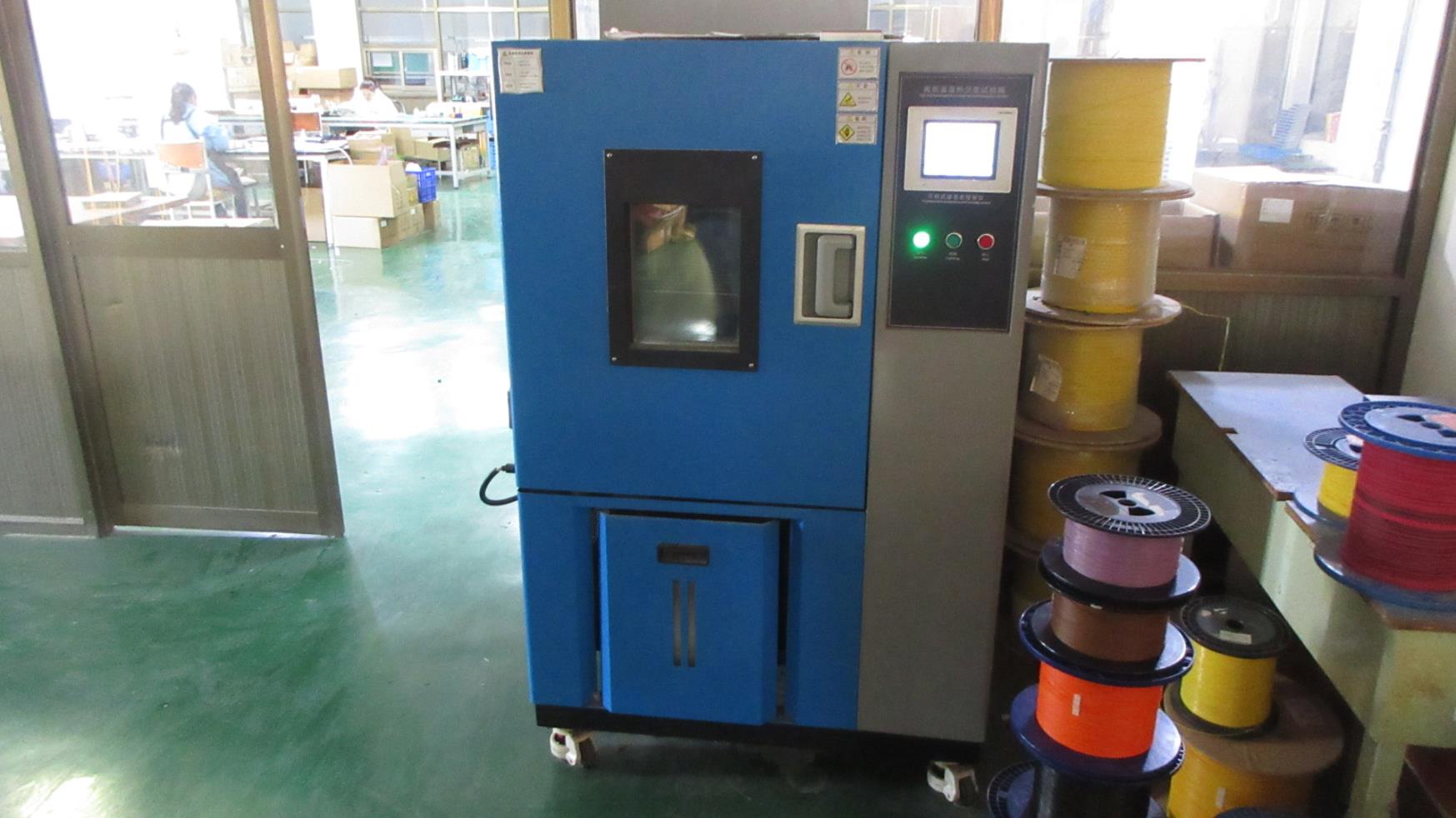
Pre-Shipment Testing
Supply Chain Partners
R&D Engineers
Procurement specialists working for hyperscale cloud operators, telecommunication networks, and large enterprise datacenters face a multi-faceted challenge. They must maintain high operational uptime while optimizing the power budget. As CPU Thermal Design Power (TDP) exceeds 350W and GPU accelerators push past 700W, traditional thermal management is no longer sufficient. Sourcing teams prioritize partners who offer high compatibility, low structural thermal resistance, and verified long-term mechanical reliability.
| Buyer Segment | Primary Thermal Challenge | Required Solution Specifications | Critical Compliance Criteria |
|---|---|---|---|
| Hyperscale Cloud (AWS, Azure, etc.) | Extreme rack density, high ambient temperatures, and energy overhead. | Custom water blocks, direct-contact copper heatsinks, vapor chambers. | Low PUE contribution, 5+ year MTBF, CE, RoHS. |
| AI / High-Performance Compute | Extreme heat localized on GPUs, DPUs, and DDR5 RAM banks. | Ultra-thin fin arrays, copper heat pipes, liquid immersion compatibility. | Thermal material chemical stability, non-conductive TIMs. |
| Telecommunications / Edge Nodes | Dust infiltration, limited space, lack of active local maintenance. | Passive aluminum heat sinks, sealed maintenance-free liquid units. | NEBS Level 3, anti-corrosion, IP65 ratings. |
| Enterprise Data Centers | Legacy facility upgrades with strict budget constraints. | High-efficiency active fans, universal copper heatsinks (e.g., LGA115X/1200). | Broad motherboard compatibility, minimal installation footprint. |
Additionally, the total cost of ownership (TCO) calculation has shifted. Previously, purchasing agents evaluated only the unit cost of components like CPU coolers or RAM modules. Today, they evaluate thermal performance over time: does the heat sink allow the system to run in "turbo boost" mode for extended periods without thermal throttling? A superior cooling solution effectively unlocks hidden computing value, allowing businesses to maximize their existing processor investments.
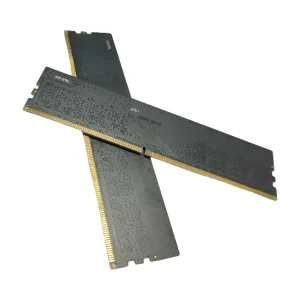
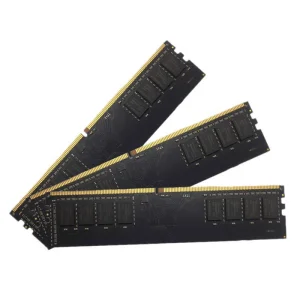
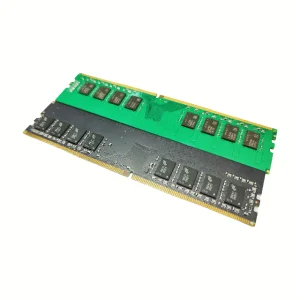
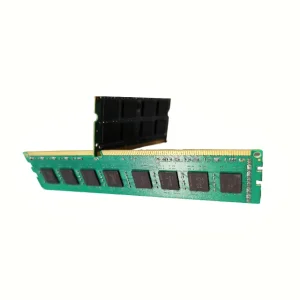
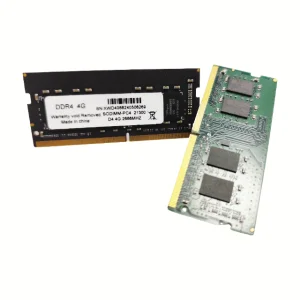
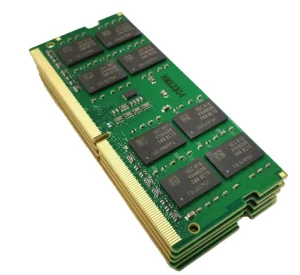
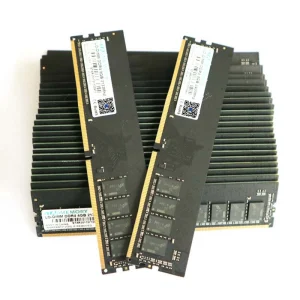
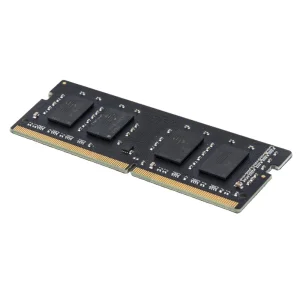
A server is a unified thermodynamic ecosystem. Modern architecture requires localized components to work together seamlessly. Take high-speed, high-density DRAM as an example: as memory modules run at 4800MHz to 6400MHz, signal integrity relies on stable physical temperatures. Corexis engineers custom-molded heat spreaders for DDR4 and DDR5 ECC RAM modules, utilizing advanced alloys with up to 230 W/mK thermal conductivity to ensure the PCB remains below critical limits.
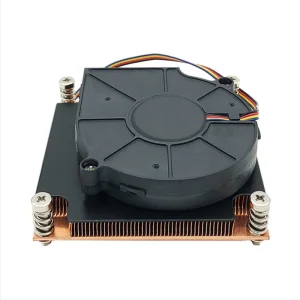
Unlike standard extruded heat sinks, skived-fin solutions use a single block of copper to eliminate joint resistance, enabling maximum thermal transfer in compact 1U/2U servers.
By shifting from solid-state pads to advanced phase-change interface materials, thermal resistance at the contact interface is reduced by up to 40%.
Advanced structural geometries minimize static pressure resistance, enabling server chassis fans to push hot air through Dense Fin blocks with less electrical consumption.
Our thermal testing chamber exposes components to rapid cycle changes, simulating decades of active deployment. For multi-socket systems supporting complex processors (such as LGA115X, LGA1200, LGA1700, and larger SP3/SP5 layouts), we evaluate not just the cooling potential but the mechanical clamping force. Proper mounting tension prevents motherboard warpage over long operation cycles while keeping interface pressure consistent.
Exporting high-value hardware requires structured quality assurance and supply chain discipline. With 8 years of dedicated export experience, Corexis has optimized its shipping pipelines to minimize customs friction. Our logistics division ensures all products arrive with complete documentation, including certified CE, RoHS, and FCC declarations of conformity.
To support system integrators globally, Corexis maintains localized technical consulting services. Whether you require custom layout adjustments for a specialized PCB design, thermal simulation data for your rack configuration, or RAM compatibility testing in regional server motherboards, our team of 128 R&D engineers is ready to assist. Through remote diagnostic tools and localized engineering partnerships in North America, Europe, and the Middle East, we help resolve compatibility issues quickly, preventing costly project delays.
As we approach the boundaries of physical silicon density, server design is undergoing a significant transition. Memory standard limits are constantly being pushed with DDR5, and preliminary specifications for DDR6 are already being defined. In response, Corexis's advanced product research division is focusing on two primary areas:
By continually investing our revenue back into design verification and structural testing, Corexis ensures that our global supply chain partners remain ahead of thermal and computational trends. This commitment to continuous development makes us a reliable partner for organizations looking to future-proof their compute infrastructures.
Our 21,800 m² production facility features high-speed SMT assembly systems, automated optical inspection scanners (AOI), and environmental test chambers. This equipment ensures all memory boards and thermal components meet the highest standards of reliability.
DDR5 modules introduce a major structural shift by relocating the Power Management Integrated Circuit (PMIC) directly onto the DIMM board. Under DDR4, voltage regulation occurred on the motherboard, spreading the heat over a larger surface area. On DDR5 modules, the localized PMIC can reach temperatures exceeding 80°C under full load, which requires specialized aluminum or copper heat spreaders to prevent system throttling.
Skived-fin copper heatsinks are machined from a single block of high-grade copper, eliminating the thermal interface boundaries found in bonded or soldered fin designs. This solid structure allows for quicker heat transfer from the processor. Skived fin configurations also allow for thinner fins and higher densities, increasing the total surface area for heat dissipation within tight 1U and 2U server height limits.
The TIM fills microscopic air gaps between the processor die and the cold plate or heatsink. Using standard thermal paste can lead to degradation, pump-out, and drying over years of continuous thermal cycling. Modern designs use phase-change materials or metal-alloy TIMs. These materials maintain contact pressure, reduce thermal resistance, and prevent thermal hotspots, ensuring stable operation during peak computing loads.
As silicon chips heat up, the chance of transient single-bit memory errors rises. In enterprise workloads, these errors can lead to data corruption or kernel panics. ECC RAM features an extra DRAM chip to detect and correct single-bit errors automatically. This capability ensures system stability even when high-TDP processors raise the internal temperature of the server chassis.
Enterprise sourcing teams should require detailed testing documentation, including Incoming Quality Control (IQC), In-Process Quality Control (IPQC), and Final Quality Control (FQC) reports. Additionally, suppliers must provide certifications for RoHS (Restricting of Hazardous Substances), REACH, and CE. Corexis implements a strict 100% full-inspection protocol and provides clear traceability data for all custom and mass-produced items.
 Corexis Memory