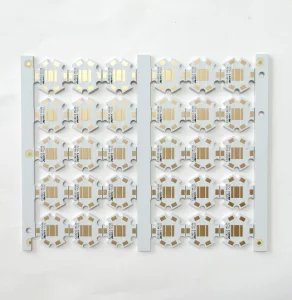
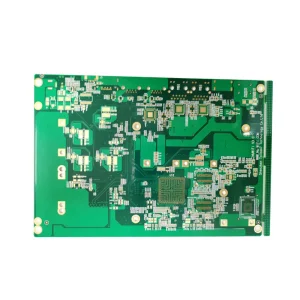
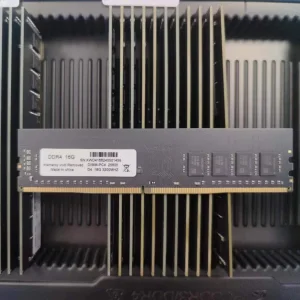
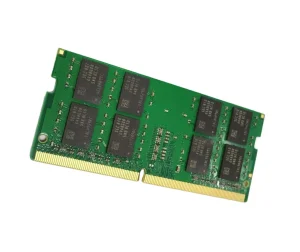
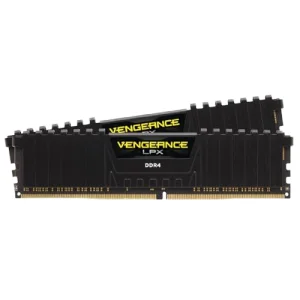
As the epicenter of global innovation, San Francisco and the broader Bay Area demand electronic components that push the boundaries of physics. Aluminum PCBs (Metal Core PCBs) have emerged as the foundational technology for this progress. From the mission-critical aerospace projects in the South Bay to the burgeoning Electric Vehicle (EV) infrastructure startups in the SoMa district, thermal management is the primary bottleneck for next-generation hardware.
In San Francisco, we see a unique convergence of GreenTech and AI Infrastructure. Aluminum PCBs are utilized extensively in:
Manufacturing Base
R&D Engineers
Annual Export (USD)
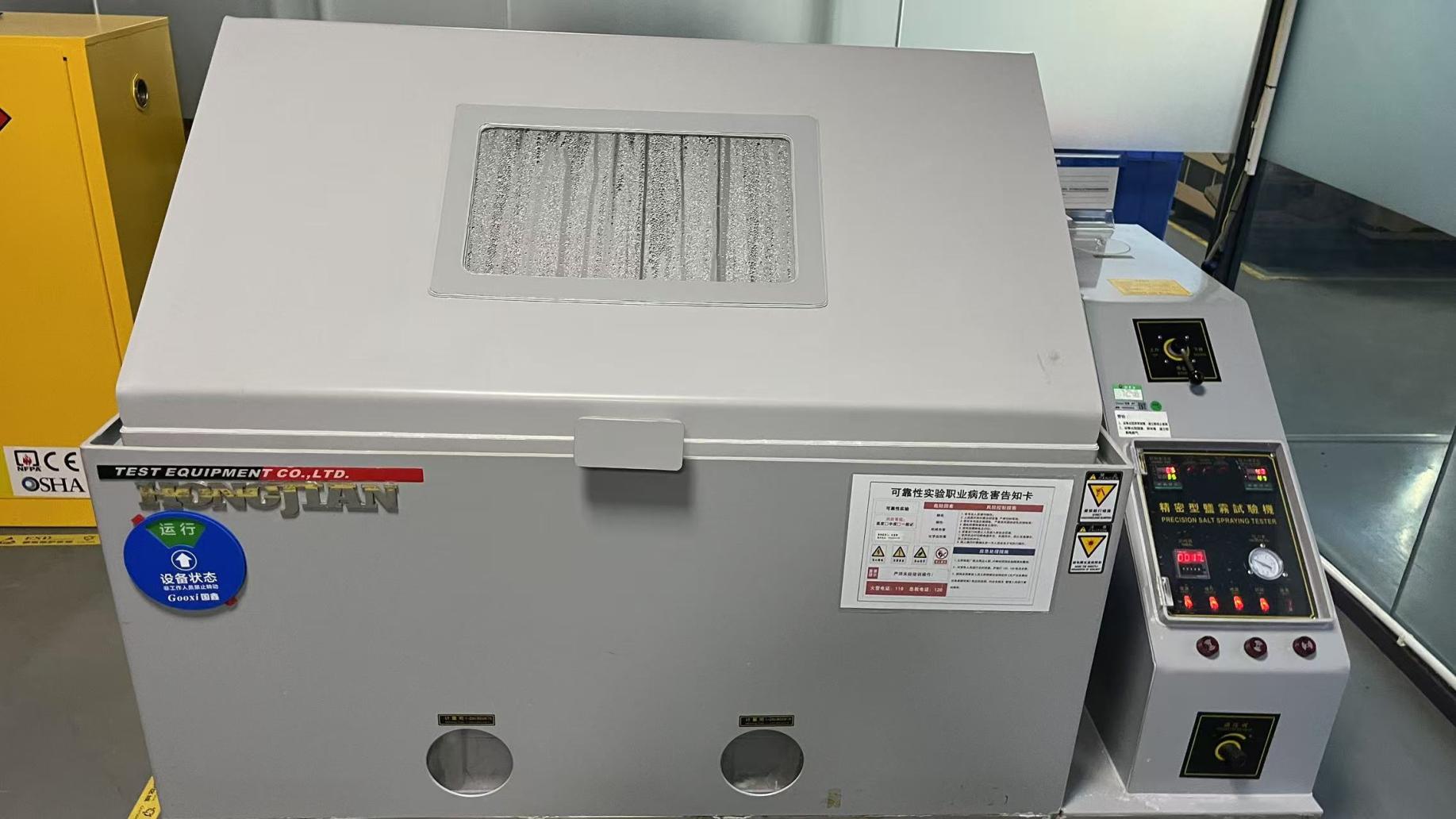
Quality Inspection
The global Aluminum PCB market is projected to grow at a CAGR of 6.5% through 2030. This growth is driven by the "Power Density" revolution. Traditional FR4 boards cannot survive the thermal loads of GaN (Gallium Nitride) and SiC (Silicon Carbide) semiconductors. As a leading Aluminum PCB Factory and Supplier for San Francisco, Corexis Memory Technology Co., Ltd. bridges the gap between Asian manufacturing scale and Silicon Valley engineering requirements.
Technical Roadmap & Future Outlook: The industry is moving toward "Thin-Film Dielectrics" where the insulation layer is less than 50 microns but offers breakdown voltages exceeding 6kV. Our roadmap includes the integration of 8.0 W/m-K ultra-high thermal conductivity materials to support the next wave of AI servers and edge computing nodes being deployed in SF data centers.
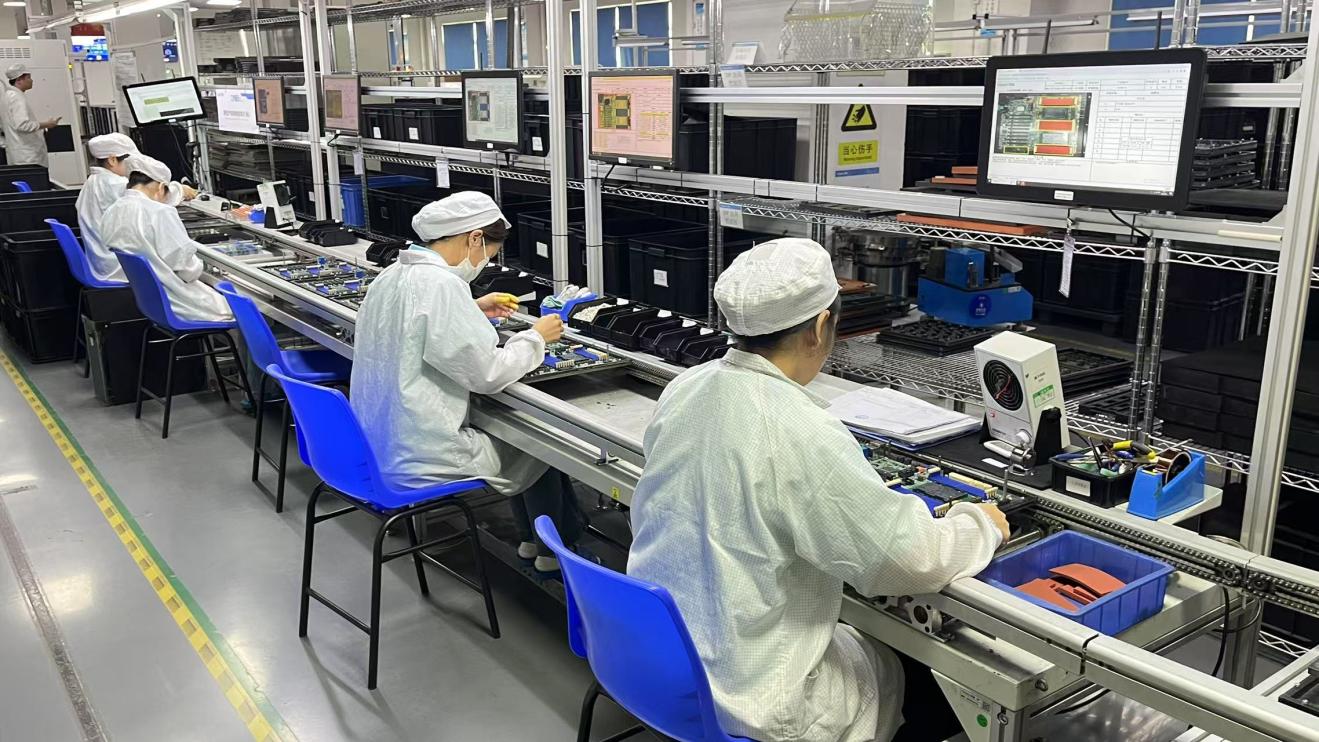
Automated assembly for 0201 components on metal substrates with zero-void soldering techniques.
Simulation-driven PCB design to optimize heat paths before the first prototype is manufactured.
Full RoHS and REACH compliance, meeting the strict environmental standards of California's regulatory framework.
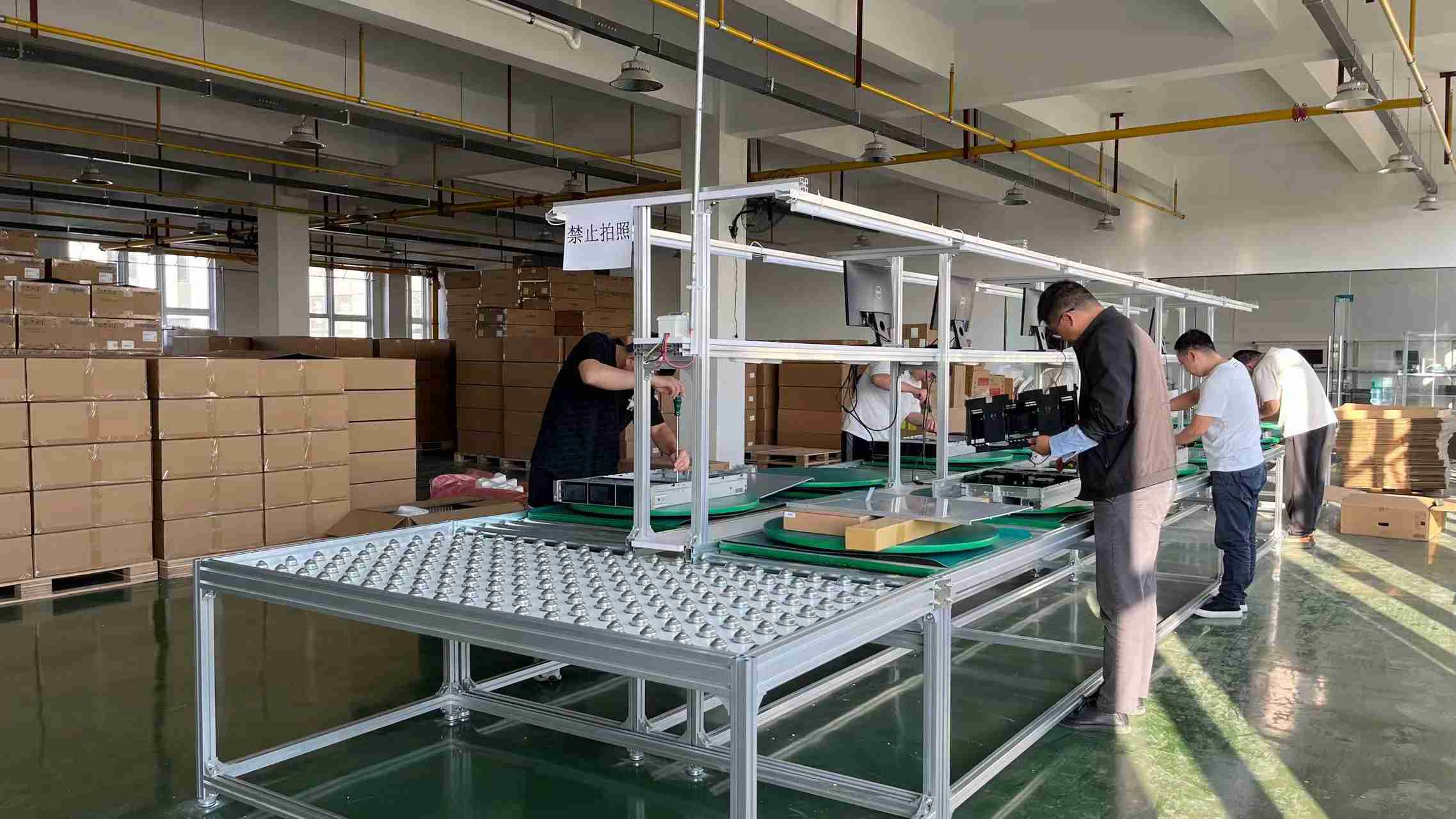
Established in 2016, Corexis is more than a manufacturer; we are an engineering partner. With over 10 years of industry experience, our 21,800 m² facility is a powerhouse of DRAM and PCB production. We serve as a critical node in the global supply chain, partnering with over 1,120 suppliers to ensure material stability even during global shortages.
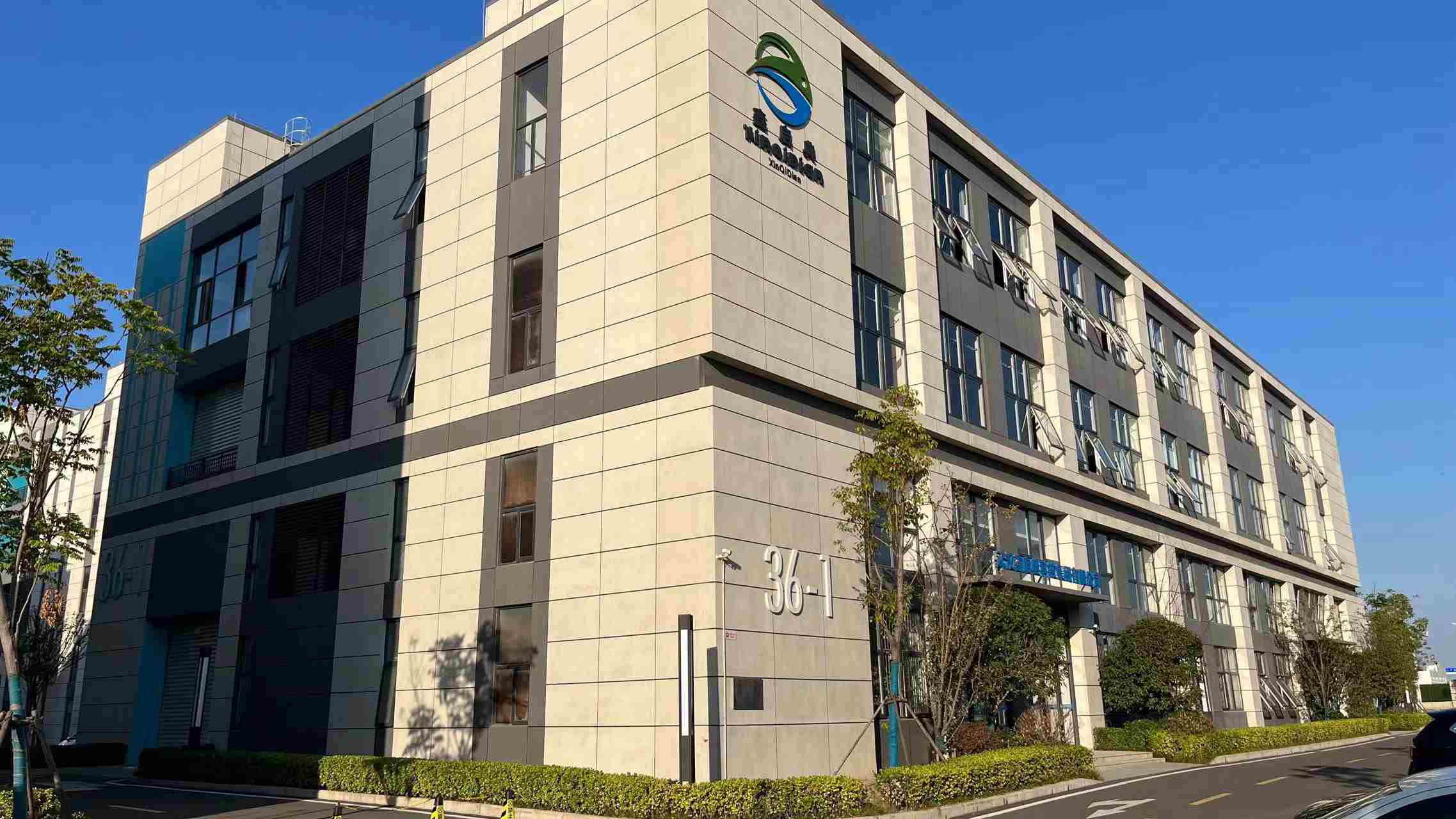
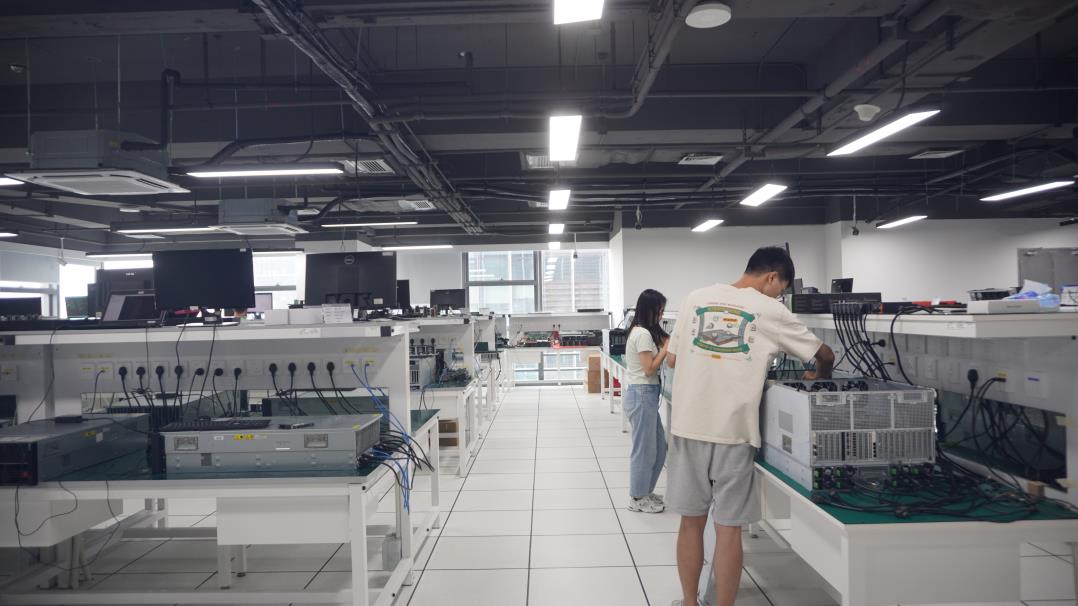
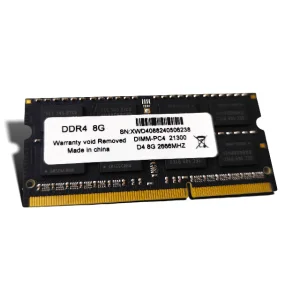
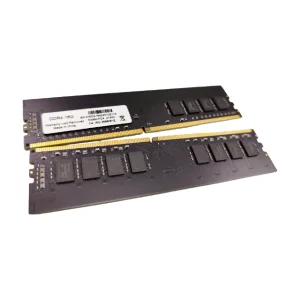
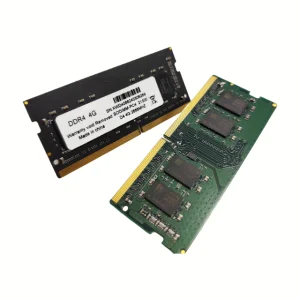
Corexis Memory Technology Co., Ltd. is a specialized manufacturer dedicated to high-performance DRAM and MCPCB solutions. Our mission is to provide the "Cooling Backbone" for modern electronics.
• Established: 2016
• Quality Control Staff: 56 Specialists
• Annual Revenue: $26.8 Million USD
• Industry Experience: 10 Years
• Main Markets: North America (Silicon Valley Focus), Europe, SE Asia
• Customization: Full OEM/ODM Service for PCB Design & DRAM Configuration
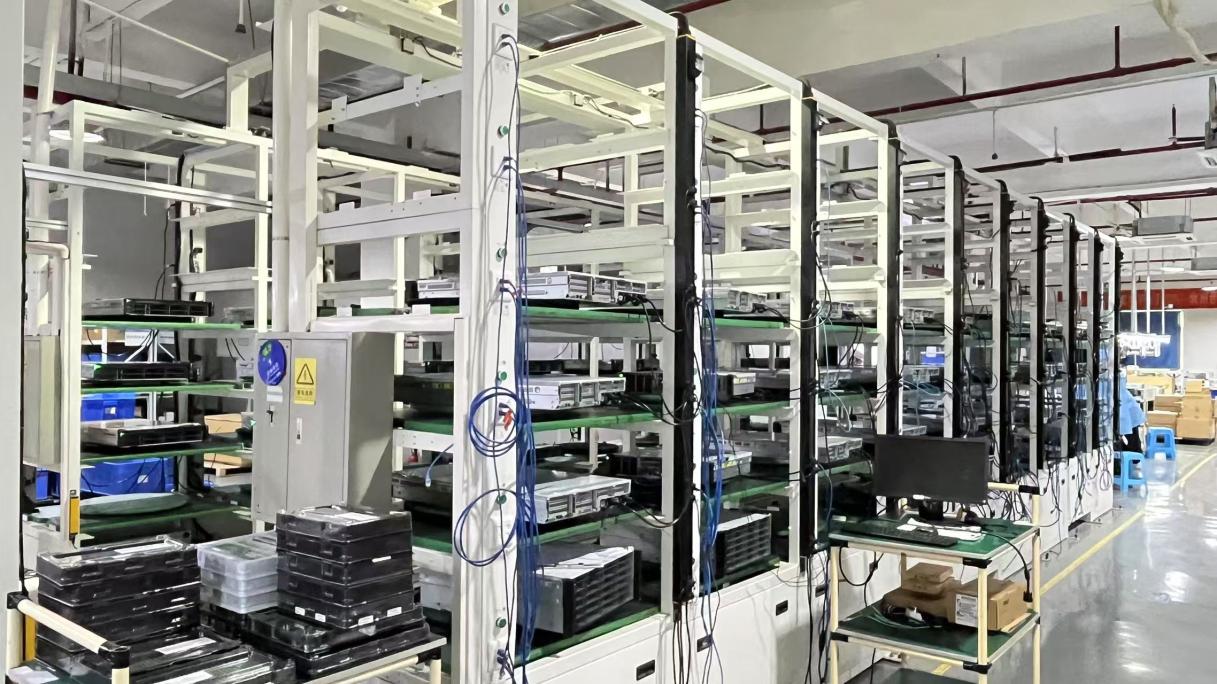
Our 21,800 m² factory integrates the entire production cycle. From SMT (Surface Mount Technology) to final reliability testing, we ensure every board that lands in San Francisco meets the highest standards of the IPC-6012 class. Our engineering team continuously optimizes firmware and hardware layouts to achieve maximum efficiency in heat dissipation, a key requirement for the power-hungry AI applications currently dominating the San Francisco tech landscape.
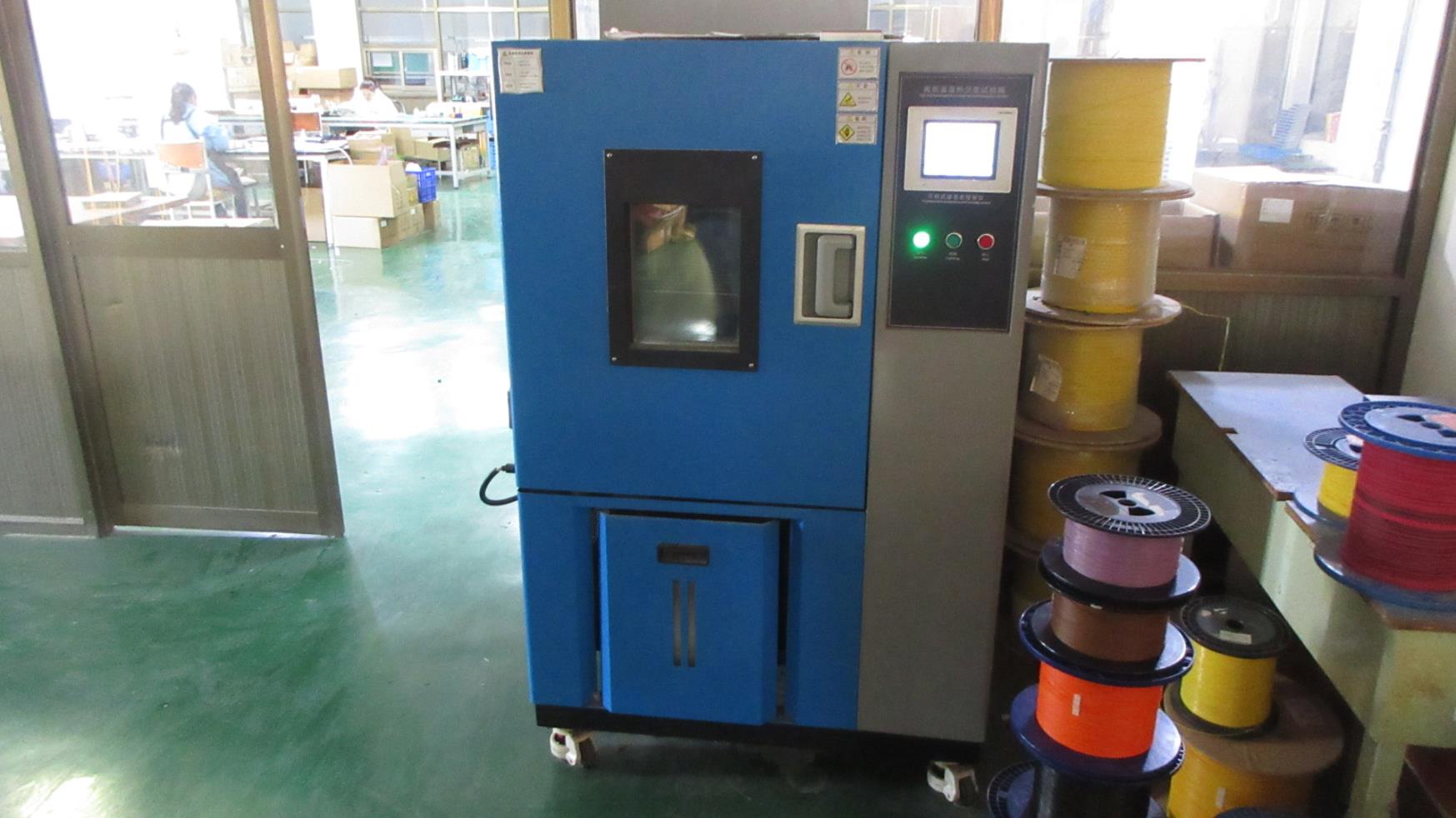
As we look toward 2025 and beyond, the convergence of 5G, Autonomous Vehicles, and AI will only increase the demand for Aluminum PCBs. For San Francisco-based engineers, choosing a supplier that understands "Thermal Impedance" as deeply as "Price Point" is vital. Corexis Memory Technology remains committed to being that partner, providing the material science and manufacturing precision needed to power the next great Silicon Valley breakthrough.
 Corexis Memory