High-efficiency thermal units developed to maintain stability and prevent performance throttling under high thermal design power (TDP) thresholds.
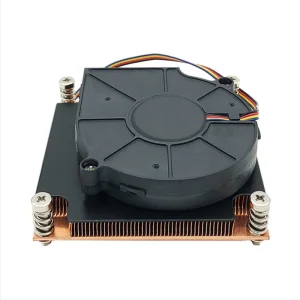
As Southeast Asia's primary digital nexus, Singapore manages over 60% of the region's data center capacity. However, operating hyperscale server clusters in a tropical climate presents significant thermal management challenges. Ambient temperatures averaging 32°C combined with high relative humidity place heavy operational demands on infrastructure cooling loops.
With the Singapore government imposing strict Power Usage Effectiveness (PUE) targets of 1.3 or lower under the IMDA's green data center guidelines, reliance on standard air cooling is no longer sufficient. Operators must deploy highly specialized, high-conductivity CPU and GPU radiators. Custom copper heat pipe assemblies and vapor chambers are required to transfer heat away from high-TDP processors effectively, reducing overall energy consumption.
Modern server deployments in enterprise settings utilize high-density chip architectures. Platforms like AMD's SP6 and Intel's LGA4189 run at elevated wattages, often exceeding 350W TDP per socket. Managing these thermal loads within standard 1U and 2U rack enclosures requires precise engineering.
Corexis addresses these demands by integrating high-purity copper fins, vacuum-sealed heat pipes, and optimized air-flow channels into our cooling solutions. This ensures uniform thermal dissipation, preventing hot spots and keeping component temperatures within safe limits.
Get Custom Design BlueprintProviding high-yield production, engineering speed, and cost efficiency for large-scale infrastructure deployments.
Located in the heart of China's electronics manufacturing hub, Corexis leverages a direct supply chain network of over 1,120 partners. This enables rapid sourcing of premium raw materials like oxygen-free copper and high-conductivity thermal interfaces, minimizing production lead times.
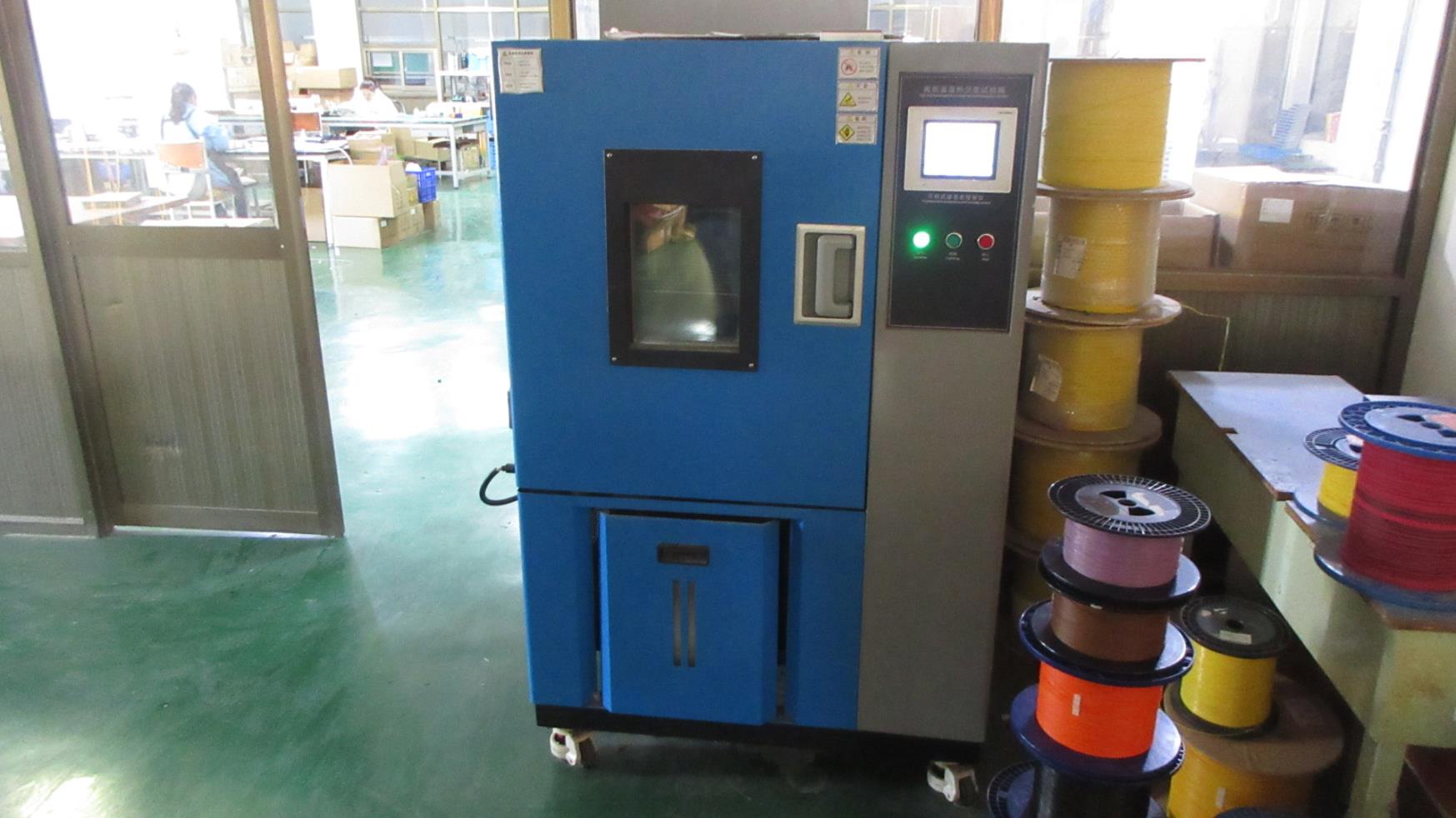
Our quality control processes include 100% inspection before shipment. Over 56 QA personnel monitor production, using procedures like helium leak detection, thermal cycling validation, and precision coordinate measuring machine (CMM) dimensional checks.
Supported by 128 R&D engineers, we design and produce customized vapor chambers and fin stack radiators within 15 days, adapting quickly to specific server chassis layouts and unique space constraints.
A trusted manufacturer of enterprise memory solutions, high-performance SMT designs, and high-conductivity thermal solutions for global compute operations.
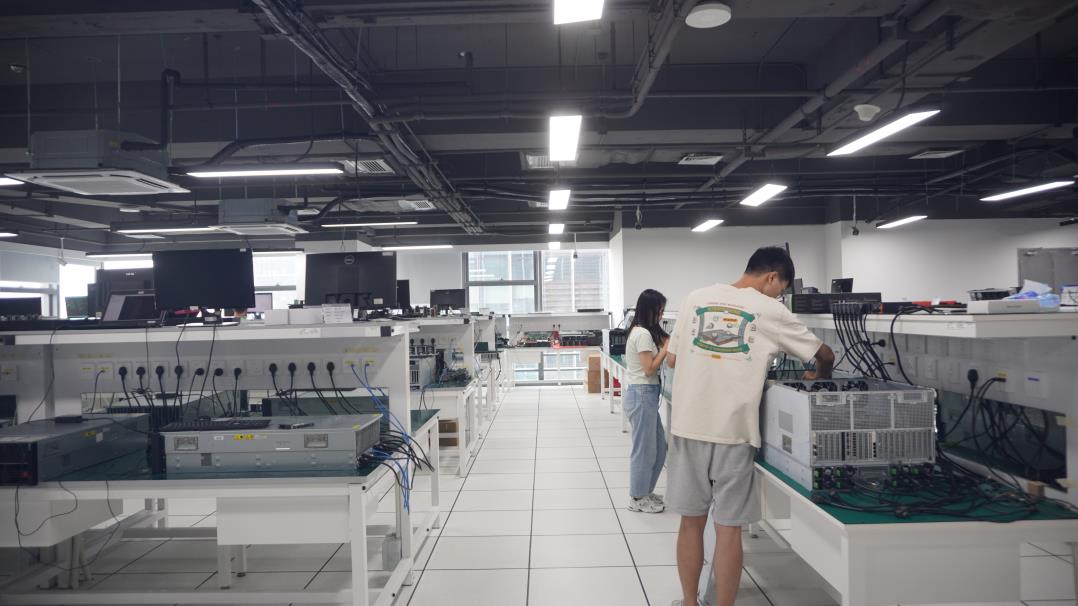
Since its establishment in 2016, Corexis Memory Technology Co., Ltd. has developed high-performance DRAM modules, complex PCB assemblies, and thermal dissipation systems for enterprise hardware. Our cleanroom facilities house advanced SMT production lines capable of precise components assembly for server configurations.
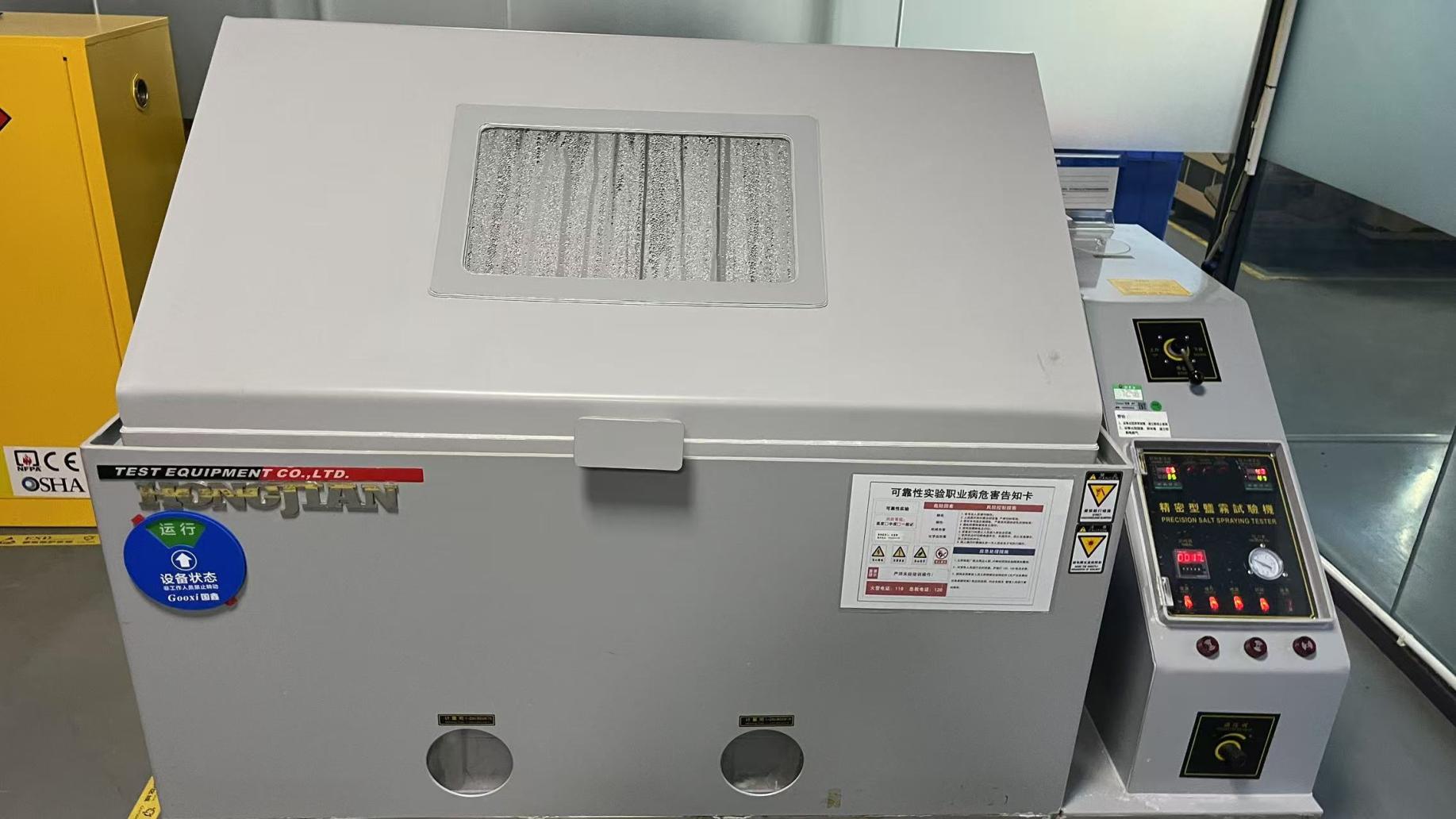
We implement comprehensive quality control checks, including Incoming Material Inspection (IQC), In-Process Quality Control (IPQC), and Reliability testing. Our thermal management division designs and validates cooling components for major server platforms.
Custom cooling and memory components engineered for specific infrastructure deployments across Singapore's digital networks.
Custom vapor chambers designed for 1U cloud servers deployed in central data hubs, such as Jurong East and Tampines. These systems are optimized to handle variable workloads while maintaining standard thermal profiles.
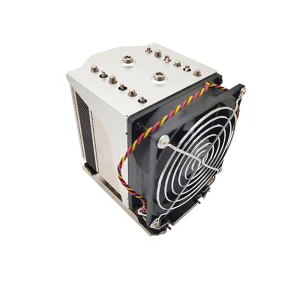
High-performance 3U/4U cooling systems with multi-heatpipe arrays designed for GPUs running intensive training models. These units are built to manage thermal loads up to 450W per slot.
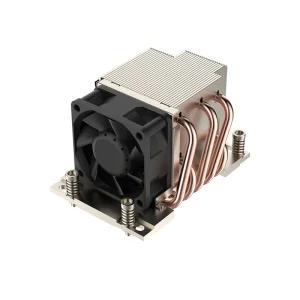
Ruggedized, low-profile cooling solutions for edge servers operating in telecom centers near the Port of Singapore, built to run continuously in unconditioned ambient settings.
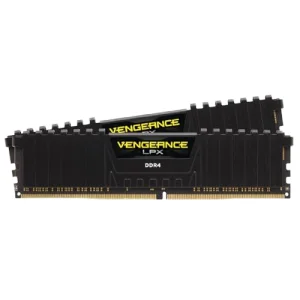
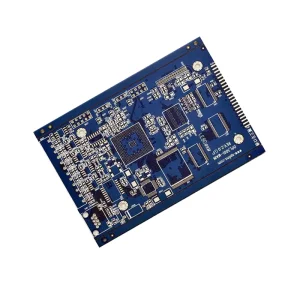
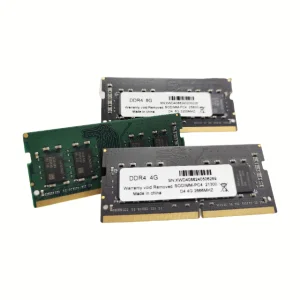
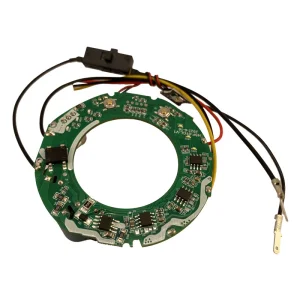
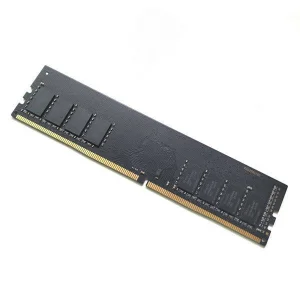
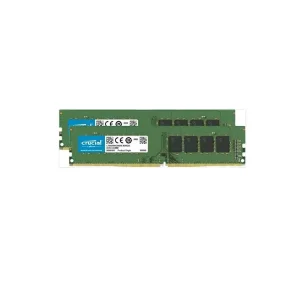
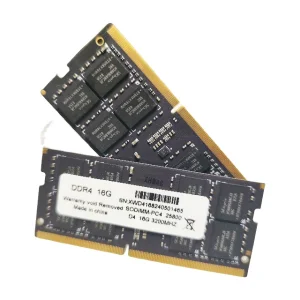
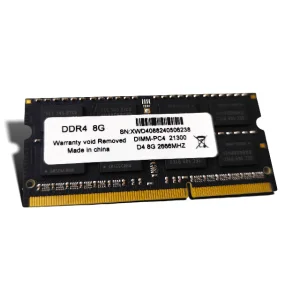
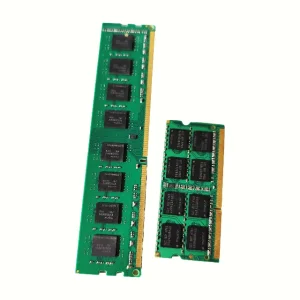
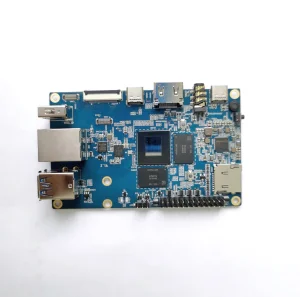
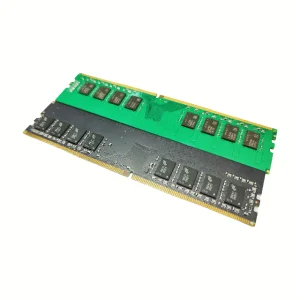
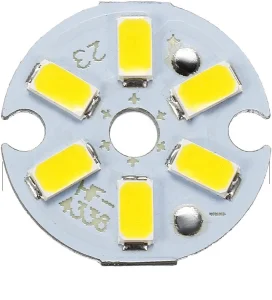
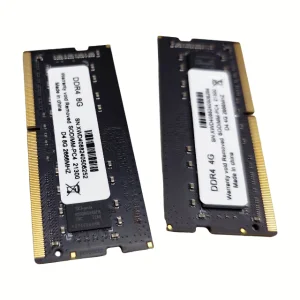
Factory-certified memory and logic assembly options designed for direct integration with server systems.
Enterprise procurement teams prioritize supply chain reliability and strict compliance with global technical standards. Thermal components must meet international directives, including RoHS, CE, and UL94-V0 flammability ratings. Furthermore, raw materials like copper must conform to high-grade purity requirements (e.g., C1100 oxygen-free copper, minimum 99.9% purity) to guarantee stable thermal conductivity over extended lifecycles.
The market is transitioning toward hybrid air-liquid designs. By using large-scale vapor chambers linked to liquid-to-air heat exchangers, data center operators can bridge the gap between traditional air systems and full liquid immersion cooling. This configuration reduces building retrofitting costs while supporting next-generation, high-wattage hardware.
To meet these rigorous industry demands, Corexis utilizes advanced validation procedures for all custom assemblies:
Inside Corexis: Our 21,800 m² facility integrates R&D, advanced SMT lines, assembly, and strict testing protocols under one roof.
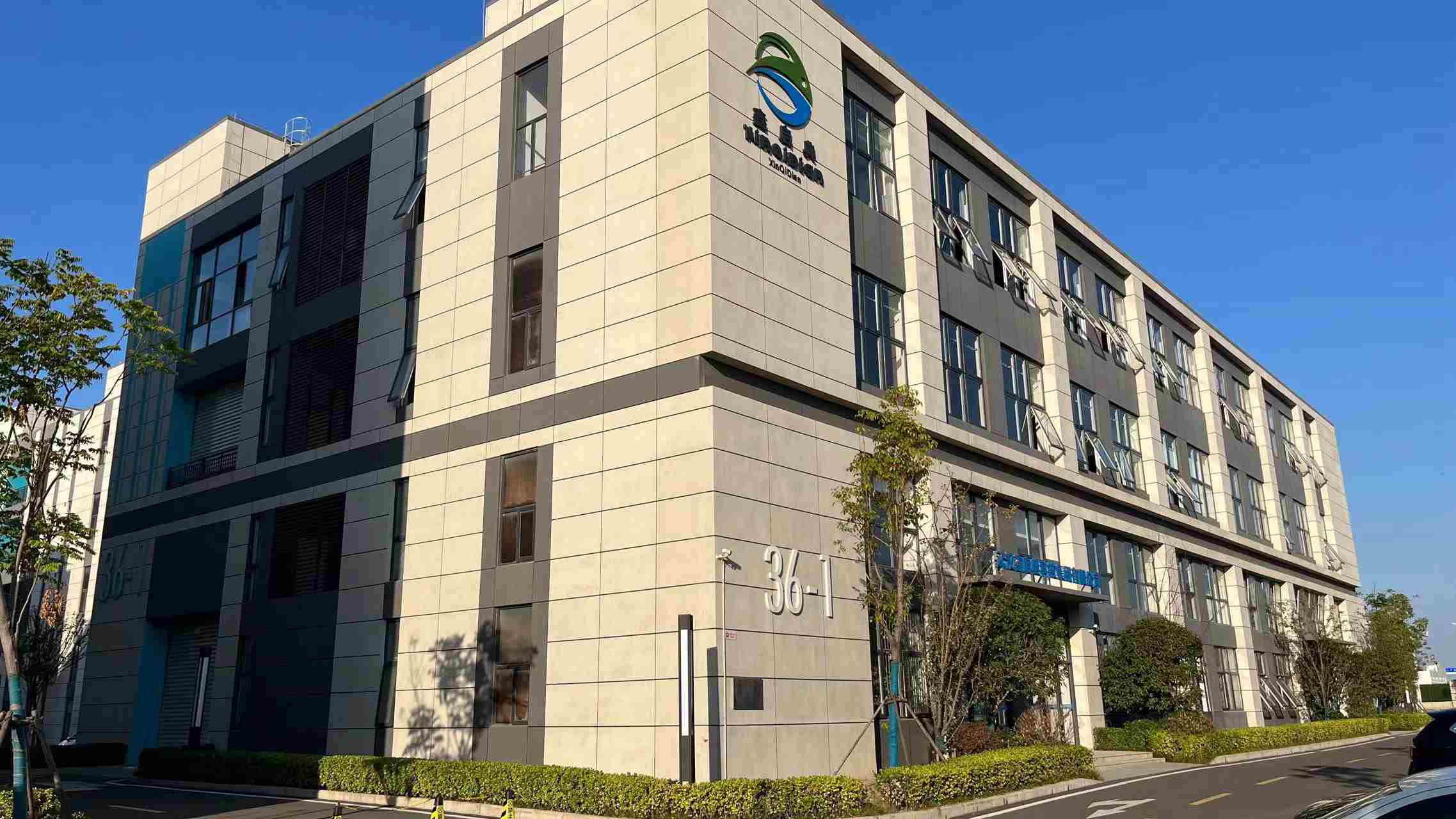
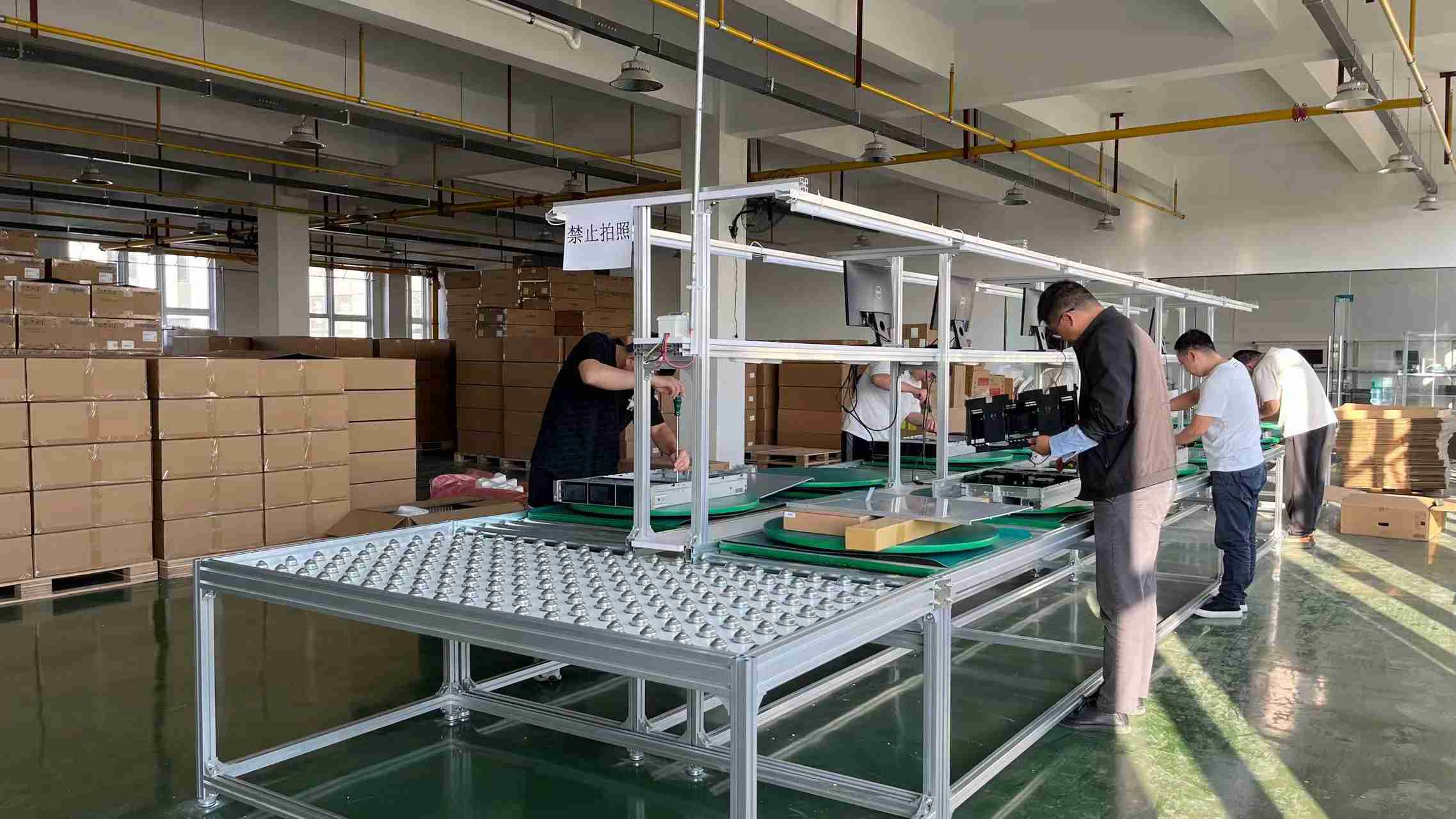
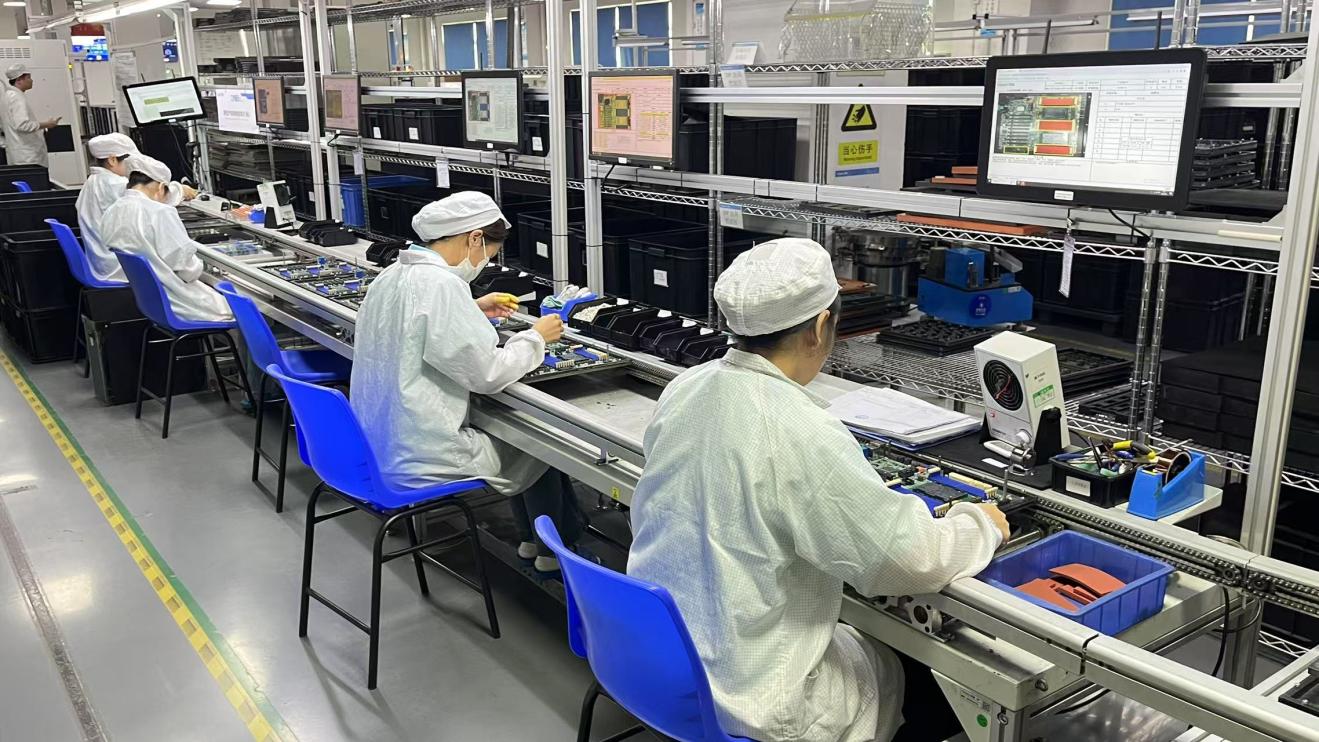
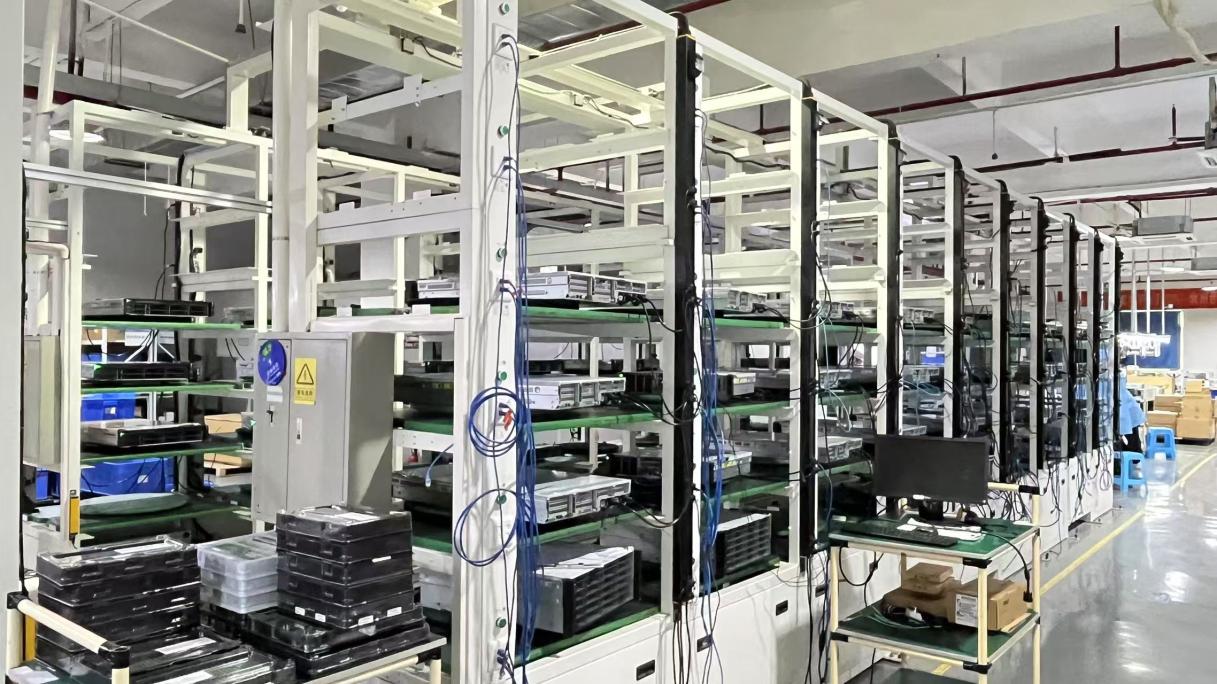
ISO9001, ISO14001, and IATF16949 certified production.
Technical specifications and design considerations for server cooling components in tropical data center deployments.
High ambient humidity and temperature limit the effectiveness of standard air cooling. In Singapore data centers, radiators require a larger heat transfer surface area, higher fin density, and higher-conductivity copper bases or vapor chambers. This allows systems to maintain optimal CPU junction temperatures ($T_j$) even with elevated intake air temperatures, helping operators meet target PUE metrics.
Copper features thermal conductivity of approximately 401 W/m·K, which is nearly double that of aluminum (205 W/m·K). Copper bases and heat pipes are ideal for high-heat source contact areas on CPUs or GPUs. Aluminum is often utilized for secondary fin structures to reduce overall weight and cost without significantly impacting thermal performance.
Yes. Our 128 R&D engineers design custom solutions to fit specific mechanical envelopes. We work with standard system layouts like LGA115X, LGA4189, and AMD SP6, as well as custom edge configurations, utilizing thermal analysis to optimize airflow and pressure drops.
We perform 100% inspection on all critical cooling assemblies. Key steps include helium leak detection for vacuum stability, high-temperature thermal resistance testing under simulated TDP conditions, and vibration testing to ensure structural integrity during shipping and installation.
We offer sea and air freight shipping routes to Singapore. Air freight deliveries typically arrive at Changi Airport within 3 to 5 days, while sea freight to the Port of Singapore takes approximately 10 to 12 days, depending on customs processing times.
 Corexis Memory