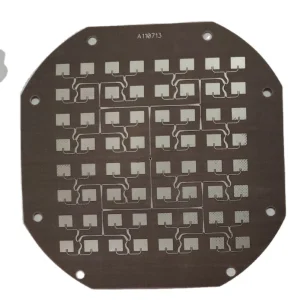
Original enterprise-grade hardware engineering solutions optimized for low latency, heat dissipation, and micro-form factors in high-end AR/VR and industrial computing hardware.
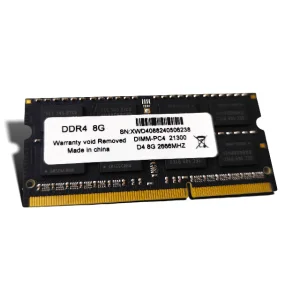
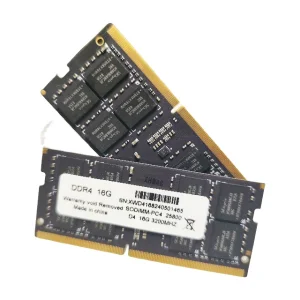
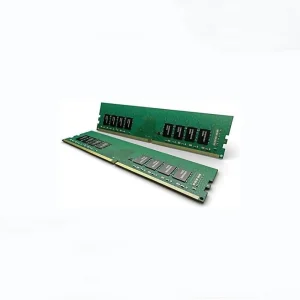
An industry-leading deep dive into the micro-electronics, memory architecture, SMT precision, and material sciences required to build premium Augmented Reality (AR) products.
The global Augmented Reality (AR) and Mixed Reality (MR) hardware landscapes are undergoing a paradigm shift. With spatial computing evolving from conceptual pilots to enterprise-grade manufacturing, defense applications, and high-fidelity consumer displays, the technical parameters of device manufacturing have reached unprecedented levels of complexity. An AR headset or smart glasses form factor is no longer simply a display peripheral; it is a fully integrated, high-bandwidth compute node that operates on the user’s face. This demands tight integration of localized computation, real-time spatial mapping (SLAM), ultra-low latency data transmission, and state-of-the-art thermal management.
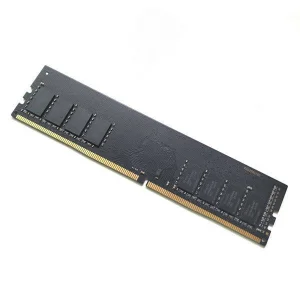
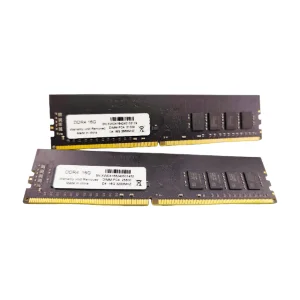
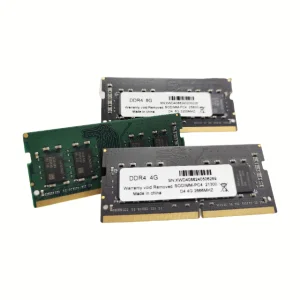
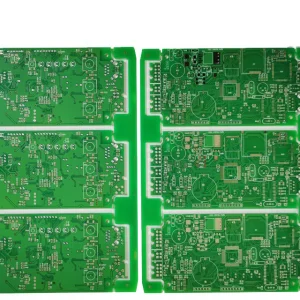
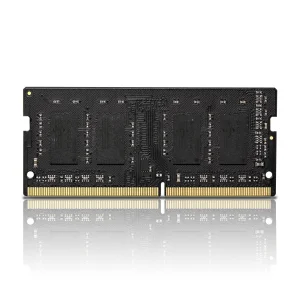
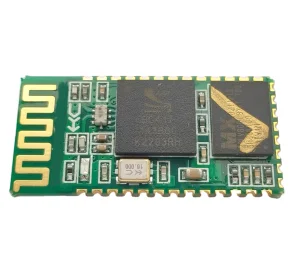
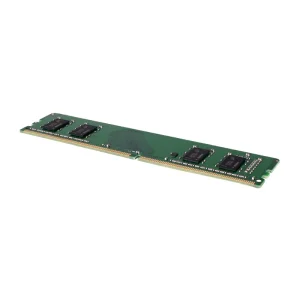
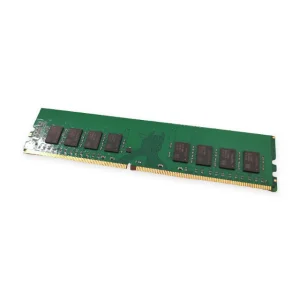
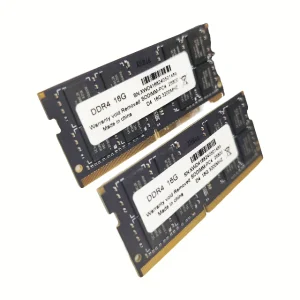
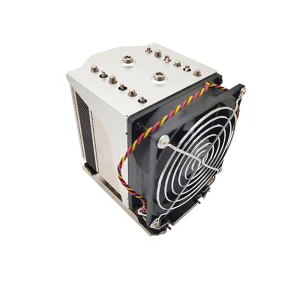
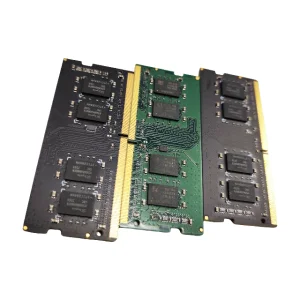
At the center of this hardware engineering challenge is the demand for optimized component manufacturing. High-performance DRAM modules (DDR4, DDR5, and LPDDR memory) are essential to prevent user disorientation caused by latency discrepancies in frame rendering. Simultaneously, micro-PCBs with high-density interconnects (HDI) must align perfectly within ergonomic, lightweight structures. Corexis Memory Technology Co., Ltd. bridges this gap by leveraging a massive 21,800 m² advanced manufacturing facility in China to supply global ODM/OEM clients with specialized memory solutions, high-precision custom PCBs, and high-conductivity thermal heat sinks that form the backbone of next-generation AR devices.
Exploring how enterprise sectors are deploying high-compute head-mounted displays and smart eyewear to transform workflow efficiency.
Smart glasses guide SMT assembly line operators by overlaying schematics directly onto circuit boards. High-density RAM enables real-time AI computer vision models to detect micro-soldering defects as they happen.
Tactical displays overlay mission-critical data, topography maps, and friend-or-foe tagging. These systems require high-reliability components (ECC memory, rugged multilayer PCBs) certified to operate in extreme environmental conditions.
Surgeons utilize AR projection to map MRI data directly onto patients in the operating room. Zero latency frame drops, high signal integrity, and absolute thermal safety are critical parameters we engineer for surgical smart hardware.
| AR Device Class | Processor & Memory Specs | Thermal & Power Requirements | PCB Configuration |
|---|---|---|---|
| Consumer Smart Glasses | Low-power LPDDR4X / LPDDR5, 4GB to 8GB, 3200MHz+ | Passive cooling, thermal limit <38°C, low draw | Ultra-thin HDI PCB, 8-12 layers, rigid-flex design |
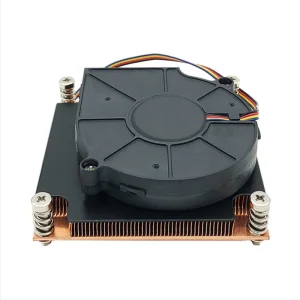
| Enterprise AR Headsets | High-frequency DDR5, 8GB to 16GB, ECC Supported | Active cooling micro-fans, copper heat sinks, 110W peak | Multi-layer FR4 / Aluminum substrate for heat dissipation |
| Defense/Tactical Wearables | ECC Server/Industrial Grade RAM, high-reliability | RGD shielding, shock-isolated, dust/waterproof thermal loop | Taconic high-frequency or high-TG metal core PCBs |
Building high-fidelity AR hardware requires addressing three major bottlenecks: memory bandwidth, spatial hardware constraints, and thermal runaway. Corexis offers specialized, high-tier hardware components optimized to address these challenges:
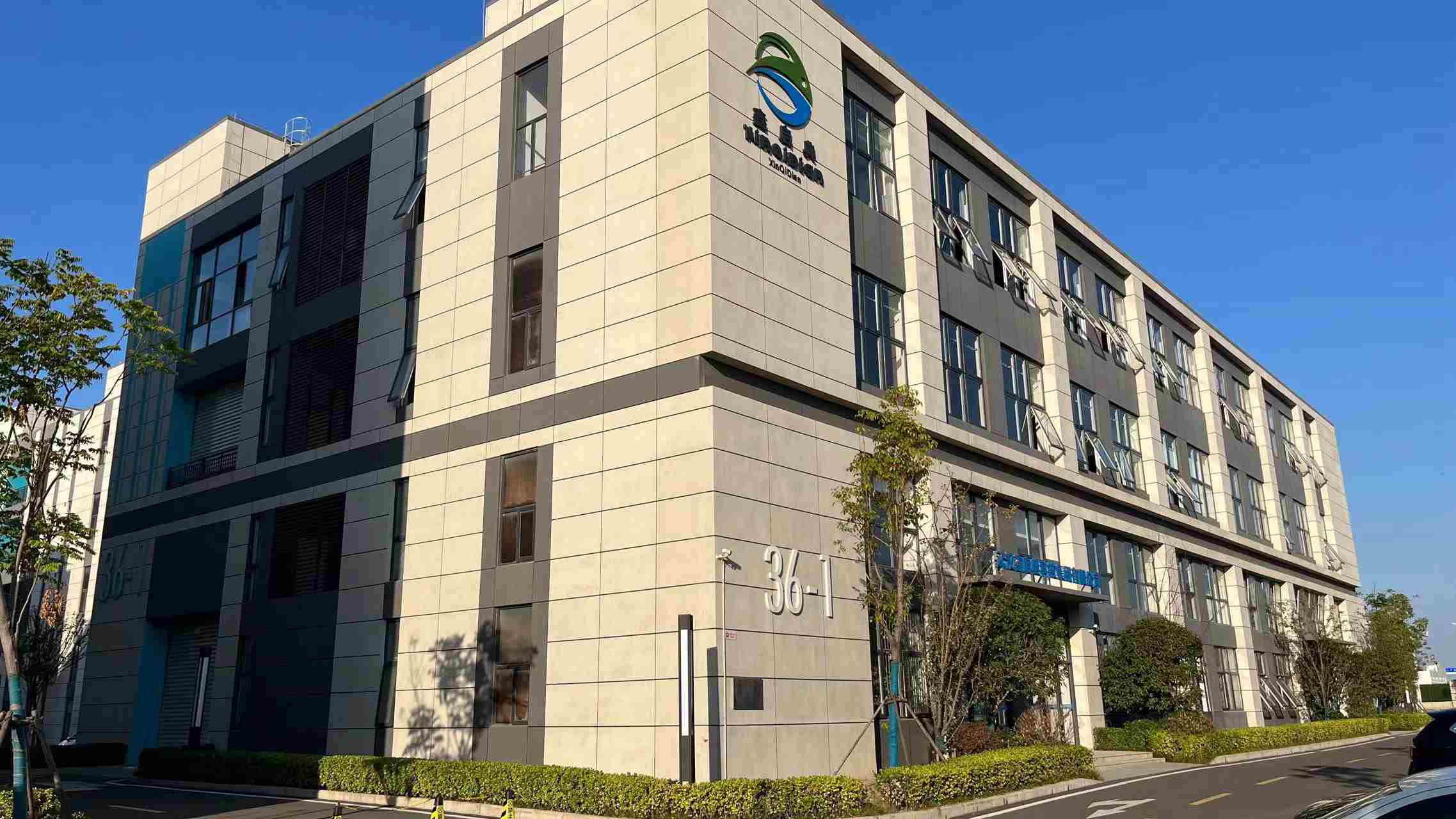
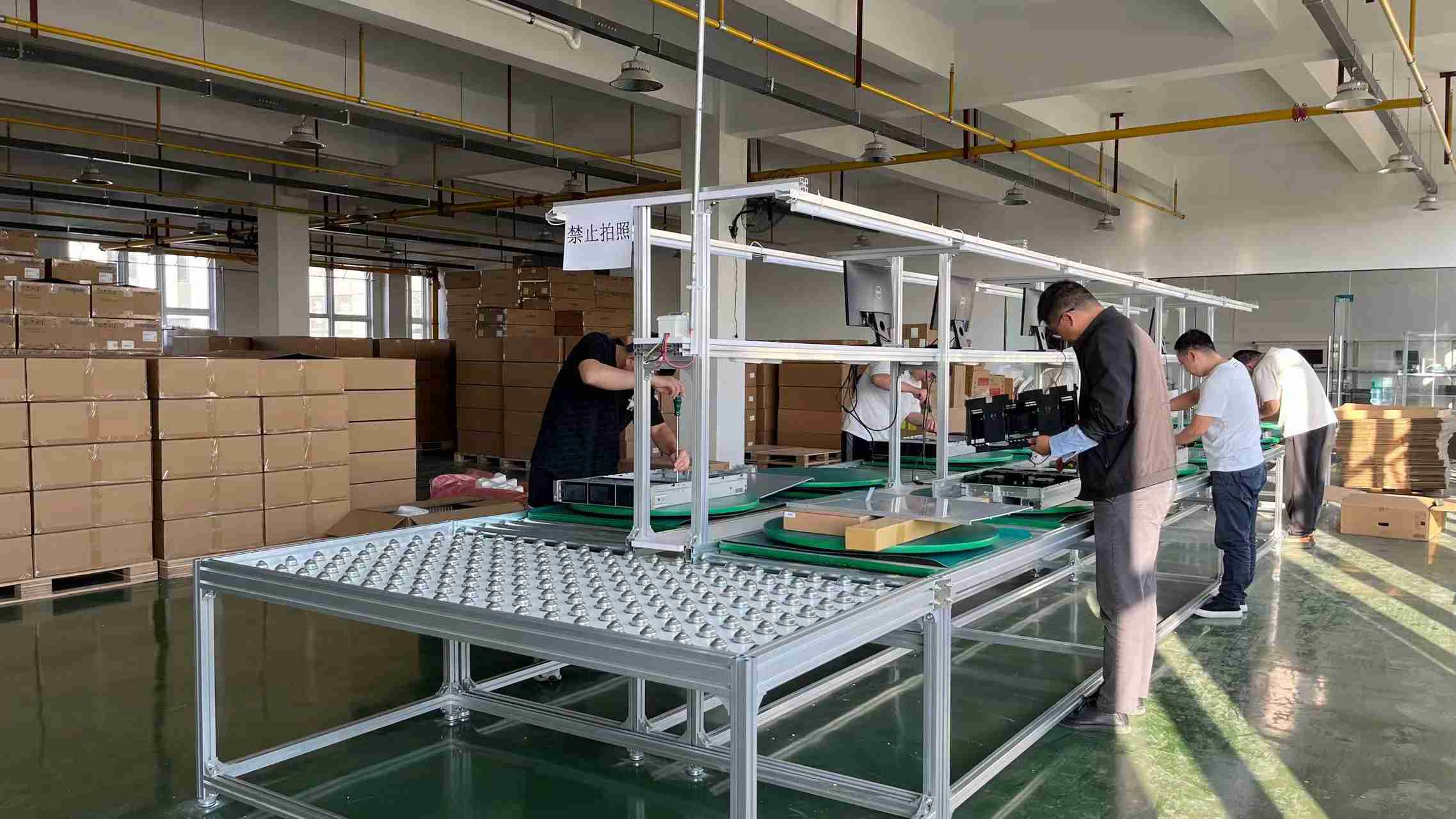
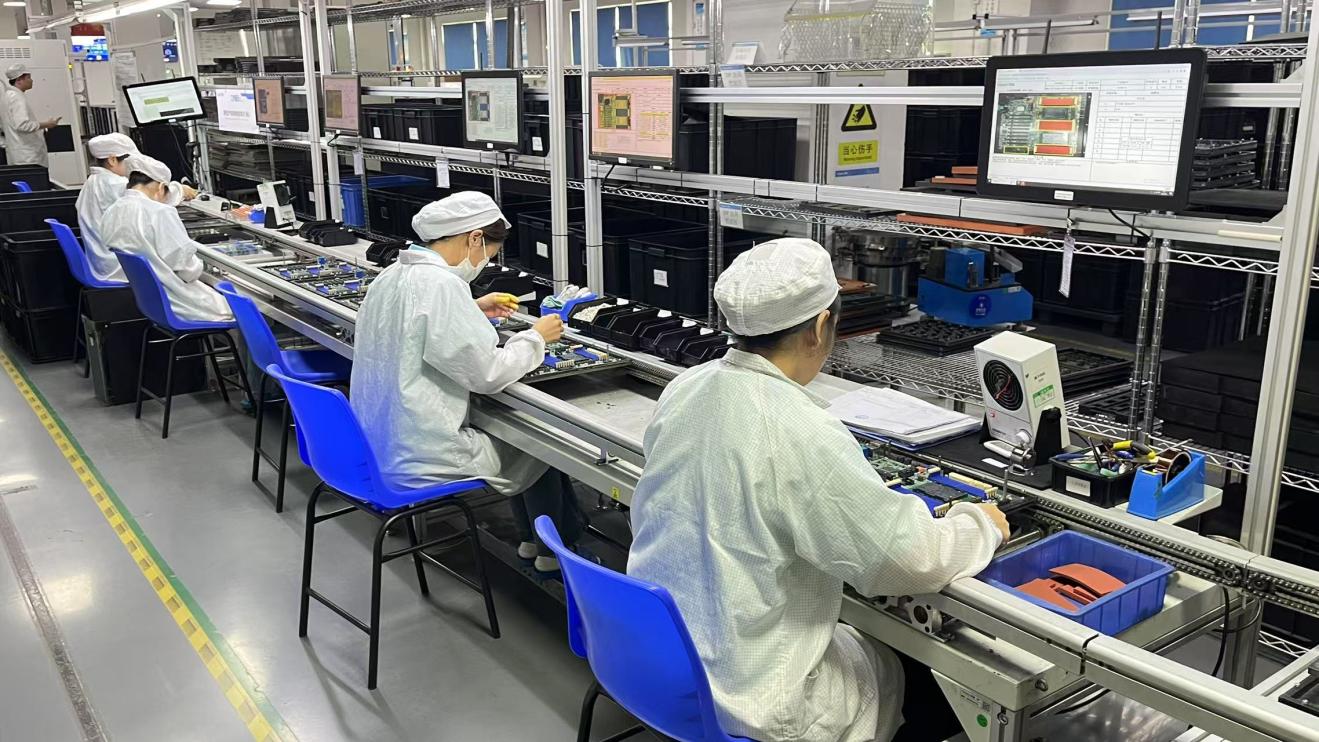
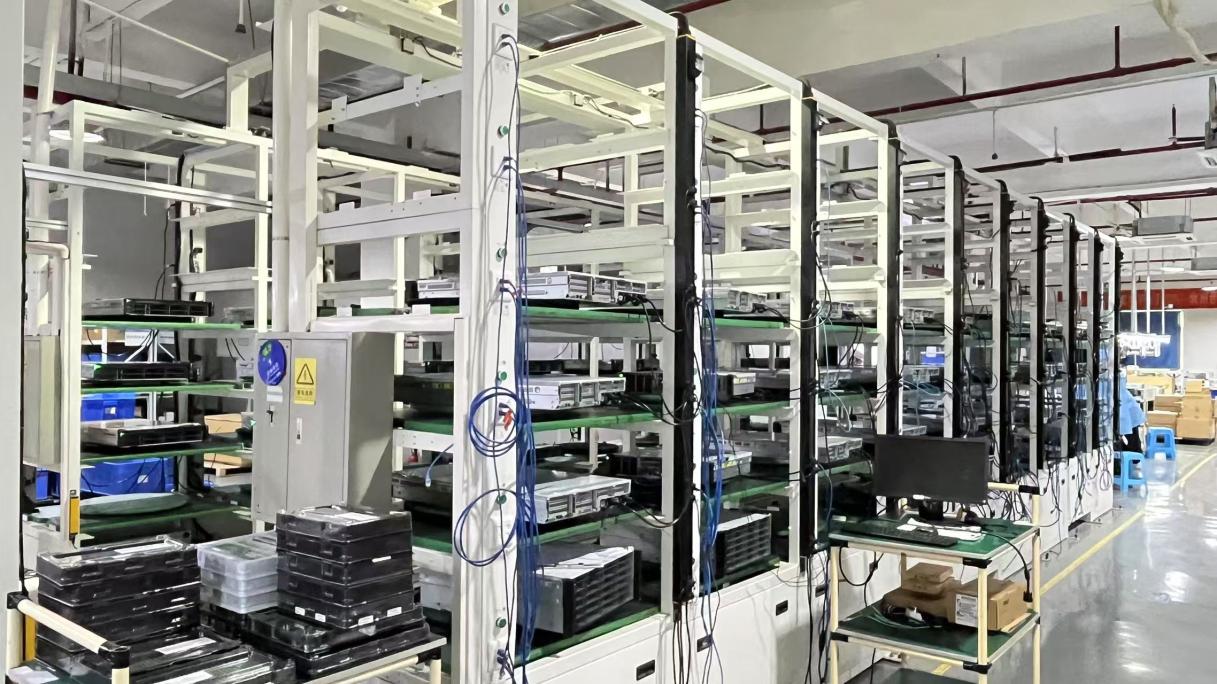
Step inside our 21,800 m² state-of-the-art facility, engineered for high-performance memory, advanced PCBs, and SMT assembly.
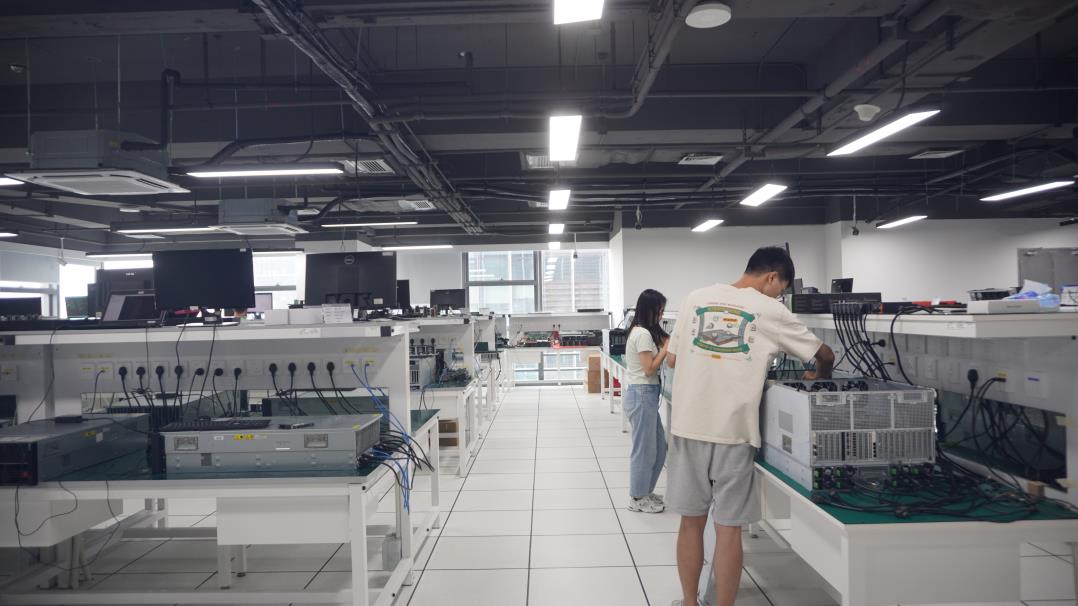
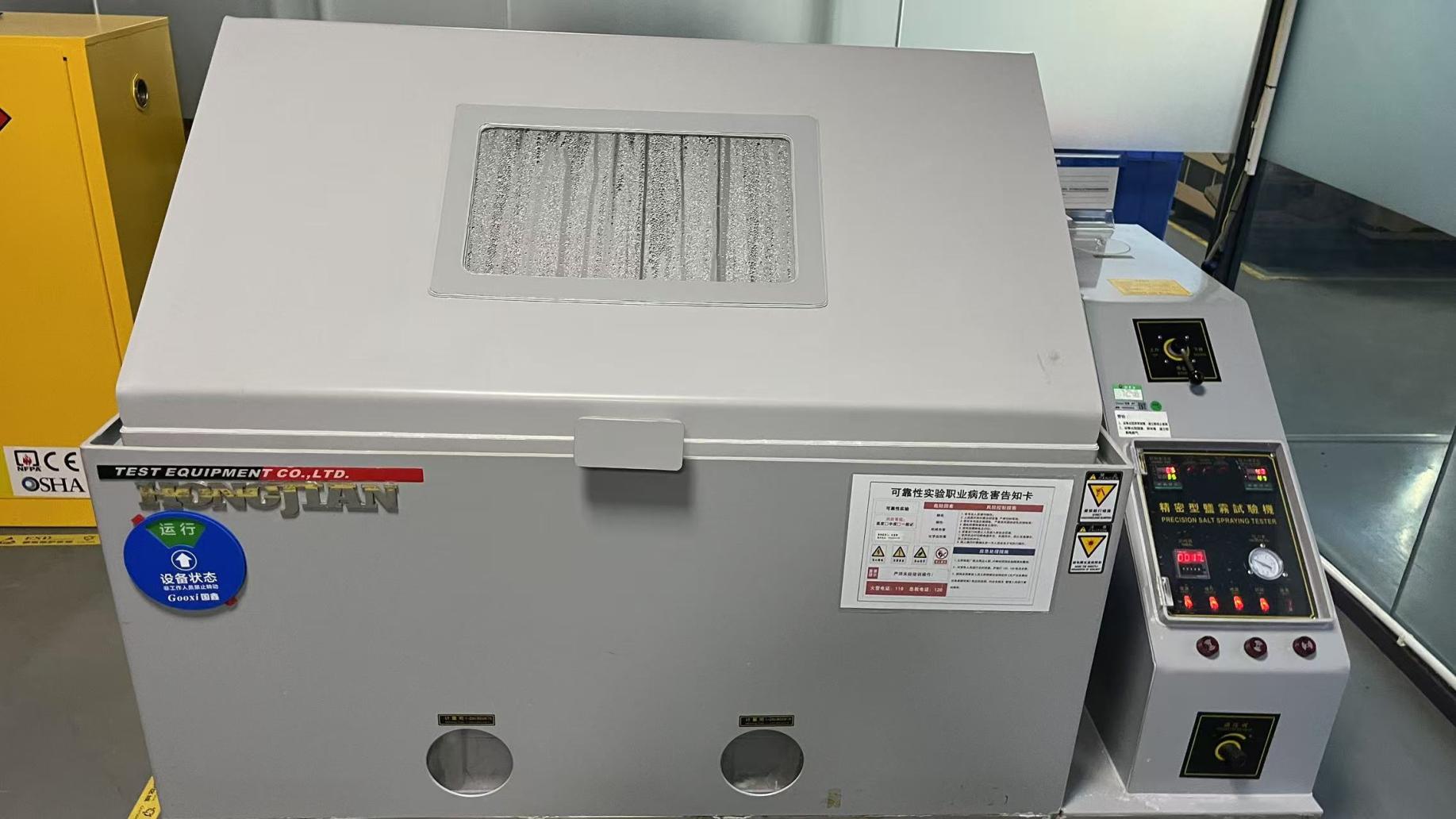
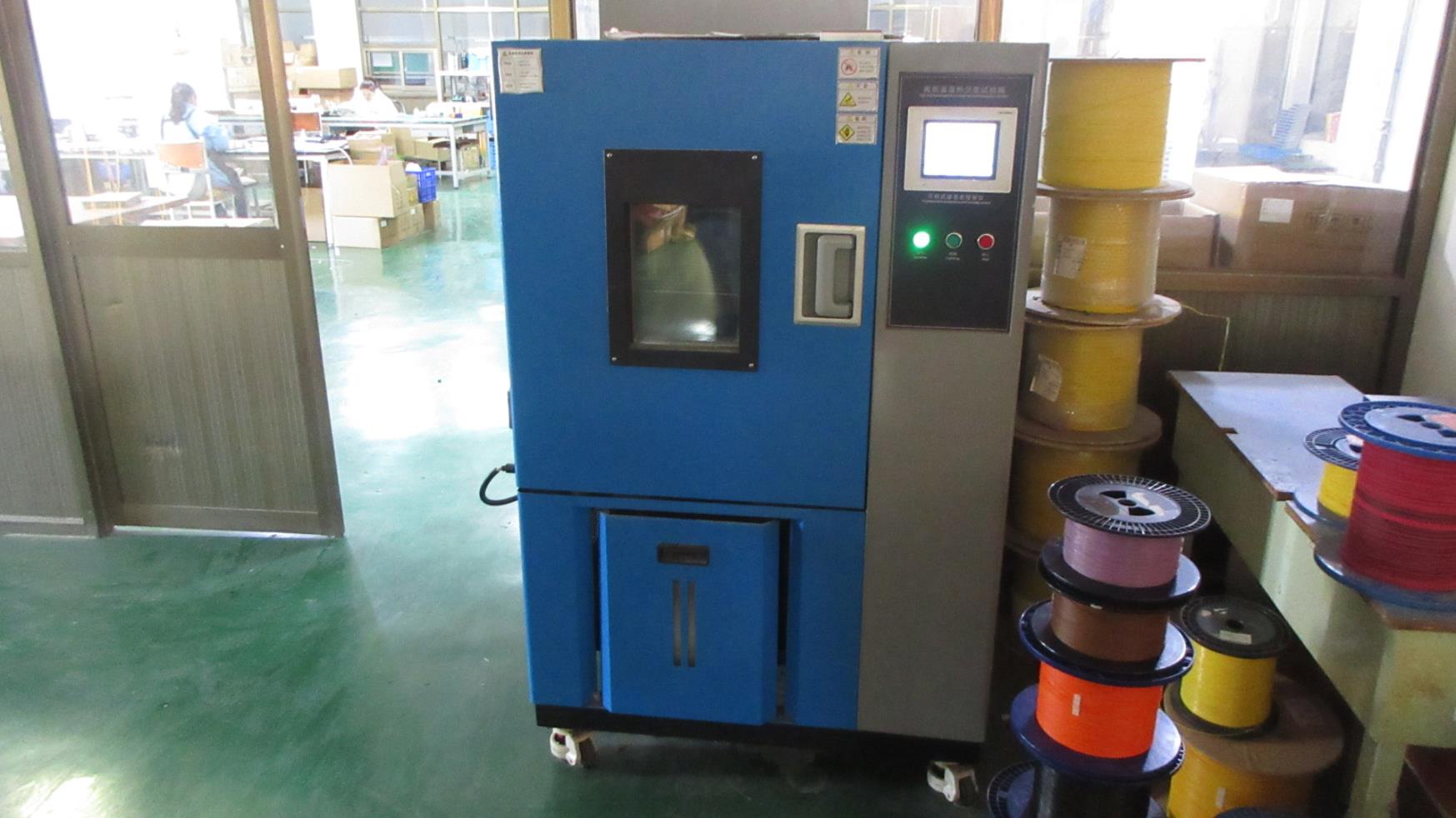
Corexis Memory Technology operates complete in-house manufacturing, SMT assembly, product testing, and packaging. The facility is fully equipped with high-speed automated assembly lines and cleanroom environments, preventing microscopic dust from settling on delicate PCB tracks and memory controllers. Our production capacity handles everything from large-scale OEM production runs to low-volume, high-complexity prototype runs for custom AR system integrators.
Our quality control workflow utilizes a multi-step inspection framework to ensure zero-defect output. Backed by 56 dedicated quality control personnel, the factory enforces 100% full inspection policies. Testing includes high-frequency signal analyzers, automated optical inspection (AOI), X-ray component validation, and comprehensive motherboard compatibility test loops under extreme thermal stress.
Bridging the gap between raw hardware components and tailored software ecosystems for target enterprise markets.
By using AR-enabled glasses built on Corexis ultra-thin memory and high-frequency PCBs, logistics workers receive dynamic spatial routes to inventory locations. Hand-free pick-and-pack operations reduce retrieval errors by up to 34%.
Aerospace engineers rely on micro-projectors built directly into assembly helmets. Real-time overlay of structural schematics requires ultra-low latency RAM and high-density, multi-layer rigid-flex boards that pass aerospace stress standards.
Using AR headsets to support local emergency responders with real-time video connections to distant specialists. High-bandwidth, low-power memory modules prevent lag spikes during high-definition video calls in critical situations.
Read detailed answers from our senior engineering team on memory configuration, heat management, and custom PCB integration.
High-reliability server, desktop, and micro-component products designed for round-the-clock computational infrastructure.
 Corexis Memory