The global electronics landscape is experiencing an unprecedented evolution. With the emergence of edge computing, IoT architectures, and high-frequency communication protocols (such as 5G/6G, PCIe Gen 5/6, and LPDDR5/DDR5 interfaces), the humble Printed Circuit Board (PCB) has transformed from a simple mechanical substrate into a highly critical active element. Traditional fabrication parameters no longer satisfy modern Signal Integrity (SI) and Power Integrity (PI) requirements.
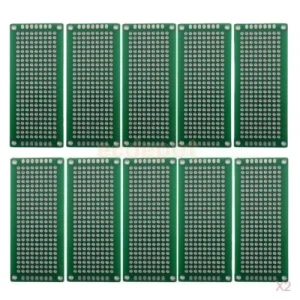
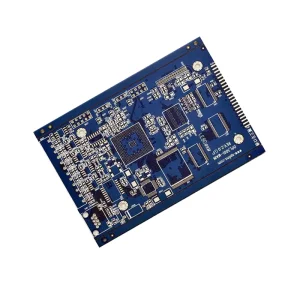
High-Density Interconnect (HDI) technologies, micro-vias, and blind/buried via architectures have become the standard for modern industrial applications. PCB prototyping is no longer merely about verifying a trace schematic; it is a critical process of simulating electromagnetic compatibility, controlling impedance matching, verifying thermal mitigation geometries, and optimizing structural durability.
Advanced trace width/spacing tolerance controls down to +/- 5% ensure zero signal reflection and minimum jitter on high-frequency differential pairs.
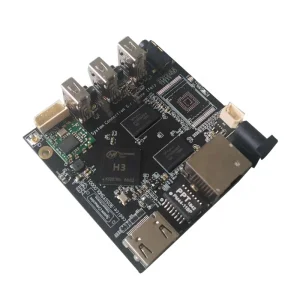
Global hardware development cycles have compressed. Today's product developers require high-fidelity prototyping phases that match production-line parameters exactly. This need has catalyzed the merge of PCB fabrication houses with sophisticated SMT (Surface Mount Technology) assembly facilities to provide seamless "turnkey" manufacturing services.
For high-frequency applications, selecting the appropriate substrate material is critical. Materials like FR4 (such as the industry-trusted KB6160) are highly optimized with custom dielectric constants (Dk) and dissipation factors (Df) to minimize insertion losses, especially in dense multilayer configurations.
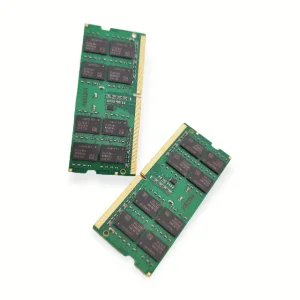
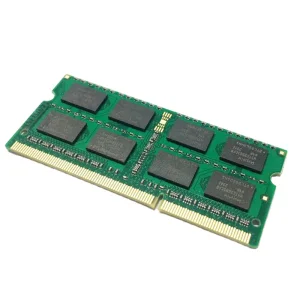
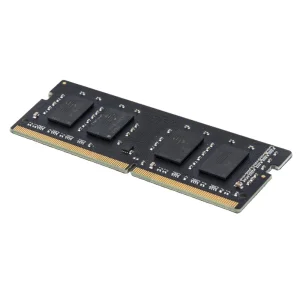
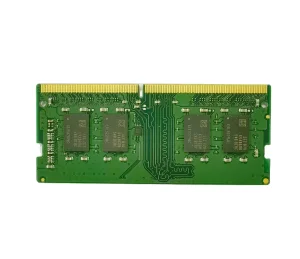
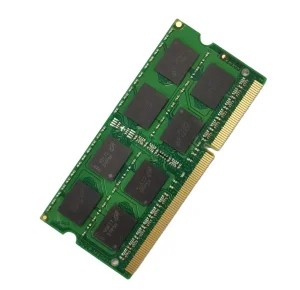
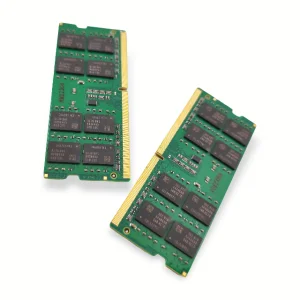
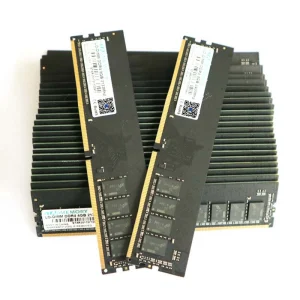
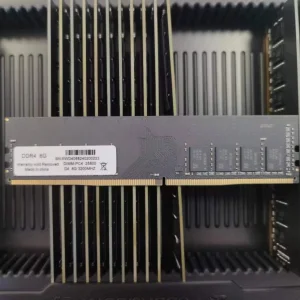
Corexis Memory Technology Co., Ltd. is a professional DDR5/DDR4 memory manufacturer and advanced PCBA provider, dedicated to delivering high-performance DRAM solutions and comprehensive PCB assembly services for global OEM, ODM, and brand customers. Since our establishment in 2016, we have focused on semiconductor technology innovation, state-of-the-art microelectronics fabrication, and highly integrated SMT/PCBA production.
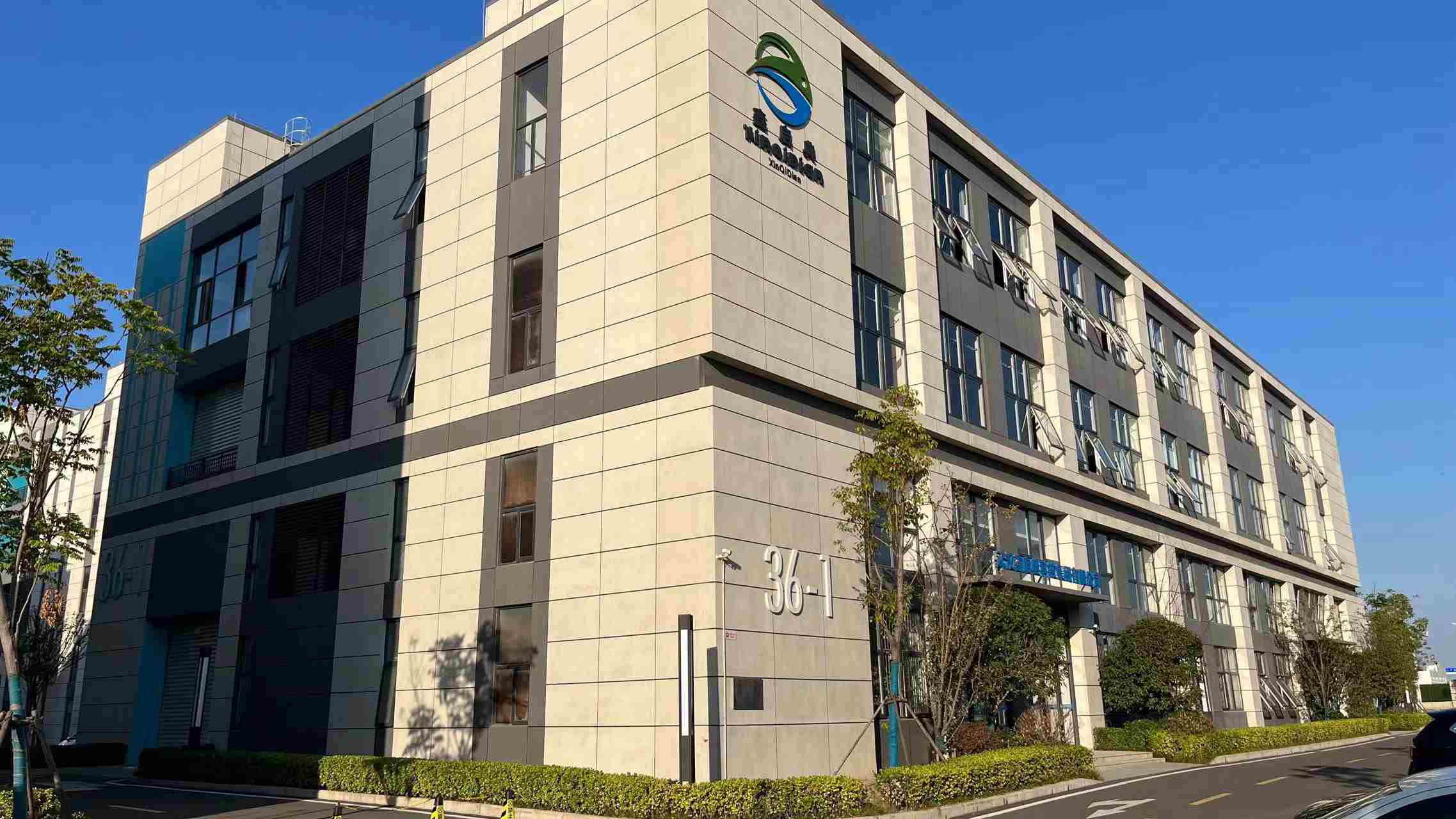
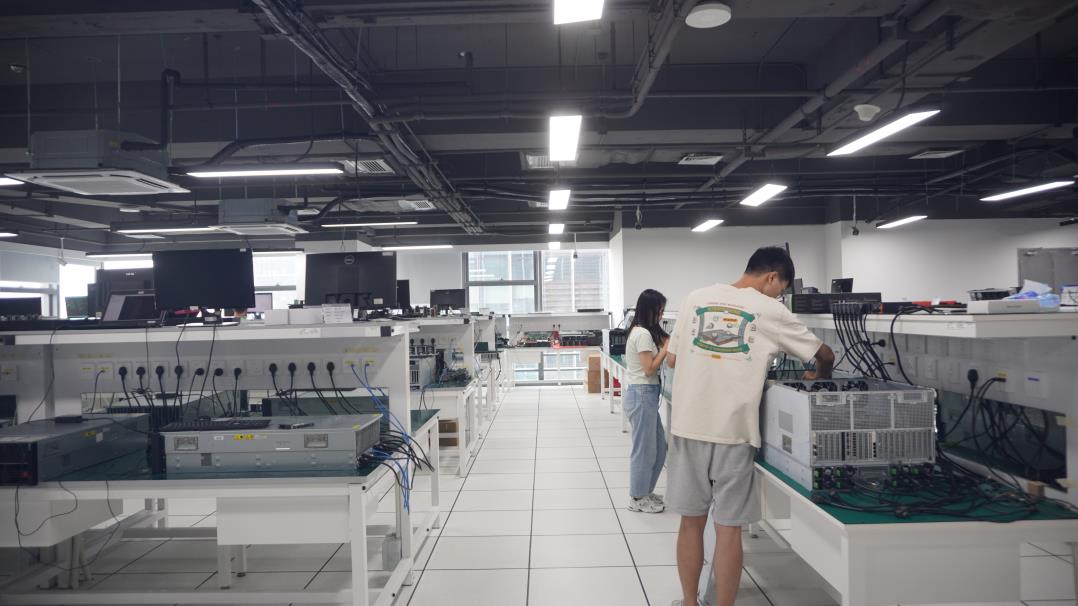
Operating a modernized, smart factory facility covering 21,800 m², Corexis integrates product R&D, SMT assembly, comprehensive hardware verification, and multi-tier quality assurance under a single, highly specialized infrastructure. Our dual expertise in both memory module architecture and high-precision PCB assembly enables us to provide superior hardware solutions that meet the absolute limits of computational efficiency.
Modern procurement strategies in the electronic manufacturing services (EMS) sector have shifted from a purely cost-centric model to a risk-mitigated, resilience-focused framework. As supply chains remain volatile, multinational system integrators and tier-1 OEM manufacturers prioritize suppliers that can guarantee high operational standards, traceable material logs, and engineering capabilities.
Enterprise buyers mandate complete component traceability to isolate counterfeit components. Corexis addresses this through a rigorous IQC (Incoming Material Inspection) protocol, partnering with Tier-1 original silicon and substrate suppliers.
Bridging the gap between layout tools and production lines is crucial. A proactive engineering review resolves stackup flaws, track-to-pad constraints, and solder-mask apertures prior to tooling, eliminating costly redesign loops.
With over 1,120+ active, vetted supply chain partners, Corexis guarantees an uninterrupted supply of raw copper laminates, specialized prepregs, solder matrices, and integrated circuit components even during market deficits.
The concentration of raw material extraction, chemical processing, silicon packaging, and logistics expertise in China creates a unique manufacturing ecosystem. Corexis optimizes this geographical advantage by integrating "Factory 4.0" automation methodologies into our 21,800 m² production facility.
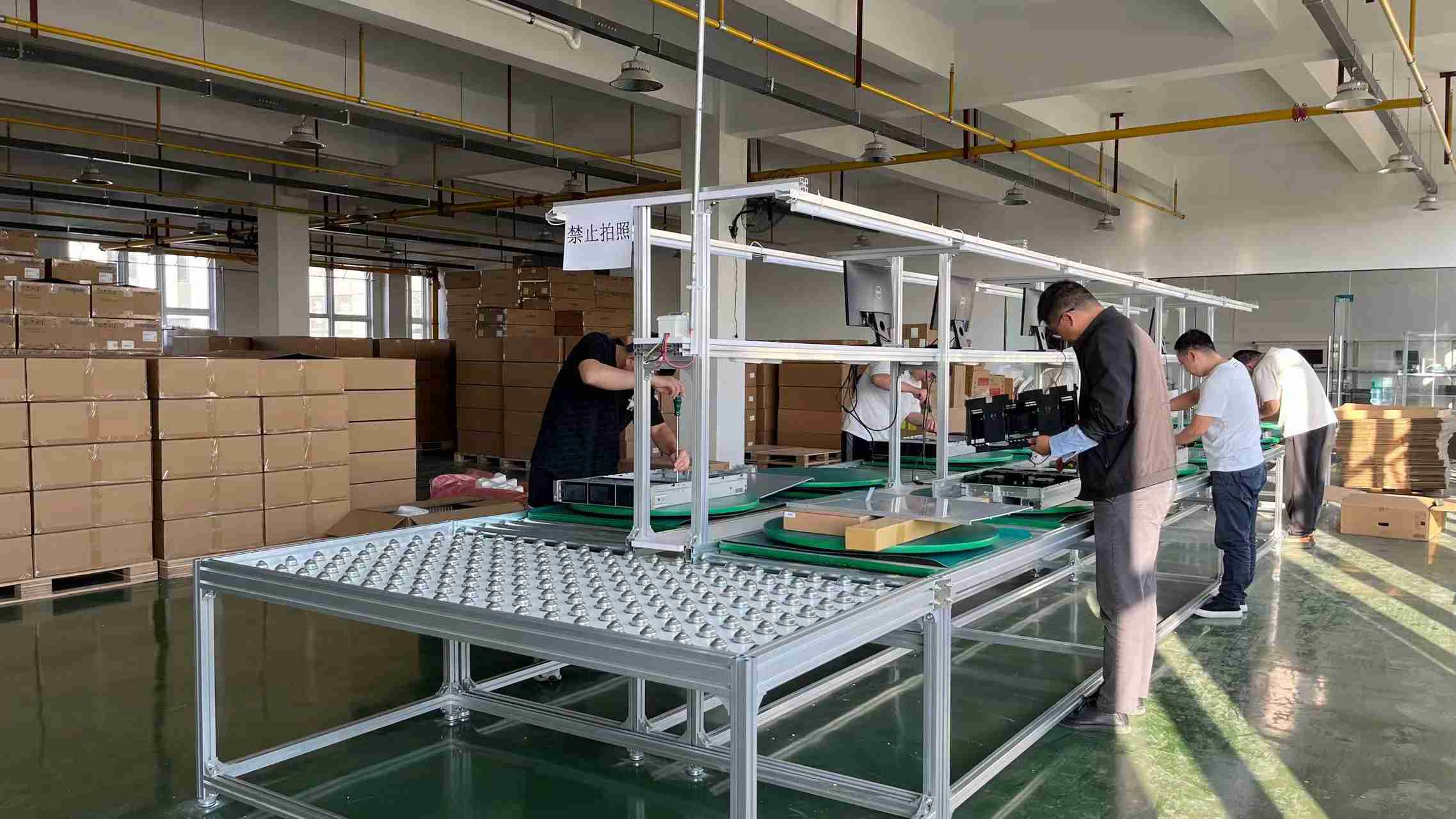
By leveraging automated optical inspection (AOI), real-time solder-paste inspection (SPI), automated SMT placement machines operating at high IPC speeds, and inline temperature profiling, we eliminate human variability from the manufacturing equation. This technological rigor ensures that custom PCB prototypes feature the exact mechanical tolerances and material behaviors as mass production runs.
This deep vertical integration allows our engineering teams to transition a customer's product design from an initial prototype schematic to an active SMT assembly, and finally to complete functional testing, in a highly optimized timeframe.
Electronic designs perform differently depending on their environment. Corexis customizes its manufacturing processes to align with the specific operational challenges of key industries.
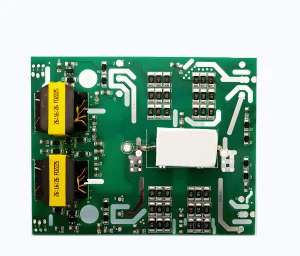
For applications such as power inverter welding machine driver boards (ZX7 series), PCBs must withstand high voltages, elevated thermal levels, and electrical noise. We utilize heavy copper structures (up to 3oz), high-Tg FR4 laminates, and specialized conformal coating layers to prevent dielectric breakdown and ensure long-term thermal dissipation.
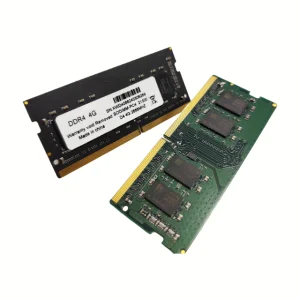
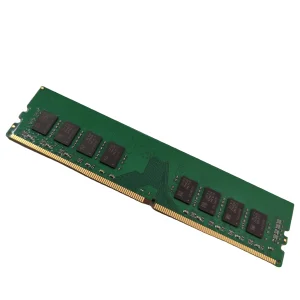
Server architectures demand high data throughput and low latency. Utilizing our DDR4/DDR5 high-frequency memory designs, Corexis designs multi-layer server memory systems (including ECC and high-density registered modules) to minimize signal skew, cross-talk, and power distribution network (PDN) ripple.
High clock rates in gaming PCs and workstation components generate significant heat. Our engineering team addresses this by integrating multi-layer impedance-controlled layouts with optimized copper pours and thermal vias, ensuring efficient thermal dissipation and stable operation under heavy computational loads.
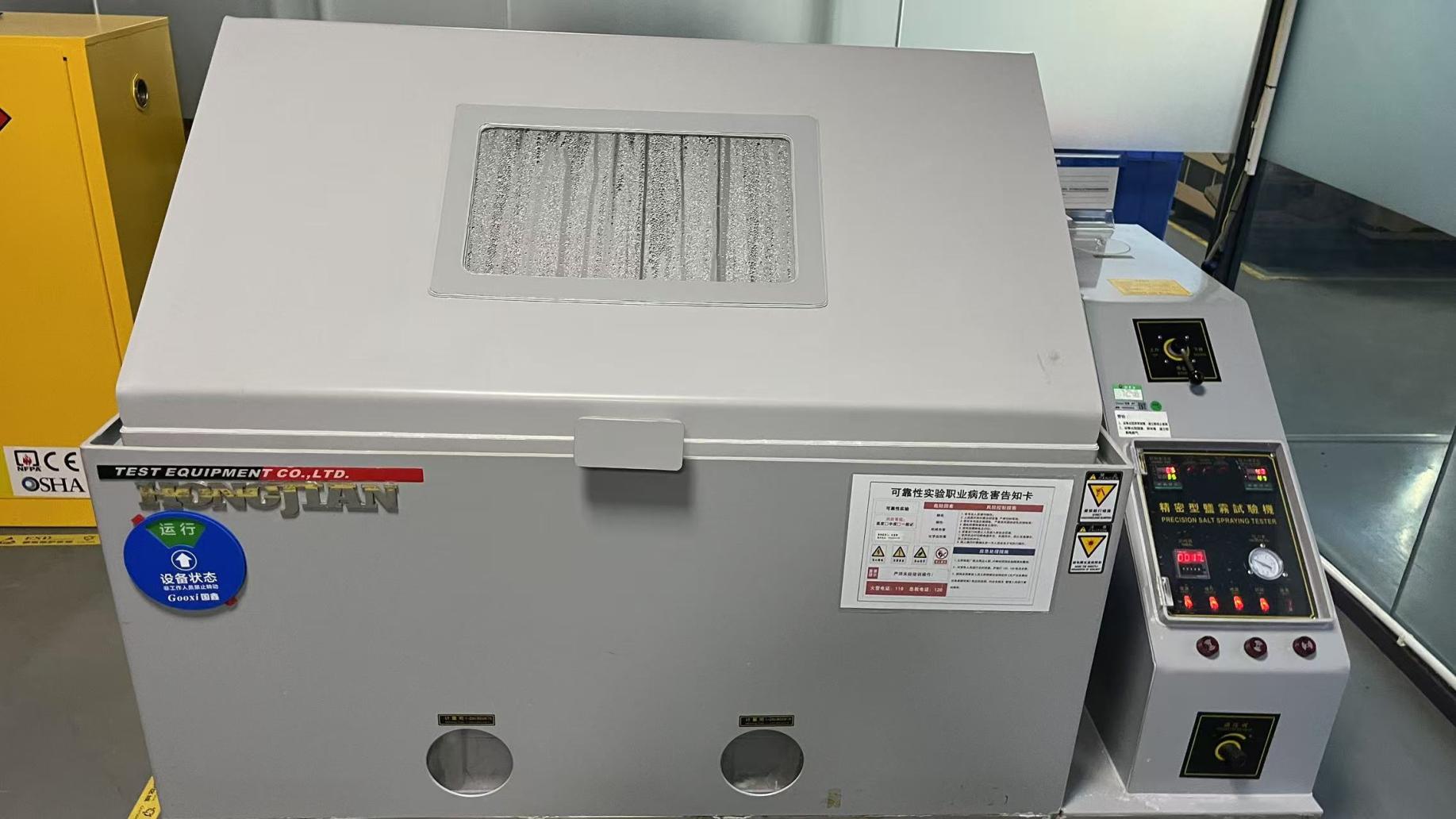
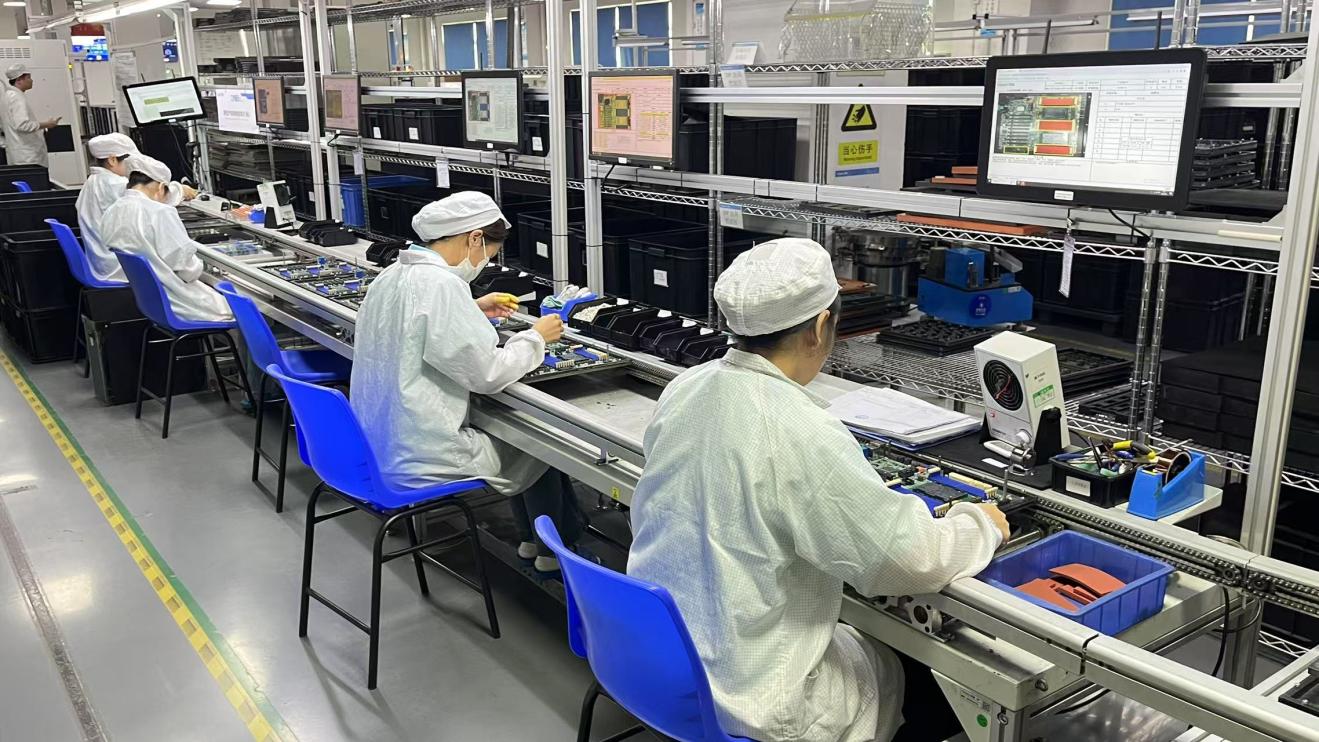
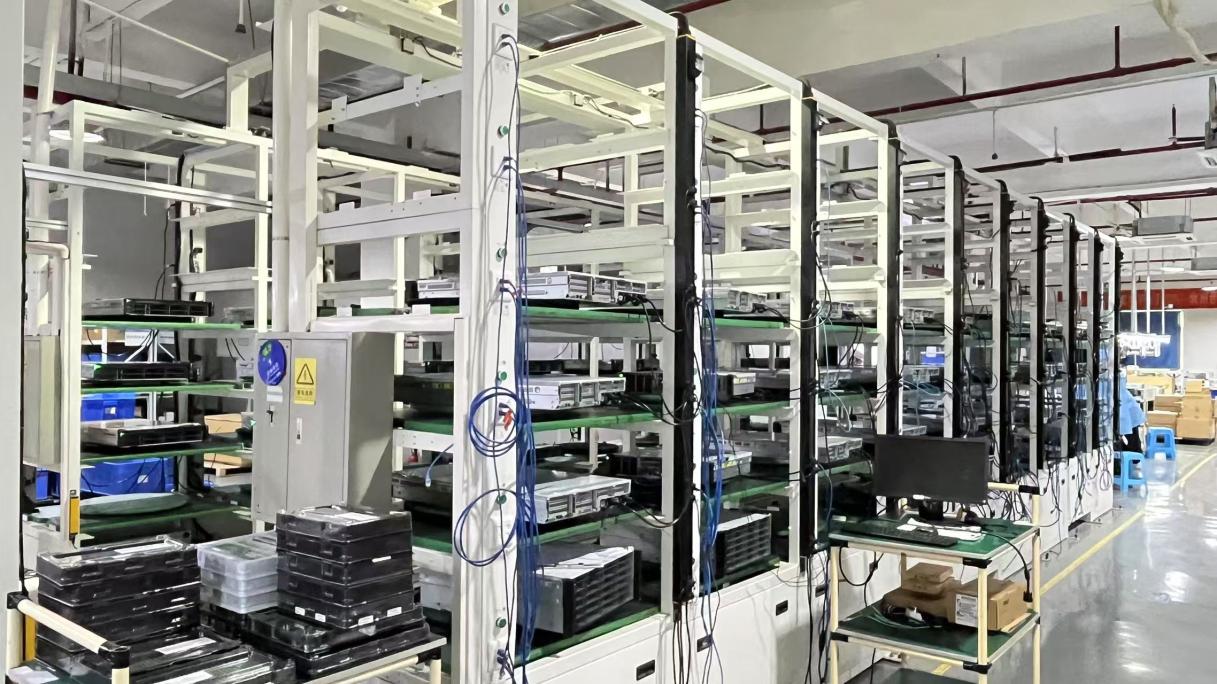
Take a virtual tour of our 21,800 m² production facilities, featuring high-speed SMT assembly lines, cleanrooms, and testing environments.

Get answers to common technical and logistical questions from hardware developers and procurement managers.
 Corexis Memory