In modern industrial and consumer technology landscapes, the distinction between hardware computing modules and intelligent power delivery continues to blur. Modern wireless charging stations are no longer passive coils wired to basic voltage regulators. They are complex micro-computing nodes utilizing sophisticated power management ICs (PMICs), microcontrollers (MCUs) running proprietary state-machine algorithms, and high-frequency communication modules that dynamically negotiate power delivery rates (such as the Qi2 and proprietary high-wattage protocols).
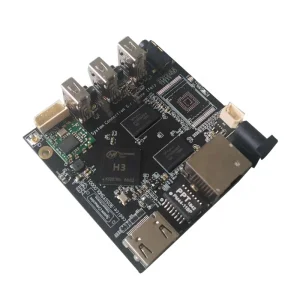
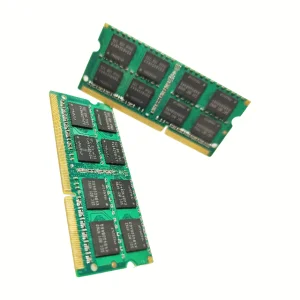
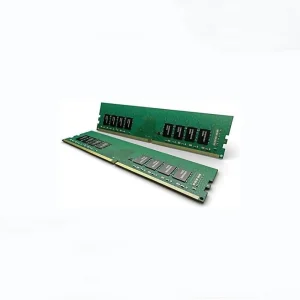
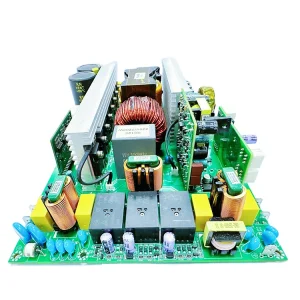
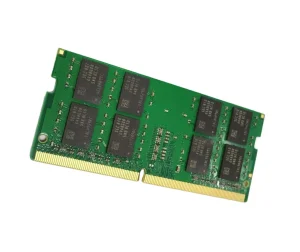
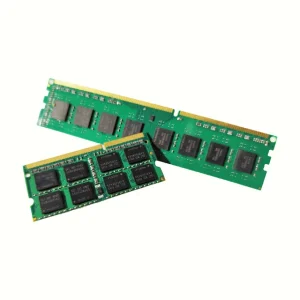
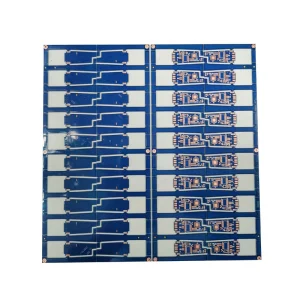
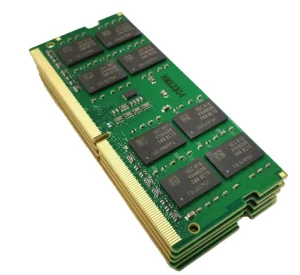
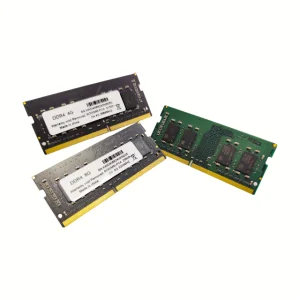
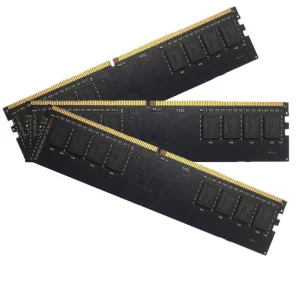
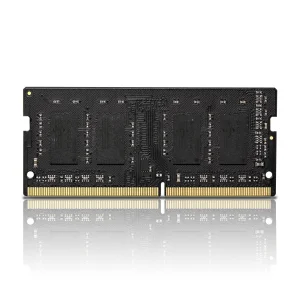
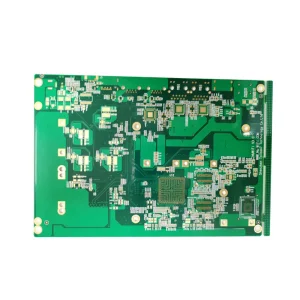
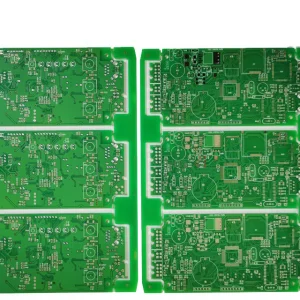
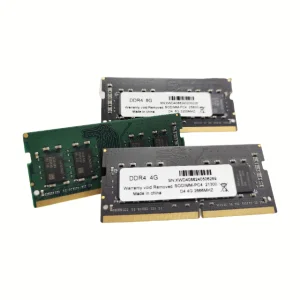
These smart power systems require multi-layer, impedance-controlled PCB configurations that maintain signal integrity under extreme electromagnetic interference (EMI). Corexis bridges this technical gap by leveraging its deep background in manufacturing ultra-stable memory modules (DDR4/DDR5) and high-density, multi-layer printed circuit boards. The same micro-precision engineering required to route traces for 3200MHz DDR4 DRAM modules is utilized to optimize power efficiency, thermal dissipation, and resonance tuning in advanced wireless charger PCBAs.
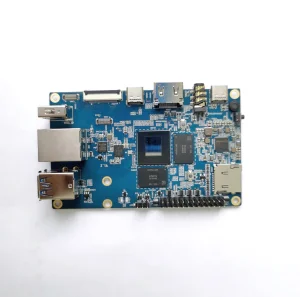
By integrating smart microprocessors directly onto the charger's core controller boards, modern charging systems monitor key operational parameters in real-time, including: inductive coil impedance, thermal throttling matrices, foreign object detection (FOD), and adaptive current-voltage profiles. Corexis is at the forefront of this manufacturing convergence, ensuring that global partners receive durable, high-efficiency electronic assemblies designed for sustained operation in commercial, industrial, and consumer environments.
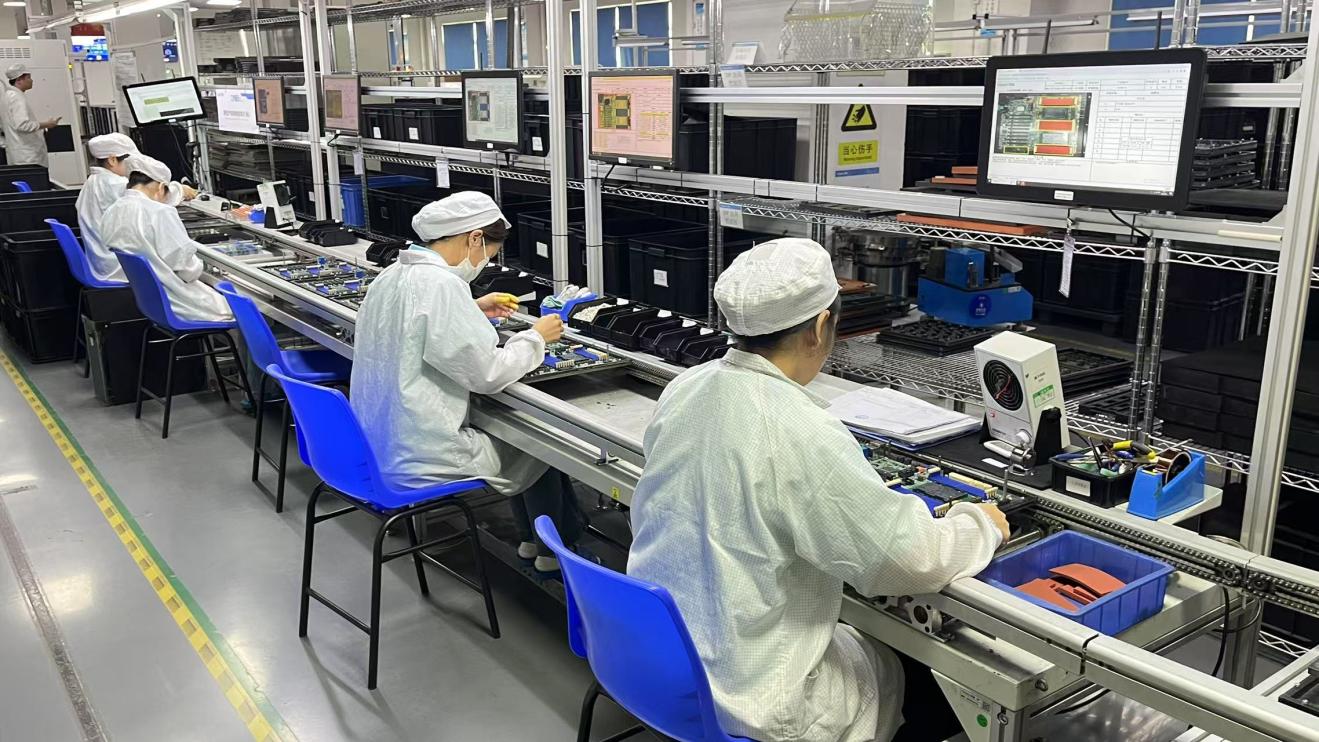
Equipped with high-speed automated placement lines to secure micro-passive components, logic gates, and magnetic sensors with micrometer precision across multilayer boards.
Utilizing high-frequency board designs that mitigate electromagnetic radiation, satisfying compliance standards for wireless charging fields (110kHz to 205kHz spectrums).
Deploying specialized heat-dissipation vias and heavy copper boards that lower core chip temperatures by up to 18°C compared to generic imports.
China remains the undisputed epicenter of the worldwide electronics supply chain, and for good reason. Sourcing hardware components, advanced PCBA designs, and smart charging accessories directly from specialized manufacturers in China offers distinct competitive advantages to global brands:
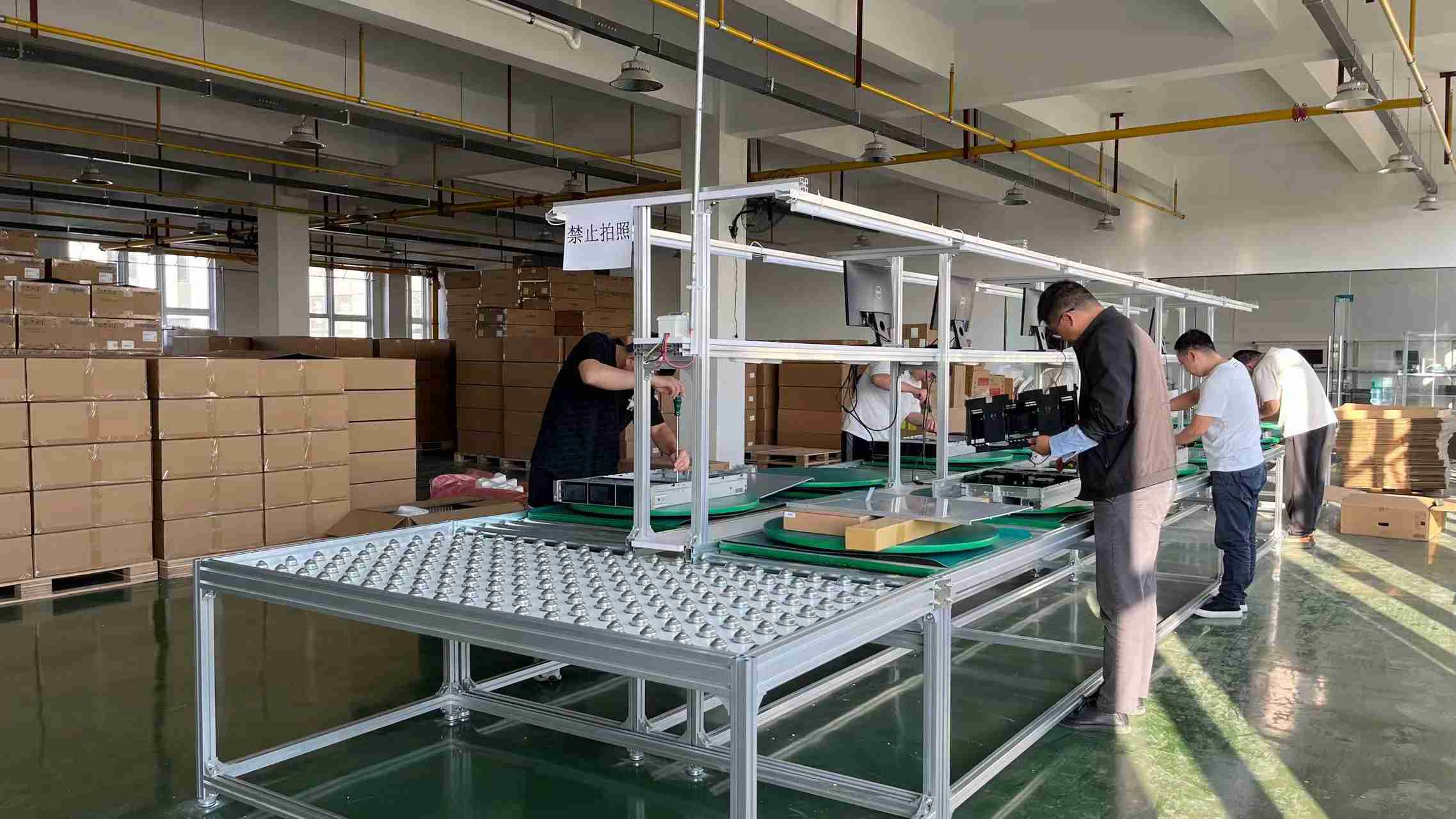
By working with a vetted partner like Corexis, international businesses eliminate mid-tier distribution markups. Our direct factory access ensures full transparency from raw silicon wafer sorting to final electrical validation.
In the transition toward a wireless, fully connected ecosystem, the deployment of intelligent power systems spans across major commercial and industrial sectors. Corexis engineers custom electronic architectures to fit precise environmental challenges:
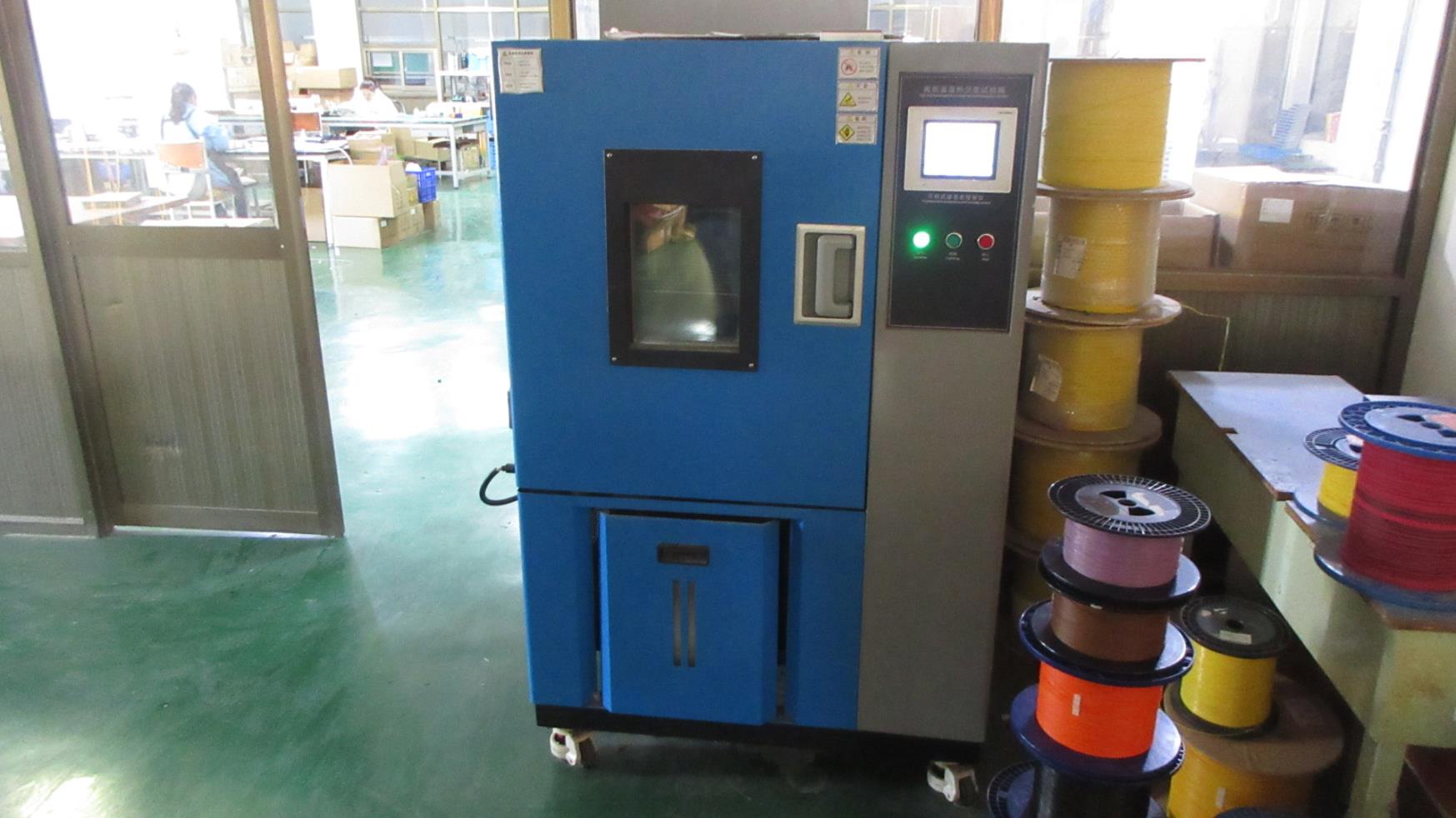
Automakers require Qi-certified wireless charging modules that withstand extreme automotive temperature swings (-40°C to +85°C) and comply with automotive safety guidelines (AEC-Q100).
Embedding high-wattage charging modules into work desks and public counters. These systems must support wide-area magnetic resonance charging and thick veneer penetrations.
Environments exposed to high humidity, liquids, or dust require hermetically sealed electronics. Inductive wireless charging replaces exposed contacts, preventing degradation.
Enterprise procurement teams face complex challenges, including supply chain bottlenecks and strict regulatory compliance. At Corexis, we structure our quality assurance and logistics processes to address these concerns:
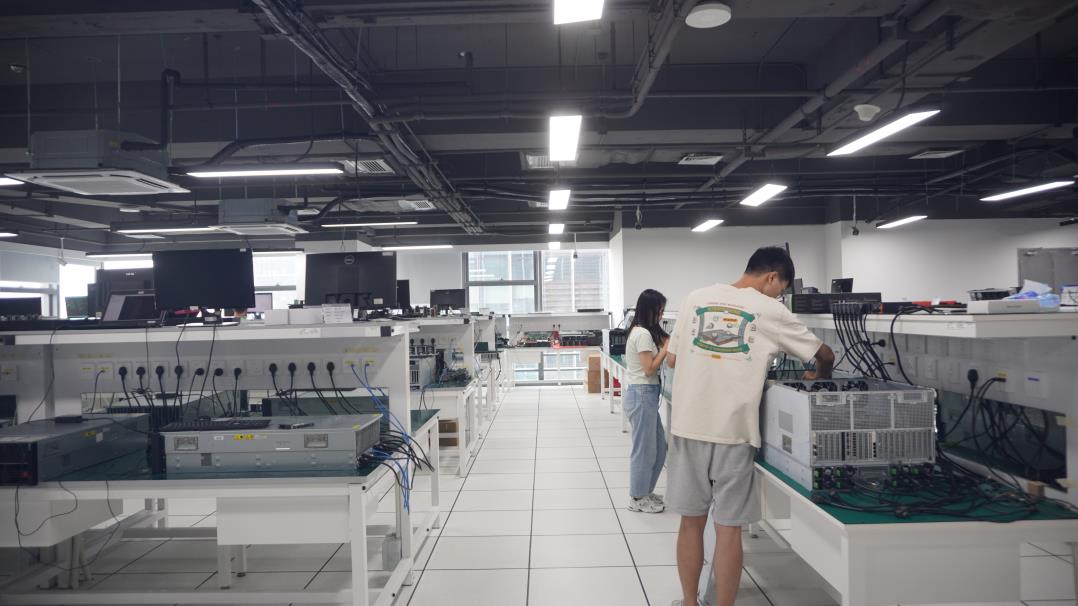
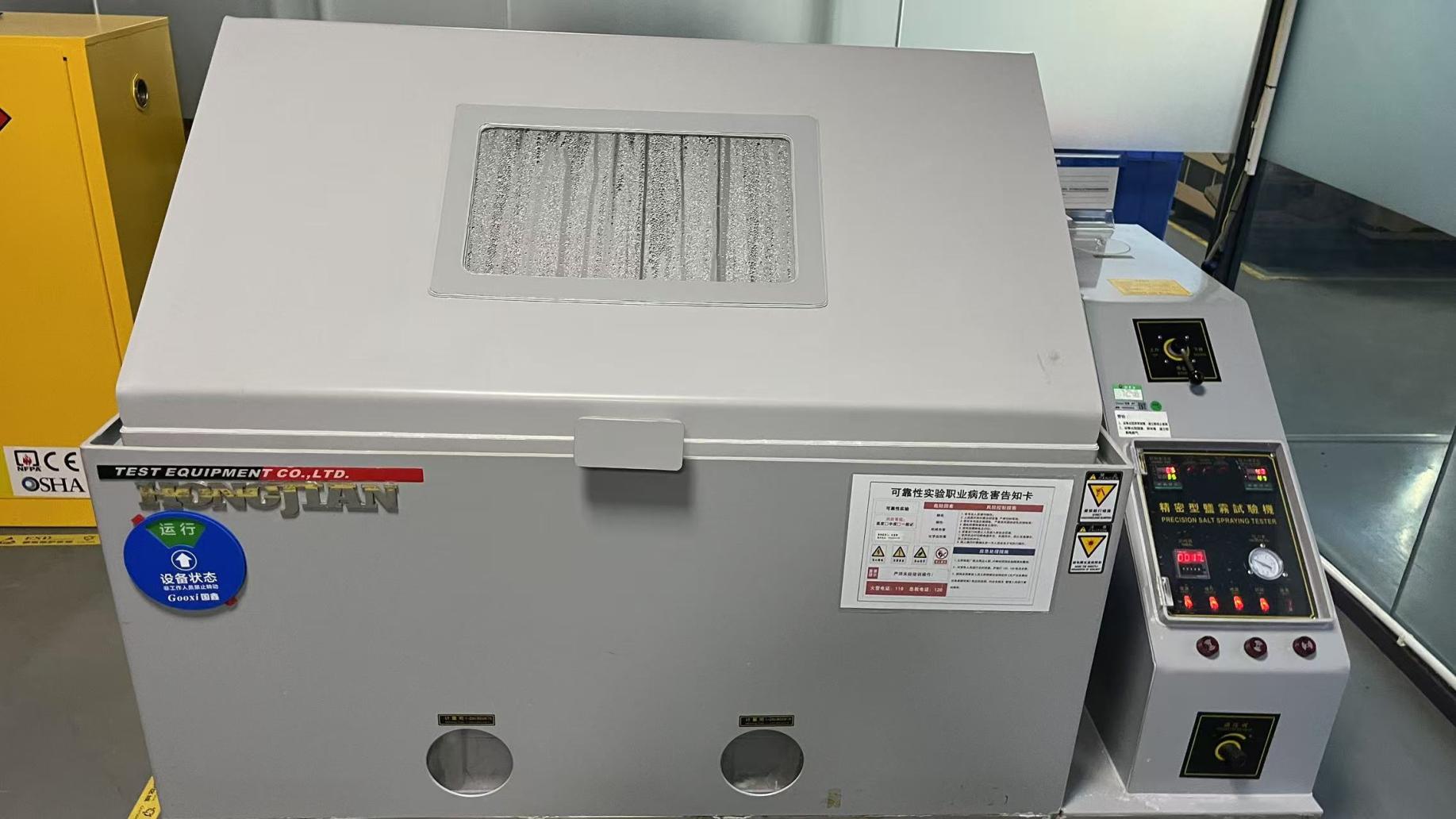
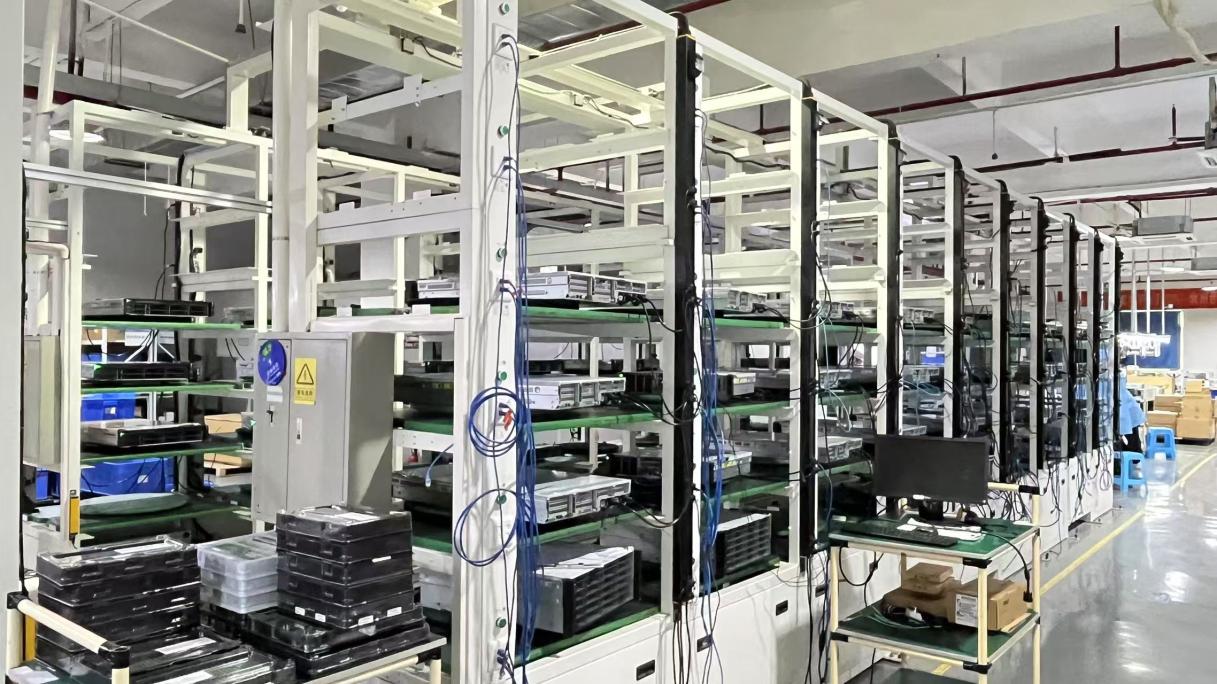
Our dedicated quality control department operates with 56 experienced quality assurance inspectors, running multi-stage inspection loops before any shipment leaves our shipping docks. This includes: Incoming Material Inspection (IQC) for all substrate materials and silicon ICs; In-Process Quality Control (IPQC) using automated optical inspection (AOI) machines; Final Quality Control (FQC) to verify electrical stability; and Outgoing Quality Assurance (OQA) checking package safety and compatibility.
All memory chips, power management controllers, and PCB assemblies are designed and certified to meet regional standards, including FCC, CE, RoHS, and WEEE directives. Our production floors adhere strictly to ISO 9001:2015 frameworks, giving global purchasing departments confidence in the reliability and compliance of our products.
The global wireless charging and embedded electronics industry is on the verge of a major technology transition, driven by two key engineering breakthroughs:
First is the integration of Gallium Nitride (GaN) semiconductors. GaN replaces traditional silicon inside power converters and smart charging blocks, offering higher switching frequencies and lower electrical resistance. This allows chargers to operate at higher wattages (e.g., 50W to 100W wireless power transfer) while remaining compact and generating minimal heat. Our R&D department continues to design GaN-compatible PCB configurations, ensuring we are ready for these higher-power charging speeds.
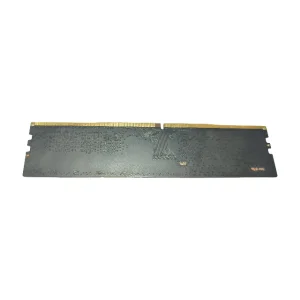
Second is the introduction of DDR5 DRAM technology, which provides the speed and bandwidth needed for high-speed edge computing. As smart charging hubs incorporate edge processing, they require robust memory systems like DDR5 to manage complex communication protocols and AI thermal monitoring. Corexis is well-positioned for this shift, manufacturing both high-density DDR5 memory modules and advanced charging circuitry under one roof.
 Corexis Memory