High-performance control units and memory architectures supporting high-throughput UVC sterilization systems in Antwerp’s municipal water and shipping infrastructures.
Ultraviolet radiation in the C-band (UVC, 200nm to 280nm) is widely recognized for its fast-acting, chemical-free pathogen neutralization capabilities. Historically, low-pressure gas mercury-vapor discharge lamps emitted at a fixed peak of 254nm. However, state-of-the-art solid-state 270nm-280nm 3535 UVC LEDs offer a technological paradigm shift. The DNA and RNA absorption spectra of target microorganisms—such as Cryptosporidium, Giardia, and drug-resistant bacteria like MRSA—exhibit a localized peak of maximum photochemical damage near 260nm to 265nm.
Opting for the 270nm-280nm band bridges the optical power efficiency of AlGaN (Aluminum Gallium Nitride) semiconductor crystal structures with high germicidal efficacy. In AlGaN LEDs, decreasing the target emission wavelength below 270nm dramatically reduces the External Quantum Efficiency (EQE) due to carrier injection difficulties and extraction losses within the high-aluminum-content lattice. A 275nm emitter leverages a mature semiconductor structure, generating up to 2-3 times the optical output power of a 255nm counterpart while maintaining 85% to 90% of the relative spectral inactivation rate. This efficiency tradeoff makes the 270nm-280nm wavelength band the global industry standard for high-performance industrial sterilization.
The 3535 surface-mount device (SMD) packaging configuration (3.5mm x 3.5mm footprint) has emerged as the standard platform for these emitters. Equipped with high-conductivity Aluminum Nitride (AlN) ceramic substrates and quartz glass dome lenses, the 3535 package handles thermal loads effectively, maintaining low junction temperatures during continuous high-current operations.
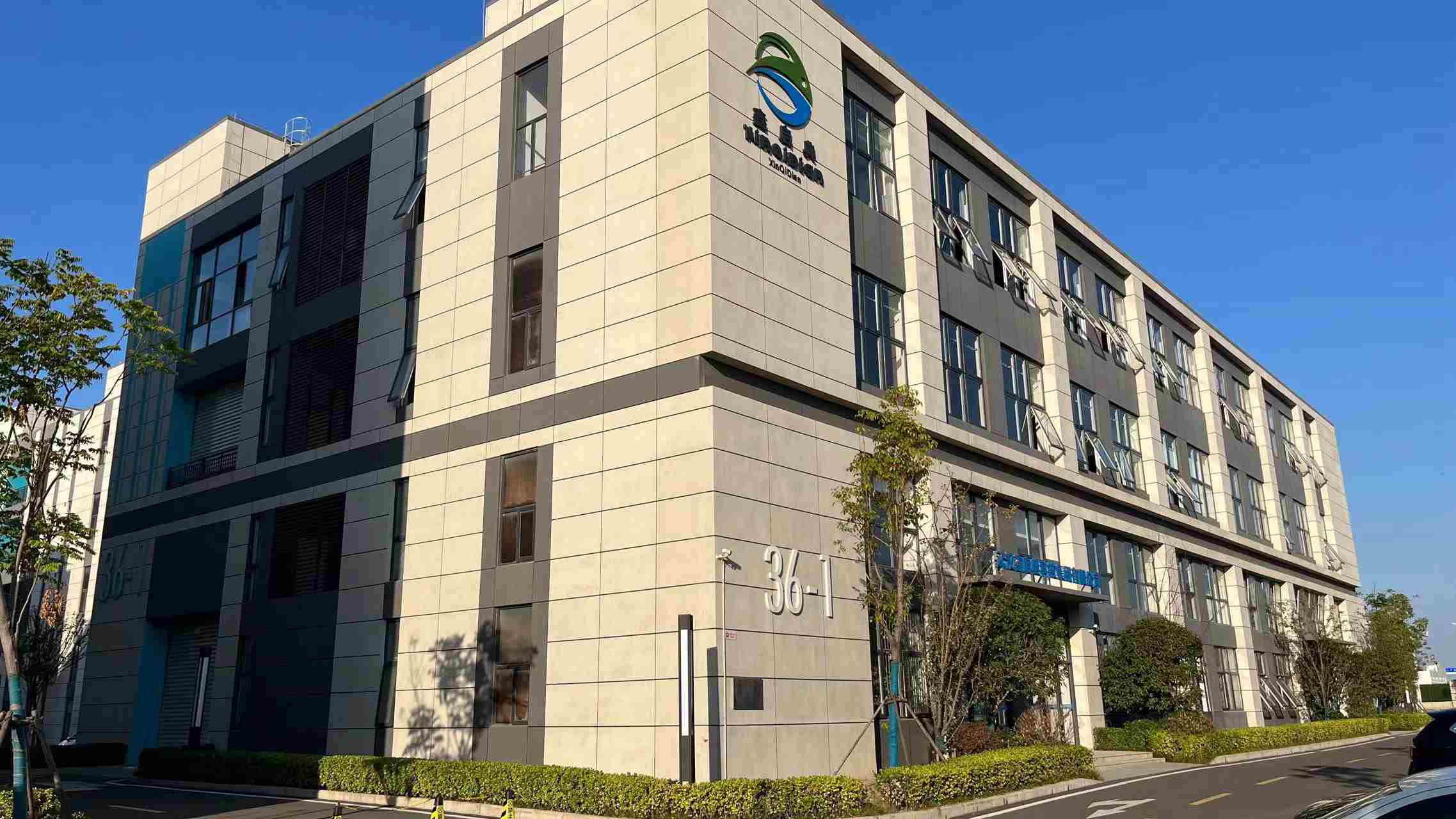
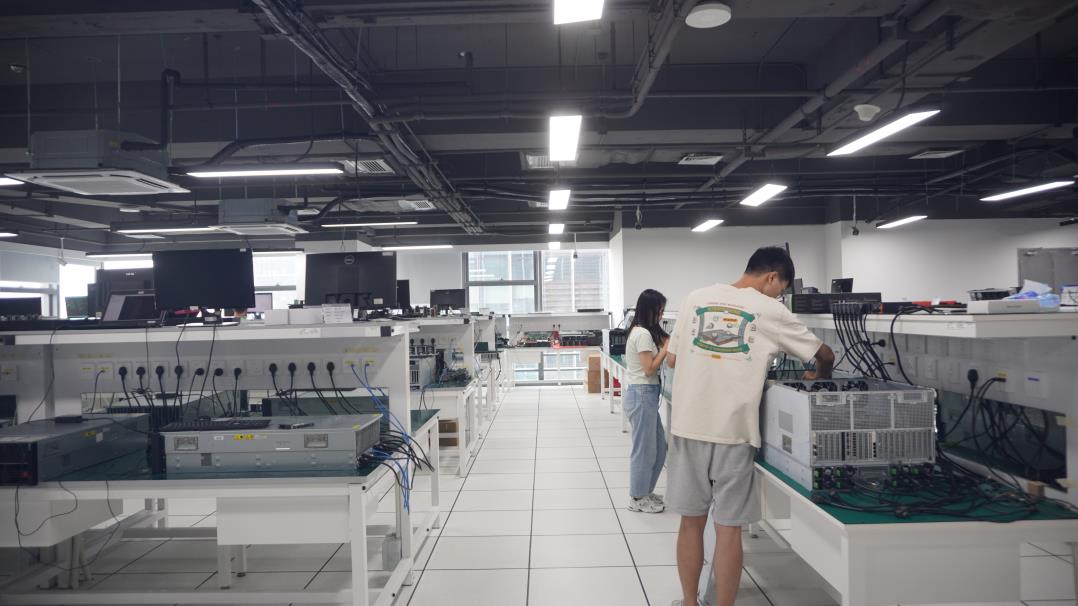
Advanced SMT & Testing Facility
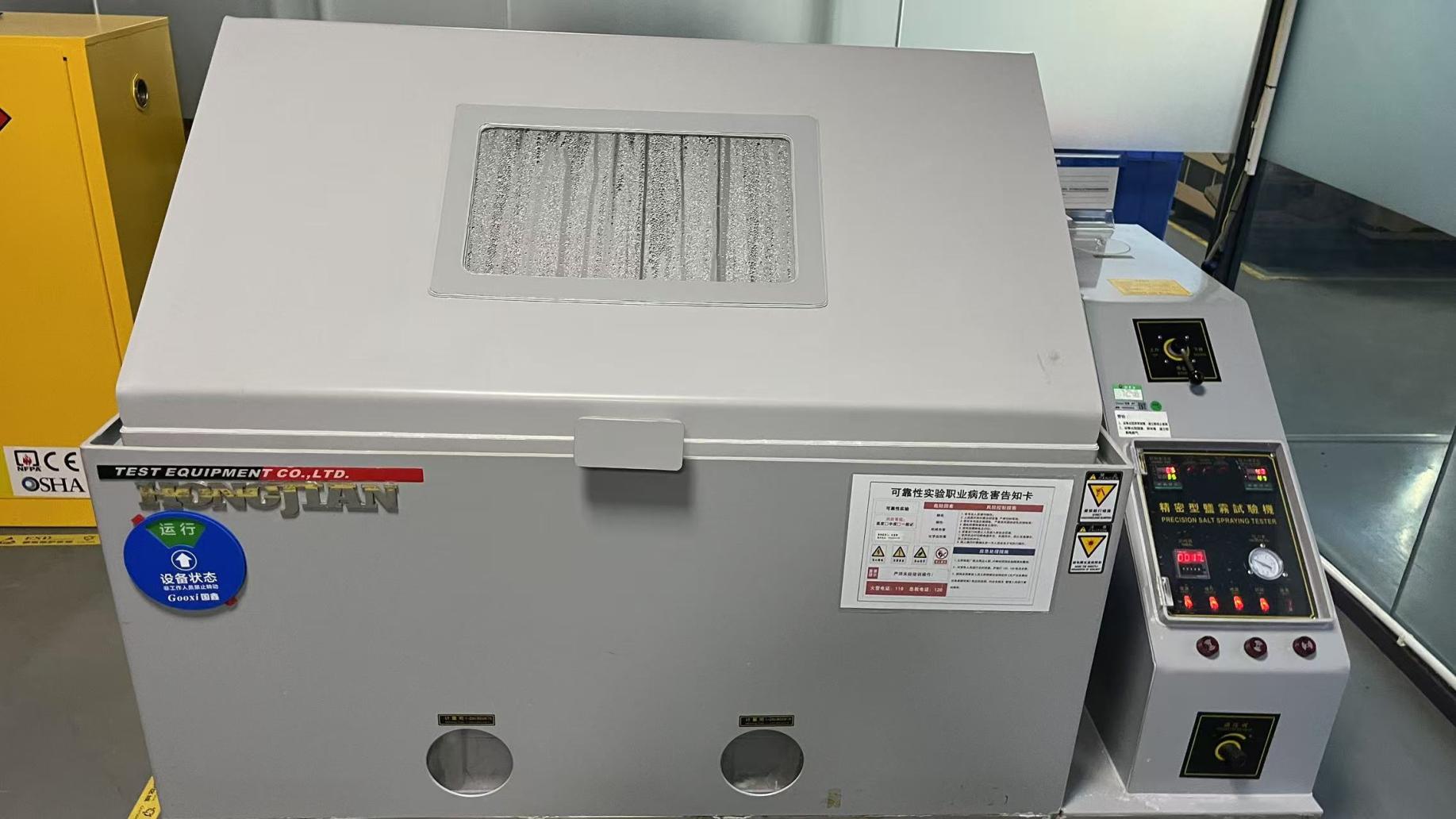
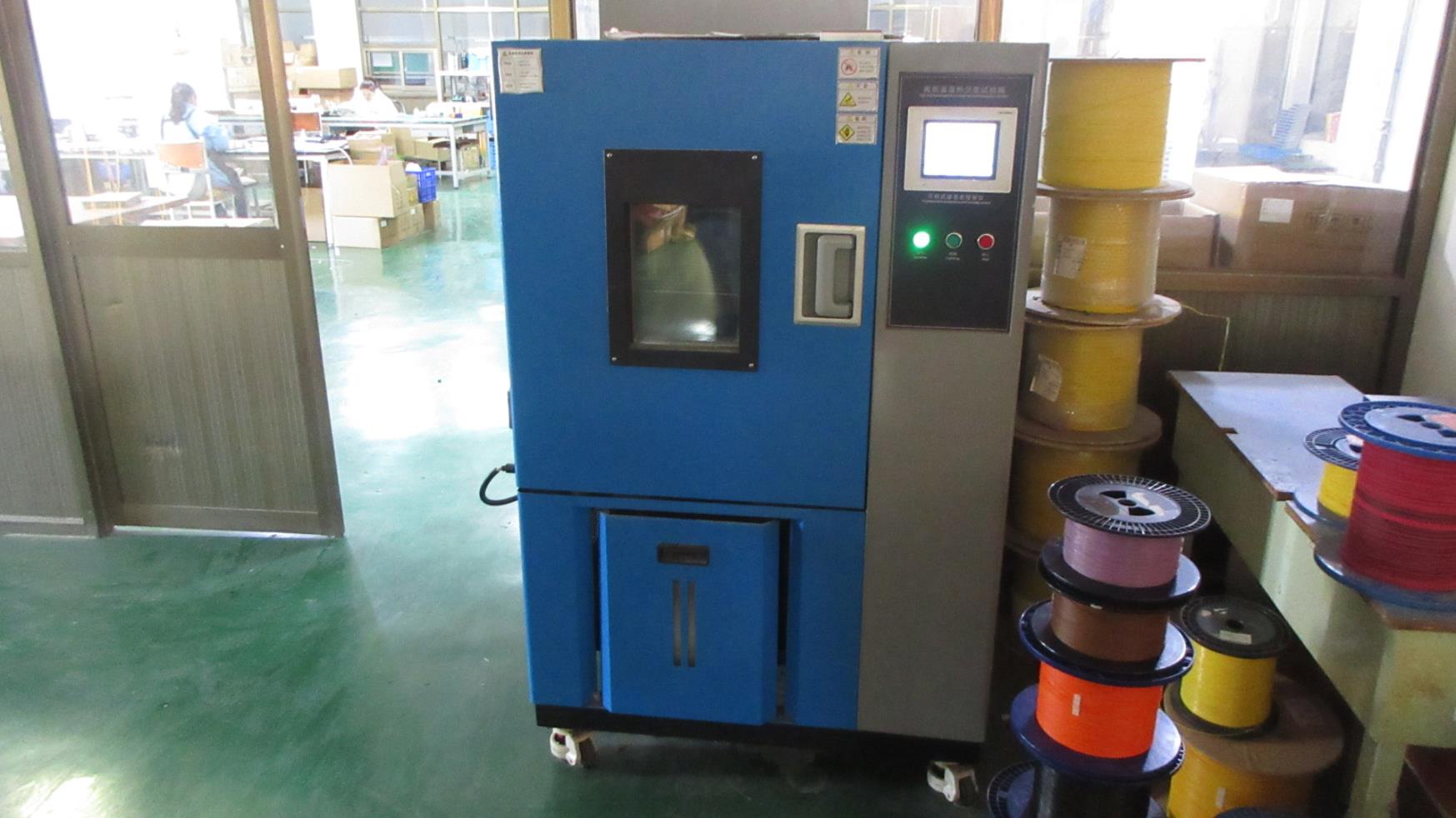
Full Optical & Reliability QC
Dedicated R&D Systems Engineers
Global Industrial OEM Supply Experience
The metropolitan region of Antwerp, Flanders, hosts critical logistics, chemical processing, and water management operations. Adapting solid-state UVC disinfection systems for these heavy industries requires specific localization:
As one of Europe's largest shipping gateways, Antwerp processes millions of metric tons of cargo annually. Ballast Water Treatment Systems (BWTS) installed on transoceanic cargo ships must perform reliably under varying water turbidity and salinity conditions. Traditional mercury-vapor disinfection systems are bulky, demand high-voltage startup, and represent an environmental hazard due to mercury contents. Compact 3535 UVC LED arrays, driven by robust industrial embedded circuits, allow shipbuilders to deploy modular, low-voltage, vibration-resistant ballast water treatment units that meet both EU maritime and IMO regulations.
Antwerp’s chemical sector represents one of the largest integrated chemical clusters globally. Industrial process cooling towers, process water loops, and ultra-pure water systems require continuous biofouling control without the addition of chlorinated biocides, which can corrode pipework or compromise downstream chemical reactions. Implementing explosion-proof 3535 UVC LED modules inside chemical treatment loops prevents the accumulation of biofilms and Legionella, minimizing maintenance downtime.
Antwerp’s historic and modern diamond trading and jewelry processing facilities require climate-controlled, contamination-free cleanrooms. Additionally, clinical research centers and pharmaceutical labs in the wider Flanders region utilize high-power 270nm-280nm UVC arrays in safety hoods, cleanroom air shower portals, and conveyor sterilization systems for material transit.
Operating 3535 UVC LEDs at maximum efficiency requires sophisticated control electronics. UVC LEDs are sensitive to thermal runaway and voltage fluctuations. Our company integrates industrial-grade memory modules, high-frequency printed circuit boards (PCBs), and controller components to ensure that UVC disinfection arrays operate under safe, regulated electrical conditions.
Whether running telemetry recording systems in ballast tanks or managing remote monitoring in Antwerp’s municipal water treatment plants, the reliability of the control hardware—including error-correcting code (ECC) memory modules and high-TG FR4/Rogers substrate PCBs—determines the lifespan of the optoelectronic system.
The design limits of AlGaN semiconductors require specialized solutions in packaging thermal dissipation. Standard LEDs emit light with high efficiency, but current 3535 UVC LED structures convert roughly 90% to 95% of electrical energy into heat instead of light. High junction temperatures ($T_j > 85^\circ\text{C}$) degrade the quantum wells and lead to optical power decline and color shifts.
Reliable UVC LED operation relies on the quality of the driving circuitry and support electronics. Our 21,800 m² factory integrates SMT (Surface Mount Technology) lines, testing labs, and chip-on-board assembly facilities.
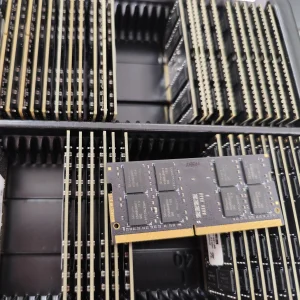
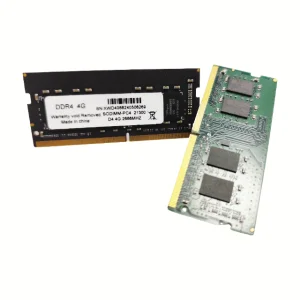
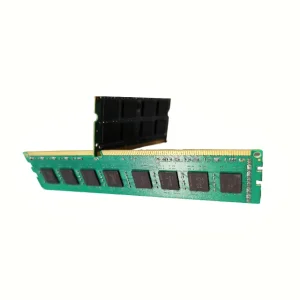
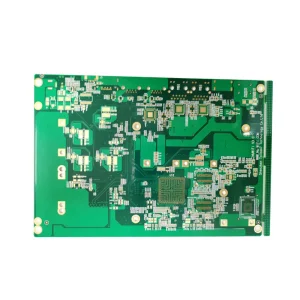
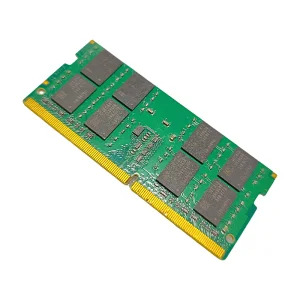
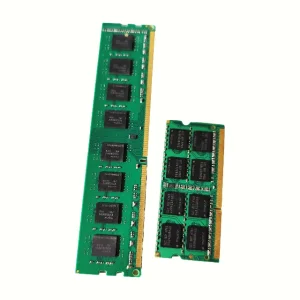
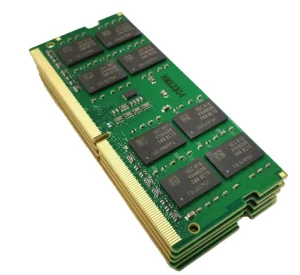
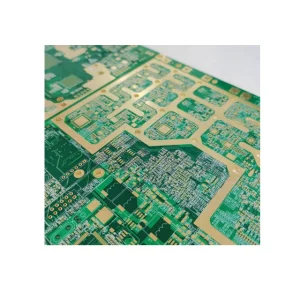
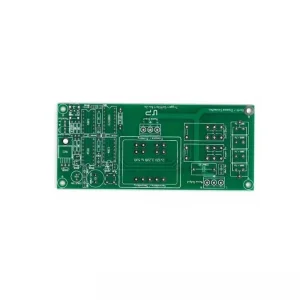
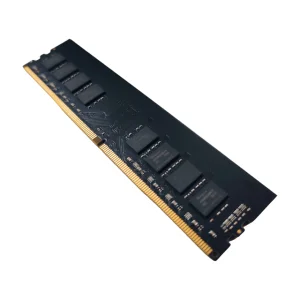
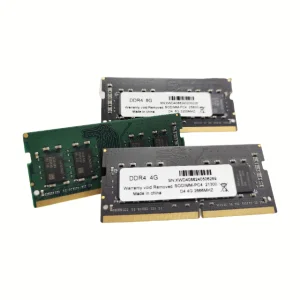
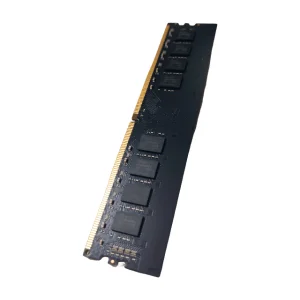
We manufacture both the optoelectronic modules and the advanced processing electronics. As shown in our product selection, we produce high-performance industrial memory modules (DDR4/DDR5 ECC modules) and multilayer FR4/Rogers PCBs. This combined capability allows us to offer integrated industrial controllers that monitor UVC LED status, regulate current, and log sterilization runtime data in harsh environments.
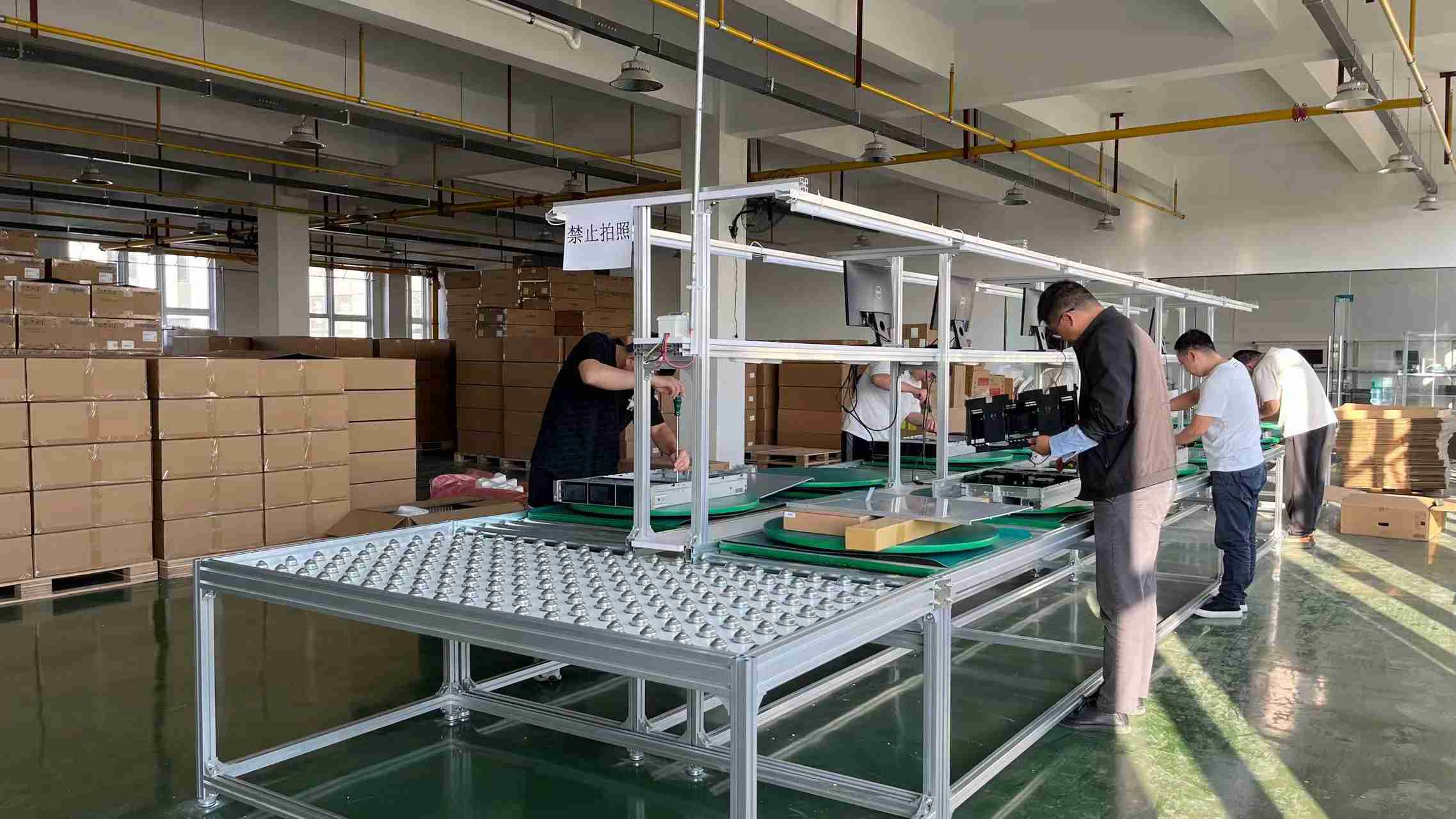
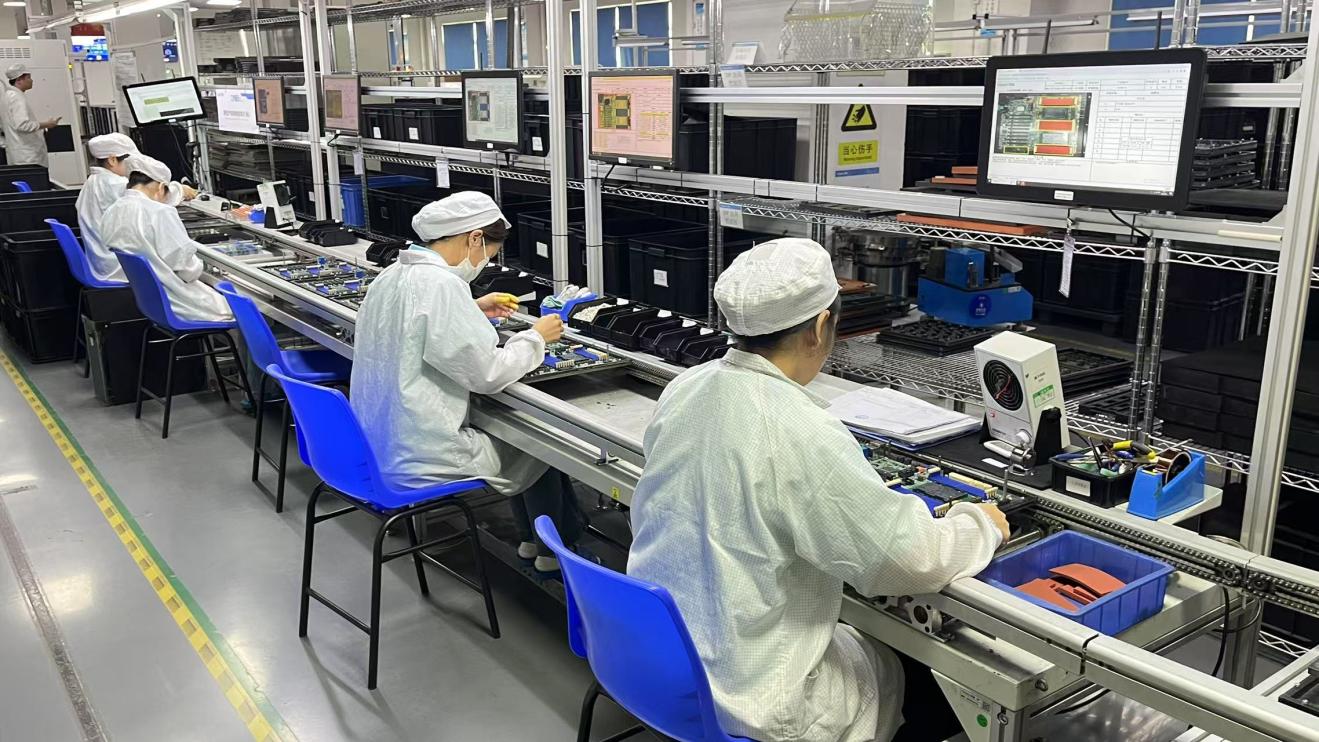
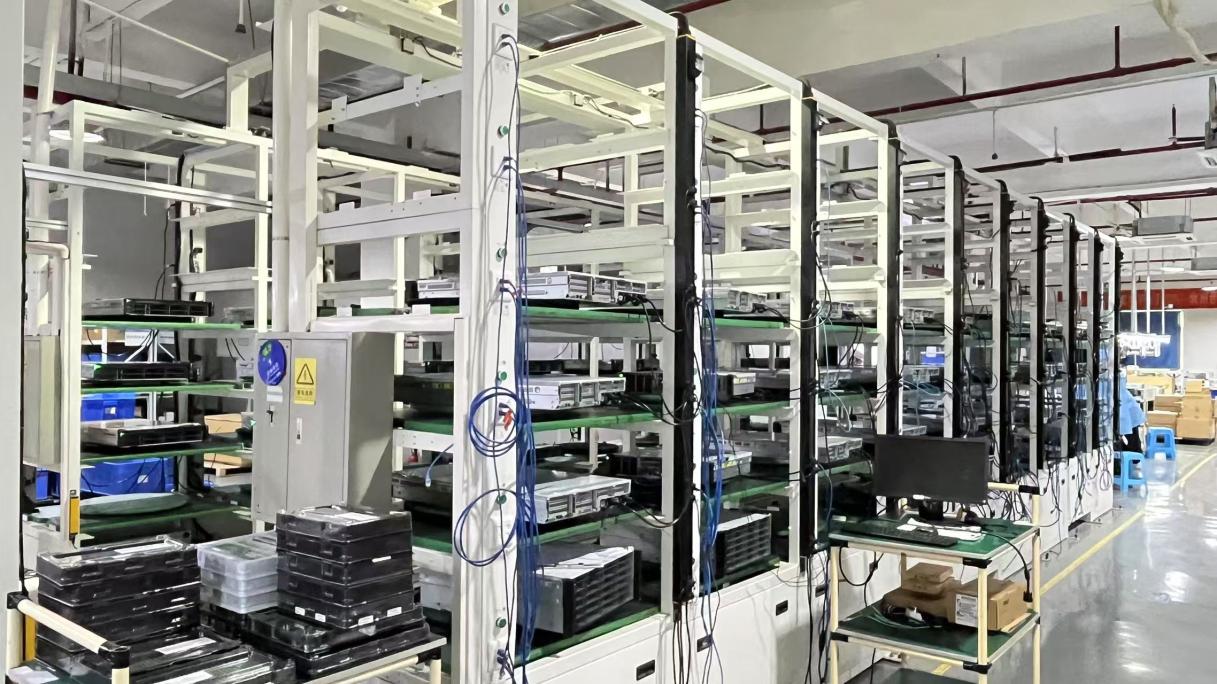
We implement strict quality assurance steps at each stage of production. Incoming components undergo material inspection (IQC) and in-process inspection (IPQC). Finished assemblies receive final functional testing (FQC) and outgoing quality assurance (OQA).
Our manufacturing processes align with key international standards to ensure compatibility and compliance for clients in Antwerp and across Europe:
Explore our range of high-reliability memory modules and driver PCBs built to support industrial control architectures in demanding European environments.
Answers to common engineering questions on industrial UVC deployment, package physics, and controller hardware integration.
From custom LED drivers and high-frequency PCBs to resilient memory architectures, our engineering team supplies the components needed to build reliable, high-power disinfection systems for the Antwerp market and beyond.
Send Inquiry Now Corexis Memory