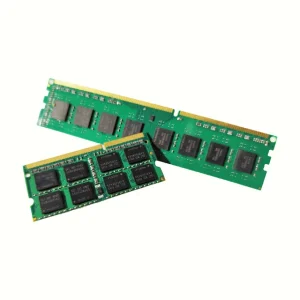
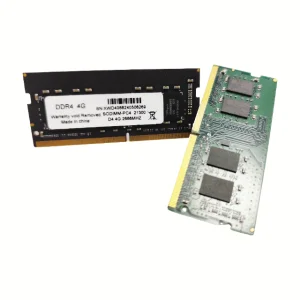
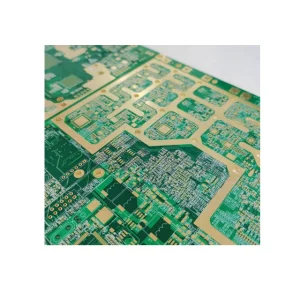
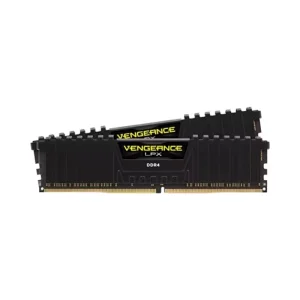
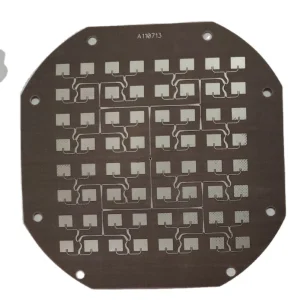
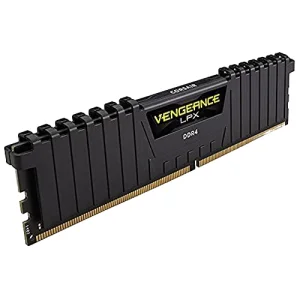
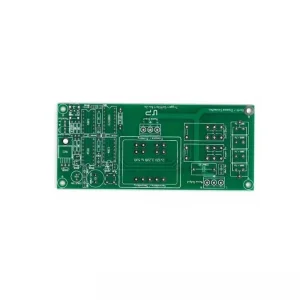
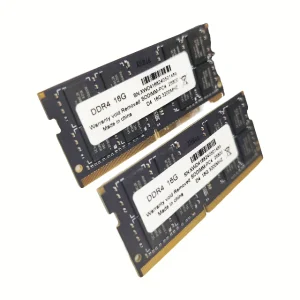
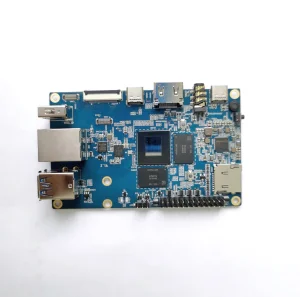
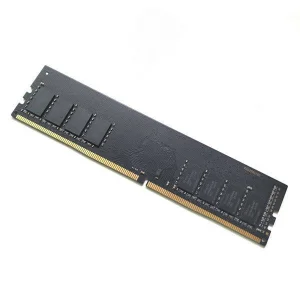
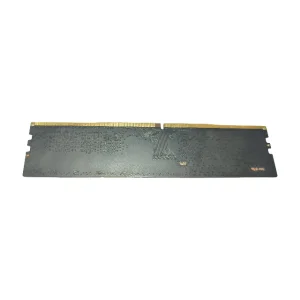
Discover our primary range of standard hardware components, high-frequency circuits, and optimized memory modules engineered to function under extreme thermal constraints.
Aligning thermal conductivity, material stability, and supply security for industrial applications.
In the modern high-performance computing (HPC) and telecommunications landscapes, Thermal Interface Materials (TIMs) represent a core technical cornerstone. With server CPUs and GPUs scaling beyond 350W thermal design profiles (TDP), managing contact resistance between high-heat chip dies and heat-dissipating cold plates is no longer secondary; it dictates system performance, MTBF (Mean Time Between Failures), and structural lifespan.
Global procurement teams must balance complex performance variables. The purchasing dynamic has evolved from simply seeking the lowest cost per gram of thermal grease to evaluating complex material physics, including thermal impedance vs. pressure curves, viscoelastic flow behaviors, bond line thicknesses (BLT), and long-term reliability characteristics (thermal cycling, bake-in degradation, and outgassing profiles). As a primary manufacturer, Corexis bridges this evaluation gap by formulating tailored solutions that address specific heat dissipation bottlenecks.
Whether sourcing ultra-soft thermal gap pads for delicate high-frequency Rogers PCBs or developing custom phase change materials (PCM) for next-generation enterprise DDR5 RAM kits, our engineering approach ensures that your assemblies achieve lower operating temperatures, optimal signal integrity, and exceptional operational longevity.
Delivering high-reliability thermal management across demanding industrial sectors.
Deploying advanced aluminum and Rogers PCB assemblies in base stations requires TIMs with high dielectric isolation and exceptionally low dielectric constants. Our custom solutions minimize insertion loss while optimizing heat dissipation from power amplifiers.
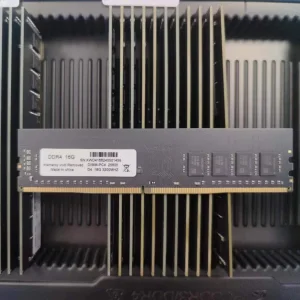
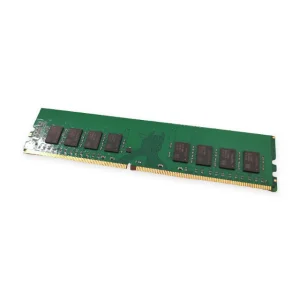
With DDR5 memory modules and multi-core processors running continuously at elevated voltages, our enterprise-grade gap fillers ensure stable heat transfer to keep pace with intensive deep-learning workloads.
Safety-critical ADAS controllers and EV batteries require materials that can withstand harsh vibrations and high temperatures. Corexis provides custom gap pads that maintain surface compliance and high dielectric strength across a broad temperature envelope.
Established manufacturer delivering custom electronics, advanced PCBs, and high-conductivity thermal solutions since 2016.
Corexis Memory Technology Co., Ltd. is a professional DDR5 memory and advanced hardware solutions manufacturer dedicated to delivering high-performance DRAM structures and interface materials for global OEM, ODM, and brand customers. Since our establishment in 2016, we have focused on thermal-electric interface innovation, advanced surface mount technology (SMT), and strict quality management systems.
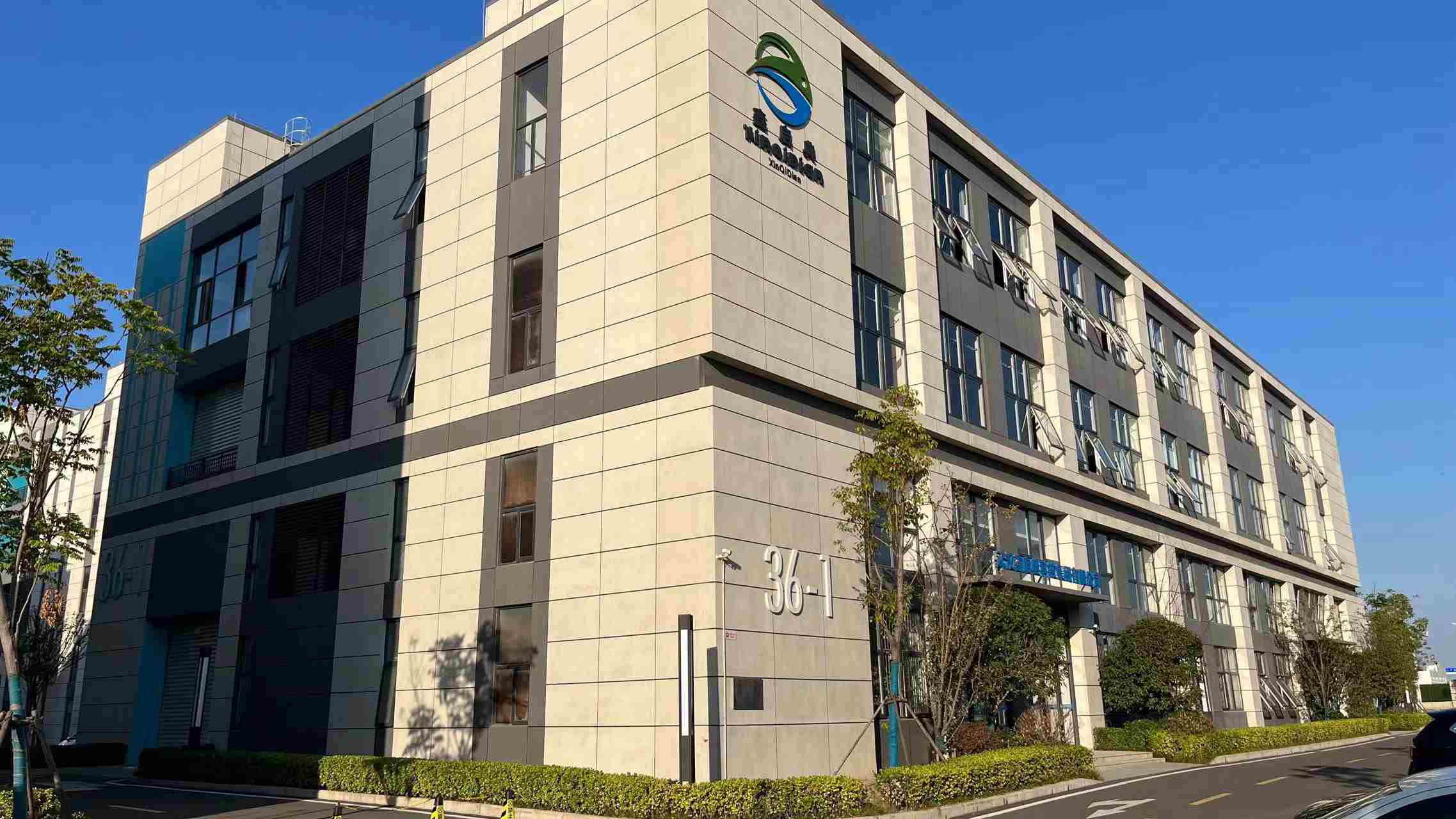
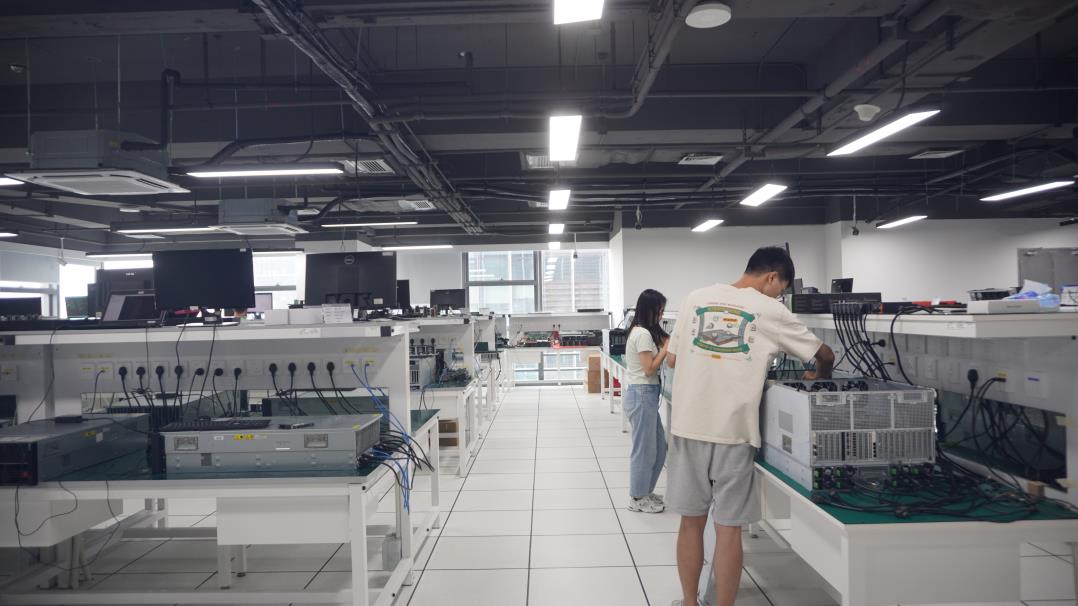
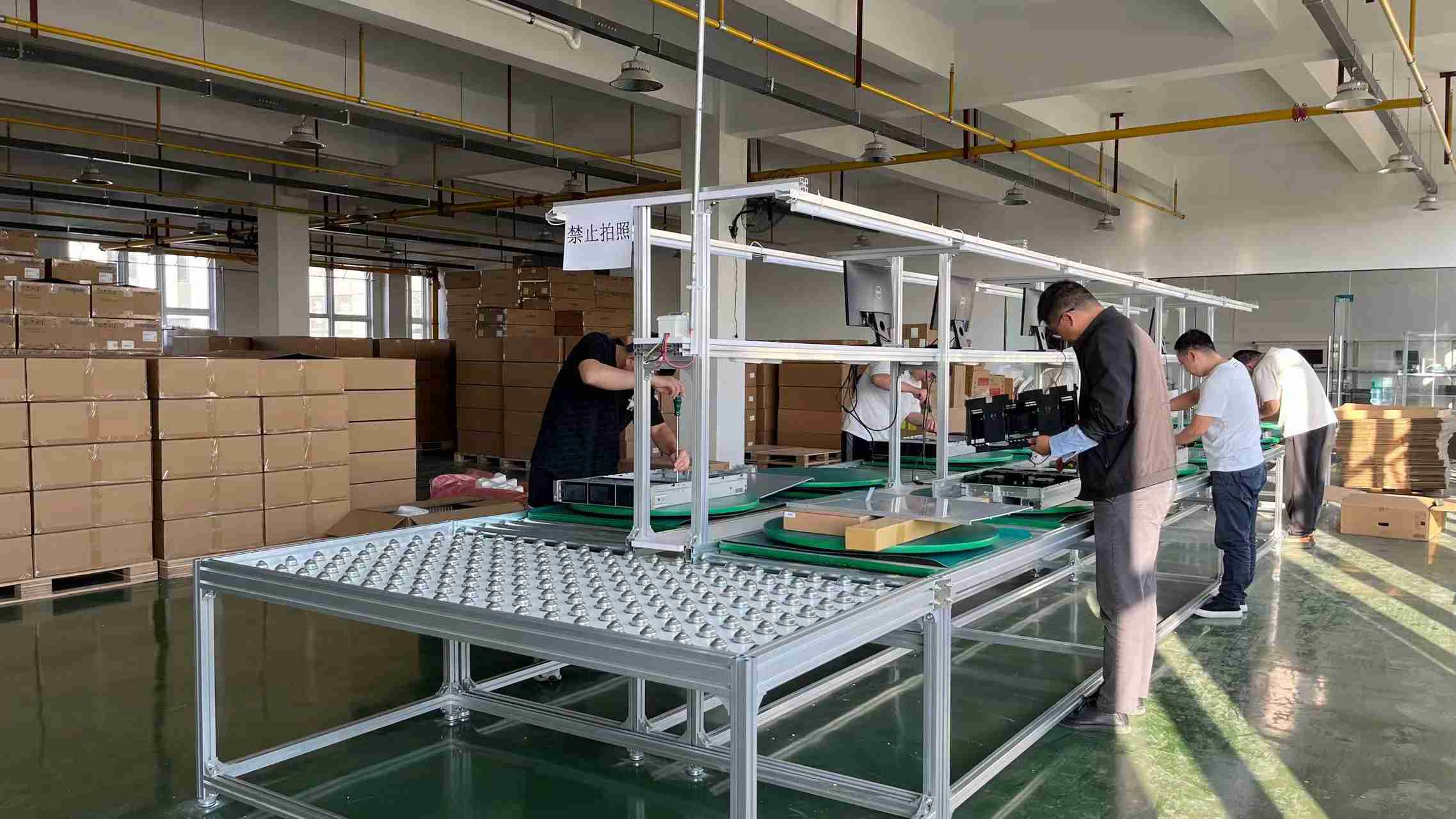
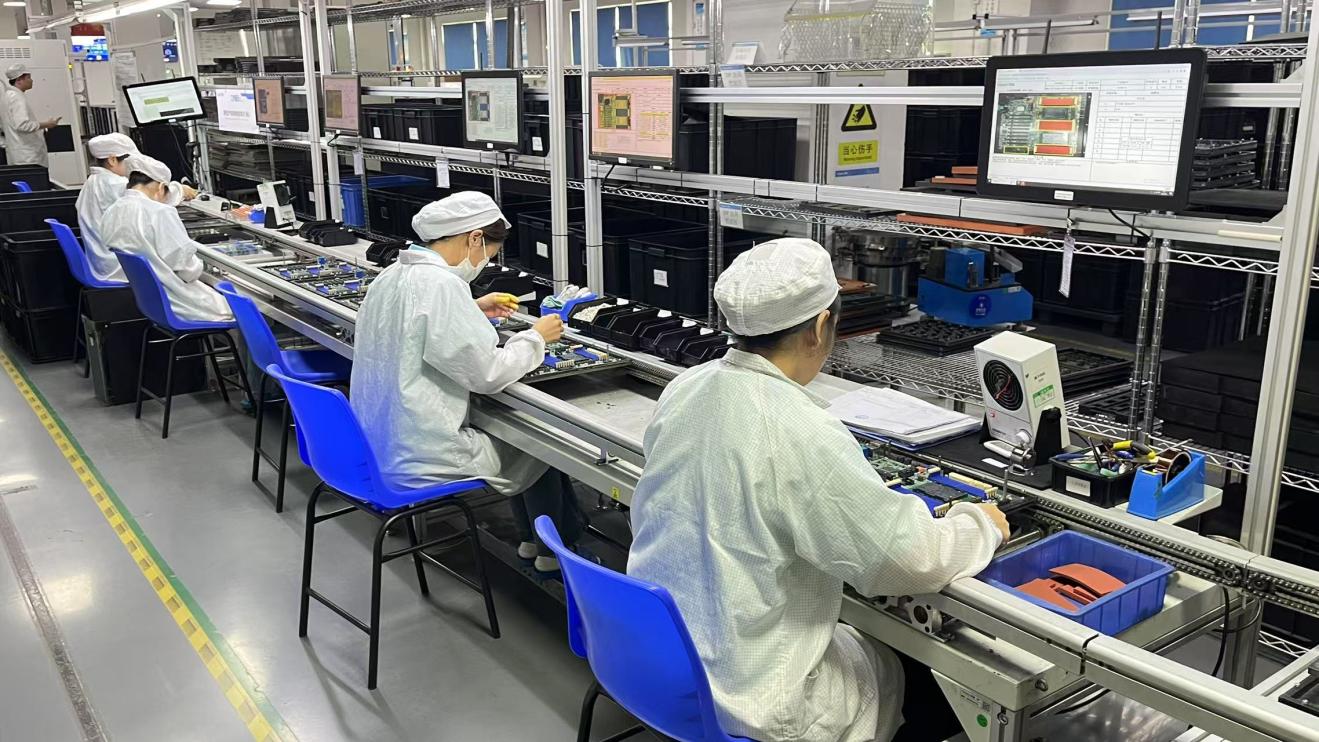
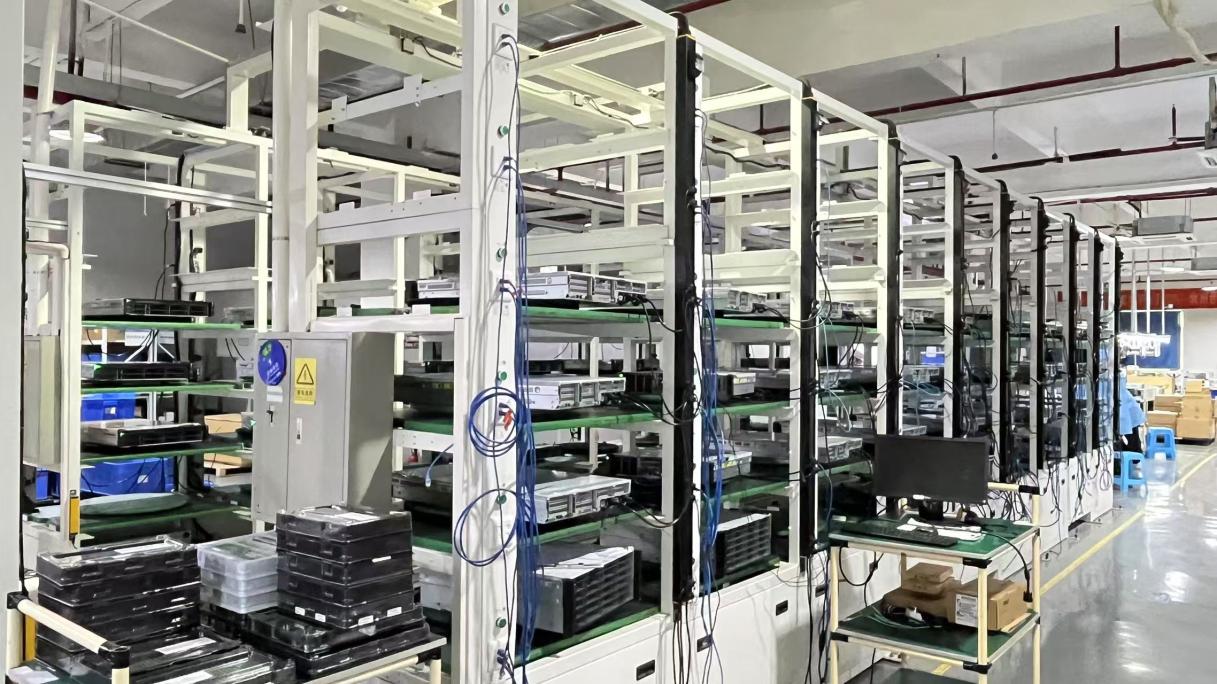
Operating a modern fabrication facility spanning 21,800 square meters, Corexis integrates dedicated hardware R&D, SMT assembly lines, testing chambers, packaging lines, and quality assurance divisions under one roof. Our engineering teams continuously develop reliable, high-speed, and thermally optimized memory modules and specialized substrate configurations that meet stringent international regulations.
Navigating the next frontier of material science for high-power density electronics.
The roadmap for Thermal Interface Materials is driven by two physical challenges: maximizing bulk thermal conductivity and minimizing interface contact resistance under low mounting pressures. Standard silicon-based thermal grease is increasingly restricted by bleed-out, migration, and dry-out phenomena in high-reliability applications like server memory chips and power converters.
Corexis is actively expanding its R&D focus toward several next-generation material platforms:
| Material Class | Thermal Conductivity Range | Key Advantage | Typical Applications |
|---|---|---|---|
| Non-Silicone Gap Fillers | 3.0 to 8.0 W/m·K | Zero siloxane volatile outgassing; avoids optical and relay fouling. | Aerospace, Telecom base stations, Laser assemblies |
| Phase Change Materials (PCM) | 4.5 to 12.0 W/m·K | Thins out at phase transition temperatures to minimize bond line thickness (BLT). | High TDP GPUs, DDR5 server memory modules |
| Advanced Synthetic Graphite Sheets | Up to 1500 W/m·K (X-Y plane) | Ultra-high lateral heat spreading; highly flexible and lightweight. | Mobile phones, thin laptops, power electronics |
| Liquid Metal Alloys | 30 to 80 W/m·K | Extremely low thermal impedance; metallic bonding. | AI Supercomputing clusters, niche high-end overclocking |
Ensuring regulatory compliance, long-term environmental sustainability, and consistent supply security.
Navigating global supply chain regulations is central to our OEM business model. Every batch of products manufactured at Corexis undergoes verification processes that ensure compliance with environmental and hazard safety standards.
Our raw materials are certified compliant with RoHS (Restriction of Hazardous Substances) and REACH (Registration, Evaluation, Authorisation and Restriction of Chemicals) directives. We employ flame-retardant chemistry that ensures compliance with the UL 94 V-0 safety standard, a baseline requirement for consumer electronics, automotive assemblies, and server architectures.
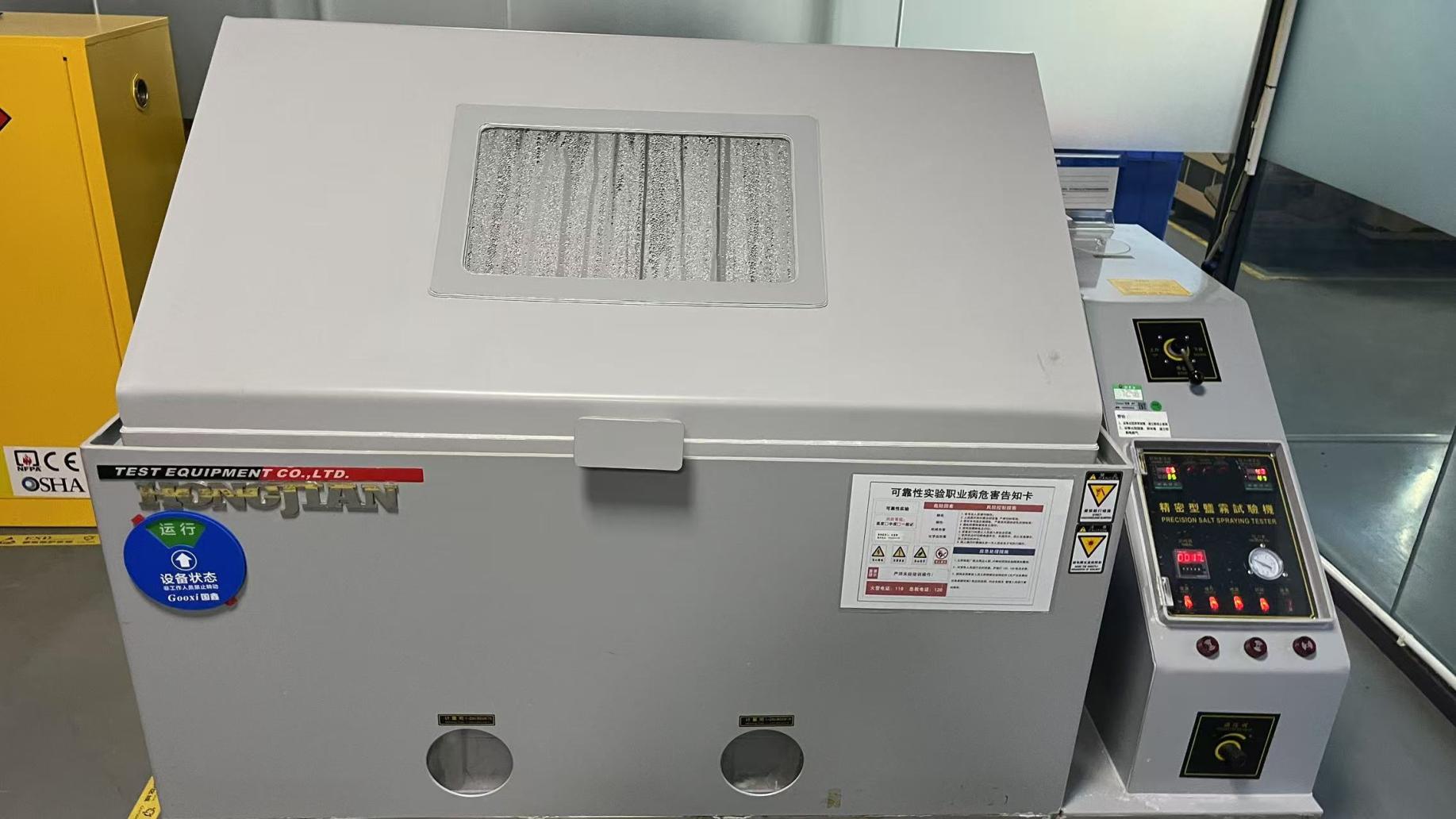
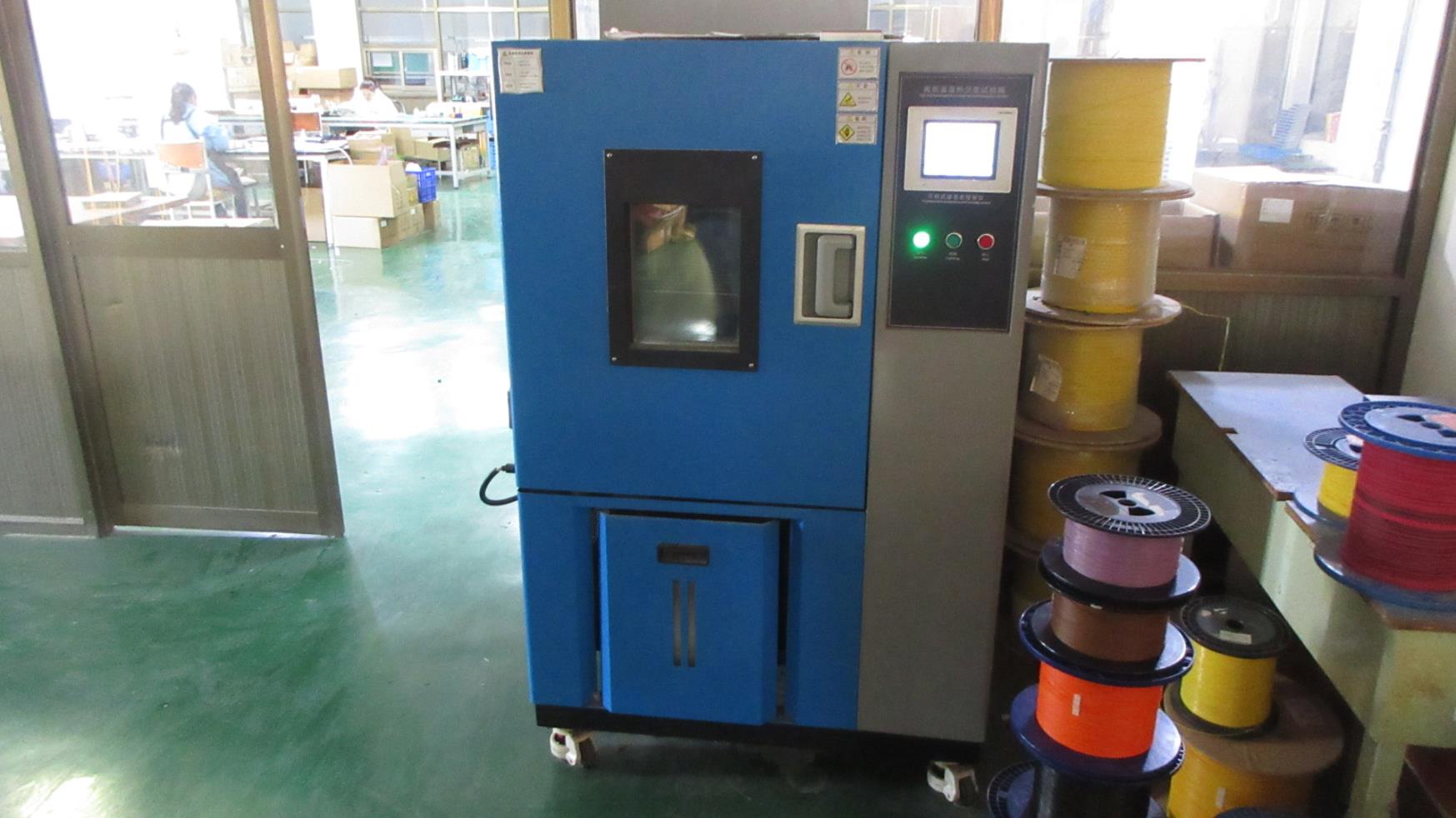
By implementing a multi-stage validation workflow (comprising incoming component testing, automated inline SMT inspection, temperature-humidity cycle testing, and thermal impedance analysis via ASTM D5470 test setups), Corexis delivers predictable, long-term performance. Our localized distribution networks support key markets across Europe, North America, and Southeast Asia, offering rapid prototyping and direct technical support to global engineering divisions.
Explore our range of memory chips, high-speed controller circuit assemblies, and specialized multi-layer PCBs.
Technical answers to key implementation questions from hardware design engineers.
Thermal conductivity is an intrinsic physical property of a bulk material, measured in W/m·K, which reflects its capacity to conduct heat. Thermal impedance, measured in °C·in²/W or K·cm²/W, describes the overall resistance to heat flow across a specific interface, factoring in the thickness of the material (bond line thickness) and the contact resistance at the joining boundaries. In high-performance microelectronics, minimizing thermal impedance is the target, which often requires optimizing both thermal conductivity and material compressibility.
Silicone-based TIMs can slowly outgas low-molecular-weight siloxane molecules over time, especially during thermal cycling. These volatile compounds can migrate and deposit onto nearby optical components (such as laser diodes or lenses) or electrical contacts, where they degrade to form an insulating silica layer, leading to device failure. Silicone-free TIMs (often based on polyurethane, epoxy, or acrylic chemistries) eliminate outgassing risks.
Thermal gap pads are designed to deform under pressure, filling microscopic surface irregularities. As mounting pressure increases, the pad compresses, reducing the bond line thickness (BLT) and lowering the thermal contact resistance. However, excessive pressure can damage delicate silicon dies or PCBs. The target is to select a pad with high compressibility (low hardness/Shore 00 rating) that achieves low thermal impedance at a moderate, safe compression level (e.g., 20-30% deflection).
The industry standard for measuring the thermal performance of TIMs is ASTM D5470. This method measures the heat flow through a specimen held under a controlled pressure between a heated hot plate and a cooled cold plate, allowing the determination of both thermal impedance and bulk thermal conductivity.
 Corexis Memory