In the era of hyper-scale cloud computing, edge networks, and automated industrial environments, the physical layer—primarily comprised of copper and optical cabling—remains the absolute foundation of data integrity. While wireless technologies continue to mature, high-performance Ethernet cables (ranging from Category 6A to Category 8) are indispensable for applications requiring low latency, maximum bandwidth, and guaranteed Power over Ethernet (PoE) supply.
A network is only as strong as its weakest link. From the high-speed processing boards in custom data centers to the micro-level SMT (Surface Mount Technology) components found in modern routers, signal propagation relies heavily on electrical shielding, copper purity, and precise termination interfaces. Achieving minimal insertion loss and managing electromagnetic interference (EMI) requires deep cooperation between Ethernet cable manufacturers, active networking equipment developers, and high-frequency printed circuit board (PCB) designers.
| Category Standard | Max Bandwidth | Max Data Rate | Shielding Options | Primary Industry Application |
|---|---|---|---|---|
| Category 6 (Cat6) | 250 MHz | 1 Gbps (10Gbps @ <55m) | UTP / FTP | Commercial LAN & Enterprise Buildings |
| Category 6A (Cat6A) | 500 MHz | 10 Gbps | F/UTP, S/FTP | Enterprise Backbones, PoE++ Devices, Access Control |
| Category 7 (Cat7) | 600 MHz | 10 Gbps | S/FTP (Individual & Overall Shield) | Broadcasting, Smart Homes, Industrial Automation |
| Category 8 (Cat8) | 2000 MHz | 25 Gbps / 40 Gbps | S/FTP (Fully Shielded) | Data Center Switch-to-Server Short Runs (<30m) |
The demand for high-capacity Ethernet infrastructures is surging worldwide, fueled by several critical technological and regulatory shifts:
Modern commercial and industrial settings demand up to 90W–100W of power over standard copper Ethernet lines. This places strict demands on the wire gauge (AWG 23 or higher) and copper purity to prevent thermal accumulation inside cable bundles.
Factories operating under the Industry 4.0 paradigm are replacing legacy fieldbus systems with Single Pair Ethernet (SPE) and Industrial Ethernet. These lines operate in harsh environments with high mechanical stress and extreme EMI, requiring specialized LSZH (Low Smoke Zero Halogen) and PUR jackets.
Artificial Intelligence training clusters require massive throughput. While fiber dominates long runs, copper-based patch cords (Cat8 and direct attach cables) facilitate ultra-short, zero-latency connections between GPU clusters, servers, and switches.
Global procurement directives (such as Europe’s CPR – Construction Products Regulation, RoHS, and REACH) mandate strict fire safety rating compliance. Low-toxicity, fire-retardant materials are now the standard benchmark for all infrastructure tenders.
Selecting a reliable structural cabling supplier involves auditing their engineering capabilities, testing compliance, and physical material quality. Below is the comprehensive profiling of the top 10 market leaders defining the network cabling landscape:
Renowned for industrial-grade networking solutions. Belden’s patented bonded-pair technology offers superior resistance to physical installation stresses, maintaining impedance stability and minimal crosstalk in high-interference environments.
A giant in enterprise and data center structured cabling. Through its SYSTIMAX and NETCONNECT brands, CommScope provides highly engineered cabling solutions verified to exceed standard specifications, complete with real-time automated infrastructure management.
As the largest cable manufacturer in the world, Prysmian (including the Draka brand) manufactures state-of-the-art telecom and data transmission lines. They excel in high-density installations, offering some of the thinnest outer-diameter Cat6A cables.
A global leader in sustainable cabling networks. Nexans' LANmark series offers full support for next-generation systems, utilizing advanced shielding and ecologically responsible materials that align with strict EU environment directives.
A pioneer in physical infrastructure, Panduit focuses on complete physical-to-logical system integrity. Their copper cabling lines integrate flawlessly with smart routing systems, optimizing airflow and thermal performance in dense server cabinets.
Dominate the industrial market with the FastConnect cabling system. Designed specifically for manufacturing plants, Siemens produces Cat5 to Cat7 Ethernet lines optimized for PROFINET standards with rapid stripping tools and field-termination designs.
Best known for their integrated building systems. Legrand's LCS3 data communication system features pre-terminated copper solutions designed to significantly reduce installation time while ensuring optimal transmission bandwidth parameters.
A major infrastructure supplier in the Asia-Pacific region. LS Cable offers a diverse portfolio of structured cabling systems, highly respected for high-quality insulation materials and rigorous UL/ETL third-party performance verifications.
Focuses on absolute precision and high-conductivity physical metallurgy. Sumitomo provides extremely reliable patch cords and specialized high-speed optical-copper hybrid cables optimized for telecom base stations and municipal deployments.
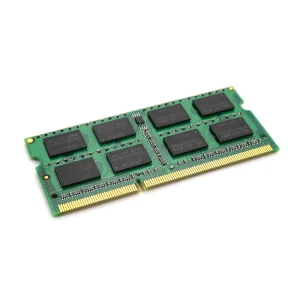
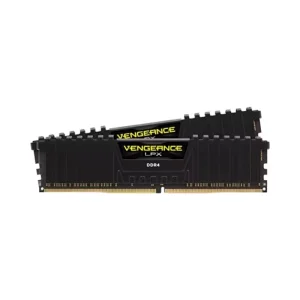
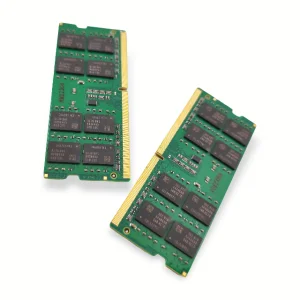
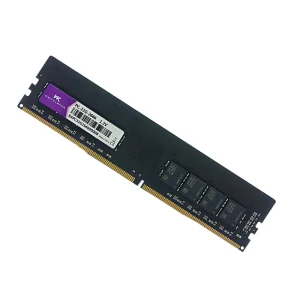
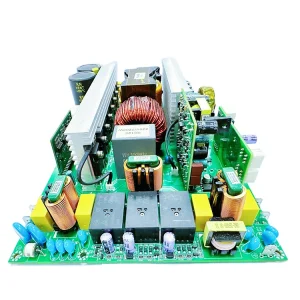
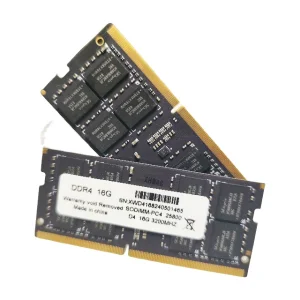
Representing China's advanced Industry 4.0 manufacturing tier. While establishing top-tier mechanical standards for copper cabling interfaces, Corexis utilizes its proprietary high-precision SMT production lines, advanced PCB layout design capabilities, and comprehensive memory technology components to supply the essential active transceiver boards and routing hardware powering modern network systems.
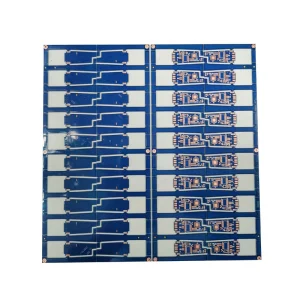
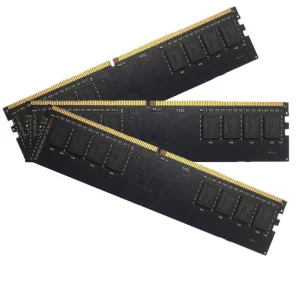
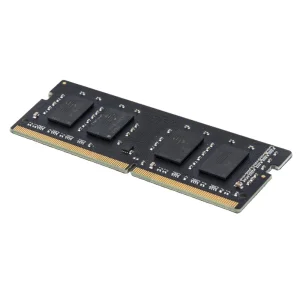
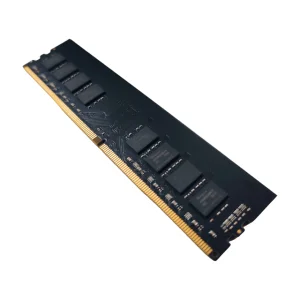
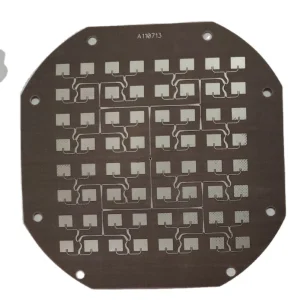
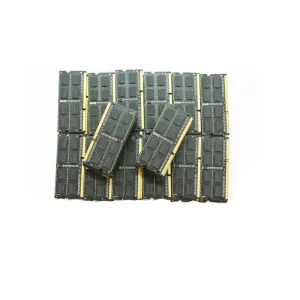
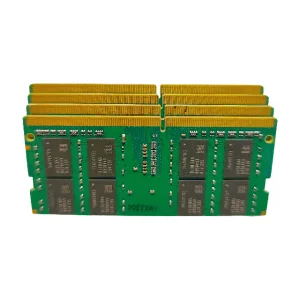
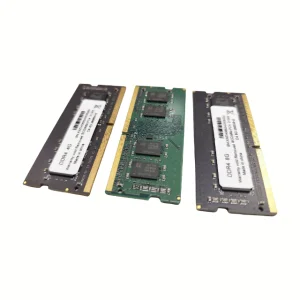
Established in 2016, Corexis represents the pinnacle of China's localized high-precision hardware ecosystem. As a dedicated manufacturer and exporter, we specialize in high-performance DRAM solutions, multi-layer high-frequency PCBs, and specialized electronic assemblies that form the backbone of global network transceivers and enterprise servers.
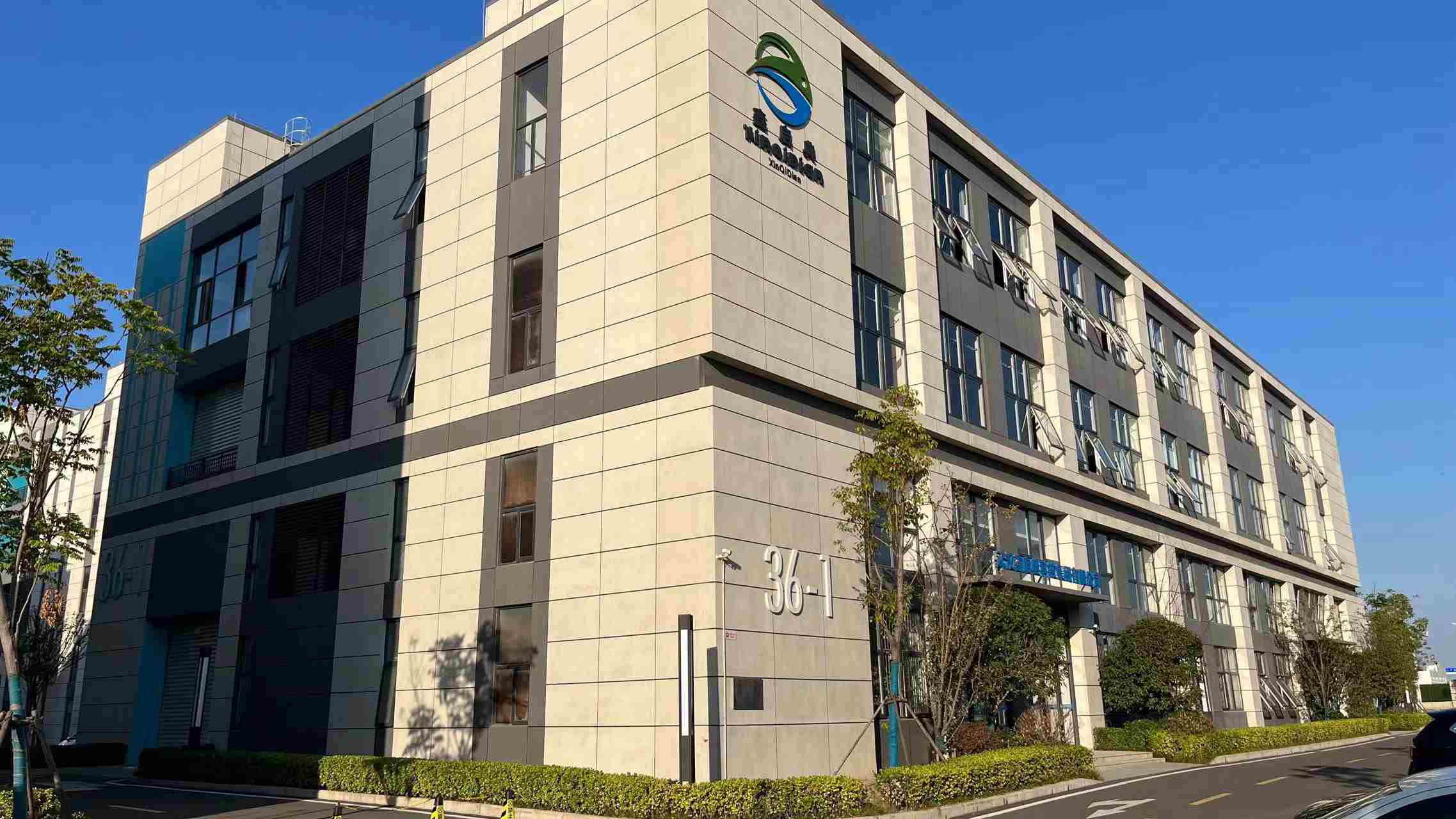
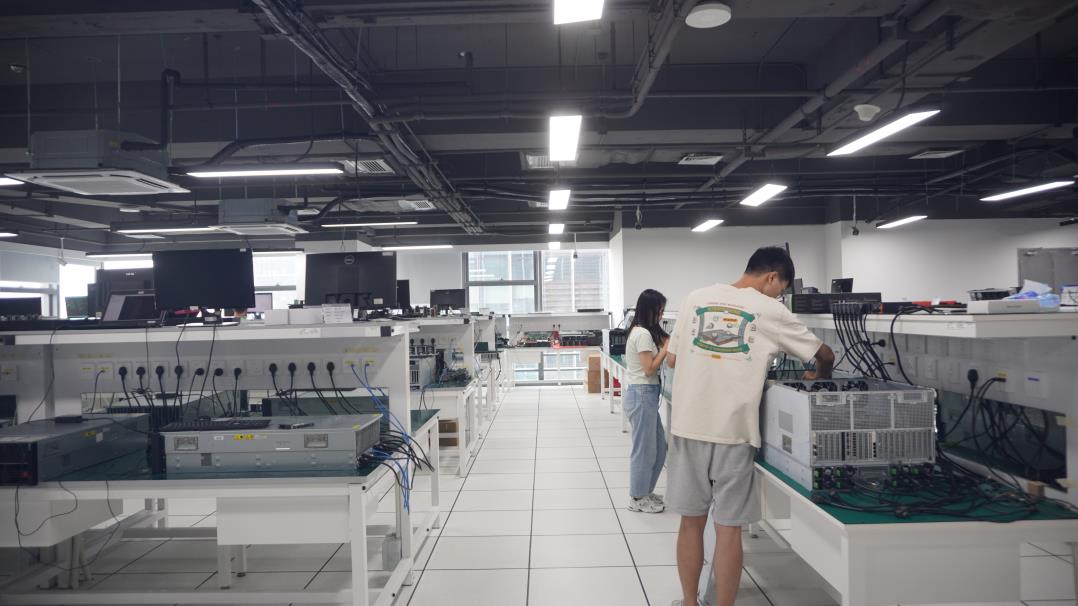
Operating out of a modern 21,800 m² SMT and testing facility, our processes are optimized for maximum efficiency, absolute quality control, and rapid adaptation to global requirements. We bridge the gap between structural cabling and active routing/processing hardware, ensuring that data transmitted via advanced Ethernet lines is processed seamlessly at the motherboard level.
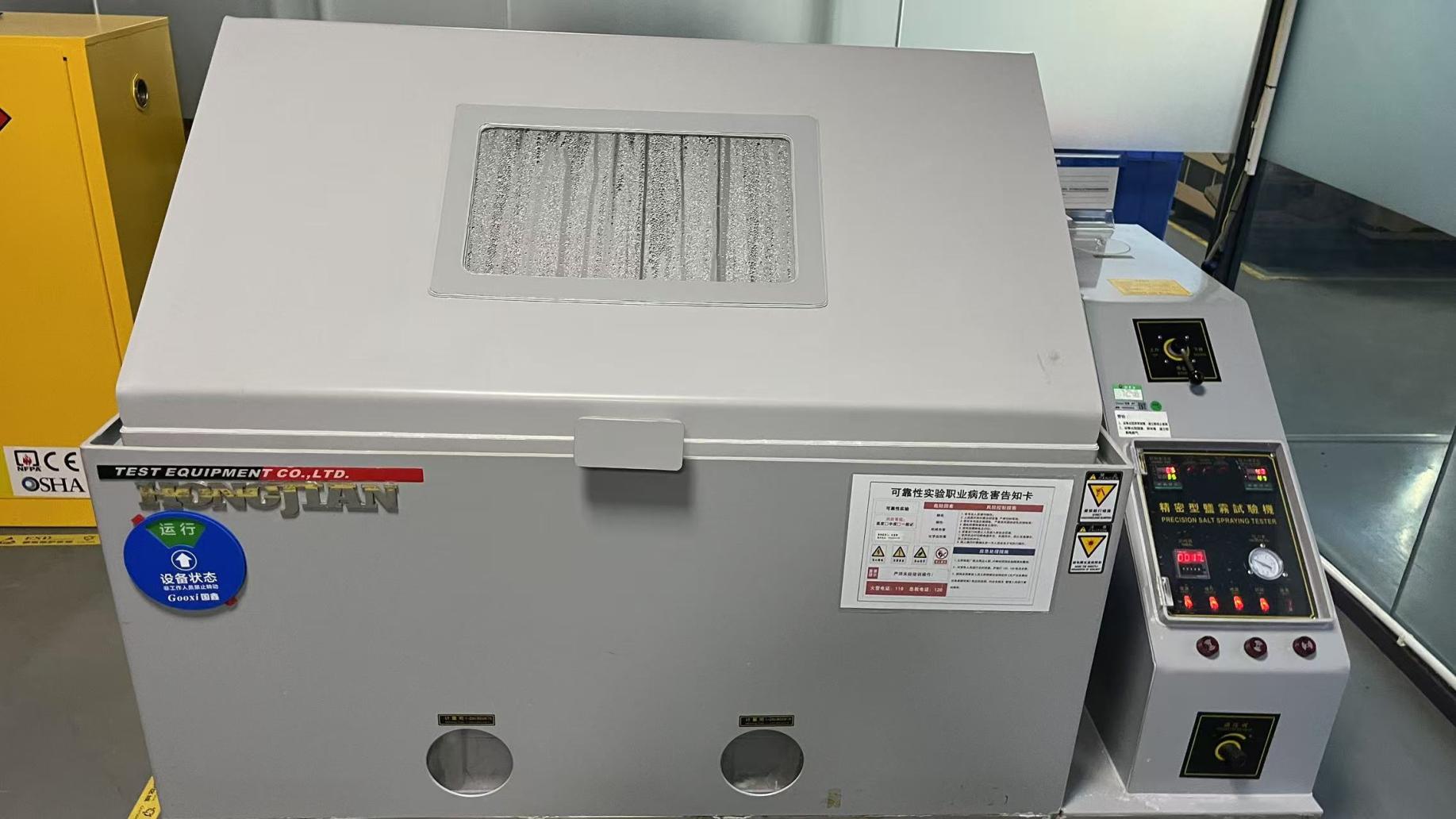
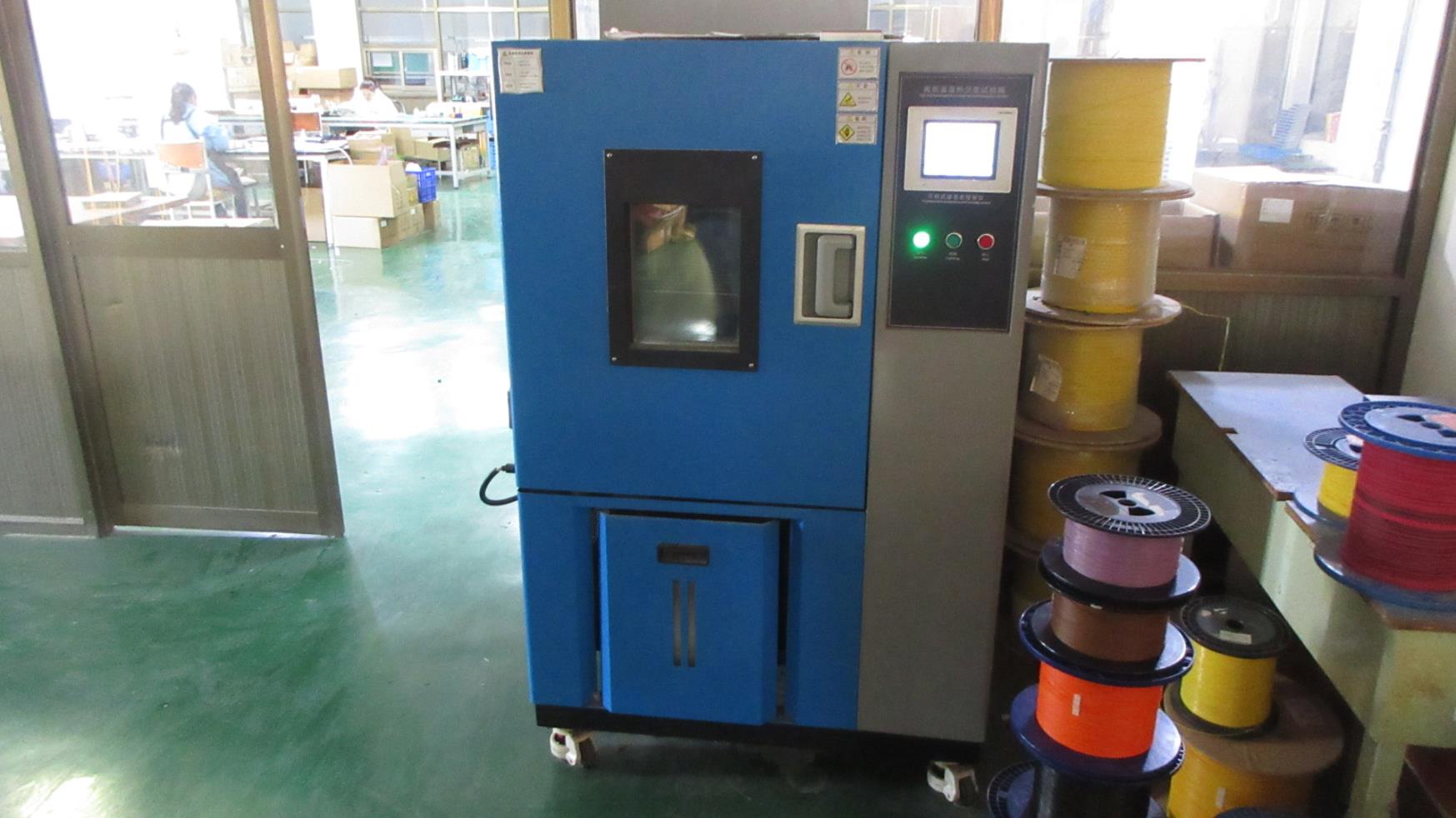
Visual overview of our factory floor, displaying automated surface mount lines, reflow ovens, QA evaluation bays, and system validation nodes.
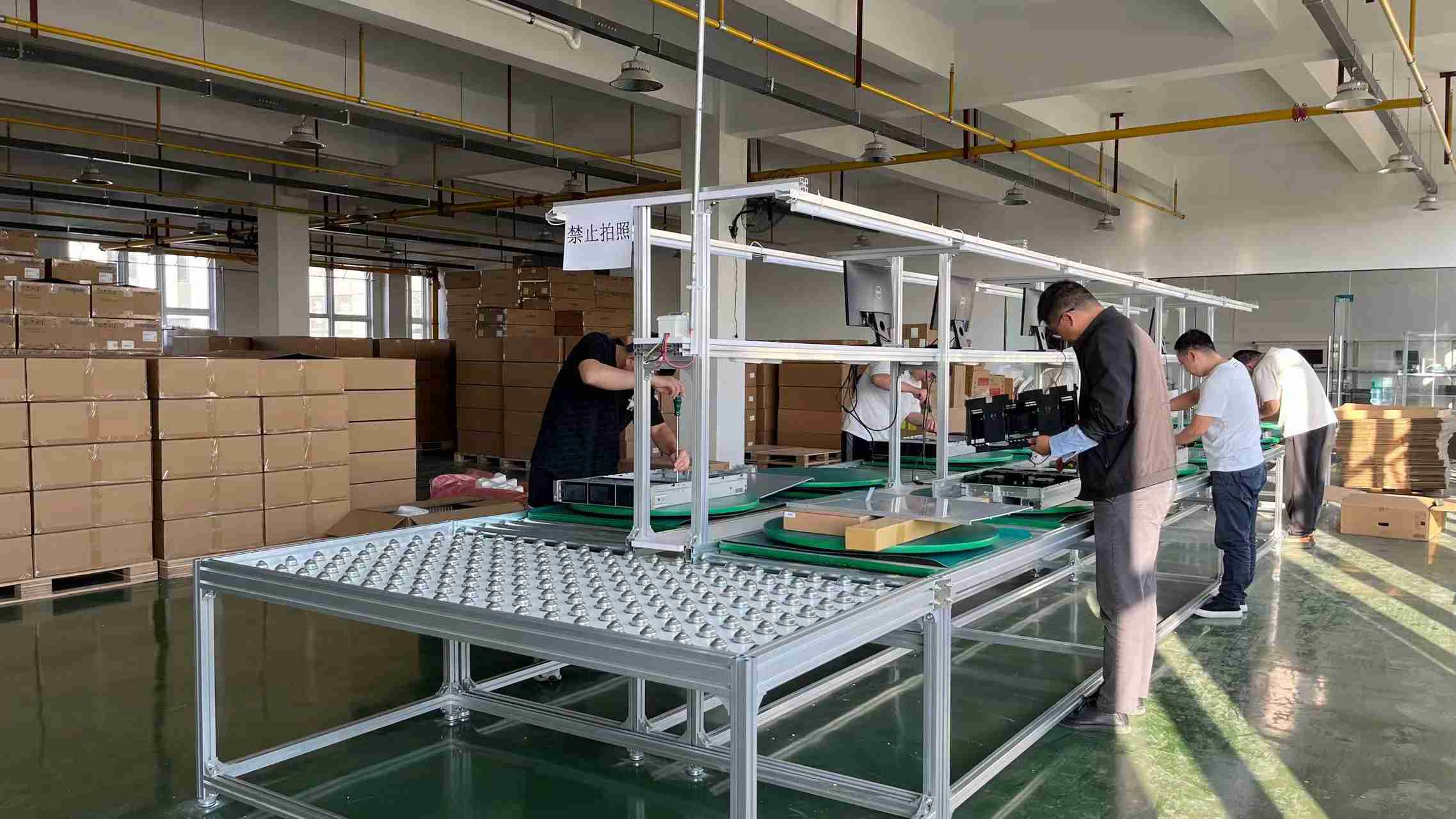
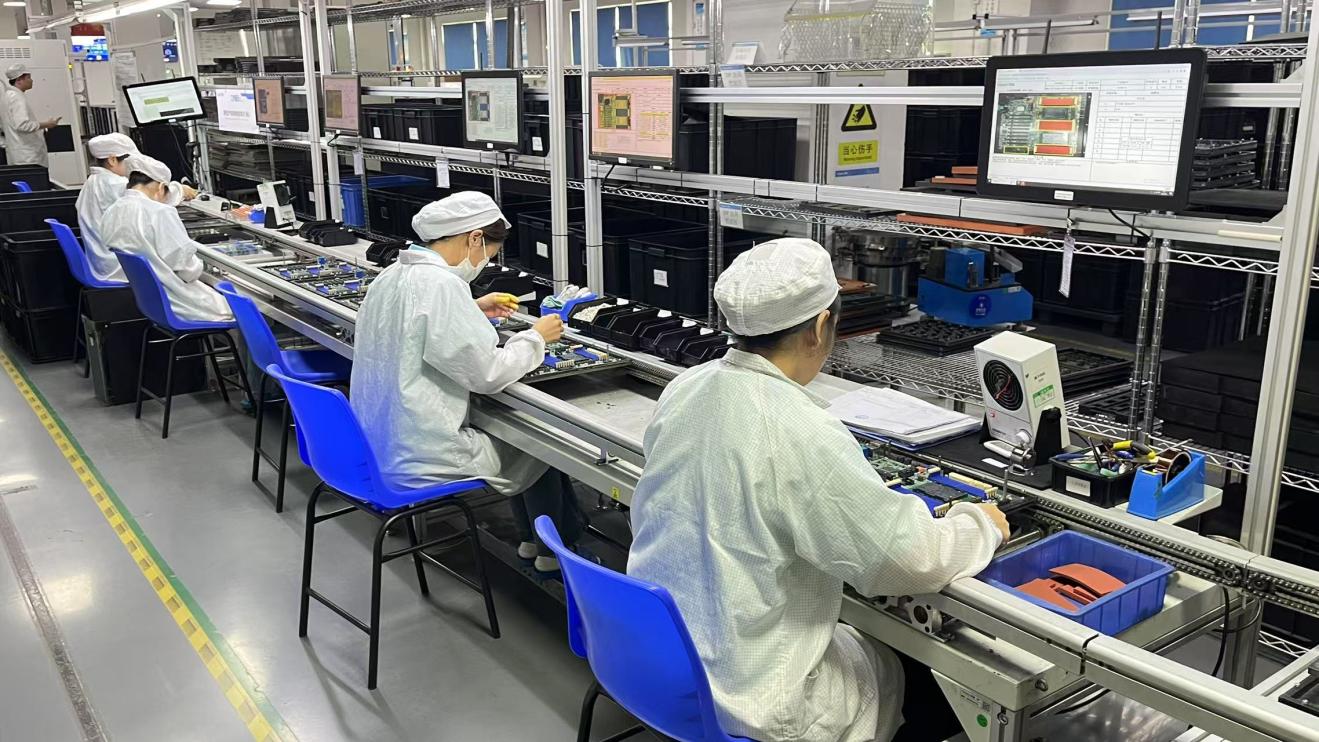
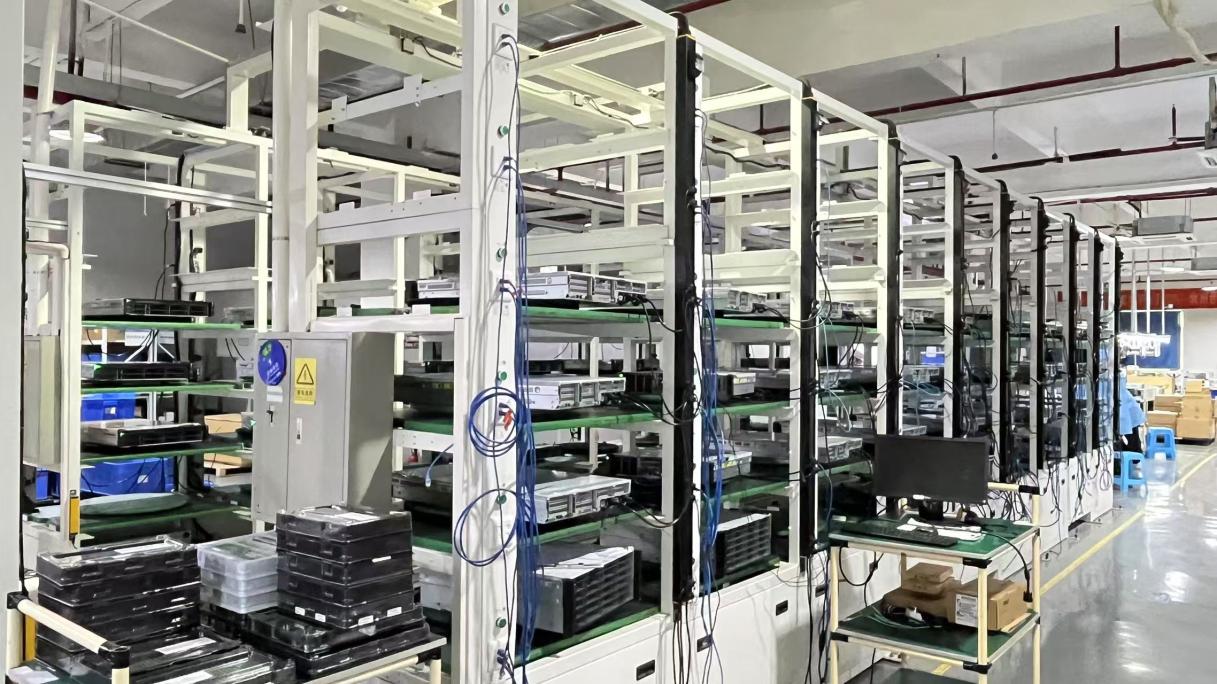
For enterprise procurement directors and system integrators, obtaining physical layer cabling requires strict adherence to verification standards. Below is a checklist for evaluating cabling and active component manufacturers:
Ensure that all Ethernet cables are 100% verified using Fluke DSX-8000 analyzers. A true pass certificate guarantees that the cabling, when installed, meets ANSI/TIA-568-C.2 and ISO/IEC 11801 performance benchmarks.
Reject copper-clad aluminum (CCA) for infrastructure backbones. Require 99.99% Solid Oxygen-Free Bare Copper to prevent high DC resistance, signal degradation, and PoE overheating hazards.
Ensure jackets meet local building code fire ratings (e.g., CPR Plenums for vertical risers, LSZH for public spaces in the EU). These configurations limit toxic smoke generation in fire events.
For connected networks, verify that active interfaces (switches, NICs) utilize gold-plated pins and high-grade PCBs (such as Taconic or multi-layer FR4) to minimize interface reflection loss.
A high-performance Ethernet infrastructure must be customized to its deployment setting. Here is how cabling design varies across environments:
Physical Requirements: High flexibility, torsion resistance, oil/chemical resistance (PUR jackets), and M12-coded connectors.
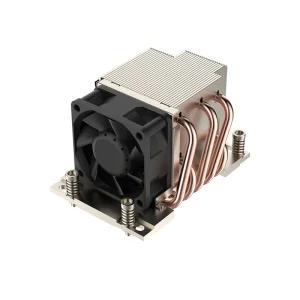
Industrial arms generate continuous friction and flex. Cabling must handle multi-million-cycle bending tests without conductor breakdown, and active transceivers require robust cooling radiators and ECC memory buffers to survive harsh machine environments.
Physical Requirements: Category 8 copper, direct-attach SFP+ cabling, and ultra-high-density patch matrices.
With modern high-speed server racks running continuous database processes, low-latency DDR5 ECC memory arrays and optimized high-frequency PCB substrate cards work alongside Category 8 cabling to prevent data bottlenecks between switch configurations and CPU clusters.
Physical Requirements: Cat6A F/UTP cabling, PoE++ support, and LSZH fire-resistant properties.
Modern buildings run dynamic PoE networks for LED lighting, surveillance, and smart displays. Copper cables must manage high thermal loads, requiring large conductor diameters (23AWG) to maintain safety inside packed wall conduits.
CCA cables use aluminum cores coated with a thin copper layer. Aluminum has higher DC resistance than solid copper. In PoE applications, this high resistance causes severe voltage drop and excessive heat generation, posing a safety risk. Additionally, aluminum is fragile and breaks easily during installation, leading to permanent connection failures.
UTP relies on the balanced design of twisted pairs to cancel noise, making it lightweight, flexible, and affordable for standard offices. STP incorporates metal foil or braided shielding around the pairs to block electromagnetic interference (EMI) in industrial plants, hospital imaging rooms, and data centers. STP requires proper grounding to work effectively.
Ethernet cables plug into active devices like switches and network interface cards (NICs). The RJ45 sockets, transformers, transceivers, and memory buffers on these devices are mounted using high-precision SMT. If SMT solder joints are subpar or if the PCB impedance is not controlled, signal reflections and packet loss will occur, undermining the benefits of high-speed cabling.
A reliable manufacturer must offer third-party verifications like UL (Underwriters Laboratories) or ETL (Electrical Testing Labs) certificates. In Europe, CE marking and CPR fire safety compliance (Dca, Cca, B2ca ratings) are mandatory. The factory itself should operate under ISO 9001 and ISO 14001 quality and environmental management standards.
Corexis maintains a comprehensive quality management system, including Incoming Material Inspection (IQC), In-Process Inspection (IPQC), Final Quality Control (FQC), and Outgoing Quality Assurance (OQA). We conduct 100% full inspections using automated optical and functional testing systems to ensure all memory modules, radiators, and PCB assemblies operate reliably within enterprise network environments.
 Corexis Memory