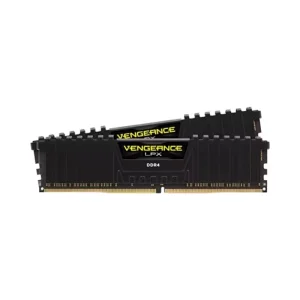
Explore our high-performance electronic components, control boards, and thermal sub-assemblies crucial for next-generation disinfection architectures.
The global demand for UVC (Ultraviolet-C) Disinfection Modules has experienced an unprecedented paradigm shift. No longer limited to niche laboratory environments, solid-state ultraviolet disinfection has become a core standard in public health infrastructure, municipal water treatment, commercial HVAC air purification, and smart medical sanitization devices. By utilizing light waves between 200nm and 280nm (specifically peaking around 260nm–275nm for optimal RNA/DNA absorption), UVC LED modules damage the molecular structure of pathogens, achieving rapid microbial inactivation without chemical residue.
However, engineering a high-output, durable UVC disinfection system requires deep electrical and thermal optimization. Unlike standard lighting systems, UVC LEDs convert more than 90-95% of input electrical power directly into heat rather than light. Consequently, the performance of the world's leading UVC disinfection devices depends entirely on the design of the driving PCB substrates (such as heavy-copper aluminum PCBs), precision SMT packaging, high-speed microcontrollers, and reliable system memory buffers. This whitepaper analyzes the technical standards, sourcing guidelines, and technological trends defining the Top 10 UVC Disinfection Module Manufacturers and Suppliers.
A high-performance UVC disinfection module is an integrated system consisting of four primary layers:
Utilizing AlGaN (Aluminum Gallium Nitride) semiconductor material, UVC LEDs emit radiation at precise biocidal wavelengths. Thermal stress at the semiconductor junction must be managed to prevent rapid output degradation and wavelength shifting.
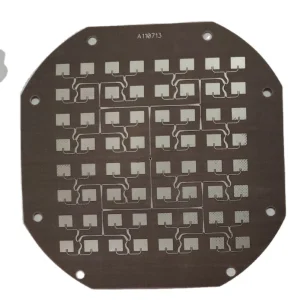
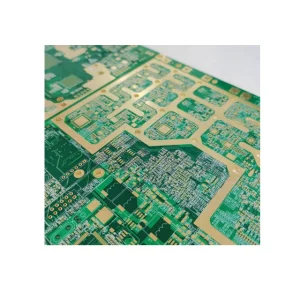
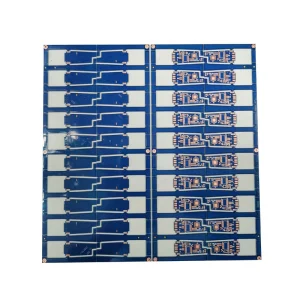
Because UVC LED chips generate intense localized heat, standard FR4 substrates are insufficient. Top suppliers use high-thermal-conductivity aluminum-substrate PCBs and high-frequency materials like Taconic TLY-5 or Rogers 4000 to minimize thermal impedance.
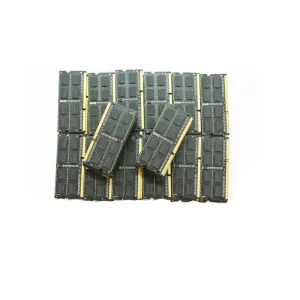
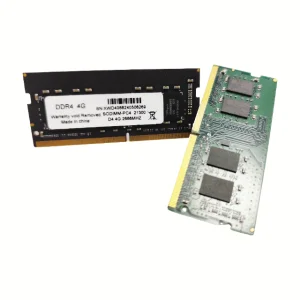
Stable constant-current drivers prevent thermal runaway. Modern modules integrate IoT-enabled microcontrollers and non-volatile memory buffers to record system usage, track diode decay, and manage pulsed emission modes.
Thermal management is the primary challenge in UVC LED packaging. If the junction temperature of a UVC LED exceeds 80°C, its optical efficiency drops sharply, and its lifespan is cut short. Industrial designers address this by using high-thermal-conductivity metal core printed circuit boards (MCPCBs):
Globally, procurement profiles for UVC modules have evolved. Buyers are shifting from purchasing raw components to sourcing fully integrated, smart sub-assemblies. The major application areas driving high-volume procurement include:
Installed inside central air conditioning ductwork and air handling units (AHUs), these modules continuous disinfect recirculated air. They require large-scale, high-intensity modules mounted on heavy aluminum frames to withstand constant, high-velocity airflow and vibration.
Inline flow-through water disinfection modules require liquid-cooling designs. These systems utilize specialized, high-conductivity circuit boards designed to operate efficiently under continuous load, ensuring they do not leak heat back into the treated water.
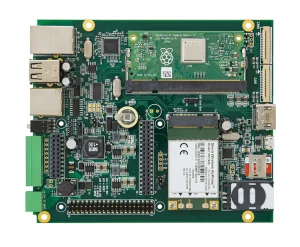
Clinical robotics, mobile disinfection carts, and surgical instrument sterilizers require smart control. These devices rely on reliable, fast-response memory systems, microcontrollers (such as Raspberry Pi industrial control boards), and SMT-assembled driver arrays to deliver precise, automated disinfection cycles.
Corexis Memory Technology Co., Ltd. supplies high-precision electronic driver assemblies, advanced PCBs, and memory systems that power global industrial electronics.
Established
Factory Footprint
R&D Engineers
QC Inspection
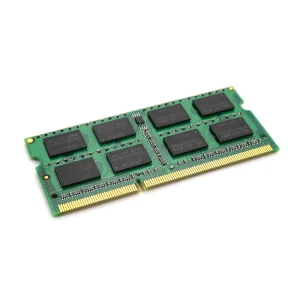
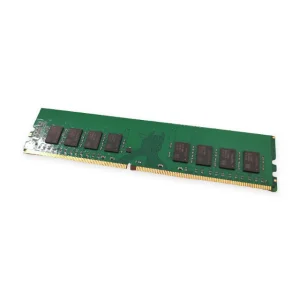
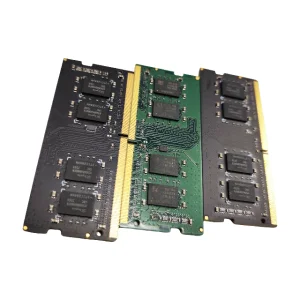
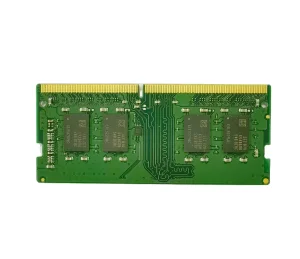
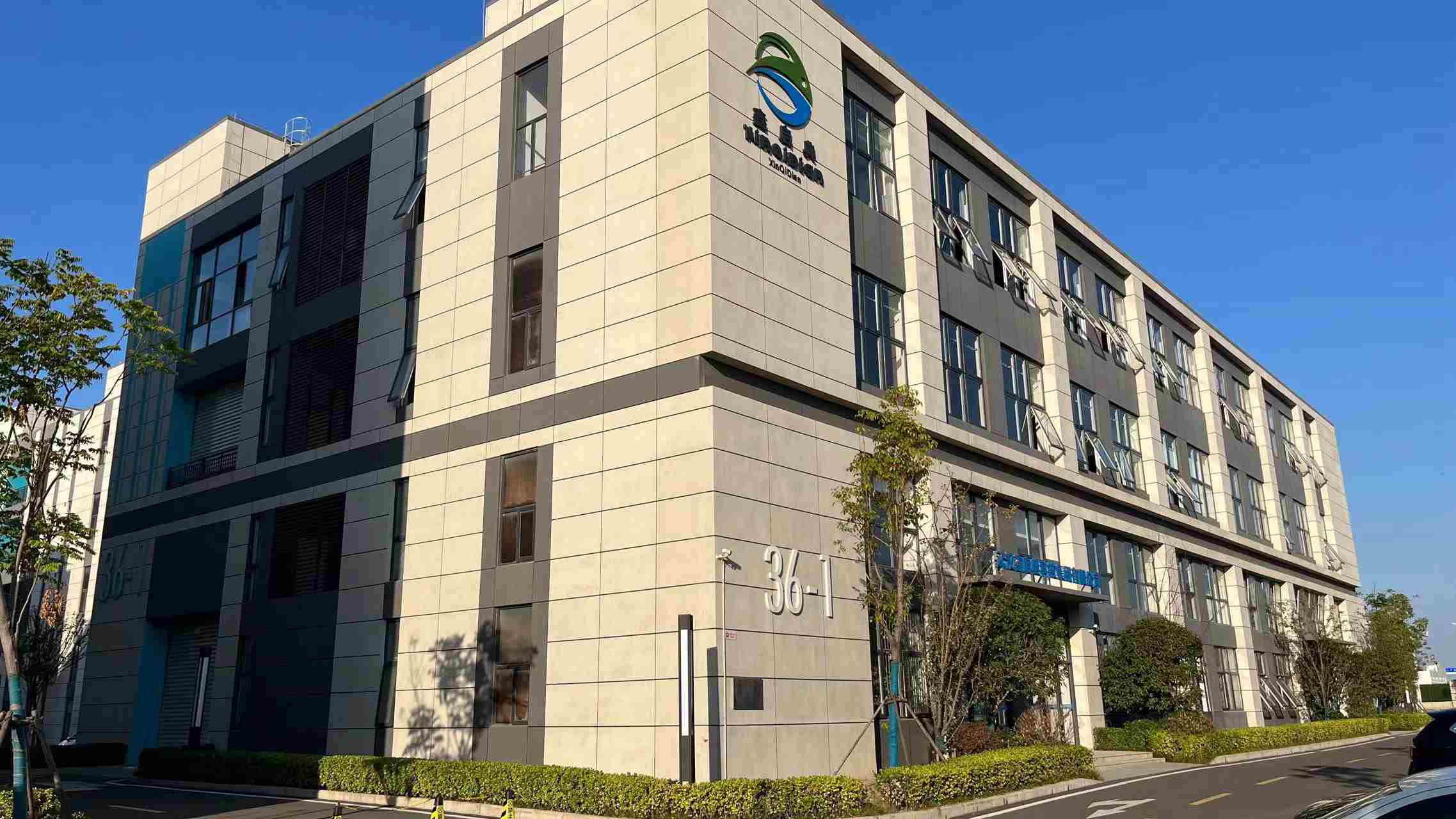
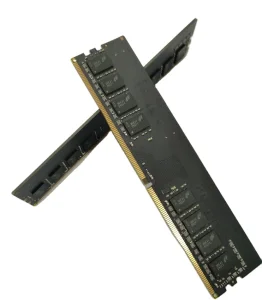
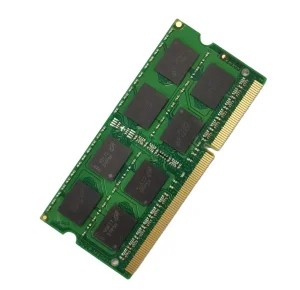
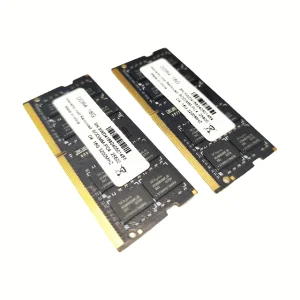
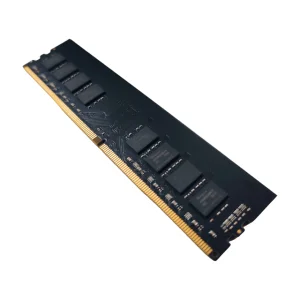
Corexis Memory Technology Co., Ltd. is a professional developer and manufacturer of high-performance DRAM memory solutions, PCB design services, and SMT assembly (PCBA) for global OEM, ODM, and industrial brand customers. Since 2016, the company has focused on memory technology innovation, advanced manufacturing, and strict quality management. Our products are widely used in desktop PCs, laptops, servers, industrial control systems, and embedded computing platforms.
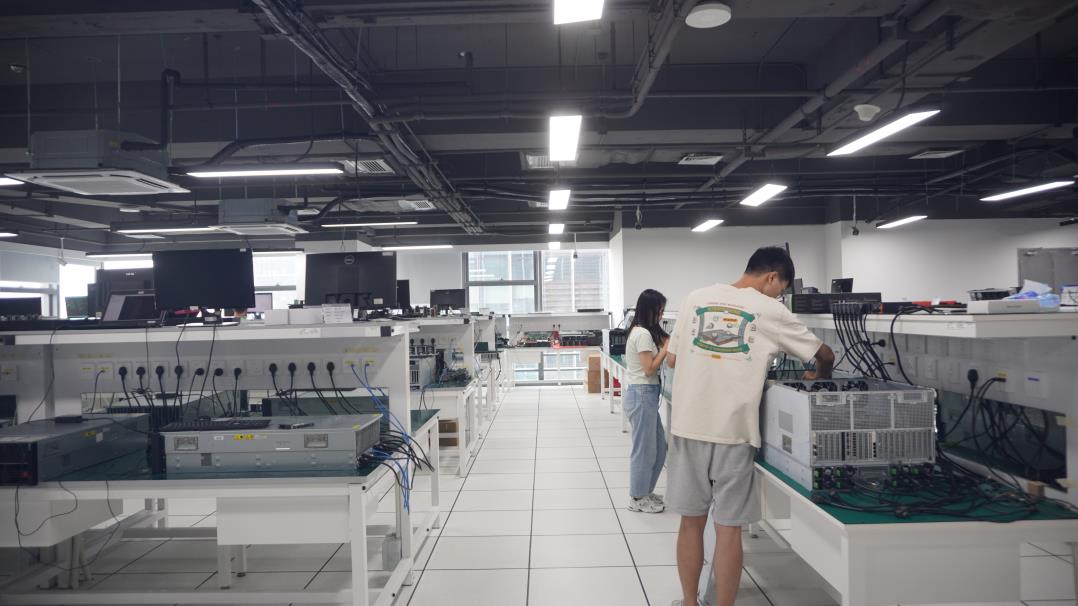
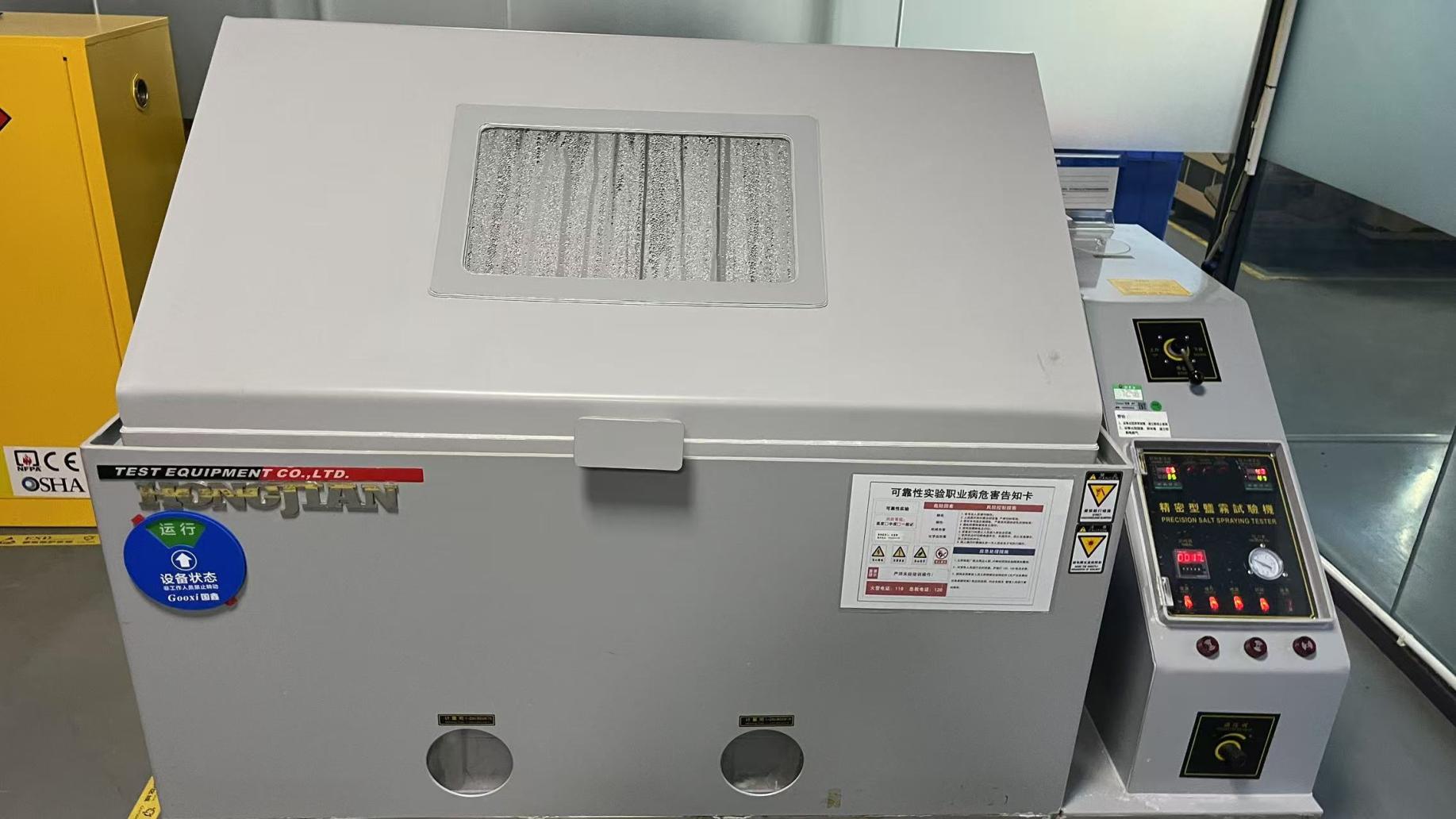
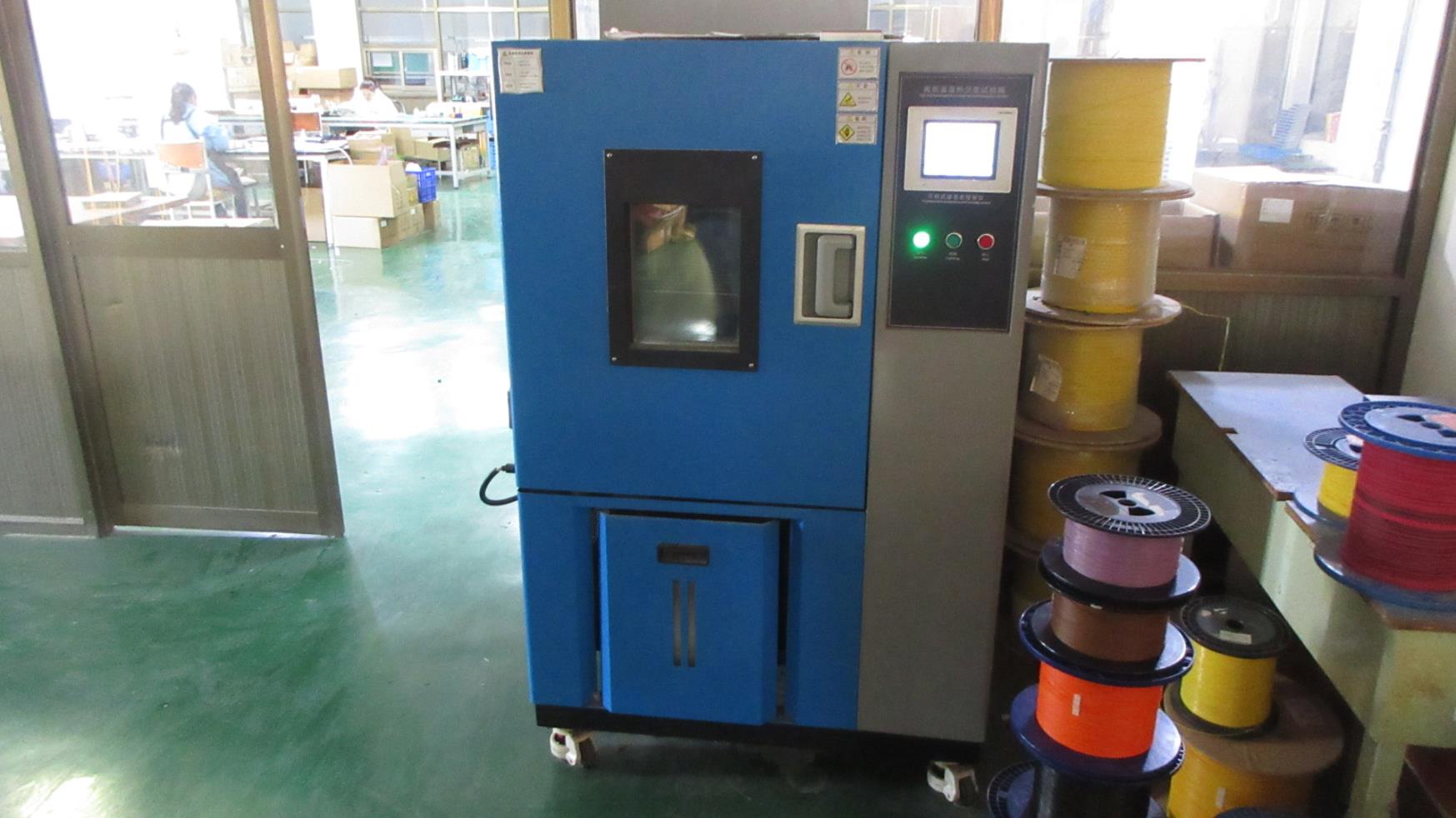
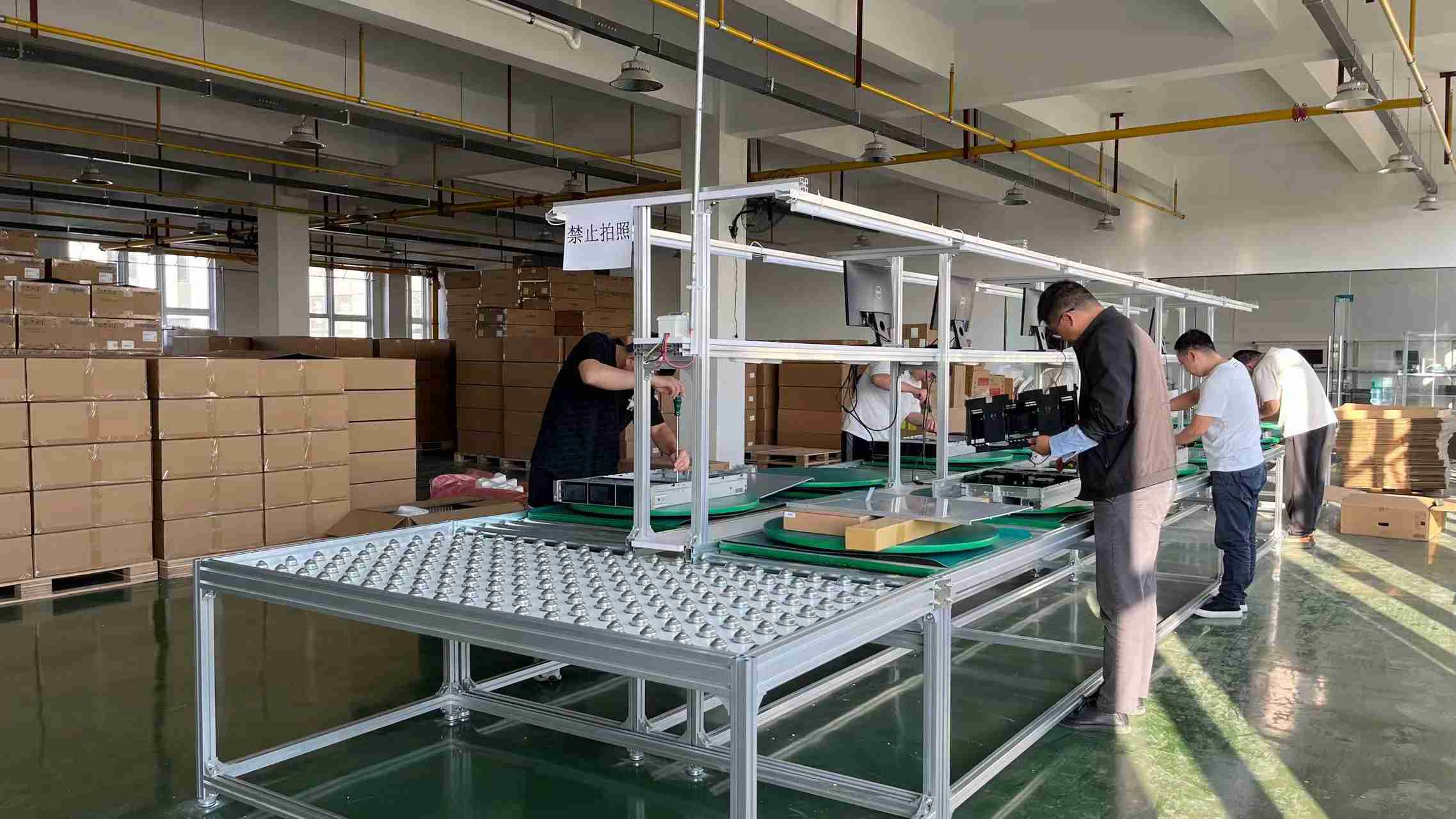
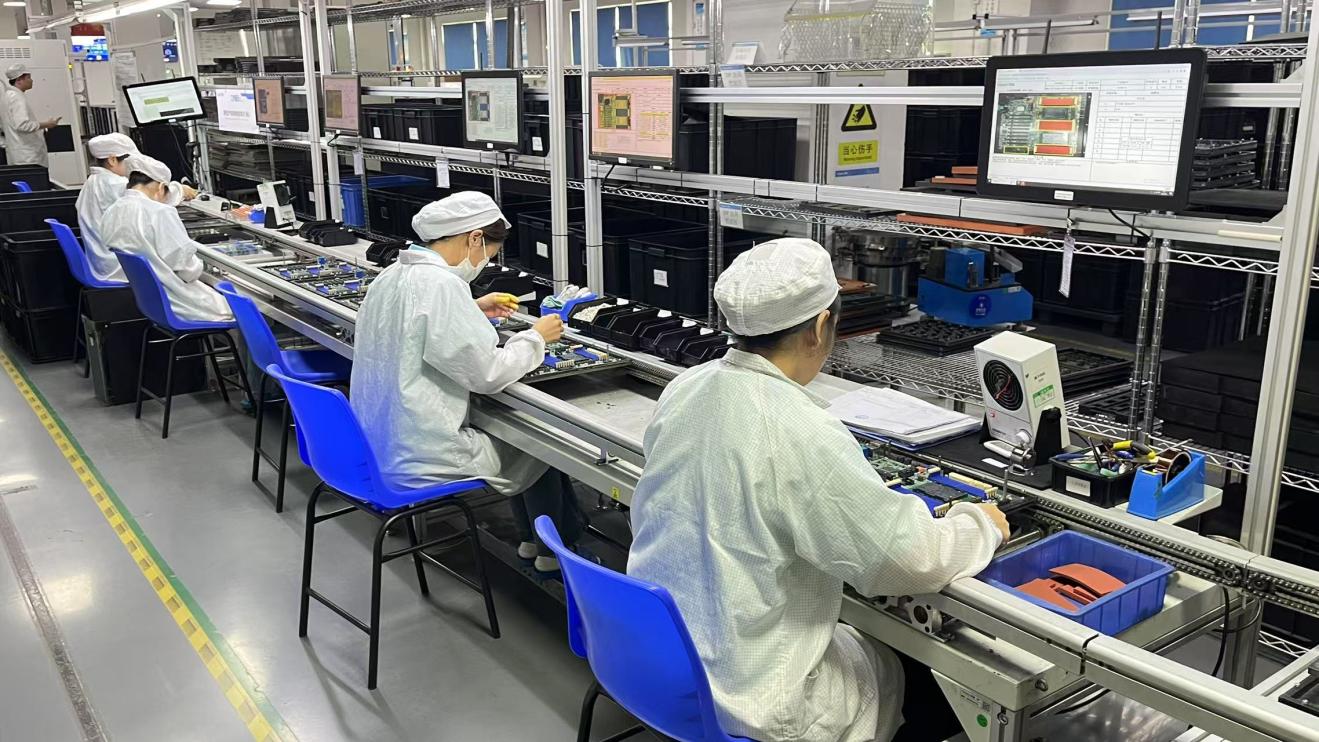
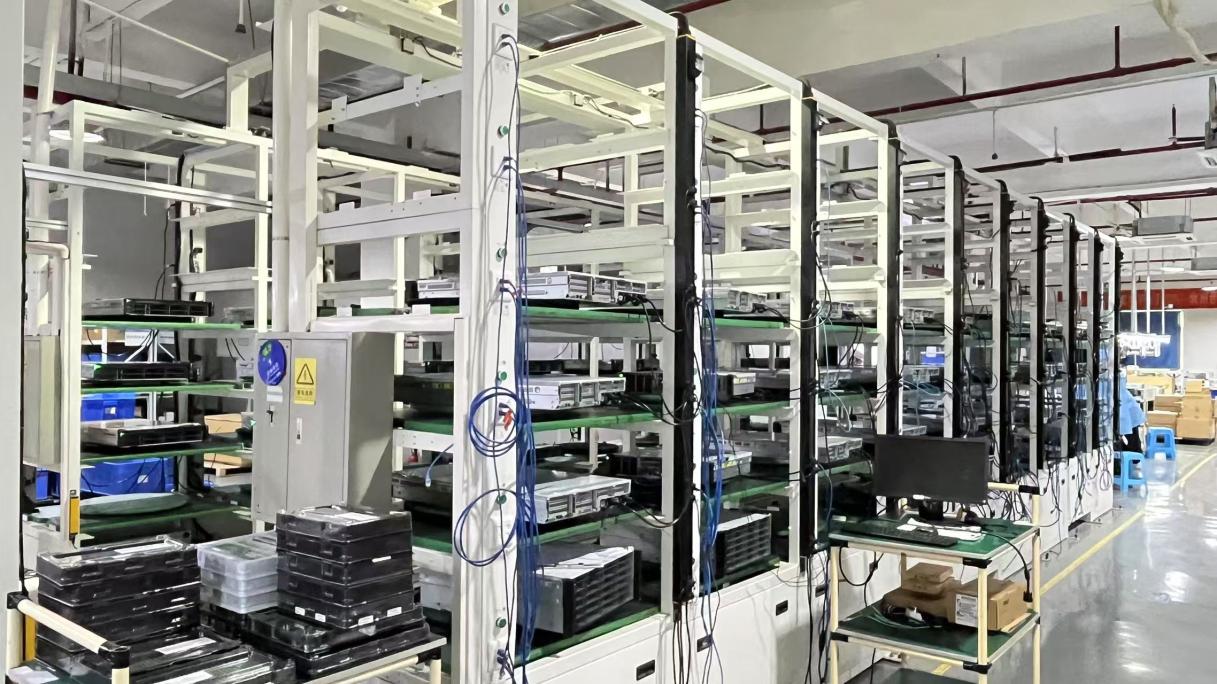
With our modern manufacturing facility, Corexis integrates design, SMT production, testing, packaging, and quality assurance under one roof. Our experienced engineering team continuously develops high-speed, high-density storage and control modules that meet strict international standards and the evolving demands of the global market.
As the disinfection market matures, the engineering focus is moving from simple power scaling to smart, efficient systems. The following trends will define the next generation of UVC and industrial drive architectures:
Standard 254nm and 275nm wavelengths pose exposure risks to human skin and eyes, requiring shielded operation. Excimer lamps and next-generation solid-state emitters operating at 222nm (Far-UVC) offer safe sanitization in occupied spaces. These systems require high-precision driver circuits to manage the distinct electrical characteristics of 222nm emitters.
Instead of running continuously at full power, modern systems use sensors to adjust UV intensity dynamically based on occupancy, airflow, and pathogen load. This requires industrial-grade control boards with integrated high-speed memory buffers to process real-time sensor data and log operational metrics.
To further reduce thermal resistance between the UVC LED junction and the ambient air, manufacturers are pairing aluminum PCBs with nanoceramic and phase-change TIMs. This improvement helps maintain stable output power over the module's operating life.
Industrial sterilization systems must meet strict safety and emission standards. Global regulatory authorities enforce compliance frameworks that manufacturers must follow:
Technical and procurement answers regarding UVC module designs, thermal PCB specifications, and component sourcing.
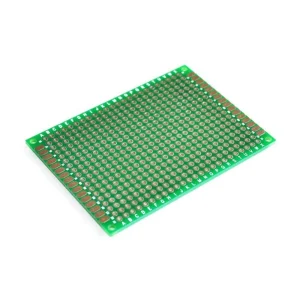
Explore our industrial-grade PCBA solutions, storage memory, and double-sided prototype boards engineered for high-performance controls.
 Corexis Memory