Engineered to support heavy-duty data processing and industrial controller platforms for South African automation frameworks.
South Africa stands at a critical juncture regarding water security, sanitation, and industrial hygiene. Key metropolitan hubs like Gauteng, Cape Town, and Durban are rapidly transitioning from traditional mercury-lamp disinfection structures to modern solid-state ultraviolet (UV-C) technologies. This movement is driven by strict municipal water quality requirements, escalating energy costs, and the national mandate to eliminate hazardous mercury waste.
The implementation of 270nm-280nm UVC LEDs in the 3535 package format addresses the core vulnerabilities of local infrastructure. These solid-state emitters offer a direct path toward decentralized, off-grid water purification systems, which are increasingly crucial for agricultural exporters in the Western Cape and residential estates seeking independent municipal backup. Operating at lower voltages, these LEDs interface seamlessly with solar PV and battery storage systems, bypassing the challenges of rolling blackouts (load shedding).
Why the 270nm-280nm spectral range coupled with a 3535 ceramic package represents the apex of modern germicidal efficiency.
While DNA absorption peaks around 265nm, the 270nm-280nm range provides the ultimate balance between high radiant flux output, longer diode lifespan, and robust semiconductor stability. It triggers the formation of pyrimidine dimers in nucleic acids, effectively preventing replication of pathogens like E. coli and Cryptosporidium.
Utilizing an Aluminum Nitride (AlN) ceramic substrate with a quartz lens, the 3535 standard package offers outstanding thermal dissipation (thermal resistance <15 K/W). This ensures the internal junction temperature remains low, maximizing the L70 lifetime of the LED in South Africa's high-temperature environments.
Equipped with a highly transparent quartz window, the package allows over 90% UVC transmission. The hermetically sealed structure prevents ambient moisture and pollutants from degrading the AlGaN (Aluminum Gallium Nitride) active layer, essential for humid coastal zones like KwaZulu-Natal.
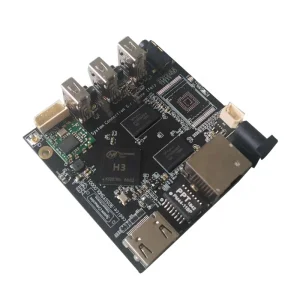
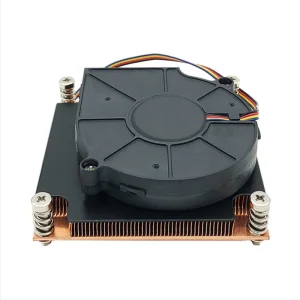
High-grade peripheral hardware modules engineered to coordinate and cool industrial disinfection systems.
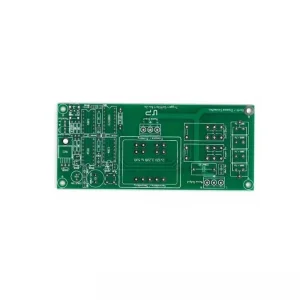
Linking high-power electronics engineering with strict industrial quality management to deliver robust UVC system drivers.
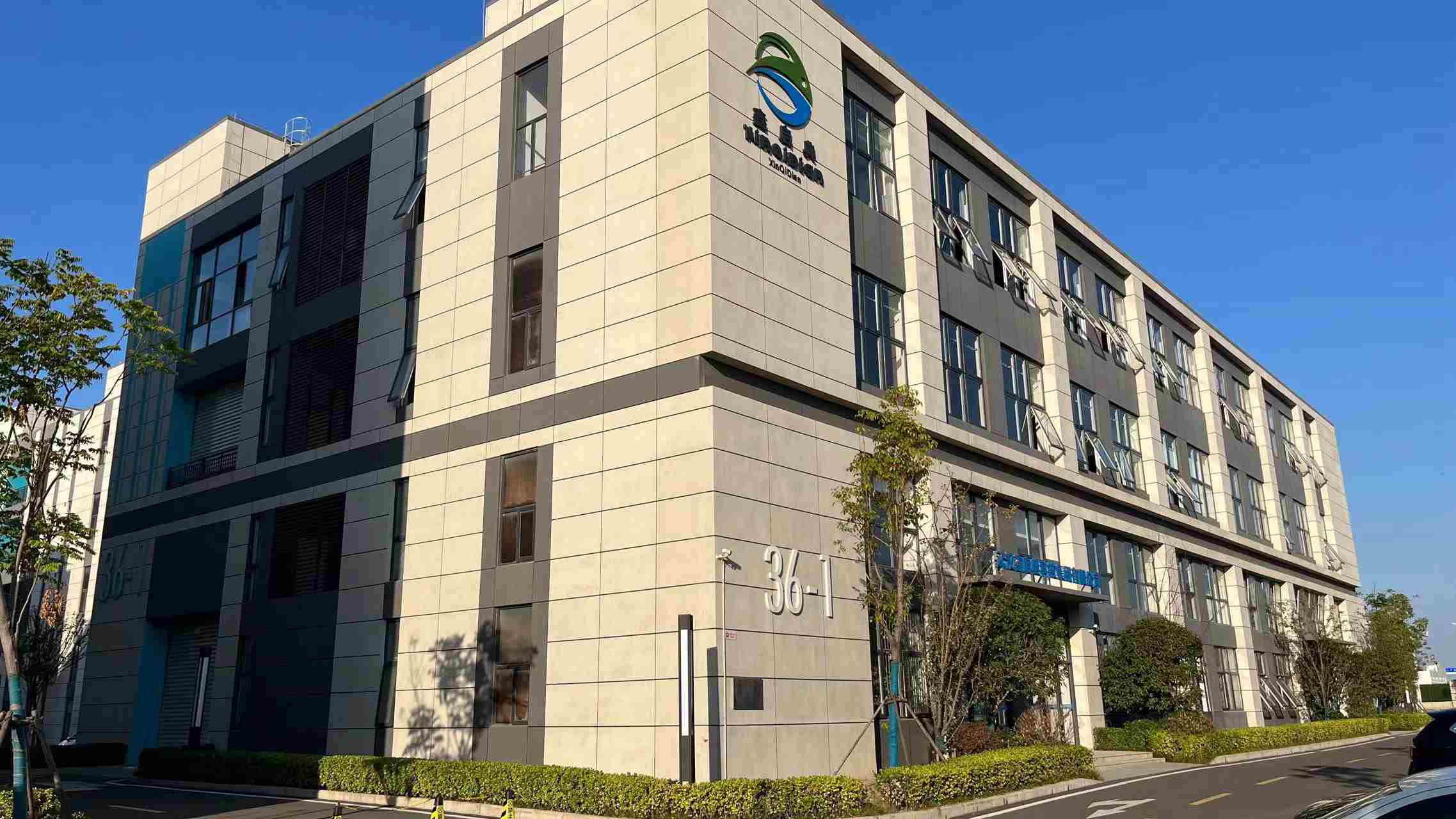
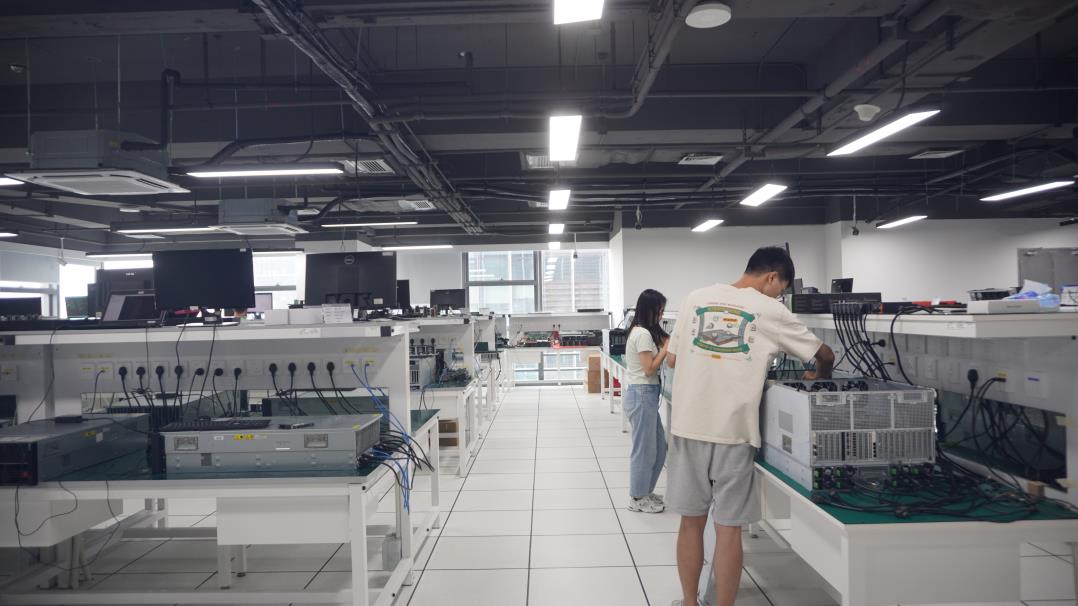
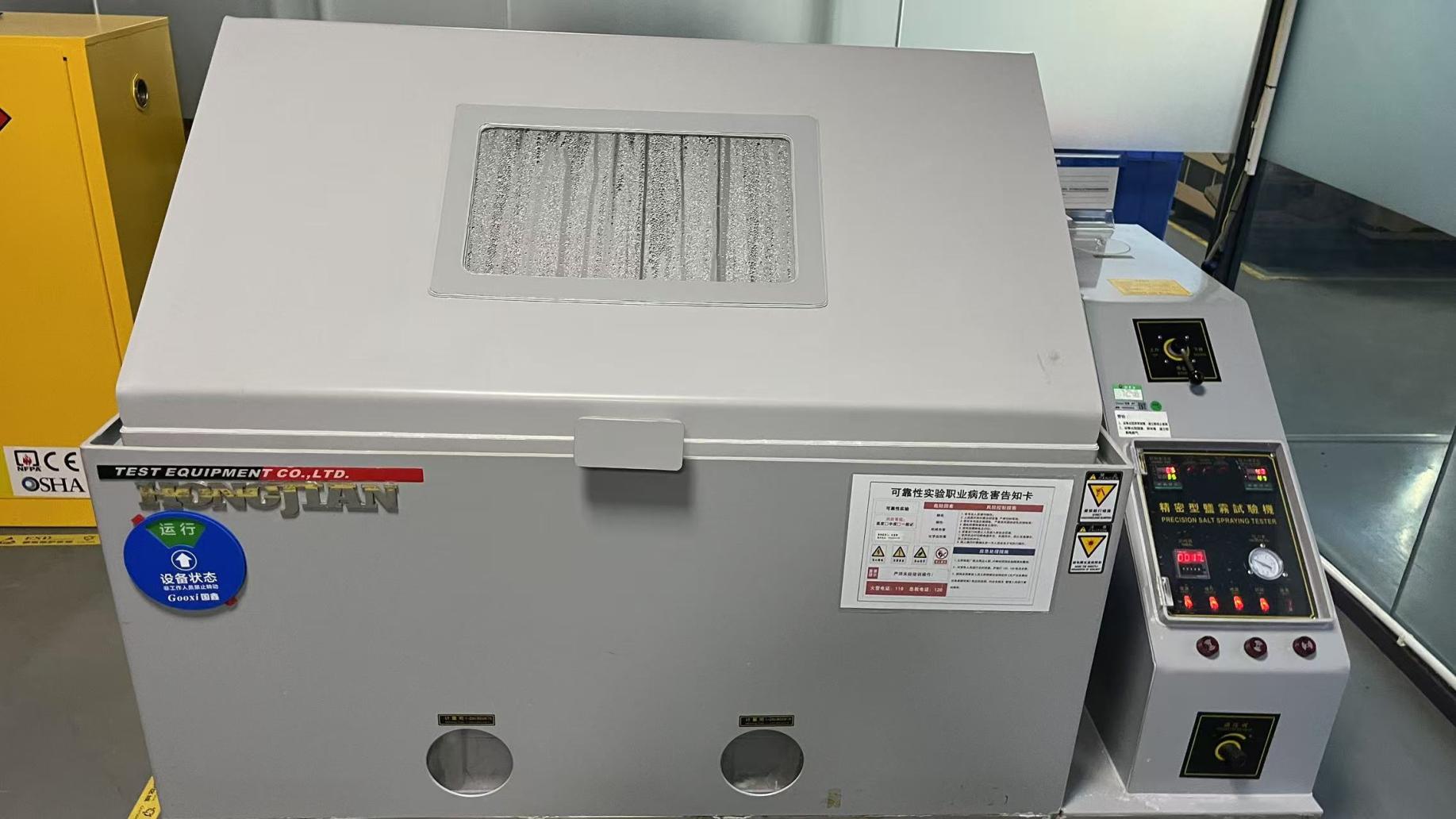
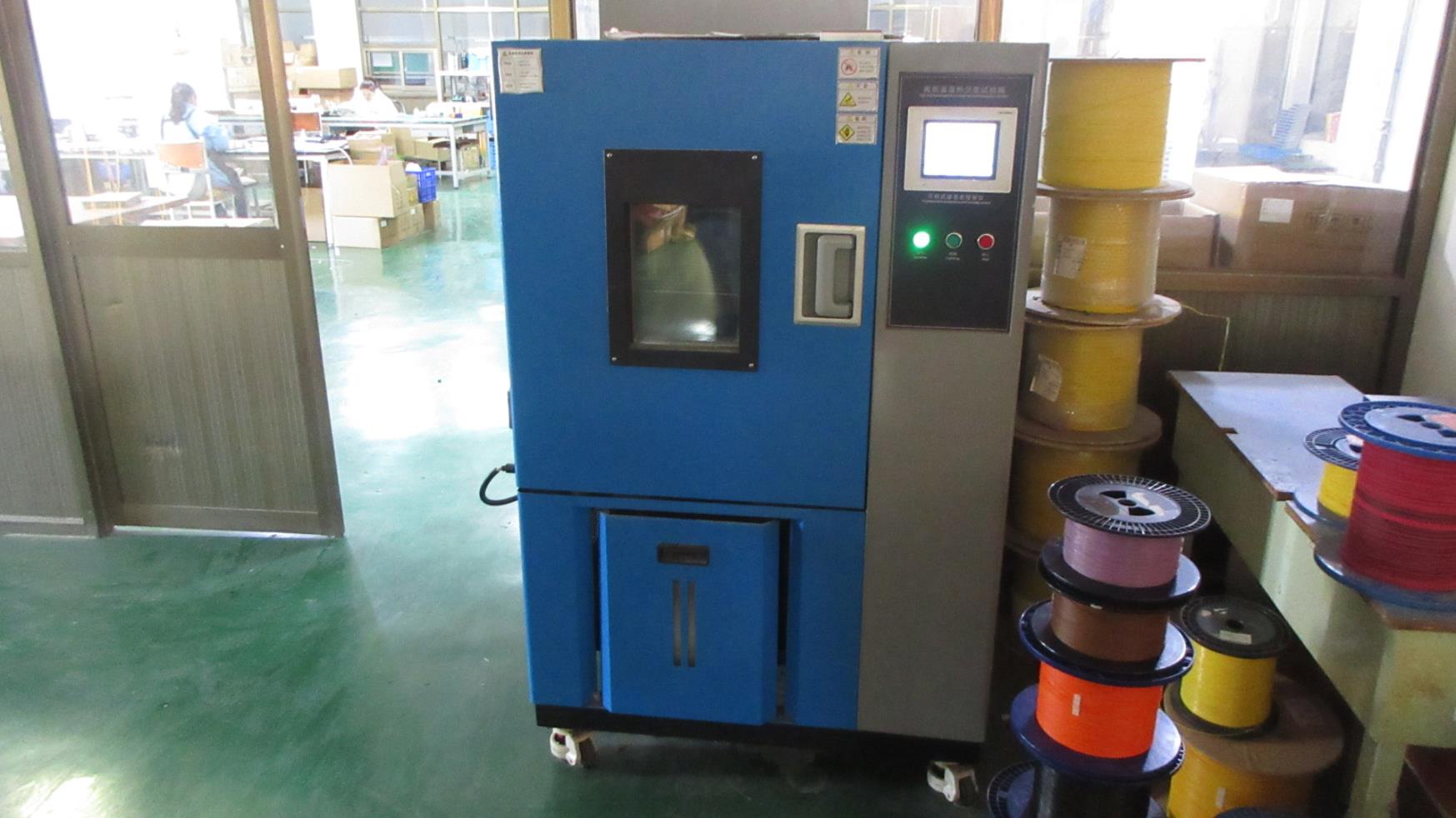
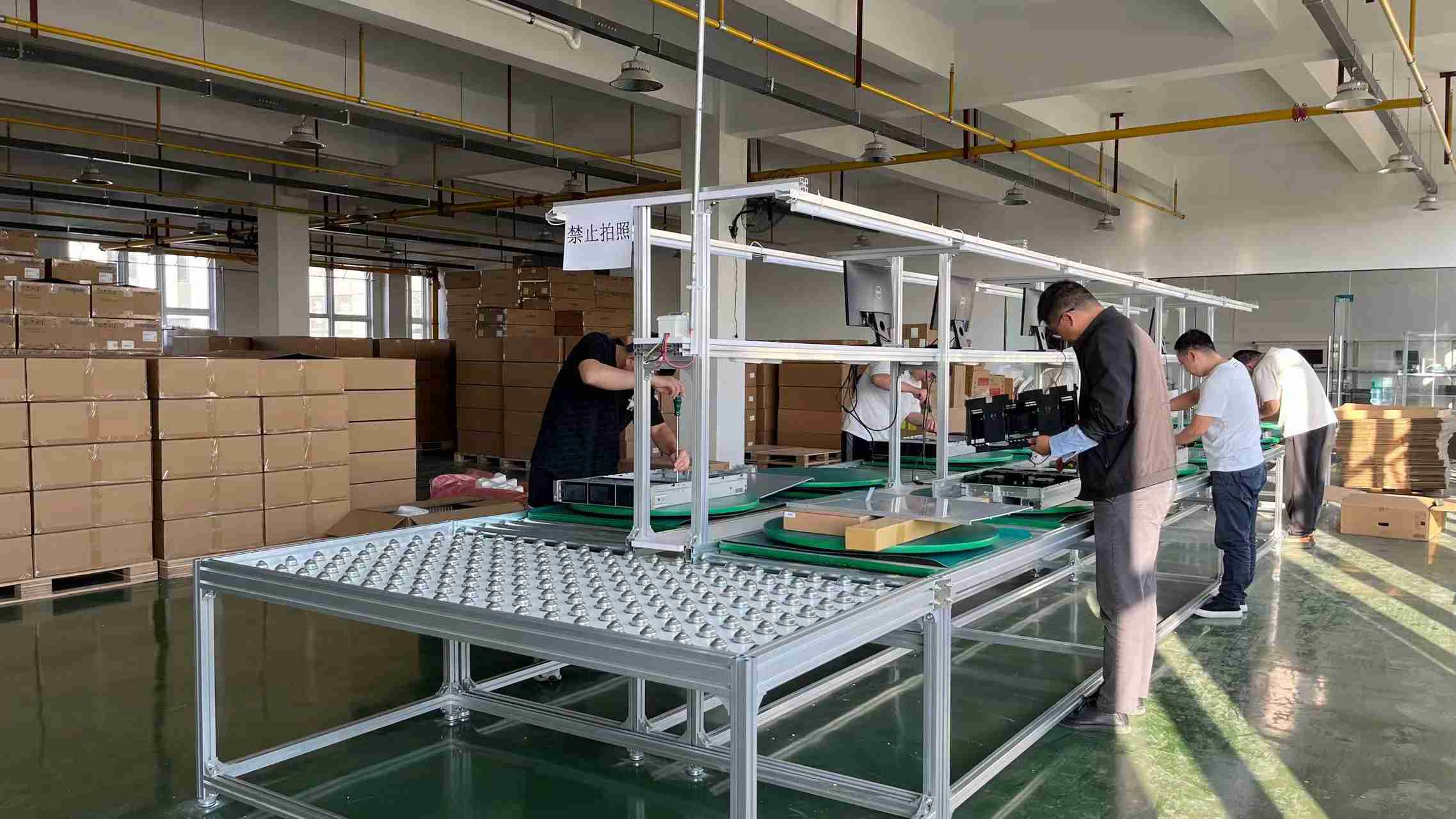
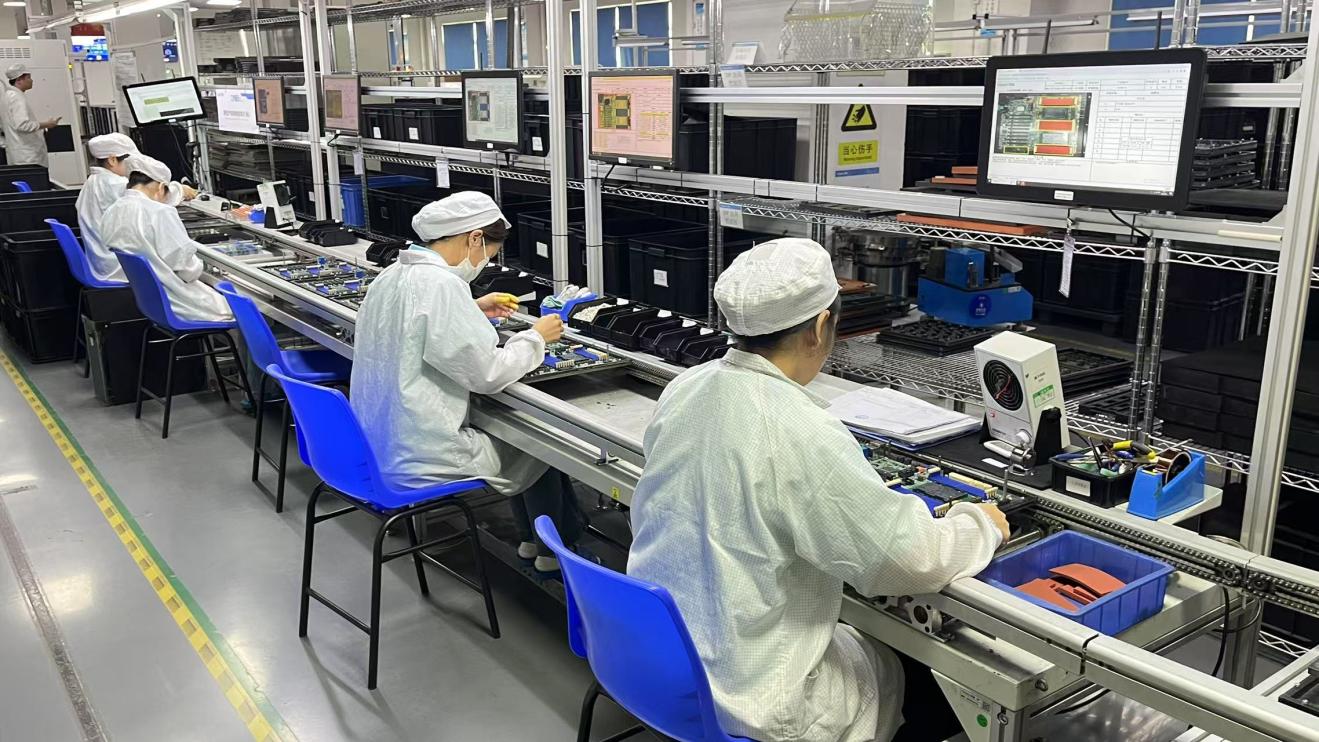
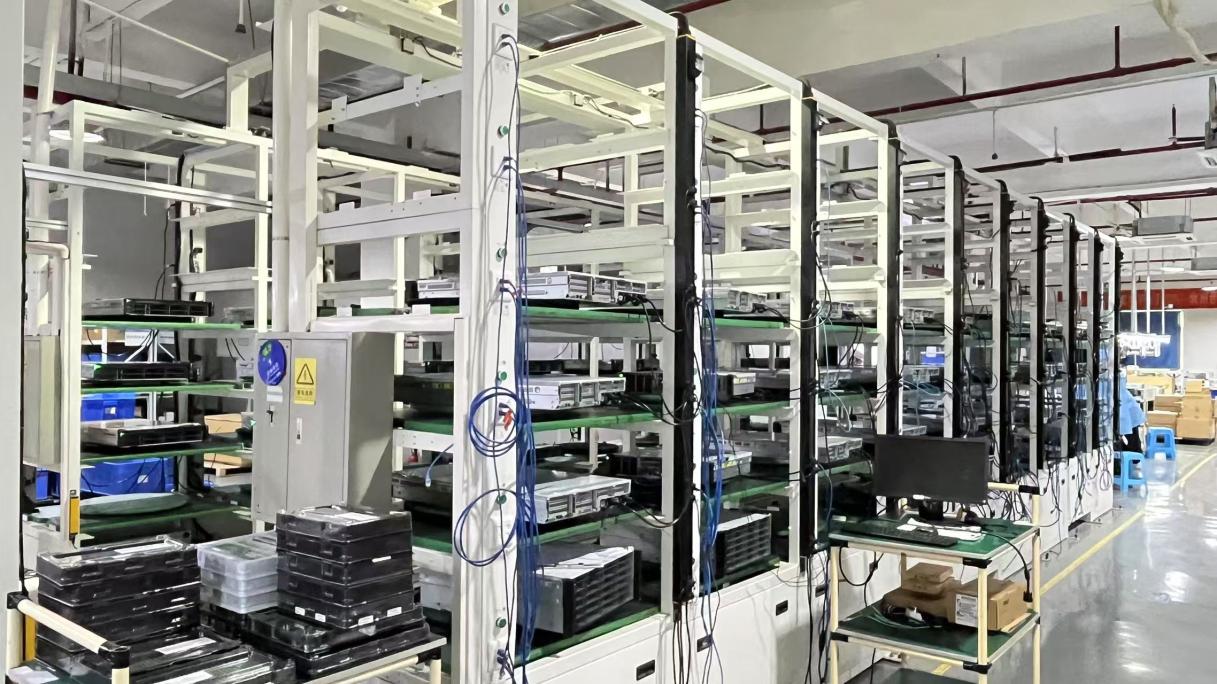
As a leading hardware integration expert, Corexis Memory Technology Co., Ltd. plays a vital role in the international technology supply chain. Established in 2016, Corexis has built an expansive engineering foundation over a modern 21,800 m² manufacturing facility. Our facility bridges advanced SMT packaging, high-speed controller logic development, and rigorous environmental stress testing under a unified quality architecture. This industrial prowess provides the direct technological backing required to manufacture long-lifetime UVC LED sub-assemblies and complex driver electronics.
Our quality control program utilizes a 5-tier product inspection workflow, including Incoming Material Inspection (IQC), In-Process Inspection (IPQC), Final Quality Control (FQC), Outgoing Quality Assurance (OQA), and specialized Reliability & Compatibility testing. With over 56 dedicated QC staff and 128 R&D engineers, we ensure that every driver board, high-speed memory controller, and optoelectronic element exported to South Africa conforms to international SABS, NRCS, and CE guidelines.
Importing high-specification optoelectronic components like 270nm-280nm 3535 UVC LEDs into South Africa requires a supplier who understands the nuances of local regulatory pathways. South Africa enforces strict safety parameters via the SABS (South African Bureau of Standards) and NRCS (National Regulator for Compulsory Specifications). Our export team coordinates the verification of electromagnetic compatibility (EMC) and low-voltage electrical safety certifications, ensuring smooth customs processing at Durban and Cape Town ports.
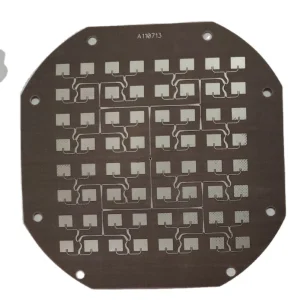
By partnering with a consolidated Chinese manufacturer, South African system integrators gain significant cost efficiencies. Our direct factory supply model avoids mid-tier markup, allowing local water treatment developers to remain highly competitive. We offer custom design (OEM/ODM) of MCPCB boards, matching specific driving current thresholds (typically 100mA to 350mA depending on the radiant output required), and optimizing thermal performance to survive local utility instability.
Custom solutions integrated to solve the operational realities of South African industries.
Integrated inside domestic water tanks (e.g., JoJo Tanks) and municipal booster stations. The 3535 UVC LED module operates at 12V/24V DC, making it highly compatible with battery-driven solar backup systems during load-shedding cycles.
Post-harvest surface decontamination of citrus and stone fruits. Installed on packaging conveyor belts throughout Limpopo and the Western Cape, reducing fungal spore transfer without introducing chemicals.
Used in localized sterilizers for surgical equipment and in wall-mounted Upper-Air Germicidal Irradiation (UVGI) fixtures in public health facilities across Gauteng to curb airborne transmission.
Technical answers to key engineering and procurement queries regarding 3535 UVC LEDs in South Africa.
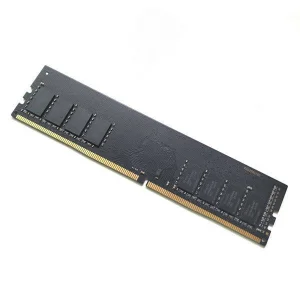
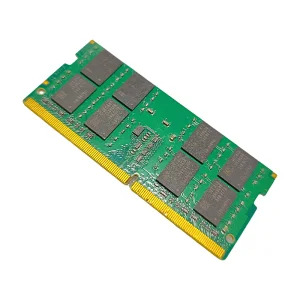
Our wider industrial components portfolio exported worldwide under strict quality assurance frameworks.
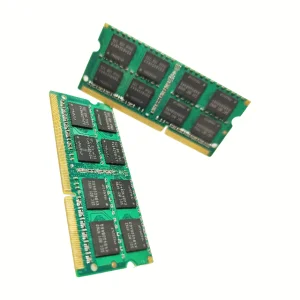
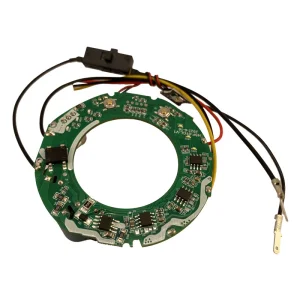
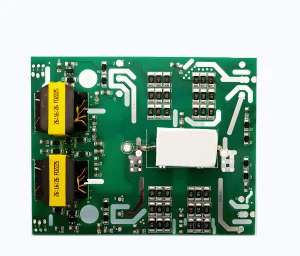
Partner with China's leading semiconductor packaging and electronics design factory. Secure premium wholesale pricing, reliable shipping channels, and technical integration support tailored for South African enterprises.
Send Inquiry Now Corexis Memory